Songkran, Thailand’s iconic water festival, is more than just a fun-filled celebration in the midst of sweltering heat. It’s a deeply ingrained cultural tradition that holds significant meaning for the Thai people and beyond. For you, it may be a time to immerse yourself in vibrant street processions, water fights, and joyous revelry – but its importance goes far beyond the splashing fun on the streets. Songkran is deeply rooted in Buddhist rituals and ancient traditions that honor the beginning of Thailand’s traditional New Year. This article explores the rich history, symbolism, and global appeal of Songkran, examining both its cultural significance and modern challenges as it evolves into a beloved event around the world. By the end of this piece, you’ll understand why Songkran has become an enduring symbol of Thai culture and identity.
History and Origins of Songkran
Songkran, Thailand’s iconic water festival, has its roots in ancient rituals and ceremonies that date back thousands of years. Let’s take a step back in time to explore the fascinating history behind this beloved celebration.
The Ancient Roots of Songkran
Songkran has its roots in ancient Thai and Buddhist traditions. The festival is believed to have originated from the traditional Thai New Year celebration, which marked the beginning of the hot season. During this time, people would pour water on Buddha images as a way of cleansing them from the impurities accumulated during the dry season.
In Theravada Buddhism, water symbolizes renewal and purification. By pouring water over Buddha statues, devotees are able to wash away past mistakes and start anew. This practice is still observed today during Songkran festivities. Water fights, in fact, have their roots in this ancient tradition of cleansing Buddha images.
Over time, the festival has evolved from a simple ritual into a grand celebration. In the 13th century, King Ramkhamhaeng declared Songkran a national holiday to honor the gods and bring good fortune. Today, the festival is observed throughout Thailand with great enthusiasm, featuring parades, traditional dances, and, of course, water fights that symbolize the washing away of past mistakes and embracing new beginnings.
Influences from Hinduism and Buddhism
Songkran’s evolution is deeply rooted in the religious traditions of Hinduism and Buddhism, which were introduced to Thailand through various dynasties. The festival’s water-throwing rituals are a direct descendant of the ancient Hindu ritual of washing away sins with sacred water. Similarly, Buddhist influences can be seen in the emphasis on cleansing and renewal. In Thai culture, the concept of ‘sankampaen’ (making merit) is closely tied to Songkran’s spirit. This involves cleansing not only one’s body but also one’s mind and spirit through acts of charity and kindness.
In practical terms, this means that during Songkran, you’re likely to see devotees performing rituals at temples, where monks bless the water used for ceremonies. You may also notice vendors selling small statues of deities or Buddhist symbols, which are believed to bring good fortune when given as gifts or placed in homes. To appreciate these influences fully, it’s essential to observe Songkran from a local perspective – by participating in rituals and engaging with community members.
Traditional Celebrations and Practices
As we explore the rich traditions surrounding Songkran, let’s take a closer look at the various celebrations and practices that make this festival so unique and deeply meaningful to Thai culture.
The Significance of Water in Thai Culture
Water plays a deeply symbolic role in Thai culture, reflecting the country’s emphasis on cleansing, renewal, and spiritual growth. In Buddhist tradition, water is often associated with mindfulness and compassion, qualities central to the Songkran celebration. During this festival, Thais pour water over statues of Buddha and other sacred objects, washing away not just physical dust but also spiritual impurities.
This practice has its roots in ancient rituals where rivers were considered sacred pathways for spiritual cleansing. Today, visitors can observe similar ceremonies at temples throughout Thailand. For those interested in fully immersing themselves in Songkran’s cultural significance, participating in a traditional water-blessing ceremony is an excellent way to connect with locals and gain insight into the symbolic meanings behind this ancient practice.
Note that the act of pouring water during Songkran extends far beyond mere playfulness; it embodies respect for elders, care for one another, and recognition of life’s preciousness.
Rituals and Ceremonies During Songkran
During Songkran, various rituals and ceremonies take place to honor the New Year. One of these is the pouring of holy water on monks, known as “Nam Prasab,” where devotees offer blessings by splashing water onto their robes. This act symbolizes cleansing not just for the monks but also for the community.
Water sprinkling ceremonies are another significant aspect. People gather at temples to sprinkle water as a means of purification and renewal. They believe that this act washes away past mistakes, bad luck, and even evil spirits. Some communities also incorporate traditional dances, music, and offerings to enhance the spiritual significance of these ceremonies.
For tourists who want to participate in these rituals, it’s essential to be respectful and mindful of local customs. Observe the gestures made by locals and follow their lead when offering water or participating in a ceremony. If you’re unsure about any aspect, consider consulting with temple staff or a knowledgeable guide who can provide insights into specific practices and traditions.
These ceremonies not only reflect the spiritual values but also serve as an opportunity for bonding and community building among participants.
Cultural Significance Beyond Thailand
Songkran is more than just a Thai celebration, its traditions and values also resonate deeply in other Southeast Asian cultures. Let’s examine how Songkran has become an integral part of regional heritage beyond Thailand.
Global Recognition and Participation
Songkran has transcended its origins as a Thai New Year celebration to become a global phenomenon. People from diverse cultures and countries now participate in or host their own Songkran festivals, often incorporating local traditions and flavors into the celebrations. The event’s universal appeal lies in its emphasis on renewal, cleansing, and community bonding – values that resonate across cultures.
In recent years, cities like Los Angeles, New York, and Sydney have welcomed the influx of Songkran enthusiasts, who gather to splash water, share meals, and engage in cultural exchange. Some cities also host parallel events, blending local festivities with Thai traditions. For instance, the Los Angeles event includes a traditional Thai temple ceremony, while the New York celebration features a water-pouring ritual on the Brooklyn Bridge.
For those interested in hosting their own Songkran celebrations or participating in international events, research local organizations and cultural centers that may offer guidance and support. Many cities also have expat communities that organize informal gatherings and festivities – a great way to connect with like-minded individuals while immersing yourself in Thai culture.
Unique Adaptations and Interpretations
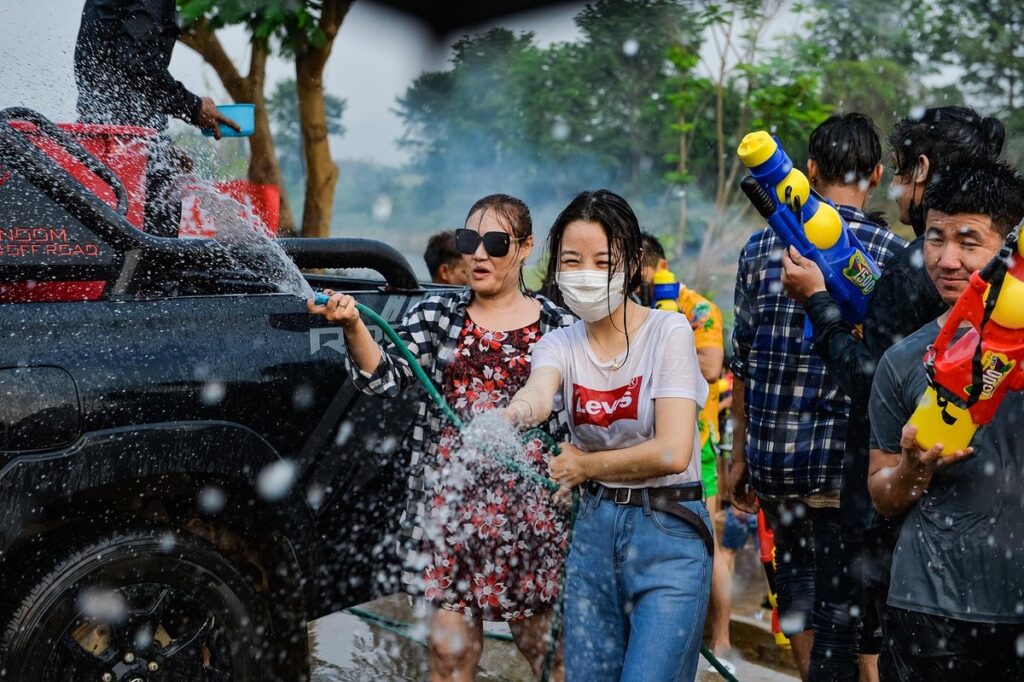
Songkran has transcended its Thai roots to become a global celebration. In Australia, for instance, Sydney’s Chinatown is known to host one of the largest Songkran festivals outside Thailand. Here, you’ll find water fights and street performances that reflect the festival’s fun-loving aspect. Conversely, in countries like Cambodia, Laos, and Myanmar, where Theravada Buddhism is prevalent, Songkran has become a solemn occasion for cleansing and renewal. In these regions, people tend to visit temples, participate in traditional ceremonies, and engage in acts of charity.
Some cultural adaptations can be attributed to climate conditions. For example, the hot and dry environment of India’s southern states inspired a modified version of Songkran called ‘Peruvanallu’. This festival takes place during the summer months when water is scarce. Similarly, in Singapore, where extreme heat poses a health risk, authorities have banned water fights altogether, opting for more environmentally friendly alternatives like foam parties. These examples demonstrate how diverse cultures not only absorb but also creatively reinterpret the essence of Songkran to suit their unique contexts and values.
Symbolism and Themes
As we continue to unravel the rich tapestry of Songkran traditions, let’s examine the deeper symbolism behind the festivities and explore how they reflect Thai culture’s core values.
Cleansing and Renewal
For many Thai people, Songkran is a time for spiritual rebirth. During the festival, families often visit temples to pay respects to their ancestors and seek blessings from monks. The water used in the celebrations serves as a symbol of cleansing and renewal – it washes away past mistakes and negative energies, allowing individuals to start anew.
In Buddhist tradition, water is considered sacred, associated with purification and spiritual growth. As part of Songkran ceremonies, people pour water over Buddha images and statues, signifying their commitment to the teachings and principles of Buddhism. This act also symbolizes the washing away of attachments and ego, key concepts in Theravada Buddhism.
In practical terms, this emphasis on renewal can be seen in how people prepare for Songkran. Many Thais take time off work or school, using the break to relax and rejuvenate at home with family. The festival’s focus on cleansing and spiritual rebirth serves as a reminder of the importance of self-reflection and introspection – encouraging individuals to let go of negative emotions and habits.
Community and Family Bonding
Songkran is more than just a water festival – it’s an opportunity for Thai families to come together and strengthen their bonds. During Songkran, families typically spend hours bathing one another with water as a symbol of cleansing and renewal. This intimate ritual fosters a sense of closeness and connection among family members, creating lifelong memories in the process.
The community aspect of Songkran is also significant, with people from all walks of life gathering to celebrate together. Neighbors become like extended family, participating in splashing ceremonies and sharing in the festivities. Even the elderly are included, as younger generations make it a point to honor their elders by gently pouring water over them as a sign of respect.
In fact, many Thai families plan their Songkran celebrations around visits from out-of-town relatives or friends. It’s not uncommon for multiple households to come together, creating large-scale splashing events that are both fun and meaningful. By embracing the communal aspect of Songkran, participants experience a deep sense of belonging and shared purpose.
Modern Challenges and Controversies
As we explore the rich traditions of Songkran, it’s essential to acknowledge the modern challenges and controversies that have emerged in recent years, sparking lively debates among festival-goers. Some critics argue that the celebration has become overly commercialized.
Environmental Impact and Waste Management
As Songkran celebrations continue to grow in popularity, environmental concerns surrounding the festival have gained attention. One major issue is water waste: millions of liters are used each year for the massive water fights and splashing ceremonies. While these activities are deeply rooted in Thai tradition and spirituality, their ecological impact cannot be ignored. In fact, many areas struggle with severe water shortages even before Songkran arrives.
Festival organizers have implemented some sustainability initiatives, such as using reclaimed water for certain events and encouraging attendees to bring reusable containers. However, more needs to be done. The sheer volume of plastic waste generated during the festival is also a pressing concern. Disposable water guns, cups, and other single-use items contribute significantly to Thailand’s already substantial plastic pollution problem.
Thais are beginning to recognize the need for change. Some festivals now offer eco-friendly alternatives to traditional plastic goods. Attendees can also take steps by choosing refillable containers and avoiding single-use plastics whenever possible.
Balancing Tradition with Progress
Preserving cultural heritage is a delicate task, especially during festivals like Songkran where tradition and modernity often intersect. In recent years, many organizers have incorporated technology into their celebrations to make them more inclusive and engaging for visitors. For instance, some temples now use social media platforms to share updates on the festival’s schedule, making it easier for tourists to plan their visit.
However, this integration of technology also raises concerns about authenticity and over-commercialization. To strike a balance between preserving tradition and embracing progress, organizers can take a thoughtful approach by incorporating innovations that enhance the overall experience while remaining respectful of cultural heritage. This might involve using digital platforms to share traditional stories, songs, or dances, rather than replacing them entirely with modern entertainment.
Ultimately, finding this balance requires sensitivity and understanding of the cultural significance of Songkran. By being mindful of the impact of modernity on tradition, organizers can create celebrations that honor the past while embracing the future.
Conclusion: The Enduring Significance of Songkran
As we conclude our exploration of Songkran’s rich cultural heritage, let’s reflect on how its enduring significance impacts Thailand’s identity and traditions.
Reflection on Cultural Preservation and Exchange
Songkran serves as a poignant reminder of the enduring importance of cultural preservation and exchange. As the festival continues to captivate audiences worldwide, it’s essential to acknowledge both its global appeal and the need for continued cultural preservation. The unique blend of traditions that define Songkran – a fusion of Buddhist rituals, ancient water ceremonies, and community bonding – has sparked a universal interest in this celebration.
This fascination is a testament to the profound impact of cross-cultural exchange on our collective appreciation of heritage. By embracing the spirit of Songkran, people from diverse backgrounds are drawn into the rich tapestry of Thai culture. Local artisans, for instance, have reported increased demand for traditional Songkran merchandise, such as intricately crafted water-pouring vessels and hand-woven ceremonial clothes.
However, this influx of international interest also raises concerns about cultural homogenization and authenticity. To mitigate these risks, it’s crucial for locals to remain engaged in the preservation and curation of Songkran traditions. This can be achieved through collaborative efforts between community leaders, local artisans, and global enthusiasts. By fostering a culture of mutual respect and appreciation, we can ensure that the essence of Songkran remains intact while continuing to inspire new generations.
Ultimately, Songkran’s success lies in its ability to transcend borders and backgrounds. As this celebration evolves, it’s essential for both locals and international visitors to prioritize cultural sensitivity and responsible exchange. By doing so, we can safeguard the integrity of this cherished tradition and allow it to continue enriching our lives with its unique blend of heritage and hospitality.
Frequently Asked Questions
Can I celebrate Songkran with water conservation in mind?
Yes, many people incorporate sustainable practices into their Songkran celebrations, such as using refillable containers and avoiding excessive water waste. Consider implementing eco-friendly habits to minimize the festival’s environmental impact.
How can I participate in Songkran if I’m not physically present in Thailand or a country with a significant Thai population?
With global recognition on the rise, many cities now host their own Songkran celebrations or events. Look for local communities or cultural organizations hosting festivities and join in to experience the spirit of the festival.
What adaptations can I make to traditional Songkran ceremonies to suit my family’s needs?
While respecting the core traditions is essential, you can tailor some aspects to accommodate your family’s preferences. For example, if you have young children, consider modifying certain rituals or incorporating games and activities that still honor the cultural significance of the festival.
Can I participate in Songkran as a solo traveler, or does it require being part of a group?
You can definitely experience Songkran on your own; many people travel alone to immerse themselves in local cultures. Just be mindful of local customs and traditions, especially when interacting with locals or participating in ceremonies.
How do I balance the need for water conservation with the importance of cultural preservation during Songkran celebrations?
It’s possible to find a balance between respecting traditional practices and being environmentally conscious. Consider working with your community or organizing group efforts to implement sustainable solutions that still honor the festival’s cultural heritage.