
France is renowned for its rich cultural heritage, which spans centuries and encompasses everything from art and architecture to cuisine and fashion. You might be familiar with the iconic landmarks like the Eiffel Tower or Notre-Dame Cathedral, but there’s more to French culture than just these tourist attractions. The country has a unique identity that’s shaped by its history, geography, and the values of its people. From the grandeur of the Palace of Versailles to the quirky charm of Montmartre, every corner of France has a story to tell about its culture. In this article, we’ll explore what makes French culture so fascinating and distinct from other countries. We’ll examine how historical events have influenced modern-day trends and traditions, as well as the everyday aspects that contribute to the country’s distinctive identity. By the end of this article, you’ll have a deeper understanding of France’s cultural landscape.
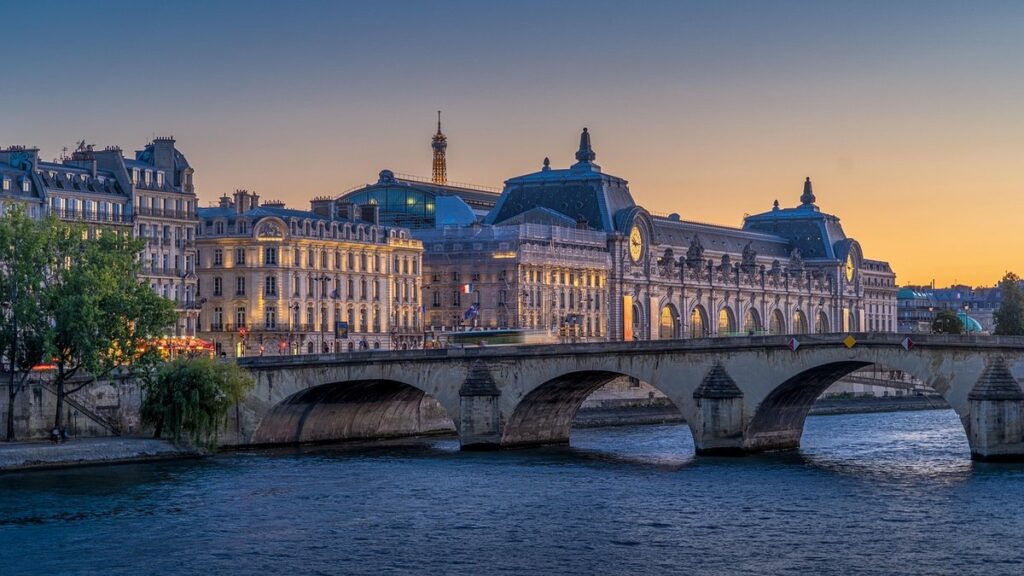
The Importance of Culture in France
French culture is rich and complex, shaped by its history, art, literature, and everyday life. We’ll explore how these elements contribute to the country’s unique identity and charm.
The Role of Culture in Shaping National Identity
France’s national identity is deeply rooted in its cultural heritage. Cultural norms, values, and traditions play a significant role in defining what it means to be French. The country’s unique blend of history, art, literature, and cuisine contributes to its distinctiveness on the world stage. For instance, the concept of “joie de vivre” – a carefree attitude towards life – is deeply ingrained in French culture and is often cited as one of the key characteristics that sets France apart from other nations.
The emphasis on high culture, such as fine art, music, and literature, also shapes the French identity. The country’s rich cultural heritage is evident in its museums, galleries, and historic landmarks like the Louvre and Notre-Dame Cathedral. Moreover, the French language itself is a vital component of national identity, with its unique grammar, vocabulary, and pronunciation setting it apart from other languages.
To truly understand the French identity, one must appreciate these cultural nuances and traditions. Visitors can immerse themselves in local customs by attending festivals like Bastille Day or participating in traditional markets like the Marché aux Puces de Saint-Ouen. By embracing these cultural aspects, tourists can gain a deeper understanding of what makes France so unique.
Cultural Influences on French Society
The influence of historical events on modern French society is still palpable. The French Revolution’s emphasis on liberty, equality, and fraternity laid the groundwork for a culture that values individual freedom and social justice. However, it also created a legacy of class divisions and economic disparities that continue to affect French society today.
Migration patterns have also played a significant role in shaping modern France. Waves of immigration from North Africa and other parts of Europe have contributed to the country’s cultural diversity, but they have also raised questions about identity and belonging. The concept of “laïcité” (secularism) has been challenged by the presence of Muslim communities in urban areas.
France’s global connections have further influenced its culture. As a former colonial power, France has maintained strong ties with countries in Africa and Southeast Asia, which is reflected in its cuisine, music, and art. The country’s involvement in European integration has also led to increased cultural exchange with other European nations. These external influences have contributed to the complexity of modern French identity, making it difficult to pinpoint a single defining characteristic.
French Cultural Heritage: History and Traditions
French culture is rich in history, from medieval chateaux to iconic landmarks like the Eiffel Tower. We’ll explore some of its most enduring traditions next.
The Legacy of the French Enlightenment
The ideas of liberté, égalité, fraternité, which emerged during the French Enlightenment, continue to shape modern French culture. The thinkers of this era, such as Rousseau and Voltaire, argued that individuals should be free from arbitrary authority, equal under the law, and united in their pursuit of liberty. These ideals have had a lasting impact on French society, influencing everything from politics to art.
Today, you can see the legacy of the Enlightenment in France’s emphasis on individual rights, equality before the law, and social solidarity. The country’s strong tradition of secularism is another direct result of this intellectual movement. For example, the separation of church and state has been a cornerstone of French law since 1905.
The influence of the Enlightenment can also be seen in France’s artistic and literary heritage. Many famous works of art, such as Delacroix’s “Liberty Leading the People,” reflect the era’s values. When visiting museums or reading about French history, pay attention to how often these themes are revisited, as they continue to shape modern French identity.
In fact, liberté, égalité, fraternité are still proudly displayed on the Eiffel Tower and other public monuments in France, serving as a reminder of the country’s ongoing commitment to these ideals.
Traditional Festivals and Celebrations in France
Bastille Day, celebrated on July 14th, is a significant national holiday in France. The day commemorates the storming of the Bastille prison in Paris, marking the beginning of the French Revolution. Fireworks displays and military parades are common features of this celebration. The Fête de la Musique, held on June 21st, is another popular festival that brings music to the streets across France. On this day, amateur musicians take to public spaces to play their instruments, creating a lively atmosphere.
The Cannes Film Festival, a prestigious international film event, takes place in May every year. This glamorous celebration attracts A-list celebrities and industry professionals from around the world. While not exclusively French in nature, it has become an integral part of the country’s cultural calendar. Visitors can attend screenings, attend red-carpet events, or simply soak up the festival atmosphere along the famous Croisette promenade.
In addition to these high-profile festivals, many smaller towns and villages throughout France celebrate their own unique traditions and holidays. These local celebrations often reflect the region’s history and culture, providing a glimpse into rural French life.
The Arts in French Culture: Music, Dance, Literature, and Visual Arts
French culture is renowned for its rich artistic heritage, from the iconic opera houses to the avant-garde literary movements that have shaped the nation’s identity. We’ll delve into each of these art forms and their unique contributions to French culture.
Music in France: From Classical to Modern Styles
France’s rich musical heritage is a testament to its diverse cultural identity. The country has produced some of the most influential classical composers of all time, including Claude Debussy, Maurice Ravel, and Erik Satie. Their works, characterized by innovation and experimentation, continue to shape the classical music landscape. Debussy’s impressionist style, for instance, paved the way for modern musical expression.
However, French music extends far beyond its classical roots. Modern styles such as hip-hop and electronic music have gained immense popularity in France, with artists like Kavinsky and M83 gaining international recognition. The country’s vibrant music scene is also influenced by its African and Caribbean diaspora, resulting in unique fusion sounds.
From the traditional folk music of Brittany to the contemporary urban rhythms of Paris, France’s musical diversity is a reflection of its complex cultural history. Music festivals like Rock en Seine and Francofolies showcase the country’s eclectic tastes, while clubs and bars in cities like Lyon and Bordeaux provide platforms for emerging artists. For visitors, exploring France’s rich musical heritage can be as simple as attending a live performance or visiting a local music venue.
French Dance: From Ballet to Contemporary Styles
France is renowned for its rich dance heritage, encompassing a wide range of traditional and contemporary styles. At the heart of French dance lies ballet, with its precise movements and elegant gestures. The country’s opera houses continue to showcase classical ballets like Swan Lake and Giselle, while also hosting more experimental productions that blend dance with music and theater.
Beyond ballet, France has given rise to various folk dances, such as the lively Tarantella from Provence or the soft-footed Galop from Brittany. These traditional styles are often performed during regional festivals and celebrations, like the Bastille Day festivities in Paris. More contemporary forms of French dance have also emerged, including hip-hop and street dance. The city of Marseille, for example, has a thriving breakdancing scene, with local crews and dancers pushing the boundaries of this urban art form.
Some notable dance companies, such as Compagnie Käfig and les petits chanteurs de Saint-Firmin, are keeping traditional French dance alive while innovating new styles. These companies often collaborate with contemporary musicians and artists to create unique performances that blend different artistic disciplines.
Cuisine and Food Culture in France
French cuisine is renowned for its rich flavors, intricate preparations, and exquisite presentation, reflecting the country’s deep appreciation for fine dining. From buttery croissants to Coq au Vin, every dish tells a story about French culture and tradition.
The Significance of Food in French Culture
Food plays a vital role in French culture, deeply intertwined with identity, community, and national pride. For many French people, meals are not just about sustenance but an opportunity to connect with others and express their cultural heritage. The phrase “joie de vivre” – the joy of living – is often linked to the pleasure of sharing a meal with family and friends.
French cuisine is renowned for its rich flavors, intricate preparations, and exquisite presentation. However, it’s not just about the food itself but also about the experience: lingering over a leisurely lunch, savoring a crusty baguette with cheese and wine, or indulging in a decadent croissant at a charming patisserie. These moments are cherished as a way to slow down, appreciate the simple things, and reconnect with others.
The significance of food in French culture is also reflected in its regional diversity. Each region boasts its unique specialties, ingredients, and cooking techniques, which have been passed down through generations. Exploring these local culinary traditions can be a fascinating experience for visitors and locals alike, offering insights into the country’s rich cultural history and geographical identity. By embracing food as an integral part of French culture, one can gain a deeper understanding of its values and way of life.
Traditional French Cuisine: Ingredients, Dishes, and Regions
French cuisine is renowned for its rich flavors, intricate preparations, and regional diversity. When exploring traditional French dishes, it’s essential to recognize the influence of ingredients and geographical location on their creation. Coq au Vin, a classic dish from the Burgundy region, showcases the harmony between red wine, mushrooms, onions, and chicken in a slow-cooked stew. Bouillabaisse, a fish soup originating from Marseille, highlights the importance of fresh seafood and aromatic spices in Mediterranean cuisine.
Cassoulet, a hearty casserole from Languedoc-Roussillon, demonstrates the significance of beans, meat, and slow cooking in southern French cuisine. These iconic dishes often feature locally sourced ingredients, such as cheese, charcuterie, or game meats, which are integral to their flavor profiles. When attempting to recreate these traditional recipes at home, it’s crucial to use authentic ingredients and follow established techniques.
Regional specialties like Ratatouille from Provence, Quiche Lorraine from the Loire Valley, and Tarte Tatin from Normandy further illustrate the diversity of French cuisine. By understanding the ingredients, cooking methods, and cultural context behind these beloved dishes, visitors can better appreciate the complexities and nuances of traditional French cuisine.
Modern French Culture: Trends and Challenges
Modern France is a country of rich history, but also one of rapid change, where traditional values coexist with emerging trends. From fashion to social issues, we’ll examine these shifts up close.
The Impact of Globalization on French Culture
Globalization has profoundly impacted modern French culture, bringing both benefits and challenges. Social media has become an integral part of daily life, with platforms like Instagram and Facebook shaping cultural trends and influencing consumer behavior. The rise of e-commerce has also changed the way people shop, with online marketplaces offering a wider range of products than traditional high streets.
International migration patterns have contributed to the diversification of French culture, as individuals from various backgrounds bring their traditions and customs with them. According to estimates, around 15% of France’s population is foreign-born, which has led to the emergence of new cultural practices and festivals celebrating diversity. However, this influx of international influences has also raised concerns about the erosion of traditional French identity.
The increasing influence of American culture through streaming services like Netflix and social media platforms has sparked debates about the homogenization of French culture. To navigate these changes, it’s essential to understand the complex interplay between globalization and cultural identity. By acknowledging both the benefits and challenges of global connectivity, individuals can appreciate the richness of modern French culture while preserving its unique heritage.
Contemporary Art and Design in France
French contemporary art and design have become a significant aspect of the country’s cultural identity. In cities like Paris, Lyon, and Marseille, vibrant street art scenes have emerged, with many artists using public spaces as their canvas. The work of French street artists like Shepard Fairey, Invader, and Blek le Rat has gained international recognition, showcasing the city’s edgy and creative side.
The fashion industry is another area where French designers are making a mark. Luxury brands like Chanel, Dior, and Louis Vuitton continue to influence global style, while smaller labels like Isabel Marant and Saint Laurent have gained popularity among younger generations. The French concept of “je ne sais quoi” – an indefinable charm that sets the country apart – is reflected in the attention to detail and craftsmanship that defines French fashion.
In architecture, France’s rich history is often blended with modern design elements, resulting in innovative buildings like the Pompidou Center in Paris or the Musée des Arts Décoratifs’ sleek, curved facade. These examples demonstrate how contemporary art and design in France are not only pushing boundaries but also honoring the country’s cultural heritage.
Frequently Asked Questions
What can I do to experience French culture firsthand?
Experience French culture by visiting France and immersing yourself in its customs, traditions, and way of life. Attend local festivals and events, try regional cuisine, visit museums and art galleries, and engage with the locals to gain a deeper understanding of French culture.
How can I incorporate French cultural values into my own life?
Incorporate French cultural values such as liberté, égalité, fraternité into your life by prioritizing individual freedom, promoting social equality, and fostering a sense of community. Practice mindfulness, engage in volunteer work, and appreciate the beauty of simplicity to adopt a more French-inspired lifestyle.
What are some common mistakes to avoid when learning about French culture?
Avoid making assumptions about French culture based on stereotypes or limited exposure. Be respectful of cultural differences and nuances, and don’t assume that French people are all alike. Approach cultural learning with an open mind and a willingness to learn from others.
Can I use elements of French culture in my own artistic expression?
Yes, you can use elements of French culture as inspiration for your own artistic expression. Draw on the rich history of French art, music, and literature to create something unique and innovative. Combine traditional techniques with modern styles to produce a fusion that reflects your own cultural identity.
How do I know if I’m truly understanding and appreciating French culture?
You’ll know you’re truly understanding and appreciating French culture when you can appreciate its complexities and nuances, rather than just superficially adopting its stereotypes or trends. Engage in ongoing learning and self-reflection to deepen your understanding of French culture and its role in shaping the world around us.

