
French culture is more than just a phrase; it’s an experience that permeates every aspect of daily life. From the moment you step into a charming bistro, where the aroma of freshly baked croissants and rich coffee fills the air, to strolling along the Seine, surrounded by iconic art and history, France’s rich heritage is undeniable. The language itself is a vital part of this culture, with its melodic cadence and nuances that convey not just meaning but emotion. But what makes French culture so unique? How does it shape the way people live their lives, from the simple pleasures to the grand traditions? In this article, you’ll discover how French culture influences everything from art and history to language and cuisine, and learn expert insights and practical tips to help you appreciate and even participate in this rich cultural heritage. By the end of this journey, you’ll have a deeper understanding of what it means to be part of French culture.
The Importance of Culture in France
French culture is deeply rooted in its rich history and traditions, shaping every aspect of daily life from art to cuisine. As you navigate French customs, understanding their cultural significance is key to a deeper connection.
Defining French Culture
French culture is a complex and multifaceted entity shaped by various historical, social, and economic factors. At its core, French identity is deeply rooted in the country’s rich history, from the Roman Empire to the Renaissance and beyond. The legacy of these periods can be seen in France’s stunning architecture, exquisite art, and world-renowned cuisine.
Another significant influence on French culture is the nation’s social structure. The concept of “joie de vivre” – a deep appreciation for life and its pleasures – is deeply ingrained in French society. This emphasis on enjoying life’s simple moments can be observed in France’s vibrant café culture, where people gather to savor good food and wine.
Economic factors also play a crucial role in shaping French culture. The country’s strong economy, based on services and industry, has allowed for a high standard of living and access to education and cultural institutions. This has enabled the French to prioritize intellectual pursuits, artistic expression, and social equality. As a result, France is home to some of the world’s most renowned museums, theaters, and universities.
Cultural Influences on Daily Life
French culture is woven into the fabric of daily life, influencing everything from the way people interact to the food they eat. Language plays a significant role, with nuances of accent and vocabulary reflecting regional and social differences. For instance, the informal “tu” form of address is commonly used among friends and family in casual settings, while the more formal “vous” is reserved for strangers or in professional contexts.
Food also holds great cultural significance, with mealtimes often being seen as opportunities to connect with others rather than just fuel the body. The concept of “joie de vivre,” or the joy of living, is deeply tied to French cuisine, which emphasizes enjoying each moment and savoring flavors. This mindset is reflected in the traditional Sunday lunch, a cherished institution where families gather to share a leisurely meal together.
In addition to language and food, art and fashion also play important roles in shaping daily life. The influence of French culture can be seen in everything from haute couture designs to contemporary street art. The Louvre Museum’s famous Mona Lisa is just one example of the country’s rich artistic heritage, while the iconic Eiffel Tower has become a symbol of Parisian elegance and sophistication.
History and Traditions
French culture is deeply rooted in its rich history, with traditions that have been passed down through generations. Let’s explore some of these timeless customs that continue to shape the French identity today.
The Evolution of French Culture over Time
The Renaissance and the Enlightenment had a profound impact on French culture, as thinkers like Descartes and Rousseau contributed to the emergence of a distinct cultural identity. Their ideas about humanism, reason, and individual rights helped shape the country’s intellectual and artistic landscape. The French Revolution further accelerated this transformation by promoting the values of liberté, égalité, fraternité and challenging traditional social hierarchies.
The 19th century saw the rise of Romanticism in France, which celebrated emotion, imagination, and national identity. Artists like Eugène Delacroix and Théodore Géricault explored themes of liberty, morality, and beauty, reflecting the country’s ongoing struggle for self-definition. The Belle Époque that followed brought a renewed focus on luxury, elegance, and refinement, exemplified in the works of Impressionist painters like Claude Monet.
These cultural shifts were not isolated events but interconnected processes that cumulatively shaped French culture over time. To appreciate the complexities of modern French identity, consider how these historical periods have influenced contemporary values and practices.
Cultural Traditions and Celebrations
France’s cultural calendar is filled with vibrant festivals and celebrations that showcase the country’s rich heritage. One of the most iconic events is Bastille Day, commemorating the storming of the Bastille on July 14, 1789. This national holiday is celebrated with military parades, fireworks, and street parties across the country. In contrast, the Cannes Film Festival brings together international film industry professionals to celebrate cinematic achievements.
The Cannes Film Festival’s emphasis on artistic expression highlights the significance of creative pursuits in French culture. These events not only promote cultural exchange but also provide opportunities for artists and performers to showcase their talents. For example, the Festival d’Avignon, a theater festival held annually in Avignon, offers a platform for both established and emerging artists.
French festivals often blend entertainment with cultural immersion, allowing visitors to experience the country’s unique customs and traditions firsthand. By attending these events, you can gain a deeper understanding of French culture and appreciate its rich history. When planning your visit, consider timing your trip around one of these celebrations to experience the country’s vibrant atmosphere and cultural heritage up close.
Language and Communication
Mastering French language is a crucial step in understanding its rich culture, allowing you to engage with locals more effectively and appreciate their customs. This section will explore the nuances of communication that are essential for building meaningful relationships in France.
The Role of Language in French Culture
Language is deeply ingrained in French culture and plays a vital role in shaping French identity. The official language of France, known as French, is spoken by the vast majority of the population, while regional dialects such as Occitan and Breton are also recognized and respected. Slang, or argot, is another important aspect of French communication, with different regions having their own unique expressions and idioms.
In everyday life, language influences social interactions, business transactions, and even romance. For instance, when asking for directions in France, you’re more likely to receive a detailed explanation of the best route rather than just a simple answer. This is because language is often tied to cultural identity, and speaking French is seen as an essential part of being French.
When interacting with locals, it’s essential to be mindful of regional dialects and slang to avoid misunderstandings or unintentionally offending someone. A good starting point is to learn basic phrases such as bonjour (hello), merci (thank you), and excusez-moi (excuse me). As you become more comfortable, try incorporating regional expressions into your conversations to show respect for local cultures and traditions.
Effective Communication in France
Effective communication is a delicate art in France, where directness and tact often walk a fine line. In everyday interactions, French people tend to be reserved and formal, especially with strangers or those they don’t know well. A warm smile and a firm handshake are standard greetings, but avoid overly effusive or loud displays of affection, which can come across as insincere.
To build rapport, use polite language and respect personal space. Avoid direct questions about someone’s private life or family, unless explicitly invited to do so. French people value their independence, and prying into others’ business is considered impolite. When engaging in conversation, be prepared to listen actively and respond thoughtfully, often with a nod or a brief phrase.
Some key phrases to keep in mind include “Bonjour” (hello), “Merci” (thank you), and “Pouvez-vous m’aider?” (can you help me?). Don’t be afraid to ask for clarification if you don’t understand something. In France, being clear and direct is valued over beating around the bush or using overly complex language. By adapting your communication style to these cultural norms, you’ll be better equipped to navigate everyday interactions with locals and build stronger relationships.
Cuisine and Gastronomy
French cuisine is renowned for its rich flavors, intricate preparations, and exquisite presentation, reflecting the country’s deep appreciation for culinary art. From haute cuisine to regional specialties, we’ll explore the essence of French gastronomy.
The Significance of Food in French Culture
Food is an integral part of French identity, and its significance extends far beyond sustenance. The concept of joie de vivre – the joy of living – is deeply tied to the pleasure of eating and sharing meals with others. This cultural emphasis on food is rooted in the country’s rich culinary history, which has been shaped by centuries of regional influences.
From the elegant pastries of Parisian patisseries to the hearty stews of rural Provence, French cuisine is characterized by its diversity and attention to detail. Mealtimes are often seen as opportunities for social bonding and relaxation, with family gatherings and business lunches playing a significant role in daily life. The art of cooking and presenting food is highly valued, and many French people take great pride in their culinary skills.
To appreciate the significance of food in French culture, consider attending a traditional dinner at a local restaurant or trying your hand at preparing a classic dish like coq au vin or bouillabaisse. By doing so, you’ll gain insight into the country’s rich gastronomic heritage and its impact on daily life.
Regional Specialties and Dishes
French cuisine is renowned for its rich regional diversity, with each area boasting unique flavors and specialties. In Provence, you’ll find dishes like ratatouille, a hearty vegetable stew originating from Nice, and bouillabaisse, a fish soup from Marseille. The region’s emphasis on fresh vegetables, olive oil, and herbs is reflected in its cuisine.
In Alsace, the influence of Germanic culture is evident in dishes such as tarte flambée (a thin-crusted pizza-like tart) and baeckeoffe (a meat pie). These hearty, comforting meals are typically served with a side of potatoes or bread. Alsace’s unique blend of French and German traditions is also reflected in its use of ingredients like bacon and onions.
Brittany, known for its rugged coastline and Celtic heritage, offers a distinct culinary experience. Try a traditional crepe filled with sweet or savory fillings, or indulge in a warm galette (a type of pancake) served with butter and sugar. The region’s emphasis on seafood is also reflected in dishes like mussels cooked in white wine and cream.
When exploring French cuisine, it’s essential to experience the regional specialties that each area has to offer. By sampling these iconic dishes, you’ll gain a deeper understanding of France’s rich cultural heritage and culinary diversity.
Art, Architecture, and Design
French art is characterized by its elegance, sophistication, and rich history, while iconic buildings showcase the country’s unique architectural style. From the Louvre to Notre-Dame, these masterpieces are a testament to French ingenuity.
The Impact of French Culture on Artistic Expression
French culture has had a profound impact on artistic expression throughout history. One of the most notable art movements to emerge from France is Impressionism, characterized by its emphasis on capturing light and color. Claude Monet’s famous painting “Impression, Sunrise” (1872) is often credited with giving the movement its name. The Impressionists’ focus on everyday life and natural scenery reflects French culture’s emphasis on la vie en rose – the beauty of everyday life.
Another influential art movement to come out of France is Cubism, pioneered by Pablo Picasso and Georges Braque. This style, which breaks objects into geometric forms, was a radical departure from traditional representation. The Cubists’ use of fragmented forms and multiple perspectives reflects French culture’s appreciation for intellectualism and the avant-garde.
In addition to these movements, French culture has also influenced artistic expression through its iconic landmarks and architectural styles. From the grandeur of the Palace of Versailles to the elegance of Notre-Dame Cathedral, France’s built environment is a testament to its rich cultural heritage. As you explore the art scene in France, keep an eye out for these influences – they’re woven into the very fabric of artistic expression.
Iconic Landmarks and Architectural Styles
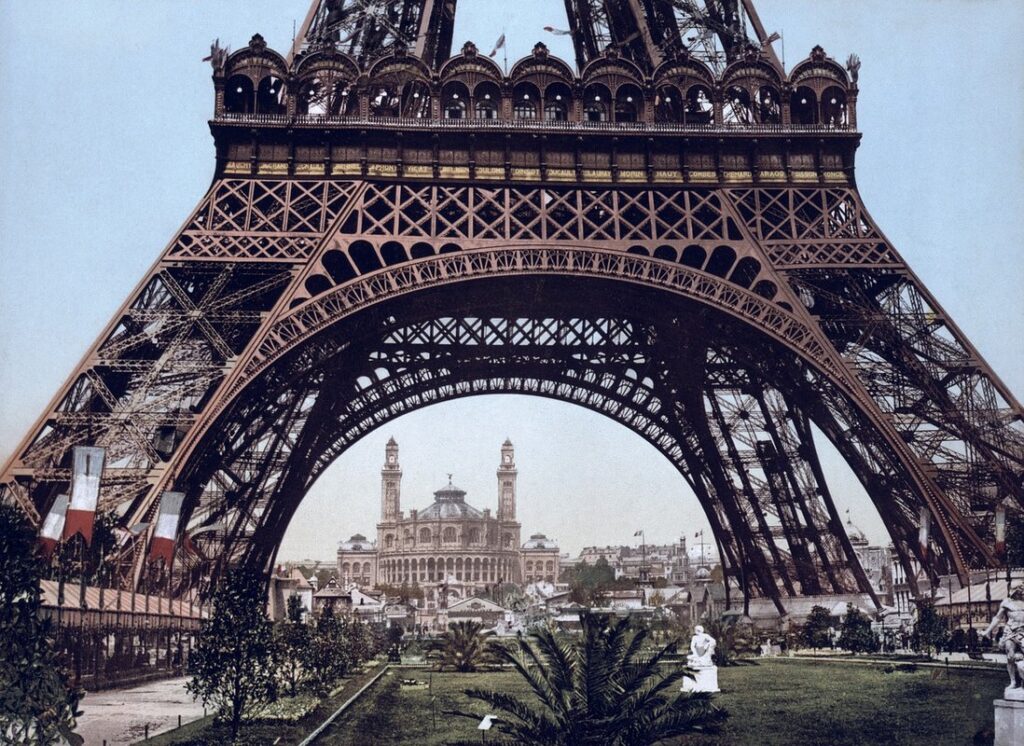
France’s architectural landscape is a testament to its rich cultural heritage. The Eiffel Tower, an instantly recognizable icon, embodies the spirit of innovation and progress that defined late 19th-century Paris. Its intricate latticework and vertical lines reflect the era’s fascination with industrialization and technological advancements.
Notre-Dame Cathedral, on the other hand, represents a mastery of Gothic architecture, its soaring vaults and ribbed arches creating an airy, ethereal atmosphere within its grand halls. Constructed in the 12th century, this masterpiece demonstrates the enduring influence of medieval artistic traditions.
The Louvre Museum, once a royal palace, now houses some of the world’s most celebrated art treasures. Its imposing façade, replete with ornate stonework and rusticated columns, speaks to the grandeur of French Renaissance architecture. The museum’s distinctive glass pyramid entrance, designed by I.M. Pei in 1989, introduces a modern element that harmoniously integrates with the historic surroundings.
These iconic landmarks demonstrate the evolution of architectural styles in France, reflecting various periods and artistic movements. Understanding their historical context enriches one’s appreciation for French culture, encouraging visitors to delve deeper into the country’s storied past.
Education and Values
French education places a strong emphasis on developing well-rounded individuals who value intellectual curiosity, respect for tradition, and a sense of civic responsibility. You’ll see how these values shape the country’s approach to learning.
The Importance of Education in French Culture
The education system in France is highly valued and plays a crucial role in shaping individuals within the culture. From a young age, children are taught to emphasize equality and meritocracy, which are core values that permeate every aspect of French society. The French education system is based on the principle of “égalité” (equality), where students from different backgrounds and socioeconomic statuses have equal access to quality education.
The French emphasis on education is reflected in its rigorous academic programs, with a strong focus on critical thinking, problem-solving, and creativity. Students are encouraged to explore various subjects, including art, music, and physical education, which helps develop their overall cognitive abilities. The system also places great importance on individualized attention, with smaller class sizes and more personalized learning approaches.
This emphasis on education has contributed significantly to France’s high literacy rates and academic achievements. However, it also creates a competitive environment where students are under pressure to perform well academically. To thrive in this system, parents and educators must strike a balance between encouraging individuality and promoting social cohesion.
Core Values and Social Norms
French culture is deeply rooted in a sense of community and social harmony. The concept of “joie de vivre” – the joy of living – is a fundamental aspect of French identity, emphasizing the importance of pleasure and happiness in everyday life. This attitude is reflected in the way people interact with one another, often prioritizing leisure activities and enjoying good food, wine, and company.
In France, social norms dictate that personal relationships are highly valued. Neighbors and colleagues may be close friends, and family ties are often strong. Respect for elders and tradition is also deeply ingrained, particularly during holidays and special occasions when families come together to celebrate.
To navigate these social norms effectively, visitors can start by being mindful of physical touch – a hug or kiss on each cheek is a common greeting among friends and acquaintances. When interacting with strangers, using formal titles (such as “Monsieur” or “Madame”) until explicitly invited to use first names is also important.
Key aspects of French core values include:
- Respect for tradition and history
- Emphasis on community and social harmony
- Prioritization of pleasure and happiness in everyday life
- Strong family ties and respect for elders
Challenges and Opportunities
As you delve deeper into understanding French culture, it’s essential to acknowledge the complexities that come with embracing a new way of life. This is where challenges and opportunities intersect in fascinating ways for expats and Francophiles alike.
Contemporary Issues Facing French Culture
French culture faces several contemporary issues that threaten its unique identity. One significant challenge is cultural homogenization, where globalized influences and consumerism erode traditional practices. For instance, French cuisine has been criticized for incorporating international flavors and ingredients, losing some of its original character. Economic pressures also play a role, as the country struggles to maintain its high standard of living amidst budget cuts and financial constraints.
The effects of cultural homogenization can be seen in various aspects of French culture. For example, traditional folk music and dance are often replaced by more contemporary styles, leading to a loss of cultural heritage. Additionally, the increasing popularity of international fast food chains threatens the livelihoods of local boulangeries and patisseries.
To preserve its unique cultural identity, France is taking steps to promote and support its artisans and small businesses. The government has implemented initiatives to encourage the use of traditional materials and techniques in manufacturing and craftsmanship. By embracing its rich cultural heritage, French culture can continue to thrive despite these challenges.
Future Prospects for French Culture
France’s rich cultural heritage is poised to continue influencing the world stage. One area of growth lies in the preservation and promotion of intangible cultural heritage, such as traditional music and dance. The French government has launched initiatives to support artisans and craftspeople, ensuring that ancient techniques like glassblowing and woodcarving are passed down through generations.
The rise of digital platforms also presents opportunities for French culture to reach a broader audience. Online exhibitions and virtual tours of museums and landmarks can make cultural experiences more accessible to people worldwide. Additionally, social media campaigns have successfully revitalized interest in lesser-known aspects of French culture, such as its vibrant street art scene.
Another area of potential growth is the integration of French culture with other global influences. The country’s cuisine, for instance, has already incorporated elements from African and Asian cultures, resulting in innovative fusion dishes. As the world becomes increasingly interconnected, we can expect to see even more creative blends of French traditions and international flavors.
Frequently Asked Questions
Can I apply French cultural values to my own life?
Yes. While it’s ideal to immerse yourself in the culture by living or visiting France, you can still integrate some of its core values into your daily routine. Focus on embracing “joie de vivre” (the joy of living) by prioritizing experiences over material possessions and cultivating a sense of community.
How do I navigate cultural differences in communication effectively when interacting with the French?
To communicate effectively in France, it’s essential to be mindful of nonverbal cues and tone. Be prepared for direct and sometimes blunt interactions, but also be open to humor and wit. Practice active listening and avoid interrupting, as this can be seen as rude.
What if I’m struggling to learn the nuances of French language and culture?
Don’t worry if you’re not a natural linguist or cultural expert. Learning any new language takes time, and it’s normal to make mistakes. Focus on building relationships with locals who can guide you through cultural nuances and correct your language errors.
Can I use the French education system as a model for my own educational initiatives?
The French education system is highly regarded for its emphasis on equality and meritocracy. You can adapt some of these principles, such as focusing on accessible education and promoting critical thinking skills, to create more inclusive learning environments in your community or organization.
Is it true that French culture is becoming increasingly homogenized due to globalization?
Yes. Like many cultures around the world, French culture is facing challenges related to globalization, including cultural homogenization and economic pressures. Efforts are being made to preserve traditional practices and promote regional diversity, but it’s a complex issue with no easy solutions.

