French culture has long been renowned for its rich heritage and unique blend of traditions, influencing art, cuisine, language, education, and social structure. From the grandeur of Versailles to the modern-day struggles of French society, there’s more to this complex culture than meets the eye. For many, France is synonymous with elegance, sophistication, and joie de vivre – yet beneath its polished exterior lies a rich tapestry of historical roots, cultural norms, and social nuances. As you explore the intricacies of French culture, you’ll discover how it continues to inspire the world, from the romanticism of Claude Monet’s Impressionist masterpieces to the culinary innovations of modern-day chefs. In this article, we’ll delve into the key aspects of French culture, examining its historical development, modern-day issues, and what makes it so enduringly fascinating. By the end of this journey, you’ll have a deeper understanding of the factors that shape French society and culture.
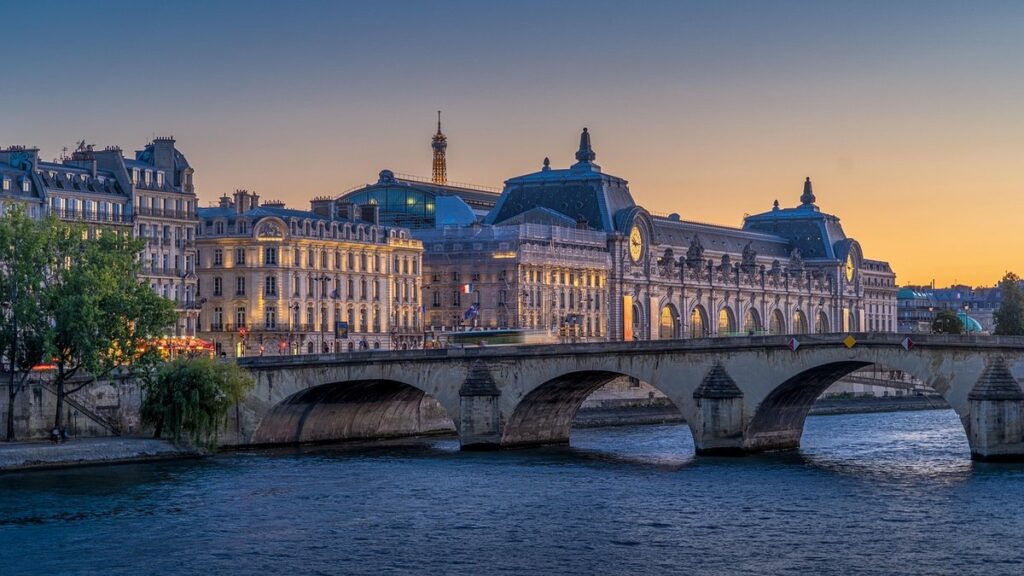
Understanding French Heritage
French heritage is deeply rooted in its rich history, art, and architecture, which have been shaped by centuries of royal patronage, colonial influence, and cultural exchange. Let’s explore how these factors have come together to create a unique cultural identity.
Origins and Influences
French culture’s unique identity is a result of its rich and complex history. The Celts, who inhabited the region from around 500 BCE, left an indelible mark on French heritage. Their love for nature, music, and storytelling can still be seen in traditional festivals like the Fête des Lumières in Lyon. However, it was the Romans who introduced their own language, architecture, and governance systems, which significantly shaped the country’s development.
The European influences that have had a lasting impact on French culture include the Germanic tribes of the 5th century CE and the Viking invasions of the 9th century. These events contributed to the blending of languages, customs, and traditions that has become characteristic of French identity. The Catholic Church also played a significant role in shaping French culture, particularly during the Middle Ages.
One notable example of the interplay between Celtic and Roman influences is the Gallic architecture seen in the ancient city of Bibracte. This blend of styles demonstrates how different cultures can coexist and contribute to the development of a unique cultural identity. By understanding these historical roots, you can appreciate the complex tapestry that makes up French culture today.
Folk Traditions and Customs
French festivals and celebrations are deeply ingrained in the country’s heritage. One of the most iconic is Bastille Day, held on July 14th to commemorate the Storming of the Bastille, a pivotal event in the French Revolution. The day is marked with military parades, fireworks, and street parties across the country.
Another popular celebration is the Fête de la Musique, which takes place on June 21st. This festival encourages music-making at all levels, from professional performances to impromptu street concerts. You might catch a glimpse of amateur musicians playing in Paris’s Champs-Élysées or in smaller towns across France.
In addition to these large-scale events, there are many traditional customs that are still observed today. For example, the French tradition of giving flowers and chocolates as gifts is rooted in 19th-century courtly love. Today, this romantic gesture remains a popular way to express affection on Valentine’s Day or simply as a thoughtful surprise.
These celebrations and customs offer a glimpse into France’s rich cultural heritage and its enduring spirit.
Cuisine: A Reflection of French Culture
French cuisine is a vibrant reflection of its rich cultural heritage, shaped by history, geography, and the country’s passionate love for good food. From hearty stews to delicate pastries, every dish tells a story of French tradition.
Ingredients and Staples
Fresh ingredients are the foundation of French cuisine, with a focus on seasonal produce, artisanal cheeses, and high-quality meats. Cheese, in particular, plays a starring role, with iconic varieties like Camembert, Roquefort, and Brie gracing menus throughout the country. Bread is another staple, often served as a side or used to mop up sauces. Wine, of course, accompanies most meals, from crisp whites to full-bodied reds.
Regional specialties showcase the diversity of French cuisine. In southern France, escargots are a beloved delicacy, typically cooked in garlic butter and parsley. Ratatouille, a hearty vegetable stew originating from Provence, is another classic dish that highlights the region’s bounty. When exploring French markets or cooking at home, look for these ingredients to experience authentic flavors.
To incorporate these staples into your own cooking, consider visiting local farmers’ markets or butchers to source fresh produce and meats. Experiment with different cheeses and breads, such as baguette or rustic sourdough, to find the perfect pairing for your meals. When it comes to wine, don’t be intimidated – start by trying a few glasses at a French bistro or restaurant to develop your palate. With an emphasis on quality ingredients and regional specialties, you’ll soon discover why French cuisine is renowned worldwide.
Iconic Dishes and Their Significance
Coq au Vin, Bouillabaisse, and Tarte Tatin are more than just iconic French dishes – they hold a deep significance within the country’s culture and history. Coq au Vin, for instance, is a classic dish from the Burgundy region that originated as a peasant food made with tough chicken cooked in red wine. Its richness and flavor reflect the resourcefulness of French cuisine during times of economic hardship.
Bouillabaisse, on the other hand, is a hearty fish stew born out of the port city of Marseille’s diverse culinary influences. This dish showcases the Mediterranean diet’s emphasis on fresh seafood and aromatics, which has been shaped by the region’s historical trade routes.
Tarte Tatin, a caramelized apple tart, epitomizes French pastry-making techniques. Its inverted presentation is a testament to the country’s tradition of reversing expectations in art and design. These iconic dishes not only reflect France’s regional diversity but also its ability to transform humble ingredients into exquisite culinary experiences.
Art and Architecture: A Window into French Soul
French art and architecture are more than just beautiful buildings and masterpieces – they’re a reflection of the country’s rich history, values, and joie de vivre. Let’s take a closer look at how they reveal the French soul.
Renaissance and Baroque Masterpieces
French art and architecture are renowned for their beauty and sophistication, reflecting the country’s rich cultural heritage. Notable works by artists like Claude Monet, Pierre-Auguste Renoir, and Gustave Eiffel exemplify French artistic excellence.
Monet’s Impressionist paintings, such as “Impression, Sunrise,” capture the fleeting effects of light on water and sky, while Renoir’s portraits, like “Dance at Le Moulin de la Galette,” convey a sense of joy and freedom. These artists’ innovative styles and techniques not only influenced European art but also paved the way for modern movements.
Gustave Eiffel’s iconic iron latticework structures, including the Eiffel Tower itself, showcase French engineering prowess. Completed in 1889 for the World’s Fair in Paris, the tower became a symbol of French innovation and ambition. Its intricate design not only demonstrated the country’s technical expertise but also served as a testament to its artistic vision.
The fusion of art and architecture in these masterpieces reflects France’s deep appreciation for beauty and its commitment to pushing boundaries. By exploring these works, visitors can gain a deeper understanding of the country’s cultural values and aesthetic sensibilities.
Iconic Landmarks and Their Symbolism
France’s iconic landmarks are more than just architectural wonders – they’re vessels for its rich history and cultural essence. The Louvre Museum, a former royal palace, now houses an impressive collection of art and artifacts that span centuries. Its glass pyramid entrance, designed by I.M. Pei, serves as a modern contrast to the historic Sully Wing.
Notre-Dame Cathedral’s Gothic grandeur is a testament to medieval craftsmanship, while its ongoing restoration efforts underscore the country’s reverence for heritage preservation. The Palace of Versailles, with its Hall of Mirrors and opulent gardens, exemplifies 17th-century French extravagance. Each landmark tells a story about France’s complex past, from its monarchies to its revolutions.
When visiting these sites, consider the historical context in which they were built. Observe how each structure incorporates unique architectural styles, reflecting the era’s artistic and philosophical trends. By understanding the symbolism behind these landmarks, you’ll appreciate the cultural significance of each one.
Language: The Heartbeat of French Culture
Language is woven deeply into the fabric of French culture, playing a vital role in shaping identity and community. Let’s take a closer look at how language reflects the nation’s rich heritage.
Grammar and Pronunciation
French grammar and pronunciation are renowned for their complexity, with nuances that can be both beautiful and bewildering to learners. Regional variations like Quebecois and Occitan, spoken in Canada and parts of southern France respectively, further complicate the picture. In standard French, verb conjugations can change depending on the subject’s number (one or multiple) and tense, while pronunciation rules dictate that the letter “e” at the end of a word is often silent.
The Quebecois dialect, for instance, has retained many features from Old French, such as the use of the pronoun “tu” instead of “vous.” Occitan, meanwhile, boasts its own distinct grammar and vocabulary, reflecting the region’s historical ties to Italy. When speaking with native speakers, it’s essential to be aware of these differences to avoid unintentionally offending or confusing them.
To better navigate French pronunciation, learners can focus on mastering the sounds /ʁ/ (a guttural, back-of-the-throat sound) and /ʎ/ (a soft “lh” sound), which appear frequently in words like “rouge” and “lune.” Practice with native speakers or audio recordings to develop a sense of these unique sounds. By acknowledging the complexities of French grammar and pronunciation, you can appreciate the rich cultural heritage behind this beautiful language.
Literature and Poetry
French literature has long been a cornerstone of French culture, with writers shaping the country’s identity and contributing to its rich heritage. Victor Hugo, Gustave Flaubert, and Simone de Beauvoir are just a few examples of influential authors who have left an indelible mark on French literature.
Victor Hugo’s epic novels, such as “Les Misérables” and “The Hunchback of Notre-Dame”, captured the essence of French society during the 19th century. His works often highlighted social injustices, promoting empathy and understanding among readers. Gustave Flaubert’s realist masterpiece, “Madame Bovary”, explored the human experience with nuance and depth.
Simone de Beauvoir, a philosopher and feminist icon, wrote extensively on existentialism and women’s rights in her seminal work “The Second Sex”. Her writing not only reflected but also influenced French society, paving the way for future generations of feminist thinkers. These writers, among many others, have contributed to France’s distinct literary voice, which continues to inspire readers worldwide. By exploring their works, you can gain a deeper understanding of French culture and its enduring impact on the world.
Education and Social Structure: A Key to Understanding
France’s education system and social hierarchy play a crucial role in shaping its unique culture, from elite private schools to rigorous academic programs.
The country’s emphasis on education and social status is deeply ingrained in French society, influencing everything from family dynamics to professional advancement.
Educational System and Values
The French education system is built on a foundation of intellectual rigor, social mobility, and civic responsibility. From a young age, students are encouraged to develop a love for learning, with an emphasis on critical thinking, creativity, and problem-solving skills. The curriculum is structured around the development of these core competencies, with a focus on preparing students for higher education and the workforce.
One key aspect of the French educational system is its commitment to social mobility. Education is seen as a key driver of social change, and efforts are made to ensure that students from all backgrounds have access to quality learning opportunities. This includes measures such as free education at public schools, financial aid for students in need, and programs aimed at promoting diversity and inclusion.
At the heart of the French educational system lies the concept of “éducation civique,” or civic education. Students learn about the importance of community involvement, social responsibility, and democratic values, with an emphasis on developing critical thinking skills to navigate complex societal issues. This approach not only prepares students for active citizenship but also fosters a sense of responsibility towards their fellow citizens.
By combining intellectual rigor, social mobility, and civic responsibility, the French education system provides students with a well-rounded foundation for success in all areas of life.
Social Hierarchy and Class System
France’s social hierarchy has undergone significant transformations since the Middle Ages. The nobility once dominated society, with their privileged status reflected in their luxurious lifestyles and exclusive access to education and politics. This aristocracy was further divided into subcategories such as dukes, counts, and barons, each holding varying degrees of power and influence.
The French Revolution marked a turning point, abolishing feudalism and the nobility’s privileges. However, a new class system emerged, with the bourgeoisie rising to prominence. The modern-day bourgeoisie comprises professionals, business owners, and intellectuals who value education, culture, and social status.
This social hierarchy continues to shape daily life in France. For instance, certain neighborhoods in Paris are still associated with specific professions or socioeconomic groups. Understanding these nuances is essential for navigating French society. When interacting with locals, it’s not uncommon for people to inquire about your occupation or family background, which can give insight into their expectations and social standing.
The bourgeoisie’s emphasis on education has contributed to France’s reputation for academic excellence. This has led to a strong focus on schooling and intellectual pursuits, with many families prioritizing their children’s educational prospects from an early age.
Modern-Day France: Evolution and Adaptation
As we journey through modern-day France, you’ll discover how its culture has evolved over time, embracing change while still honoring its rich traditions. From urbanization to technological advancements, French society is adapting in fascinating ways.
Contemporary Issues and Challenges
Climate change and its impact on French agriculture have become pressing concerns. France has made significant strides in reducing greenhouse gas emissions through investments in renewable energy and reforestation efforts. However, adapting to changing weather patterns poses challenges for farmers, particularly those specializing in crops like wine grapes and corn. To mitigate these effects, many vineyards are turning to sustainable practices such as regenerative farming and integrating cover crops.
Immigration remains a contentious issue in France, with debates surrounding integration policies and xenophobia. Efforts towards inclusivity include initiatives promoting cultural exchange programs, language classes, and job training for refugees. For instance, the French government has implemented measures to increase access to education and employment opportunities for immigrants. These efforts aim to address social inequality by fostering greater understanding and acceptance of diverse communities.
France’s social hierarchy is complex, with tensions between rural and urban populations. Addressing these inequalities requires a multifaceted approach that balances economic development with social welfare programs.
Cultural Exchange and Global Influence
French culture has long been a source of inspiration for artists, designers, and chefs around the world. The country’s iconic fashion houses, such as Chanel and Dior, continue to set global trends with their elegant designs and precise attention to detail. French cuisine is also a major draw, with its rich flavors and intricate preparations influencing restaurants from Paris to Tokyo.
The art world has also been shaped by French masters like Monet and Renoir, whose Impressionist works have inspired generations of artists. Similarly, the architectural style known as Art Nouveau, popularized in France during the early 20th century, has been adopted by cities worldwide for its sinuous lines and organic forms.
In addition to these more obvious influences, French culture has also had a significant impact on international education systems. The concept of “lycée,” which combines academic rigor with artistic and cultural pursuits, has been emulated in countries such as the United States and Canada. By embracing this approach, educators can provide students with a well-rounded education that prepares them for success in an increasingly globalized world.
French culture’s global influence is also evident in its language, with French being an official language in several international organizations, including the United Nations and the European Union.
Frequently Asked Questions
Can I apply French cultural principles to my own business or organization?
Yes, many companies have successfully incorporated elements of French culture, such as valuing intellectual rigor and social responsibility, into their organizational values. This can lead to increased employee engagement and a more sustainable approach to business.
How do I navigate the complexities of French grammar and pronunciation for everyday conversations?
Focus on learning key phrases and vocabulary relevant to your interactions, rather than aiming for perfect fluency. Practice with native speakers or language exchange programs to build confidence in using French in real-life situations.
What are some common mistakes tourists make when trying to understand French customs and etiquette?
Be mindful of the nuances of formal and informal address, as well as the importance of physical touch (e.g., kissing cheeks) in French greetings. Avoid sudden displays of emotion or loud conversations, which can be perceived as impolite.
Can I expect a similar culture shock when moving to modern-day France versus historical periods?
While some aspects of French culture remain consistent, the pace and demands of contemporary life can be vastly different from what you might imagine based on historical accounts. Be prepared for a mix of traditional values and rapidly changing societal norms.
Are there any regional variations in French culture that I should be aware of when traveling or studying?
Yes, regional identities within France are strong, with distinct traditions and customs evident in areas like Brittany, Provence, and Alsace. Be respectful of these differences and engage with local communities to gain a deeper understanding of the rich diversity within French culture.