
As you begin to explore the Chinese language, one thing that may strike you as confusing is the existence of two distinct forms: Simplified Chinese and Traditional Chinese. While many people assume they are interchangeable, there are significant differences between them. One of the most obvious distinctions lies in character simplification – Traditional Chinese retains thousands of characters unchanged, whereas Simplified Chinese has undergone a process of stroke reduction to condense complex characters into simpler forms. This difference is not just cosmetic; it also reflects cultural and historical contexts that have shaped the language over time. In this article, we’ll take a closer look at the key differences between these two forms, including character cuts and their impact on communication in Chinese-speaking regions. By the end of this exploration, you’ll be better equipped to improve your language skills and confidently navigate both simplified and traditional Chinese contexts.
What is Chinese Character Writing System?
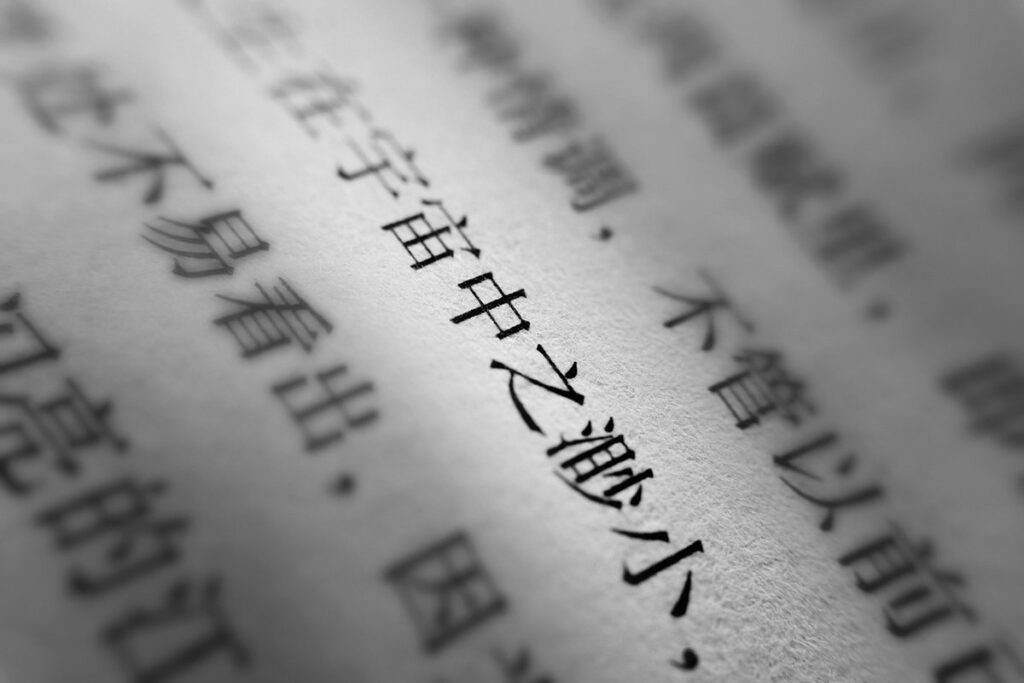
At its core, the Chinese character writing system consists of thousands of logograms that have been used for centuries to convey meaning and express culture. Understanding how these characters work is crucial to grasping the differences between simplified and traditional Chinese.
History of Chinese Characters
Chinese characters have a rich history dating back to the Shang Dynasty (16th-11th centuries BC), with evidence of early writing systems found on oracle bones and bronze inscriptions. The earliest forms of Chinese characters were likely pictograms, where each character represented an object or concept. Over time, these pictograms evolved into logograms, where a single character represented a word or phrase. During the Zhou Dynasty (11th-3rd centuries BC), Chinese characters began to take on more abstract forms, with radicals (component parts) emerging to indicate meaning.
The development of Confucianism in the Han Dynasty (206 BC-220 AD) led to a standardized writing system, with the introduction of the “Four Corners” and “Eight Principles” rules for character composition. This marked a significant shift towards a more consistent and systematic approach to Chinese characters. Throughout history, Chinese characters have undergone numerous changes, with influences from various dynasties, regional dialects, and cultural exchange. The evolution of Chinese characters has been shaped by its own internal logic, as well as external factors such as foreign invasions and linguistic borrowings. Today’s simplified and traditional Chinese characters both descend from this long history, reflecting different stages in the development of the writing system.
Types of Chinese Characters
Chinese characters come in two main types: simplified and traditional. The primary difference between them lies in their complexity and usage. Simplified Chinese characters were created to make reading and writing easier for the masses, especially during the Chinese Communist Party’s literacy campaign in the 1950s. They reduced the number of strokes required to write a character by eliminating or combining existing strokes.
Traditional Chinese characters, on the other hand, retain the original complex forms that have been passed down through generations. They often feature more intricate strokes and are typically used in formal writing, such as calligraphy, art, and historical documents. In Taiwan, Hong Kong, and Macau, traditional characters remain the standard for everyday use. In mainland China, simplified characters dominate all aspects of written communication.
It’s essential to note that the two character sets are not simply a matter of style or preference. Simplified Chinese is often used in informal settings, while traditional characters are reserved for formal occasions and cultural events. Language learners and travelers should be aware of these differences when navigating written materials, especially if they plan to communicate with locals or engage with cultural heritage sites.
Simplified Chinese Characteristics
Simplified Chinese has several distinct characteristics that make it easier to read and write, especially for beginners. In this part of our guide, we’ll break down these unique features.
Stroke Reduction in Simplified Chinese
Simplified Chinese reduces the number of strokes required to write a character by simplifying complex radical combinations. This reduction is achieved through several methods, including omitting less common strokes, merging adjacent strokes, and changing stroke order. As a result, simplified characters often have fewer than half the strokes of their traditional counterparts.
For example, the traditional Chinese character for “mother” (mā) requires 13 strokes, while its simplified equivalent requires only 8. Similarly, the traditional character for “bicycle” (chēzǐ) requires 16 strokes, whereas the simplified version needs just 11. This reduction in stroke count makes it easier for beginners to learn and write Chinese characters.
The stroke reduction in simplified Chinese is not a uniform process, however. Some characters retain their original complexity due to historical or cultural reasons. Additionally, while simplified characters are more straightforward to write, they often sacrifice some of the nuance and expressiveness present in traditional characters. As language learners and travelers, understanding the differences between simplified and traditional Chinese can help you navigate written materials and communicate effectively with native speakers.
Character Cuts in Simplified Chinese
Simplified Chinese eliminates or merges complex components of traditional characters to create simpler forms. This process is called “character cuts,” where unnecessary strokes are removed or combined with existing ones. For example, the traditional character (shí) for “ten” has a complex stroke order that includes multiple distinct parts. In simplified Chinese, this is reduced to a single, more straightforward stroke.
Character cuts can also involve merging two or more characters into one. A classic example is the traditional character (jiànzi) for “chopstick,” which consists of two separate characters combined. Simplified Chinese reduces this to a single character (jiǎo). These changes may seem minor, but they significantly simplify the writing process and reduce the cognitive load on readers.
The result of these cuts can be quite striking. For instance, the traditional character (xiǎng) for “thought” has 15 strokes, whereas its simplified counterpart (xiǎng) has only 6. By streamlining characters in this way, Simplified Chinese makes reading and writing more accessible to a wider audience.
Traditional Chinese Characteristics
Traditional Chinese has its own unique set of characteristics that differentiate it from Simplified Chinese, including distinct stroke orders and character variations.
These subtle differences play a significant role in conveying meaning and nuance in writing.
Complexity of Traditional Characters
Traditional Chinese characters are often considered more complex than their simplified counterparts due to their intricate strokes and character combinations. This complexity stems from the fact that traditional characters have a longer history of development, with many having originated over 3,000 years ago. As a result, they have evolved into unique and nuanced forms that require a higher level of proficiency to master.
One key aspect of traditional Chinese characters is their use of multiple strokes to convey meaning. Unlike simplified characters, which often reduce complex strokes to simpler ones, traditional characters retain these intricate strokes. This can make them more challenging to write and recognize, especially for beginners. For example, the character (wén) for “literature” consists of 18 strokes in its most common form.
Another factor contributing to the complexity of traditional Chinese characters is their use of radical combinations. Radicals are components that provide a visual clue to the meaning of a character. In traditional characters, these radicals often appear together in complex combinations, adding another layer of difficulty for learners. This complexity requires a deeper understanding of the underlying structure and relationships between characters, making it essential for language learners to approach traditional Chinese with patience and dedication.
Importance of Traditional Characters in Modern China
Traditional characters remain an integral part of modern China’s cultural identity. In Taiwan, Hong Kong, and other regions where they are still widely used, traditional characters continue to hold significant importance. This is evident in various aspects of daily life, from formal documents to educational materials.
For instance, official government documents, contracts, and legal papers often require the use of traditional characters. Similarly, most school textbooks and curriculum materials in these regions employ traditional characters exclusively. This emphasis on traditional characters helps preserve China’s rich cultural heritage and maintains a strong connection to its historical past.
In addition, many businesses and organizations in Taiwan and Hong Kong continue to use traditional characters as part of their branding and marketing efforts. For example, some popular restaurants and shops display signs and menus written entirely in traditional characters. This not only reflects the region’s cultural pride but also helps attract customers who appreciate the traditional aesthetic.
Overall, the continued use of traditional characters in modern China is a testament to the enduring value of this writing system. By incorporating these characters into daily life, individuals and organizations can help preserve China’s rich cultural heritage and promote cross-cultural understanding.
Comparison Between Simplified and Traditional Chinese
Understanding the differences between simplified and traditional Chinese characters is crucial for anyone looking to read, write, or communicate effectively. This section compares key characteristics of both systems side by side.
Pronunciation and Meaning
One of the most significant differences between simplified and traditional Chinese lies in their pronunciation and meaning. Simplified characters often retain the same pronunciation as their traditional counterparts, but with fewer strokes to write them. However, this can lead to confusion when it comes to homophones – words that are pronounced similarly but have different meanings.
For instance, the character for “ma” (, mā) is simplified in Mandarin Chinese to a single stroke, whereas its traditional form has four more strokes. The character’s meaning remains the same, but the simplified version is often used as an example of how characters can be reduced without altering their pronunciation. This phenomenon highlights the importance of considering homophones when learning Chinese.
When reading or writing in traditional Chinese, you may encounter characters that are pronounced similarly to those in simplified Chinese. Pay attention to the context and the surrounding characters to avoid misinterpretation. This is particularly crucial for language learners, as understanding the nuances of homophones can make a significant difference in comprehension and fluency.
Cultural Significance and Implications
Adopting simplified characters has led to a shift away from traditional characters in modern China. However, this change raises questions about national identity and cultural heritage. In Taiwan, Hong Kong, and Macau, where traditional characters are still widely used, there is often strong resistance to adopting simplified characters.
For many Chinese people, traditional characters evoke a sense of national pride and connection to their cultural past. In contrast, the use of simplified characters can be seen as a sign of modernization and progress. The debate over which script is more “authentic” or “traditional” reflects deeper tensions about what it means to be Chinese.
In practical terms, language learners and travelers should be aware that traditional characters are still widely used in Taiwan and Hong Kong. This knowledge can help them navigate cultural differences and avoid unintentionally offending locals who strongly identify with traditional characters. By understanding the cultural significance of both scripts, individuals can better appreciate the complexities of Chinese culture and its many regional variations.
Regional Variations and Usage
Regional variations play a significant role in shaping the languages, with Simplified Chinese prevalent in mainland China and Traditional Chinese widely used in Taiwan and Hong Kong. We’ll examine these regional differences next.
Differences Between China, Taiwan, and Hong Kong
In mainland China, Taiwan, and Hong Kong, you’ll find distinct variations in the use of simplified and traditional Chinese characters. One notable difference is the level of usage: while mainland China has largely adopted simplified characters, Taiwan and Hong Kong still predominantly use traditional characters.
Taiwan, for instance, introduced its own simplified character system in the 2000s but later abandoned it due to public dissatisfaction. Today, Taiwan’s education system focuses on teaching traditional characters, with a few simplified characters occasionally used for everyday communication. In contrast, Hong Kong has adopted a unique blend of simplified and traditional characters.
Hong Kong’s educational system emphasizes both reading and writing skills in traditional Chinese, while also incorporating simplified characters in certain contexts, such as on public signs and menus. This blending of character systems reflects the territory’s cultural identity and historical ties to China. In mainland China, simplified characters are used almost exclusively in formal education and official settings.
Each region has its own approach to teaching Chinese characters, with varying levels of emphasis on reading, writing, and pronunciation skills.
Language Learning and Educational Systems
Language learning in China can be challenging due to regional variations. In mainland China, simplified characters are the standard, while traditional characters remain widely used in Taiwan and Hong Kong. This creates a dilemma for language learners: should they focus on one system or learn both? Teaching methods vary across regions as well. In China, simplified characters are typically introduced early on, with an emphasis on stroke reduction and character cuts. Taiwanese schools, on the other hand, often start with traditional characters and gradually introduce simplified ones.
Language learning materials also reflect regional differences. Textbooks and online resources may use different fonts or present characters in varying orders to accommodate local preferences. For instance, some Chinese language courses in Taiwan focus on reading and writing traditional characters, while those in China concentrate on simplified characters. However, there’s a growing trend towards teaching both systems simultaneously, particularly among English-speaking learners who may not be familiar with the regional differences. By understanding these variations, learners can better navigate language instruction and make informed decisions about their study materials.
Implications for Language Learners and Travelers
As you consider which Chinese characters to learn, it’s essential to think about how your choices will impact your language learning journey. For learners and travelers, this decision can have far-reaching implications.
Choosing Between Simplified and Traditional Characters
When traveling to a Chinese-speaking region, you may encounter both simplified and traditional characters. To decide which one to use, consider the context of your visit. If you’re planning to stay in mainland China for an extended period, learning simplified Chinese will be more practical. However, if you’ll be visiting Taiwan or Hong Kong, traditional characters are essential.
In general, it’s a good idea to learn both writing systems, but prioritize one over the other based on your specific needs. If you’re communicating with locals, use the characters commonly used in their region. This will show respect for their language and culture.
Here are some practical tips for mastering both writing systems:
- Start by learning the basic strokes and character shapes common to both simplified and traditional Chinese.
- Focus on one system at a time, and begin with the most frequently used characters.
- Use flashcards or apps to practice recognizing and writing both simplified and traditional characters.
- Pay attention to regional signs and menus, which often display both systems.
- Don’t be afraid to ask for help if you encounter a character you don’t recognize.
Tips for Mastering Both Writing Systems
Mastering both simplified and traditional characters requires dedication and a strategic approach. To begin with, it’s essential to understand the relationship between the two systems. Simplified Chinese is not just a reduced version of traditional characters, but rather a distinct system with its own set of rules and exceptions.
To study both systems simultaneously, focus on building a strong foundation in one system before moving on to the other. For example, start by learning the most common simplified characters used in everyday life, then gradually introduce traditional characters as you progress. Practice writing both systems regularly, using flashcards or online resources to track your progress.
Consider breaking down your study sessions into manageable chunks, allocating specific times for each system. You can also use language learning apps that offer lessons on both simplified and traditional Chinese. For instance, Duolingo’s Chinese course covers both scripts, while Anki flashcard software allows you to create customized decks for either or both systems.
Be mindful of the time and effort required to master both systems. It may take several months or even years to become proficient in writing both simplified and traditional characters.
Frequently Asked Questions
What if I’m learning Chinese for business purposes – should I focus on simplified or traditional characters?
When learning Chinese for business purposes, it’s generally recommended to focus on simplified characters, as they are the standard used in mainland China and most international business settings. However, if you plan to work with companies or clients from Taiwan or Hong Kong, being familiar with traditional characters can be beneficial.
Can I use a single set of fonts or software that supports both simplified and traditional Chinese?
While there are some fonts and software that support both simplified and traditional Chinese, it’s not always easy to switch between the two. Some tools may require manual switching or have limitations in terms of font rendering. It’s best to use fonts or software specifically designed for your intended purpose, such as business or education.
How can I distinguish between homophones when using simplified characters?
When using simplified characters, it’s essential to learn how to recognize and distinguish between homophones, which are words that sound the same but have different meanings. You can use online resources or language learning apps that provide audio clips and example sentences to help you learn these nuances.
What if I’m traveling to Taiwan or Hong Kong – will locals understand simplified characters?
While many Taiwanese and Hongkongers may be familiar with simplified characters, especially younger generations, it’s still a good idea to learn basic traditional characters when visiting these regions. You can use road signs, public transportation, and other visual aids to help you navigate, but being able to read some traditional characters will show respect for the local culture.
Can I teach myself to recognize and write both simplified and traditional Chinese?
With dedication and consistent practice, it’s possible to learn and recognize both simplified and traditional Chinese. However, mastering both writing systems can be challenging, especially if you’re not familiar with the cultural context and nuances of each system. Consider working with a language tutor or joining a language exchange program for support and guidance.

