As Diwali, the Festival of Lights, approaches, homes across India are adorned with vibrant diyas, candles, and twinkling fairy lights. For millions of Indians, this five-day celebration is a time to reunite with loved ones, honor their ancestors, and seek blessings from the gods. You may have heard of Diwali’s rich history and cultural significance, but do you know its modern-day celebrations? Beyond the fireworks and festivities, there are many eco-friendly practices that can make your Diwali celebration special. From traditional customs like decorating homes with rangoli designs to innovative ways to reduce waste and promote sustainability, this article will take you on a journey through the heart of India’s most beloved festival. By the end of it, you’ll know how to incorporate environmentally conscious traditions into your own Diwali celebrations, making this year’s festivities even more meaningful.
History and Mythology of Diwali
Diwali, one of India’s most revered festivals, has a rich history that dates back centuries. The mythological tales behind its celebration are just as fascinating as the festival itself.
Origins of Diwali: A Brief Overview
Diwali’s rich history is woven from a tapestry of mythological stories. One key narrative revolves around King Rama’s triumphant return to Ayodhya after defeating Ravana, the demon king. According to the Ramayana epic, Rama was welcomed back with lighted diyas (earthen lamps) and fireworks by his subjects. This story is still celebrated today as a triumph of good over evil and light over darkness.
Another significant mythological association dates back to the return of Lord Krishna from Mathura, where he had killed the demon king Narakasura. The people of Gokul welcomed him with festivities and lights. These stories have become integral to Diwali’s cultural heritage and are often retold during family gatherings and community events.
In Hindu mythology, Diwali is also associated with the goddess Lakshmi, who emerges from the primeval waters on this day. This mythological narrative underscores the significance of light, wealth, and prosperity in the festival. The various mythological stories surrounding Diwali have been intertwined over time, making it a celebration that honors the triumphs of good and the return of the gods.
The Story of Rama’s Return: Ramayana Connection
According to Hindu mythology, the epic tale of Lord Rama’s return to Ayodhya after a 14-year exile is deeply connected to the festival of Diwali. As told in the Ramayana, Rama’s journey back to his kingdom was met with immense joy and celebration by his people. To welcome their beloved king, the residents of Ayodhya lit diyas (earthen lamps) along the streets and decorated their homes with flowers and garlands.
The story goes that Rama, accompanied by his wife Sita and brother Lakshmana, finally returned to Ayodhya after defeating the demon king Ravana. The people of Ayodhya were overjoyed at their king’s return and celebrated with great fervor. This event is said to have occurred on a day in autumn, which corresponds to the current-day celebration of Diwali.
The connection between Rama’s return and Diwali is still deeply felt today, with many Hindus believing that the festival marks not only the triumph of good over evil but also the victory of light over darkness. The lighting of diyas during Diwali is a direct continuation of this ancient tradition, symbolizing the welcome of Lord Rama back to his kingdom and the illumination of one’s life with knowledge and wisdom.
Other Mythological Associations with Diwali
Goddess Kali is often associated with Diwali, particularly in eastern India. Her story is linked to the festival through her role as a fierce protector of good over evil. According to myth, Goddess Durga took on the form of Kali to defeat the buffalo-demon Mahishasura. This victory marked the triumph of light over darkness.
Another significant figure associated with Diwali is Lord Krishna. The legend of Krishna’s return from exile to Mathura during Diwali has been celebrated for centuries. People in Mathura and surrounding areas still reenact this story through elaborate processions and festivities. In some parts of India, especially in North India, the festival of Govardhan Puja is also observed around the same time as Diwali.
While these stories may seem unrelated to the Rama’s return narrative central to Diwali celebrations, they share a common thread – the victory of good over evil and light over darkness. These mythological associations enrich the cultural tapestry of India’s festival calendar, emphasizing the significance of Diwali beyond its association with Lord Rama’s triumph.
Preparations for Diwali: Traditions and Customs
As you start preparing for the festival, let’s look at some of the key traditions and customs that are an integral part of the Diwali celebrations in India. These age-old practices add to the festive spirit of the occasion.
Cleaning and Decorating Homes
As the festival of lights approaches, a crucial part of Diwali preparations involves giving your home a thorough cleaning and decorating it with new items. This tradition is deeply rooted in Hindu culture and holds significant symbolic value. Before welcoming the divine light into their homes, people typically remove old decorations, discarded items, and any clutter that may have accumulated over time.
This act of renewal serves as a reminder to let go of the past and make way for new beginnings. It’s an opportunity to declutter your space, get rid of items that no longer serve you, and create a fresh, organized environment that reflects your growth and progress.
When cleaning your home, pay attention to areas around idols, shrines, or other sacred spaces. Dust and polish these surfaces to maintain their sanctity. Consider repainting walls with bright colors to infuse energy and positivity into the space. Finally, adorn your home with new diyas (earthen lamps), flowers, and traditional decorations that reflect the festive spirit of Diwali.
Lighting diyas (Earthen Lamps)
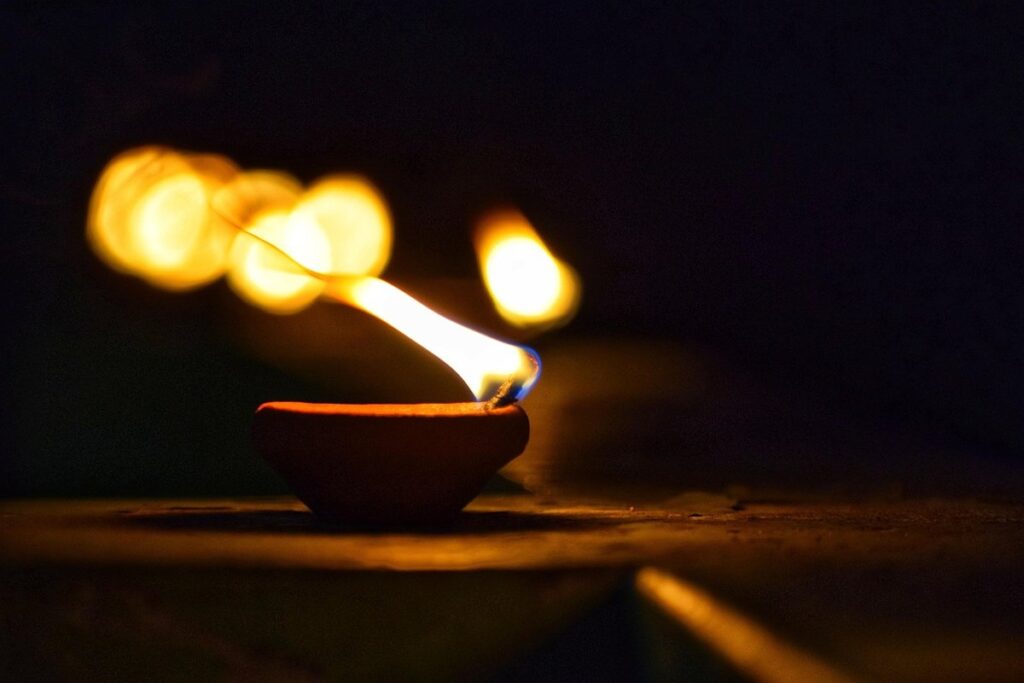
Lighting diyas is a crucial tradition during Diwali, as it symbolizes the victory of light over darkness and evil. According to Hindu mythology, diyas are believed to ward off negative energies and evil spirits that roam freely during this time. In many Indian households, diyas are lit in every room, including windowsills, doorways, and even rooftops.
The significance of lighting diyas lies in its association with the goddess Lakshmi, who is revered as the embodiment of light, wealth, and good fortune. It’s said that the gentle glow of diyas attracts her benevolent presence into homes, bringing prosperity and happiness to families. To maximize this effect, people often place diyas near windows or doors, allowing the soft light to spill out onto the streets.
When preparing your own diya, choose a clean and dry clay vessel, fill it with mustard oil or ghee, and add a cotton wick. For an added touch, you can surround the diya with marigold flowers or leaves of neem, which are said to repel evil energies. Remember, the key is not just in lighting the diyas but also in maintaining their cleanliness and purity throughout the festival period.
Making Traditional Sweets and Snacks
Diwali is a time for indulgence in traditional sweets and snacks that are both delicious and symbolic. One of the most iconic Diwali treats is the Laddu, a sweet ball made from gram flour, sugar, and ghee (clarified butter). The Laddu is often given as a gift during Diwali and its round shape symbolizes unity and harmony.
Another popular snack is the Jalebi, a crispy fried dessert coated in syrup. Jalebis are typically served with a dollop of whipped cream or a sprinkle of cardamom powder to balance their sweetness. In some regions, Jalebis are also made with a special type of flour called “maida” which gives them an extra crispy texture.
For those looking to try making traditional sweets and snacks at home, here’s a simple recipe for Barfi: a rich, dense dessert made from condensed milk, sugar, and nuts. To make Barfi, combine 1 can of condensed milk with 1 cup of granulated sugar and 1/4 cup of chopped nuts in a saucepan. Cook over medium heat until the mixture thickens and sets.
A key aspect of making traditional sweets and snacks during Diwali is using local ingredients and following family recipes that have been passed down through generations. By incorporating these elements, you can add an extra layer of significance to your Diwali celebrations.
Significance of Colors in Diwali Celebrations
Colors play a significant role in Diwali celebrations, not just for their aesthetic appeal but also for the deeper symbolism and meaning they convey to Hindus around the world.
Red: Symbolism and Significance
Red is a color deeply ingrained in Diwali celebrations, symbolizing prosperity and good fortune. In Hindu mythology, it’s associated with Goddess Lakshmi, who embodies wealth and happiness. During Diwali, homes are often decorated with red flowers, fabrics, and other adornments to invite her blessings.
In India, red is also a color of celebration and joy, commonly used in traditional attire and decorations during festivals like Diwali. The vibrant hue is believed to ward off evil spirits and bring good luck. In many Indian households, it’s customary to wear new clothes, often with a dash of red, on Diwali day.
The significance of red in Diwali extends beyond aesthetics; it’s also deeply rooted in cultural practices. For instance, the traditional Lakshmi Puja ritual involves lighting diyas and offering prayers to Goddess Lakshmi while dressed in red attire. This practice is meant to invoke her blessings and ensure a prosperous year ahead.
To incorporate the symbolism of red into your Diwali celebrations, consider adorning your home with red flowers or decorations, or wearing new clothes with a touch of this vibrant color. By embracing the significance of red, you’ll not only add to the festive atmosphere but also invite good fortune and prosperity into your life.
Green: Importance and Application
Green is a color deeply rooted in Indian culture and holds significant importance during Diwali celebrations. In Hindu mythology, green is associated with nature and growth, symbolizing the triumph of good over evil. During Diwali, people adorn their homes with green flowers, such as marigolds and jasmine, to create an inviting atmosphere. Green candles are also lit alongside diyas (earthen lamps) to add a touch of serenity to the festivities.
In many Indian households, green is considered a sacred color that brings prosperity and good fortune. People often decorate their homes with intricate designs made from leaves, flowers, or even paper to create a festive ambiance. The use of green in Diwali decorations serves as a reminder of the importance of harmony between nature and human life.
To incorporate green into your Diwali celebrations, consider decorating your home with fresh flowers or potted plants. You can also use eco-friendly materials like leaves or recycled paper to create decorative designs. Lighting green candles alongside diyas adds a warm glow to your space while promoting a sense of balance and growth. By embracing the significance of green in Diwali celebrations, you can create a more meaningful and sustainable festive experience.
Cultural and Social Aspects of Diwali Celebrations
Diwali is a celebration that brings people together, transcending boundaries of culture and community. We’ll explore how this festival is woven into the fabric of Indian society, highlighting its cultural and social significance.
Family Gatherings and Bonding
During Diwali celebrations, family gatherings play a vital role in strengthening family bonds and relationships. This is a time when families come together to share love, laughter, and experiences, creating cherished memories that last a lifetime. In many Indian households, Diwali is an occasion for extended family members to reunite after being apart for months or even years.
In the lead-up to Diwali, family members often engage in joint activities such as cleaning and decorating their homes, preparing traditional sweets and snacks, and exchanging gifts. These collective efforts foster a sense of unity and shared purpose, creating an atmosphere conducive to bonding and socialization. As families light diyas (earthen lamps) together, they also come together to share stories and recollections from past Diwali celebrations.
One effective way to strengthen family bonds during Diwali is by hosting a joint meal or cooking event where everyone contributes their favorite dishes. This not only saves time but also allows for quality interaction and shared experience. Some families also make it a point to exchange handmade gifts, such as traditional clothing or decorations, adding an extra layer of meaning and warmth to the celebrations.
Community Festivities and Events
Diwali is a time for communities to come together and celebrate with vibrant festivals and events. One of the most significant aspects of Diwali celebrations is the community’s participation in various festivities, which vary from region to region. In North India, for example, the festival of Govardhan Puja is an integral part of Diwali celebrations, where people gather to worship Lord Krishna.
In contrast, the southern states celebrate the festival of Narakachaturdashi, also known as Chhoti Diwali, a day before the main Diwali festivities. On this day, people perform rituals and light diyas to ward off evil spirits. The city of Varanasi in eastern India is particularly famous for its vibrant Diwali celebrations, with thousands gathering on the banks of the Ganges River.
In modern times, community festivals and events have evolved to include cultural performances, music, and dance competitions. For instance, the Indian state of Gujarat hosts a spectacular light and sound show during Diwali, attracting tourists from across the world. These events not only showcase India’s rich cultural heritage but also foster social bonding among people from diverse backgrounds.
Environmental Impact and Modern-Day Celebrations
As we celebrate Diwali, let’s also acknowledge the festival’s significant environmental impact on India’s cities and towns. We’ll explore how modern-day celebrations are adapting to reduce waste and promote sustainability.
Eco-Friendly Practices for a Greener Diwali
When it comes to celebrating Diwali, many people focus on the festive lights and decorations without considering their environmental impact. To celebrate a greener Diwali, start by switching to energy-efficient diyas or earthen lamps. These traditional lights are not only eco-friendly but also add to the festival’s charm.
Another simple step is to reduce waste during Diwali celebrations. This can be achieved by reusing old diyas and decorations instead of buying new ones every year. You can also repurpose old materials like plastic bottles, cardboard boxes, and fabric scraps to create unique decorative items. For example, you can use empty plastic bottles to create beautiful lanterns or make decorative garlands from recycled paper.
To minimize waste from sweets and snacks, consider making traditional Diwali treats using natural ingredients and reducing packaging waste. You can also opt for plant-based alternatives like fruit salads or roasted nuts instead of sugary sweets. By incorporating these eco-friendly practices into your Diwali celebrations, you’ll not only reduce your environmental footprint but also add a new layer of meaning to the festival. Some key considerations include using energy-efficient lighting, reducing waste through reuse and repurposing, and opting for natural ingredients in traditional recipes.
Innovative Ways to Celebrate Diwali in the Digital Age
In recent years, technology has revolutionized the way people celebrate Diwali. Gone are the days of physically attending festivals and purchasing traditional items from local markets. Today, you can experience virtual Diwali festivities from the comfort of your own home. Many cultural organizations and communities now host online events, including live music performances, dance recitals, and even virtual puja ceremonies.
You can also shop for traditional Diwali items online, such as intricately designed diyas, beautiful rangoli patterns, and delicious sweets. Online marketplaces and e-commerce websites have made it easier than ever to access these items without having to leave your home. Additionally, social media platforms are filled with inspiring Diwali content, from decorative ideas to traditional recipes.
To make the most of digital Diwali celebrations, consider creating a virtual “puja thali” or altar on your phone or computer screen. You can also use online resources to learn how to create traditional Diwali decorations and sweets. Furthermore, many temples and cultural organizations offer online prayers and blessings during Diwali, allowing you to participate remotely.
Some popular websites and apps for celebrating digital Diwali include…
Conclusion: The Enduring Spirit of Diwali
As we conclude our journey through the vibrant celebrations and rich significance of Diwali, let’s reflect on what truly makes this festival endure. Its timeless spirit continues to captivate hearts around the world.
Reflections on the Significance of Diwali
Diwali’s significance extends far beyond its cultural and historical context. As we’ve explored throughout this article, the festival is deeply ingrained in Indian culture, symbolizing hope, renewal, and victory over darkness. The enduring spirit of Diwali lies in its ability to bring people together, transcending geographical boundaries and communal divisions.
A key takeaway from our discussion on preparations for Diwali is that the festival’s essence lies not just in grand celebrations but also in simple acts of devotion. Cleaning and decorating homes, lighting diyas (earthen lamps), and making traditional sweets and snacks all contribute to an atmosphere of joy and festivity. These practices serve as a reminder that Diwali is about creating moments of beauty and love within our own spaces.
The significance of colors in Diwali celebrations, particularly the symbolism of red and green, highlights the importance of aesthetics and spirituality. The use of these colors not only adds to the festive atmosphere but also holds deeper meaning, representing good fortune and prosperity. By incorporating these elements into their celebrations, individuals can tap into the rich cultural heritage of Diwali.
In addition to its cultural significance, Diwali’s impact on family and community dynamics cannot be overstated. The festival serves as a time for bonding with loved ones, strengthening relationships, and fostering a sense of belonging. As we’ve discussed in our section on cultural and social aspects, Diwali celebrations often involve grand gatherings and events that promote unity and togetherness.
Ultimately, the spirit of Diwali lies not just in its celebration but also in its application to everyday life. By embracing the values and principles of this festival – love, light, and renewal – individuals can cultivate a deeper sense of purpose and meaning.
Frequently Asked Questions
How can I make my Diwali celebration more eco-friendly without sacrificing the festive atmosphere?
You can start by using energy-efficient diyas or making your own from recycled materials. Additionally, try to reduce waste by reusing old decorations and opting for digital invitations instead of paper ones. You can also consider using natural ingredients for traditional sweets and snacks.
What if I’m unable to attend family gatherings during Diwali due to work or other commitments? How can I still participate in the celebrations?
Yes, you can still participate in the celebrations by staying connected with your loved ones through video calls or messaging apps. You can also send gifts or traditional sweets to your family members and join in on online festivities.
Can I celebrate Diwali if I’m not from an Indian background? How do I incorporate its traditions into my own cultural practices?
Yes, anyone can celebrate Diwali by embracing its values of love, light, and community. You can start by learning about the festival’s significance and incorporating small traditions like lighting diyas or making traditional sweets into your own celebrations.
What are some innovative ways to decorate homes for Diwali without using plastic decorations?
You can use natural materials like flowers, leaves, and twigs to create beautiful decorations. Additionally, consider upcycling old items like bottles and jars to create unique lamps or vases. You can also repurpose old fabric scraps to make colorful hangings or curtains.
How do I balance the spiritual significance of Diwali with its commercialization in modern times?
Yes, it’s essential to remember that Diwali is a festival of lights, not just a time for shopping and materialism. Focus on the values of love, kindness, and generosity that underlie the festival, and try to minimize your spending on unnecessary items.