Exploring Thailand’s diverse culinary landscape can be overwhelming, especially when faced with a multitude of complex and nuanced dishes. Yet, beneath the intricate layers of Thai cuisine lies a rich heritage of authentic traditional recipes that have been passed down through generations. These classic dishes not only showcase the country’s unique blend of flavors but also offer a glimpse into its history and culture. In this guide, we’ll delve into the world of traditional Thai cooking techniques, introducing you to essential ingredients, such as fragrant herbs and spices, and sharing expert tips on how to prepare mouthwatering staples like tom yum soup and green curry. By the end of this comprehensive exploration, you will be able to recreate these beloved dishes with confidence, taking the first step in mastering Thailand’s rich culinary tradition.
Understanding the Basics of Thai Cuisine
Thai cuisine is built on a foundation of simple, yet bold flavors, with a focus on balancing sweet, sour, salty, and umami tastes in each dish. Let’s start by exploring these fundamental principles that underpin all Thai cooking.
The Importance of Balance in Thai Cooking
In traditional Thai cooking, balance is a fundamental principle that governs the creation of dishes. This balance is achieved through the combination of five fundamental flavors: sweet, sour, salty, bitter, and umami. Each dish should ideally contain all these flavors in harmony, with no single flavor dominating the others.
Using fresh ingredients is crucial to achieving this balance. Fresh herbs such as basil, mint, and lemongrass add bright, citrusy notes that cut through richness. Fresh chilies provide a spicy kick, while citrus fruits like lime and tamarind contribute acidity. The freshness of ingredients also allows for more nuanced flavor profiles, with subtleties of texture and aroma that would be lost in older or lower-quality ingredients.
When cooking Thai dishes, it’s essential to taste and adjust as you go. This ensures that the flavors are balanced and harmonious, rather than clashing or overpowering one another. A good rule of thumb is to start with a small amount of each flavor component and gradually add more to taste. This approach allows for a delicate balance of flavors that will enhance the overall dish, rather than overwhelming it.
Common Ingredients in Thai Cooking
Fish sauce and lime juice are fundamental components of Thai cooking. You’ll find them in a vast array of dishes, from spicy stir-fries to fragrant curries. Fish sauce serves as a salty, umami-rich flavor enhancer, while lime juice adds brightness and acidity. Together, they create the perfect balance of flavors.
Chilies, such as bird’s eye chilies or Thai red chilies, bring heat to many Thai dishes. Their intensity can vary greatly depending on the type and preparation method. Lemongrass and galangal are commonly used in Thai cooking for their distinct aromas and flavors. Lemongrass adds a citrusy, slightly sweet note, while galangal has a pungent, earthy flavor.
To incorporate these ingredients into your own cooking, start by experimenting with different combinations of chilies, lemongrass, and galangal in sauces or marinades. Balance the flavors with fish sauce, lime juice, and other seasonings as needed. For example, combine minced lemongrass, galangal, and chilies for a flavorful paste to add depth to stir-fries or curries.
Some dishes that showcase these ingredients include tom yum soup, which relies on the spicy kick of chilies and the acidity of lime juice, and green curry, which incorporates fish sauce and the aromatic flavors of lemongrass.
Classic Dishes from Northern Thailand
From the spicy curries of Chiang Mai to the fragrant noodle dishes of Chiang Rai, classic Northern Thai cuisine offers a unique flavor profile that’s worth exploring. Let’s start with some essential recipes from this region.
Khao Soi: A Popular Northern Dish
Khao soi is a beloved dish from Chiang Mai, where it’s often served at street stalls and markets. This curried noodle soup is a staple of northern Thai cuisine, with its rich and slightly sweet broth made from a mixture of spices, shallots, and chilies. The soup typically includes boiled egg noodles, braised beef or pork, and crispy fried noodles on top.
To prepare khao soi, cooks first make the curry paste by blending together ingredients like cumin, coriander, cinnamon, and turmeric. This paste is then sautéed with shallots and chilies to create the base of the soup. The boiled egg noodles are added to the broth along with the braised meat, which can be beef or pork. Finally, crispy fried noodles are sprinkled on top for added texture.
In Chiang Mai’s markets, khao soi vendors often customize their recipes by adding extra ingredients like bean sprouts or pickled mustard greens. However, the core flavors of this dish remain consistent: a balance of spicy, sweet, and savory that showcases northern Thailand’s unique flavor profile.
Khanom Buang: Thai Crepes
Khanom buang is a delicate and traditional Northern Thai crepe dish filled with sweet coconut and bean paste. The history of khanom buang dates back to the Ayutthaya period, where it was influenced by Chinese immigrants who introduced various fillings such as sweet coconut and mung bean paste.
The ingredients used in making khanom buang are relatively simple, but require precise measurements and techniques to achieve the delicate and thin crepe. A good batter should be made with a mixture of rice flour, water, and vegetable oil. The filling typically consists of shredded coconut mixed with mung bean paste, sugar, and salt.
When preparing khanom buang, it’s essential to cook the crepes on a hot griddle until they are lightly browned. This requires some practice to get right, as overcooking can make the crepes brittle. A good tip for making khanom buang is to use a low heat and adjust the cooking time accordingly.
When assembling the dish, place a small spoonful of coconut and bean paste in the center of each crepe, then roll it up tightly. Serve warm with a drizzle of palm sugar syrup for added sweetness.
Southern-Style Dishes and Their Unique Flavors
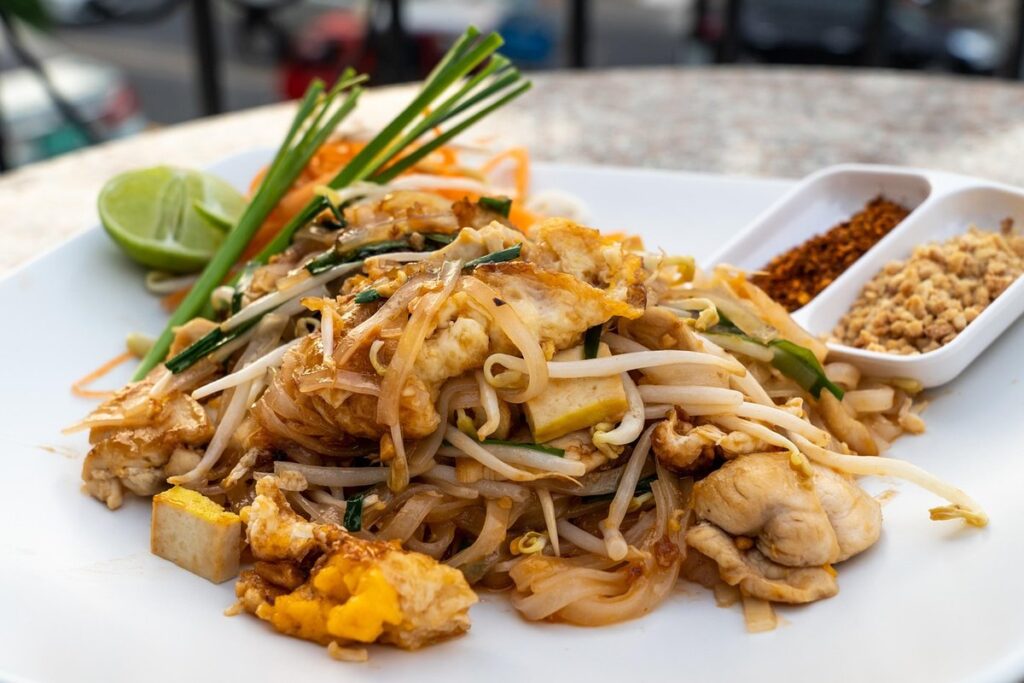
Thai cuisine is often compared to its neighboring countries, but it’s worth exploring how traditional Thai recipes intersect with international flavors, like those found in Southern-style dishes. From the bold spices of pad thai to the rich curries of tom kha soup.
Massaman Curry: A Southern Specialty
Massaman curry is a staple dish from southern Thailand, known for its rich and slightly spicy flavor profile. This aromatic curry originated in the region’s Muslim community, where it was influenced by Indian and Middle Eastern trade routes. The name “Massaman” itself refers to the Arabic word “Masmoud,” meaning “Muslim.”
A typical Massaman curry consists of a mixture of spices, including cumin, coriander, cinnamon, and cardamom, which are sautéed in coconut milk and fish sauce for added depth. Chunks of beef or chicken are often used as the protein source, while potatoes and peanuts add texture and creaminess to the dish.
One key component that sets Massaman curry apart from other Thai curries is its use of a combination of sweet and spicy elements. The sweetness comes from the coconut milk and sugar, while the spiciness is provided by the chilies and cumin. This balance of flavors makes Massaman curry a unique and satisfying experience for the palate.
When cooking Massaman curry at home, it’s essential to toast the spices before adding them to the curry paste. This step enhances their aroma and flavor, making the dish more authentic and rich. Additionally, using high-quality fish sauce and coconut milk will also elevate the overall taste of the curry.
Khanom Jeen Nam Ngiaw: Fermented Rice Noodles with Meat Stew
In southern Thailand, you’ll find a unique dish that showcases the region’s distinct flavor profile: Khanom Jeen Nam Ngiaw. This hearty meal consists of fermented rice noodles served in a rich meat-based stew. The fermentation process gives the noodles their distinctive flavor and texture.
The key to making Khanom Jeen Nam Ngiaw is using high-quality ingredients, particularly the fermented rice noodles. These noodles are made from glutinous rice that’s been fermented with a type of bacteria called Aspergillus oryzae. This process breaks down the starches in the rice, creating a nutty flavor and chewy texture.
To prepare Khanom Jeen Nam Ngiaw, start by cooking the fermented rice noodles according to package instructions. While the noodles are cooking, heat up the meat-based stew in a separate pot. Traditionally, the stew is made with beef or pork, but you can also use chicken or fish for a different flavor profile.
The key to balancing the flavors in this dish is to achieve a harmony between sweet, sour, salty, and umami notes. A small amount of palm sugar adds a touch of sweetness, while tamarind paste provides a tangy, sour flavor. The meat-based stew is the foundation of the dish, so use high-quality ingredients and cook it slowly over low heat to extract all the flavors.
For those looking to try this recipe at home, here are some essential ingredients to keep in mind: fermented rice noodles, palm sugar, tamarind paste, beef or pork for the stew, and a variety of spices such as cumin, coriander, and cinnamon. With these ingredients and a little patience, you can create an authentic southern Thai dish that’s sure to impress your friends and family.
Vegetarian and Vegan Options in Thai Cuisine
Thai cuisine offers a wide variety of delicious vegetarian and vegan options, from spicy stir-fries to flavorful curries. We’ll explore some popular dishes that are perfect for plant-based eaters.
Vegetable-Based Dishes from the Northeast
In the northeastern region of Thailand, known for its rustic charm and traditional cooking methods, vegetable-based dishes take center stage. One popular example is tam maak hung, a spicy papaya salad made with shredded green papaya, chilies, tomatoes, and peanuts. This dish showcases the bold flavors and textures that are characteristic of Northeastern Thai cuisine.
Another notable vegetarian option from this region is larb moo tod, which might seem counterintuitive at first due to its name translating to “deep-fried tofu.” However, this dish features crispy fried tofu served in a spicy and sour sauce, making it a satisfying and filling meal. Both tam maak hung and larb moo tod demonstrate the versatility of Thai cuisine when it comes to vegetarian options.
When preparing these dishes at home, consider using locally sourced ingredients whenever possible. Fresh chilies and herbs like cilantro or basil will add depth and authenticity to your cooking. By incorporating these elements, you can create authentic Northeastern Thai flavors in the comfort of your own kitchen.
Vegan Substitutions for Traditional Thai Ingredients
When adapting traditional Thai recipes to be vegan-friendly, you’ll often need to replace common animal-derived ingredients. One such ingredient is fish sauce, which is a staple condiment in many Thai dishes. Fortunately, there are several plant-based alternatives that can mimic its umami flavor. Try using tamari or nama shoyu, both of which have a rich, savory taste.
Another essential substitution is egg, commonly used as a binder and emulsifier in Thai cooking. You can replace eggs with aquafaba, the liquid from canned chickpeas, which has a unique ability to whip up into a meringue-like texture. For recipes that require an omelette-style texture, use a mixture of cornstarch and water as a substitute.
Coconut milk is also often used in Thai cooking, but its high saturated fat content can be a concern for vegans. Opt for a low-fat coconut milk or try using soy yogurt or cashew cream instead. When substituting these ingredients, remember to adjust the seasoning accordingly. Some plant-based alternatives can be quite strong, so it’s essential to taste and adjust as you go. By making these simple swaps, you’ll be able to enjoy many traditional Thai dishes in their vegan form.
Regional Variations in Thai Cooking Techniques
As you explore the rich diversity of traditional Thai cuisine, it’s essential to understand how regional variations shape the cooking techniques used across different parts of the country. From the spicy curries of southern Thailand to the delicate dishes of northern Thailand.
Grilling and Roasting in Northern Thailand
In northern Thailand, grilling and roasting are essential techniques for preparing dishes like sai oua, a type of northern-style sausage. The high heat from these methods caramelizes the natural flavors of the ingredients, creating a rich and savory flavor profile. To grill sai oua, cooks typically use a charcoal-fired grill over low to medium heat, allowing the sausages to cook slowly and evenly.
Roasting is another common technique used in northern Thai cuisine. Dishes like grilled chicken or pork are often finished with a short roast in the oven to crisp up the skin and add texture. This step requires attention to temperature control, as the goal is to achieve a crispy exterior without overcooking the meat.
When preparing dishes that require grilling or roasting, it’s essential to choose the right type of wood for fuel. In northern Thailand, cooks often use woods like mangrove or tamarind, which impart a unique smoky flavor to the food. By mastering these techniques and selecting the right ingredients, home cooks can create authentic northern Thai dishes that are both flavorful and visually appealing.
Deep-Frying in Southern Thai Cuisine
Deep-frying is a cornerstone of Southern Thai cuisine, particularly when it comes to creating crispy fried snacks. These snacks are an integral part of local street food, often served as accompaniments to spicy dishes or enjoyed on their own. The technique relies heavily on the use of rice flour, which produces a delicate and airy texture when deep-fried.
In Southern Thailand, you’ll find a variety of fried treats like krapong moo Tod (deep-fried pork rinds) and tod mun (deep-fried fish cakes). These snacks are typically served with a sweet and spicy sauce made from ingredients like tamarind, palm sugar, and chili peppers. To achieve the perfect crunch, cooks often double-fry their snacks: first frying them at a lower temperature to remove excess moisture, then finishing them in hot oil for an extra crispy exterior.
For those looking to try this technique at home, it’s essential to use the right type of oil – peanut or coconut oil work well due to their high smoke points. Additionally, make sure your oil is hot enough before adding snacks: aim for 350°F (175°C) for most fried treats. With practice and patience, you can create authentic Southern Thai-style fried snacks that will delight both locals and visitors alike.
Traditional Thai Desserts and Snacks
From sticky rice to sweet treats, traditional Thai desserts and snacks are a staple in every household. Learn how to make classic favorites like Khanom Buang and Tub Tim Krob at home.
Khanom Buang: A Sweet Variation
In the world of traditional Thai desserts, khanom buang is a delicate crepe that’s often filled with sweet coconut and bean paste. While the classic version is typically savory, there’s also a sweet variation that’s worth trying. This sweetened version swaps out the usual bean paste for a rich coconut-based filling, which adds a creamy texture to the dish.
The coconut filling is made by mixing shredded coconut with palm sugar and a splash of coconut milk. The mixture is then simmered until it thickens and develops a deep golden color. This filling is then wrapped inside the crepe, along with a sprinkle of toasted coconut flakes for added crunch.
One key difference between the sweet and savory versions of khanom buang is the type of bean paste used in the classic version. Sweetened khanom buang uses a lighter, sweeter paste made from mung beans or red kidney beans. This gives the dessert a softer, more delicate flavor profile compared to its savory counterpart.
When making sweet khanom buang at home, be sure to adjust the filling accordingly by using less palm sugar and more coconut milk. This will help maintain the delicate balance of flavors in this traditional Thai dessert.
Tub Tim Krob: Water Chestnut Salad
Tub Tim Krob is a beloved traditional Thai dessert that perfectly captures the essence of the country’s sweet and refreshing treats. This delightful water chestnut salad is made with succulent tub tim (water chestnuts), creamy coconut milk, and palm sugar, all combined to create a symphony of textures and flavors.
To make Tub Tim Krob at home, you’ll need to start by soaking peeled water chestnuts in cold water for about an hour. This helps to rehydrate them and makes them easier to work with. Next, combine the soaked water chestnuts with coconut milk, palm sugar, and a pinch of salt in a blender or food processor. Blend until smooth, then taste and adjust the sweetness level as needed.
One key element that sets Tub Tim Krob apart is its refreshing crunch, which comes from the addition of crushed ice and toasted peanuts. To add this texture, simply crush some ice into small pieces and fold it gently into the coconut milk mixture along with some chopped peanuts. This dessert is best served immediately, so be sure to assemble all the ingredients just before serving.
Frequently Asked Questions
How to incorporate traditional Thai flavors into modern recipes without compromising authenticity?
When experimenting with traditional Thai flavors in modern dishes, it’s essential to balance bold flavors with restraint. Start by using small amounts of key ingredients like fish sauce and chilies, then adjust to taste. This approach allows you to create innovative fusion cuisine while maintaining the essence of authentic Thai cooking.
Can I substitute galangal with ginger in traditional Thai recipes?
Yes, galangal can be replaced with ginger in a pinch, but keep in mind that it will alter the flavor profile. Galangal has a more pungent and slightly sweet taste than ginger, so use about 1/3 less ginger to avoid overpowering other ingredients.
What are some common mistakes to avoid when making traditional Thai desserts like khanom buang?
When making delicate crepes like khanom buang, it’s easy to overfill or undercook them. To avoid this, fill the crepe just before serving and cook until the edges start to curl. This ensures a tender, evenly cooked dessert.
How can I adapt traditional Thai recipes for low-sodium diets?
To reduce sodium in traditional Thai recipes, try substituting fish sauce with a small amount of lime juice or vinegar. Also, limit or omit ingredients like soy sauce and salt, then adjust seasoning as needed to maintain flavor balance.
What are some essential tools or equipment needed to prepare traditional Thai dishes at home?
When cooking traditional Thai dishes, you’ll need a mortar and pestle for grinding spices and chilies, a wok or large skillet for stir-frying, and a steamer basket for cooking noodles and vegetables. These tools will help you achieve the authentic texture and presentation of traditional Thai cuisine.