Diwali, often referred to as the festival of lights, is a significant celebration in many cultures around the world. You may have noticed the vibrant displays of twinkling lights and colorful decorations that accompany this festive season, but have you ever wondered what Diwali is all about? At its core, Diwali is a celebration of light over darkness, good over evil, and knowledge over ignorance. It’s a time when people come together with family and friends to share in the joy and triumph of the season. In this article, we’ll take a closer look at the history and significance of Diwali, exploring its rich cultural heritage and the ways in which it brings people together. By the end of this article, you’ll have a deeper understanding of this beautiful festival and its enduring importance in the lives of millions around the world.
What is Diwali?
Diwali is a vibrant and ancient Hindu festival celebrated across the globe, but have you ever wondered what it’s all about? Let’s take a closer look at the history and significance behind this beautiful celebration.
History of Diwali
Diwali’s roots in ancient Hindu mythology date back over 2,000 years, with the festival marking a significant triumph of light over darkness and good over evil. The mythology surrounding Diwali is closely tied to the legend of Lord Rama’s return to Ayodhya after a 14-year exile. According to the Ramayana, the demon king Ravana had taken Rama’s wife, Sita, captive, and Rama’s triumph over Ravana was celebrated with lights and diyas to symbolize the victory of light over darkness. This mythological tale has been passed down through generations and remains an integral part of Diwali celebrations. The festival has also been associated with other mythological tales, including the worship of Goddess Lakshmi, who is revered as the embodiment of good fortune and prosperity. The stories and legends surrounding Diwali’s history are a testament to the festival’s enduring significance and its ability to transcend time and cultures. The festival’s rich history and cultural heritage are still celebrated today, with people from diverse backgrounds and faiths coming together to observe the triumph of light over darkness.
Significance of Diwali
Diwali is a celebration of the victory of light over darkness, and its significance lies in the triumph of good over evil. This is exemplified in the story of Lord Rama’s return to Ayodhya after a 14-year exile, where he defeated Ravana, the demon king. This event is commemorated through the lighting of diyas and candles, which symbolize the victory of light over darkness.
The festival is also associated with the return of Lord Krishna to his kingdom, which marks a time of renewal and rejuvenation. During Diwali, people often engage in self-reflection, examining their past year and making resolutions for the future. This introspective aspect of the festival allows individuals to reboot and start anew.
In many ways, Diwali is a celebration of hope and optimism. It’s a time to let go of past mistakes and focus on the future. The festival’s emphasis on light, goodness, and knowledge serves as a reminder of the importance of living a virtuous life. By participating in Diwali celebrations, individuals can tap into this energy and bring positivity into their lives.
Types of Diwali Celebrations
Diwali the festival of lights is just one part of the larger Diwali celebrations. There are several other types of Diwali celebrations that are significant in their own right. One of these is Dhanteras, which is celebrated on the 13th day of the Kartik month in the Hindu calendar. During Dhanteras, people buy new utensils and silverware, and worship the goddess Lakshmi to bring prosperity and good fortune into their homes.
Another important celebration is Chhoti Diwali, which is celebrated on the 14th day of the Kartik month. This day is considered a small Diwali, and is marked by the worship of the goddess Lakshmi and the exchange of gifts. The final day of Diwali celebrations is Bhai Dooj, which is a celebration of the bond between brothers and sisters. On this day, sisters pray for the long life and prosperity of their brothers, and brothers give gifts to their sisters as a token of appreciation.
Each of these celebrations has its own unique traditions and significance, but they all share a common goal: to bring light, love, and prosperity into the lives of those who celebrate them. By understanding and participating in these different types of Diwali celebrations, you can gain a deeper appreciation for the richness and diversity of this festival.
Preparations for Diwali
As you prepare to celebrate Diwali, let’s start with the essential preparations to make your festivities bright and memorable. From cleaning your home to shopping for decorations, we’ll cover the key tasks to get you ready.
Cleaning and Decorating Homes
Homes are thoroughly cleaned and decorated with diyas (earthen lamps), rangoli designs, and flowers to welcome the goddess Lakshmi, the goddess of prosperity and good fortune. This meticulous preparation is a crucial aspect of Diwali celebrations, as it sets the tone for the festive atmosphere that pervades the holiday.
The cleaning process typically begins a few days prior to Diwali, with a thorough scrubbing of floors, walls, and furniture. This is followed by a decorative phase, where diyas and candles are carefully arranged in every nook and corner of the home. Rangoli designs, intricate patterns created from powder or rice flour, are also drawn on the floor, often outside the main entrance of the home. These designs are not only aesthetically pleasing but also believed to ward off evil spirits and welcome the goddess Lakshmi.
Fresh flowers, particularly marigolds and jasmine, are used to adorn the diyas and rangoli designs, adding a fragrant and vibrant touch to the decor. The arrangement of diyas and candles is done in a specific manner, often in a symmetrical pattern, to ensure that the goddess Lakshmi is welcomed with equal reverence in every corner of the home.
Traditional Diwali Sweets
In Indian culture, traditional Diwali sweets are an integral part of the celebrations. These sweet treats are made and exchanged with family and friends as a symbol of love and affection. One of the most popular Diwali sweets is barfi, a dense and rich dessert made with milk, sugar, and nuts. Gulab jamun, another classic sweet, consists of dumplings made from milk solids, deep-fried and then soaked in a sweet syrup flavored with rosewater and cardamom.
Jalebi, a crispy and sweet dessert, is also a favorite among Diwali celebrations. These sweet treats are often made in large quantities and distributed among guests and family members. In many Indian households, traditional Diwali sweets are also a way to show respect and hospitality to guests. When preparing these sweets, it’s essential to use high-quality ingredients, such as fresh nuts and pure ghee, to ensure the best flavor and texture.
To make traditional Diwali sweets, start by preparing the ingredients, including nuts, milk, and sugar. Then, follow a tried-and-true recipe to make the desired sweet treat. Consider making a variety of sweets to cater to different tastes and dietary requirements.
Shopping for Diwali
During Diwali, shopping is a significant part of the preparations, with people buying new clothes, jewelry, and home decor items to celebrate the festival. In India, Diwali is a major shopping season, with many malls and markets offering special discounts and promotions. You can find a wide range of traditional and modern clothing, including sarees, salwar kameez, and lehengas, often adorned with intricate embroidery and patterns.
When shopping for Diwali, consider buying items that are made from sustainable materials and are eco-friendly. You can also opt for second-hand or recycled items to reduce waste. For jewelry, look for pieces that are made from precious metals and stones, such as gold, silver, and diamonds. Some popular Diwali-themed jewelry items include traditional Indian designs like jhumkas, bangles, and anklets.
When it comes to home decor, think about items that can be reused or repurposed after the festival. Consider buying diya stands, candles, and lanterns that can be used in future celebrations. You can also find decorative items like rangoli designs, torans, and wall hangings that can add a festive touch to your home. With a little creativity and planning, you can find the perfect Diwali shopping items that fit your style and budget.
Diwali Traditions and Rituals
Diwali is a celebration deeply rooted in tradition, with numerous customs and rituals that bring families and communities together. Let’s take a closer look at some of the most significant practices observed during this vibrant festival.
Lighting diyas and candles
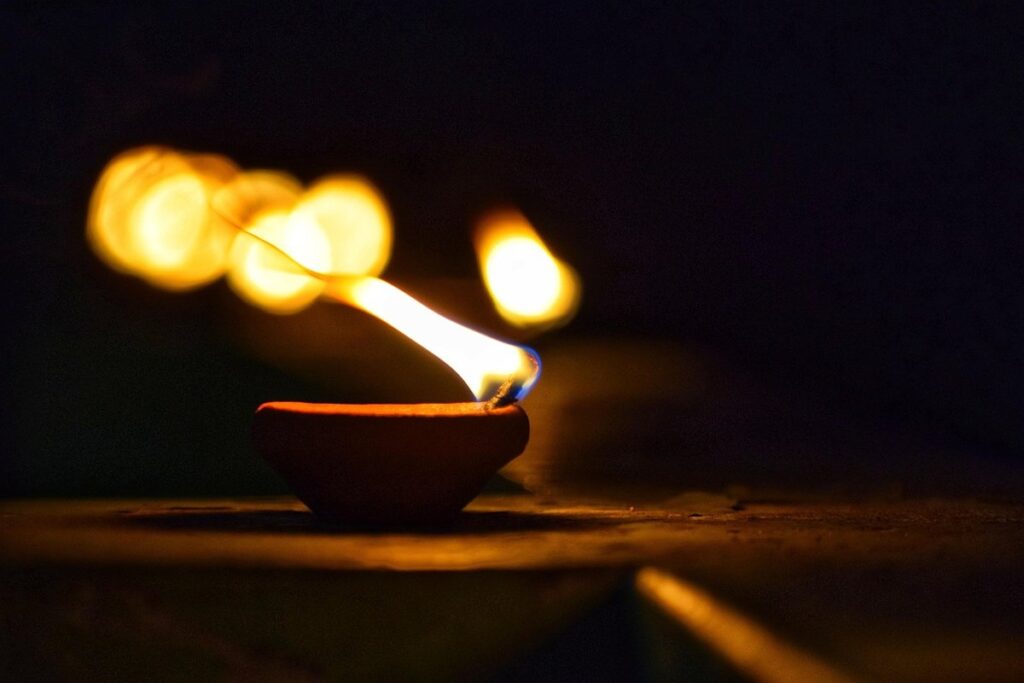
The lighting of diyas and candles is an integral part of Diwali celebrations, symbolizing the welcome of the goddess Lakshmi. The diyas, small earthen lamps, are typically filled with ghee or oil and wicks made of cotton or paper. These lamps are then lit and placed in various corners of the home, particularly in the puja room or altar.
The use of diyas and candles not only adds to the festive atmosphere but also signifies the victory of light over darkness. As the goddess Lakshmi is revered as the embodiment of light and prosperity, the lighting of diyas and candles is a way to invite her into the home and seek her blessings. The soft glow of the diyas and candles also represents the warmth and hospitality that is characteristic of Indian culture.
In many households, the diyas are lit in a specific pattern, often with a row of diyas placed along the windowsills or in the courtyard. This creates a beautiful and inviting ambiance, making the home feel like a haven of peace and tranquility.
Worship of Goddess Lakshmi
The worship of Goddess Lakshmi is a significant aspect of Diwali celebrations, as she is revered as the embodiment of prosperity, good fortune, and wealth. In Hindu mythology, Lakshmi is the consort of Lord Vishnu, the preserver of the universe, and is often depicted as a beautiful woman seated on a lotus flower. During Diwali, devotees offer prayers and worship to Lakshmi, seeking her blessings for a prosperous and happy life.
To worship Lakshmi, devotees typically create a makeshift altar in their homes, adorned with flowers, fruits, and other offerings. They then perform aarti, a ritualistic prayer ceremony, where they sing hymns and offer prayers to the goddess. Many people also perform the Lakshmi puja, a specific ritual that involves lighting diyas and candles, offering prayers, and performing a series of rituals to invoke the goddess’s blessings.
In addition to these rituals, devotees also offer specific items to Lakshmi, such as gold coins, silver jewelry, and other precious items, which are believed to bring good fortune and prosperity. By worshipping Lakshmi, devotees aim to invoke her blessings and seek her guidance for a successful and happy life.
Fireworks and Crackers
During Diwali celebrations, fireworks and crackers play a significant role in driving away evil spirits and bringing good luck. The loud explosions of crackers are believed to scare away the darkness and evil forces, making way for the triumph of good over evil. In many households, crackers are bursting in the air, creating a festive atmosphere.
The tradition of bursting crackers dates back to the ancient times when people believed that the loud noise would ward off evil spirits and bring prosperity. Today, this tradition continues to be an integral part of Diwali celebrations. People buy crackers in advance, often in large quantities, to ensure a spectacular display.
However, it’s worth noting that the use of fireworks and crackers has also raised concerns about air pollution and noise pollution. To minimize the impact, many people now opt for eco-friendly alternatives, such as candles and diyas, to light up their homes. Nevertheless, the tradition of bursting crackers remains a beloved part of Diwali celebrations, symbolizing the victory of light over darkness.
Diwali in Modern Times
As we celebrate Diwali with vibrant lights and festivities, it’s interesting to see how this ancient tradition is evolving in modern times, with new ways of observing the holiday emerging.
How Diwali is Celebrated Today
Diwali is celebrated with great fervor and enthusiasm today, with people from all walks of life participating in the festivities. The festival has become a time for families and friends to come together, exchange gifts, and share in the joy of the season. In many cities, large public festivities are organized, featuring music, dance, and cultural performances. For example, in India, the government organizes light and sound shows at iconic monuments like the Red Fort and Qutub Minar.
In addition to public events, individuals and communities also celebrate Diwali in their own unique ways. Many people participate in traditional rituals, such as worshiping Goddess Lakshmi and exchanging gifts with loved ones. Others use the opportunity to engage in acts of charity and kindness, such as feeding the poor and visiting the elderly. With the rise of social media, people are also sharing their Diwali celebrations online, creating a global sense of community and connection. Whether in person or online, the spirit of Diwali remains the same – a celebration of light, love, and togetherness.
Impact of Diwali on Economy
Diwali is a significant contributor to India’s economy, with the festival generating substantial revenue through various channels. People spend heavily on decorations, gifts, and sweets, which boosts the sales of local artisans, small businesses, and industries. According to a report, the average Indian spends around ₹10,000 to ₹20,000 on Diwali celebrations, with the total expenditure estimated to be around ₹40,000 crore.
The spending pattern varies across different regions and communities, with some areas focusing more on traditional items like diyas, candles, and sweets. In contrast, urban areas tend to spend more on modern decorations, electronics, and luxury items. The festival also creates employment opportunities for artisans, craftsmen, and small-scale manufacturers who produce Diwali-related goods.
To maximize the economic benefits of Diwali, people can consider buying local products, supporting small businesses, and opting for eco-friendly decorations. Additionally, individuals can explore online marketplaces and e-commerce platforms to purchase Diwali-related items, which can help reduce congestion and promote sustainable consumption. By adopting these practices, people can contribute to the festival’s economic impact while also promoting social and environmental responsibility.
Cultural Significance of Diwali
Diwali brings people together, fostering a sense of community and social bonding. This is perhaps one of the most significant cultural aspects of the festival. As the lights illuminate homes and streets, families and friends gather to celebrate the triumph of light over darkness. Neighborhoods come alive with the sounds of laughter, music, and fireworks, creating a festive atmosphere that transcends individual differences.
During Diwali, people often engage in acts of kindness and generosity, such as exchanging gifts, sharing traditional sweets, and participating in community service. These small gestures help strengthen social bonds and create a sense of belonging. In many cities, community events and cultural programs are organized to promote the festival’s spirit. For example, temples and cultural centers may host Diwali fairs, where people can come together to learn about the festival’s history, traditions, and significance.
By participating in Diwali celebrations, individuals can experience the joy of community and social bonding. If you’re new to the festival, consider reaching out to friends or family who celebrate Diwali and ask if you can join in their celebrations. Alternatively, look for local community events or cultural programs that promote the festival’s spirit.
Conclusion
As we bring this journey through Diwali to a close, we’ll summarize the key takeaways and reflect on the significance of this vibrant festival in Indian culture.
Reflection on Diwali Celebrations
Diwali is a festival that not only illuminates homes and streets with diyas and candles but also brings people together in a spirit of togetherness and joy. It’s a time for families to bond over traditional sweets and decorations, and for communities to come together to celebrate the triumph of light over darkness.
One of the key aspects of Diwali celebrations is the emphasis on reflection and renewal. As the festival symbolizes the victory of good over evil, it’s a reminder to individuals to reflect on their own lives and make amends for past mistakes. This is often done through prayer and worship, particularly the worship of Goddess Lakshmi, who represents prosperity and good fortune.
To make the most of this reflective time, try setting aside a quiet moment each day to think about your goals and aspirations. What are you grateful for? What can you improve on? This introspection can help you recharge and come back to your daily life with a renewed sense of purpose. By embracing the spirit of Diwali, you can cultivate a deeper understanding of yourself and the world around you.
Importance of Diwali Celebrations
Diwali celebrations play a vital role in promoting cultural heritage and fostering social bonding. By observing the festival’s traditions and rituals, families and communities come together to strengthen their ties. The exchange of gifts, sweets, and cards between relatives and friends helps to create a sense of belonging and togetherness. This communal aspect of Diwali celebrations is essential for preserving cultural heritage, as it allows people to pass down traditions and stories from one generation to the next. In addition, the festival’s emphasis on hospitality and generosity encourages individuals to engage in acts of kindness and charity, further solidifying social bonds.
For instance, many families organize Diwali puja (worship) ceremonies, where they invite neighbors and friends to join in the festivities. This not only brings people together but also helps to build relationships and foster a sense of community. By participating in Diwali celebrations, individuals can experience the joy of cultural heritage and social bonding firsthand. Whether it’s through lighting diyas, exchanging gifts, or simply spending quality time with loved ones, Diwali offers a unique opportunity to connect with others and celebrate the beauty of cultural diversity.
Frequently Asked Questions
Can I celebrate Diwali if I’m not Hindu?
Yes, Diwali is a festival that symbolizes light over darkness and good over evil, making it a universal celebration that can be appreciated by people of all faiths and backgrounds. You can participate in the festivities and learn about the traditions without being Hindu, and even incorporate your own cultural practices into the celebrations.
What if I’m short on time for Diwali preparations?
Don’t worry, you can still participate in the festivities even with a busy schedule. Prioritize the most essential activities, such as cleaning and decorating your home, and consider delegating tasks to family members or friends. You can also opt for simpler decorations and traditions that don’t require too much time or effort.
How do I know when to start shopping for Diwali?
The ideal time to start shopping for Diwali is a few weeks before the festival, so you can get the best deals on decorations, clothes, and gifts. Keep an eye on sales and discounts, and try to avoid last-minute shopping, which can be stressful and expensive.
Can I use electric candles instead of diyas for Diwali?
Yes, electric candles are a great alternative to diyas, especially if you’re short on time or prefer a safer option. You can use them to light up your home and create a festive atmosphere, and they’re also a good option if you have young children or pets.
What if I’m on a tight budget for Diwali celebrations?
You don’t need to break the bank to celebrate Diwali. Focus on the most essential activities, such as cleaning and decorating your home, and consider making your own traditional sweets instead of buying them. You can also opt for simpler decorations and traditions that don’t require too much money or resources.