Draw culture has been an integral part of human expression for centuries. From ancient cave paintings to modern-day street art, drawing has played a significant role in shaping our understanding of ourselves and the world around us. You might be surprised to learn that draw culture encompasses not only visual arts but also performance, installation, and even social activism. Whether it’s traditional Japanese sumi-e or contemporary graffiti, drawing has been used as a means of storytelling, self-expression, and community building across cultures and throughout history. But what makes draw culture so unique? What role does it play in our lives today? In this article, you’ll discover the fascinating history, diverse types, and cultural significance of draw culture, as well as its therapeutic benefits and global impact.
Origins and History of Draw Culture
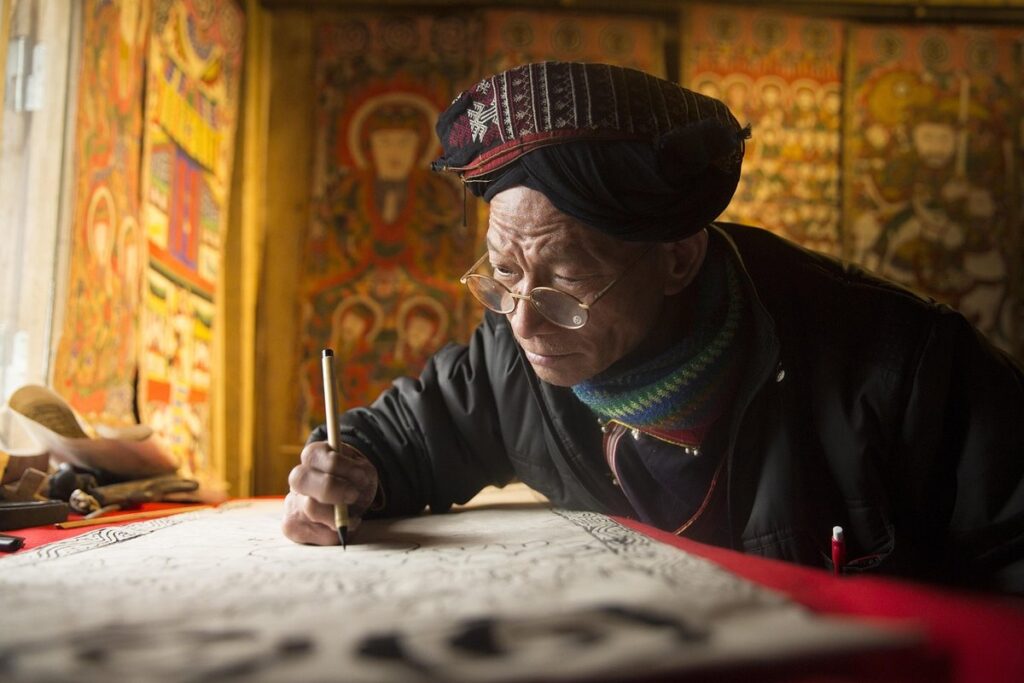
Draw culture has its roots in ancient traditions, evolving over time through various forms of visual expression. Let’s examine how it all began, from its earliest influences to modern-day manifestations.
Ancient Roots: Early Forms of Drawing
Ancient civilizations have left behind a rich legacy of early forms of drawing, which not only showcase their artistic talents but also demonstrate a deep understanding of human expression. Cave paintings from Lascaux and Altamira, dating back to around 17,000 years ago, are some of the most ancient examples of prehistoric art. These vibrant depictions of animals, humans, and abstract shapes were likely used for ritualistic purposes or as a means of storytelling.
Similarly, ancient Egyptian tomb paintings and artifacts reveal a sophisticated understanding of drawing techniques, including perspective and proportion. The Egyptians’ use of hieroglyphics – a combination of logograms and phonetic signs – also shows a remarkable grasp of visual language. In contrast, ancient Greek and Roman art often featured more idealized forms, emphasizing beauty over realism.
These early forms of drawing not only have historical significance but also continue to influence modern art. By studying the techniques and styles used by our ancestors, contemporary artists can gain valuable insights into the evolution of drawing culture.
Evolution of Drawing Techniques
Drawing techniques have undergone significant transformations over time, influenced by cultural exchange, technological advancements, and artistic innovation. One of the earliest recorded milestones is the discovery of perspective in ancient Greece around 500 BCE. This breakthrough enabled artists to create more realistic and immersive drawings. The invention of graphite pencils in the 16th century further expanded drawing possibilities. In the 19th century, the development of watercolor and tempera paint opened up new expressive avenues.
The early 20th century saw a surge in abstract expressionism, led by pioneers like Jackson Pollock and Mark Rothko. Their experiments with non-traditional materials and techniques pushed the boundaries of drawing. The advent of digital art software in the latter half of the 20th century introduced an entirely new realm of creative possibilities. Today, artists can harness the power of AI-assisted tools to generate intricate patterns or manipulate images at an unprecedented scale.
Throughout its evolution, draw culture has been shaped by a constant interplay between traditional and innovative approaches. As drawing techniques continue to adapt to new technologies and artistic movements, one thing remains constant: the human drive to express creativity through visual means.
Types of Draw Culture: From Sketching to Street Art
Draw culture encompasses a wide range of creative expressions, from quick sketches to elaborate murals, each with its own unique style and purpose. Let’s take a closer look at some of these diverse forms.
Sketching and Illustration
Sketching and illustration are fundamental forms of draw culture that have been practiced for centuries. From traditional mediums like pencils and charcoal to digital drawing tools, artists continue to experiment with various styles and techniques. One notable trend is the resurgence of hand-drawn illustrations in advertising and graphic design. Artists like Ryan Inzalaco and Joey Ellis have gained recognition for their intricate, detailed work.
Many illustrators now incorporate mixed media, combining traditional materials with modern technology. For example, using a digital drawing tablet to refine pencil sketches or adding texture with paint or ink. This fusion of old and new allows artists to explore new creative avenues while still honoring traditional techniques. Some illustrators focus on realistic depictions, while others opt for more stylized or abstract approaches.
When it comes to purposes, illustrations can serve as standalone art pieces, or be used to convey information in a clear and engaging manner. Educational institutions often commission illustrators to create visual aids that help students better understand complex concepts.
Graffiti and Street Art
Graffiti and street art have evolved from underground counterculture movements to mainstream forms of self-expression and social commentary. This shift can be attributed to the work of pioneers like Banksy, who use their art to critique societal norms and politics. The rise of urbanization has also contributed to the proliferation of graffiti and street art, as cities provide a canvas for artists to express themselves.
In many parts of the world, graffiti is no longer seen as vandalism but rather as a legitimate form of artistic expression. Cities like Berlin, Melbourne, and Valparaíso have transformed their streets into vibrant outdoor galleries, showcasing works by local and international artists. This shift in perception has also led to increased collaborations between street artists, museums, and local governments.
When engaging with graffiti and street art, it’s essential to consider the context and intentions behind each piece. Some artworks may be meant to challenge authority or provoke conversation, while others might be purely aesthetically driven. By understanding the nuances of these art forms, viewers can appreciate the complexity and depth they bring to urban landscapes.
The Role of Technology in Draw Culture
Draw culture has evolved significantly over time, thanks to technological advancements that have opened up new possibilities for artists and makers. We’ll explore how tech is shaping this creative landscape.
Digital Drawing Tools and Software
Digital drawing tools and software have revolutionized the way artists create and share their work. With a vast array of options available, it’s essential to understand both the benefits and limitations of these digital mediums.
One significant advantage is the ability to experiment with different styles and techniques without wasting physical materials. Digital drawing apps like Procreate and Adobe Illustrator offer a wide range of brushes, pencils, and other tools that mimic traditional media. This versatility allows artists to explore new ideas and refine their craft more efficiently.
However, some digital tools can be overwhelming due to the sheer number of options available. Beginners may feel daunted by the complexity of certain software, leading to frustration and decreased productivity. To mitigate this, it’s crucial to choose a tool that aligns with your skill level and artistic goals.
When selecting digital drawing software, consider the following factors: ease of use, compatibility with your device, and the availability of tutorials and online resources. By carefully evaluating these elements, you can harness the full potential of digital drawing tools and software to enhance your creative process.
Virtual Reality and Augmented Reality Applications
Virtual reality (VR) and augmented reality (AR) technologies are revolutionizing the draw culture landscape. These innovative tools are enabling artists to push boundaries and create immersive experiences like never before. For instance, VR art installations are popping up in galleries and museums worldwide, allowing viewers to step into and interact with three-dimensional artworks.
AR is also being used to merge digital art with physical spaces. Artists can use AR to add layers of meaning and context to their work by embedding virtual elements within public sculptures or murals. This fusion of the physical and digital creates a new level of engagement for the viewer, blurring the lines between reality and fantasy.
Some notable examples include the “Infinity Room” installations by teamLab, which use VR to create infinite, immersive environments, and the street art project “AR Street Art,” which overlays virtual graffiti onto real-world cityscapes. As VR and AR continue to evolve, they are likely to play an increasingly important role in shaping the future of draw culture. Artists who adapt these technologies will be at the forefront of this revolution, pushing the boundaries of what is possible with art.
Psychological Benefits of Engaging in Draw Culture
Engaging with draw culture has a profound impact on our mental well-being, offering a unique escape from daily stress and anxiety. Let’s explore how this creative outlet benefits our emotional health.
Stress Relief and Mindfulness
Drawing can be a calming activity that helps you unwind and relax. Many people turn to drawing as a way to manage stress and anxiety by focusing on the creative process rather than dwelling on worrisome thoughts. The repetitive motion of drawing, such as shading or hatching, can even have a meditative effect.
When done regularly, drawing can also increase mindfulness. By concentrating on the tactile experience of holding a pencil or brush, you become more aware of your surroundings and the present moment. This mindfulness can translate to other areas of life, making it easier to stay focused and centered.
One way to incorporate drawing into your stress relief routine is to try slow and deliberate strokes, letting go of any pressure to create a perfect piece. Another technique is to focus on simple shapes or patterns, allowing you to clear your mind and quiet your thoughts. Experimenting with different mediums and styles can also help you find what works best for you, making the experience even more enjoyable and therapeutic.
Confidence Boosting and Creative Expression
Engaging in draw culture can be a powerful way to boost self-confidence and provide an outlet for creative expression. When individuals create art, they are able to tap into their imagination and bring their ideas to life. This process can be incredibly empowering, as it allows people to take control of their creativity and express themselves freely.
Research has shown that engaging in artistic activities like drawing can increase self-esteem and confidence levels. For instance, studies have found that children who participate in art programs tend to exhibit higher levels of self-confidence compared to those who do not. Similarly, adults who engage in creative pursuits like drawing may find that their self-confidence increases as they develop new skills and techniques.
To experience the confidence-boosting effects of draw culture for yourself, try setting aside time each week to practice drawing or sketching. Start with simple exercises, such as drawing basic shapes or copying a still-life composition. As you become more comfortable with your materials and techniques, challenge yourself by trying new styles or mediums. With regular practice, you may find that your confidence grows, allowing you to express yourself more freely through art.
Cultural Significance and Impact of Draw Culture
Draw culture has become a beloved global phenomenon, transcending art forms and speaking to people from all walks of life. In this next part, we’ll explore its profound cultural significance and lasting impact on our society.
Representation and Diversity
Draw culture has long been criticized for its lack of representation and diversity. Many artists from marginalized communities have historically been excluded from mainstream art institutions, galleries, and exhibitions. This exclusion has not only denied them opportunities for exposure but also perpetuated the erasure of their cultural contributions to the world of draw culture.
The impact of this exclusion is far-reaching. For example, women are vastly underrepresented in traditional art history, making up only a small percentage of artists featured in major museums and exhibitions. Similarly, people of color are often relegated to secondary or minor roles within the art world, rather than being celebrated as leading figures.
In recent years, however, there has been a growing effort to address this issue through initiatives such as inclusive art programs, diversity-focused art competitions, and online platforms showcasing underrepresented artists. These efforts not only provide opportunities for marginalized artists to showcase their work but also promote greater understanding and appreciation of diverse perspectives within the world of draw culture.
This shift is crucial, not just for artistic representation but also for reflecting the true breadth and complexity of human experience.
The Global Reach of Draw Culture
Draw culture has become a truly global phenomenon, with artists and creatives from diverse backgrounds influencing and collaborating with one another. The internet and social media have played a significant role in facilitating cross-cultural exchange, allowing artists to share their work and connect with others worldwide. For instance, the rise of digital drawing tools and platforms has enabled remote collaborations between artists from different countries.
The influence of global cultures on draw culture can be seen in various forms. In Asia, for example, traditional techniques such as sumi-e have been incorporated into modern street art. Similarly, African-American artists have brought their unique styles and perspectives to the world of graffiti and muralism. The fusion of these diverse influences has given rise to a vibrant and dynamic global draw culture.
Examples of successful collaborations between artists from different countries can be found in various forms of media. Documentaries such as “The Art of Banksy” showcase the work of street artists who have gained international recognition for their murals. Online platforms like DeviantArt and Instagram also feature an array of talented artists from around the world, sharing their work and engaging with a global audience. By embracing diversity and collaboration, draw culture continues to evolve and thrive on a global scale.
Challenges and Controversies in Modern Draw Culture
Draw culture has always been a subject of debate, with some arguing that it’s a harmless form of artistic expression while others see it as a threat to traditional art forms. Let’s examine some of the most contentious issues surrounding modern draw culture.
Copyright and Intellectual Property Issues
Drawers and artists often work with existing styles, techniques, and references to create new pieces. However, this process can raise complex copyright and intellectual property issues. For instance, using copyrighted images or characters without permission is a clear infringement of the original creator’s rights.
The line between homage and plagiarism can be blurry. While drawing inspiration from others’ work is acceptable, closely imitating someone else’s style or copying their designs without consent is not. The internet has made it easier to access and share art, but this also means that creators must be more mindful of their own intellectual property rights.
When working with public domain images or using open-source software, consider the terms and conditions of these resources. Some may require attribution, while others may have specific usage guidelines. Properly crediting sources not only respects their work but also helps build a culture of transparency and respect within the draw community.
Balancing Artistic Freedom and Social Responsibility
Draw culture often finds itself at a crossroads between artistic freedom and social responsibility. On one hand, artists need room to experiment and express themselves without fear of censorship. However, their work can also have a significant impact on the world around them. A single drawing or mural can spark conversations about racism, sexism, or other pressing issues.
The challenge lies in finding a balance between creative expression and social awareness. For instance, some artists may choose to tackle sensitive topics like police brutality through their work. While this can lead to powerful statements and important discussions, it also raises questions about the artist’s responsibility to consider the potential impact on vulnerable communities.
In practice, this balance is often achieved by artists engaging in ongoing dialogue with their audience and staying informed about the social context of their work. They may also choose to collaborate with community leaders or organizations to ensure that their message is conveyed respectfully and effectively. Ultimately, navigating the relationship between artistic freedom and social responsibility requires a nuanced understanding of both the artist’s role and the potential consequences of their actions.
Frequently Asked Questions
Can I learn to draw from scratch using digital drawing tools?
Yes, many artists have successfully transitioned to digital drawing and have built their skills from the ground up. With practice and patience, you can master various digital techniques, including layering, blending modes, and brush customization.
How do I balance artistic freedom with social responsibility in my street art?
While it’s essential to express yourself freely, consider the potential impact of your work on your community. Think about the message you’re conveying, and ensure that it doesn’t inadvertently offend or marginalize specific groups. Be mindful of local regulations and obtain necessary permits before creating public art.
Can I use augmented reality (AR) tools to create immersive experiences in traditional drawing?
Yes, some AR software allows you to combine physical drawings with digital layers, enabling you to create interactive, 3D environments. Experiment with different tools and platforms to find the one that suits your artistic vision and skill level.
What if my local government or school bans certain types of street art? How can I advocate for change?
Start by organizing a community meeting or petition to raise awareness about the importance of street art as a form of self-expression. Research local laws and ordinances, and work with officials to propose amendments that protect artists’ rights while maintaining public safety.
Can digital drawing software help me overcome creative blocks when illustrating?
Yes, many digital tools offer features like random brushes, pattern generators, or AI-powered suggestions to stimulate your creativity. Experiment with different options to find what works best for you, and don’t be afraid to try new techniques or mediums to break out of your comfort zone.