For many Muslims around the world, Eid celebrations are a time of great joy and festivity. But have you ever wondered how those dates are determined? The answer lies in moon sighting, a traditional method used to announce the start of Ramadan and Eid festivities. In Islamic tradition, the sighting of the new moon marks the end of Ramadan and the beginning of Eid al-Fitr or Eid al-Adha celebrations. However, with regional variations and modern technology playing a larger role, accurate timing has become increasingly important for Muslims everywhere. This article will explore how moon sighting determines Eid dates, examine traditional methods alongside modern approaches, and discuss the significance of precise timing in Islamic celebrations and daily life – by the end of this piece, you’ll have a deeper understanding of the importance of accurate Eid moon sightings and be able to determine the correct date for your community.
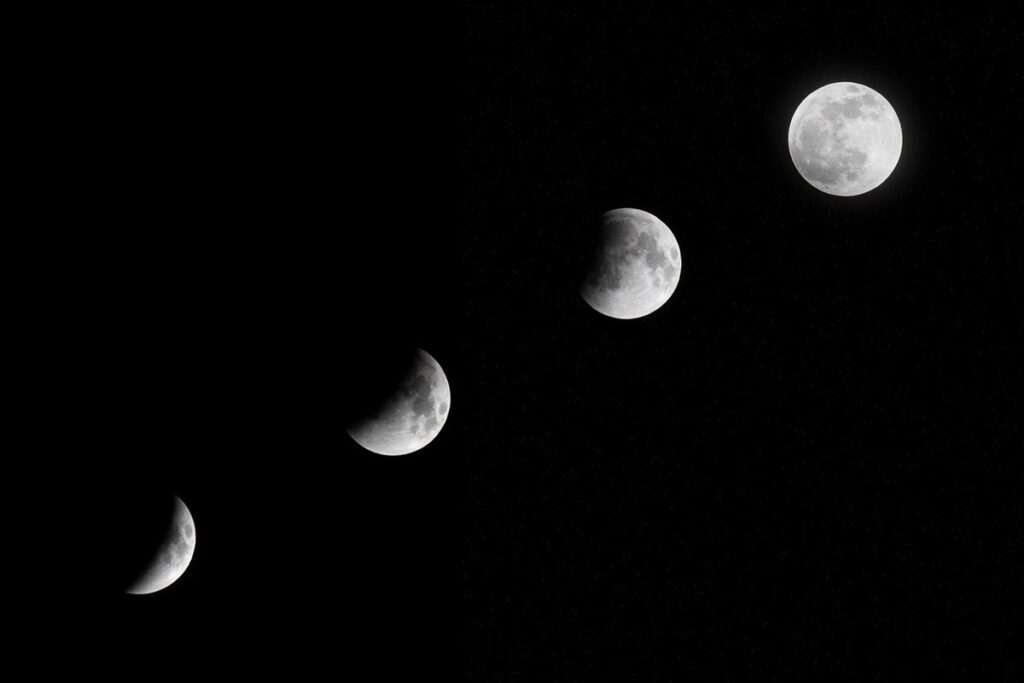
Understanding the Significance of Eid Moon Sighting
The significance of Eid moon sighting lies not just in its ceremonial value, but also in its impact on the spiritual lives of Muslims around the world. Understanding this concept is crucial for those who observe this sacred holiday.
Historical and Cultural Importance
Eid moon sighting holds immense historical and cultural significance within Islamic traditions. The sighting of the new moon marks the beginning of the holy month of Ramadan, a period of fasting, reflection, and spiritual growth for Muslims worldwide. This ancient practice dates back to the time of the Prophet Muhammad, who instructed his followers to look for the crescent moon with the naked eye.
In many Muslim-majority countries, Eid moon sighting is not just a ritual but an integral part of daily life. Communities often come together to witness the moon, fostering a sense of unity and shared experience. In some regions, this collective effort has been passed down through generations as a cherished family tradition. The cultural importance of Eid moon sighting extends beyond mere observance; it also serves as a reminder of the Prophet’s teachings on patience, self-discipline, and gratitude.
The significance of Eid moon sighting can be seen in its impact on local customs and celebrations. For example, some communities hold special events or festivals to mark the occasion, while others use this opportunity to reflect on their faith and personal growth. By understanding the historical and cultural context surrounding Eid moon sighting, Muslims can deepen their appreciation for this cherished tradition.
Role of Moon Sighting in Islamic Calendar
The start of each month in the Islamic calendar is determined by moon sighting, which has significant implications for various events and celebrations. One of the most crucial occasions tied to the lunar cycle is Eid al-Fitr and Eid al-Adha. The timing of these festivals hinges on the confirmation of the new crescent moon, marking the beginning of a new month.
In Islamic tradition, the sighting of the new moon initiates the 29th or 30th day of the previous month, depending on whether it is a short or long month. This determination has far-reaching consequences for Muslims worldwide as they plan and prepare for important events like Ramadan’s end and Hajj. The start of Eid al-Fitr, for instance, is typically celebrated when the new crescent moon is sighted, signifying the completion of the fasting period.
For this reason, accurate moon sighting is essential to ensure that Muslims observe their significant holidays at the right time. This involves not only verifying the lunar visibility but also considering factors such as geographical location and weather conditions.
Preparing for Eid Moon Sighting
To begin preparing for Eid moon sighting, it’s essential to understand the different methods used by various countries and communities around the world. Familiarizing yourself with these methods will help you stay informed about the impending celebration.
Identifying Official Announcement Sources
To accurately determine when Eid will be celebrated, it’s essential to rely on official announcements from trusted sources. Mosques, Islamic centers, and government bodies typically issue statements regarding moon sighting times and dates. You can find these announcements on the websites of local mosques or Islamic centers, which often provide updates in real-time.
Government bodies may also release official notifications through their websites or social media channels. For instance, in Saudi Arabia, the Ministry of Islamic Affairs issues a moon sighting announcement on its website, while in Indonesia, the Ministry of Religious Affairs provides updates on its Twitter account.
When seeking information from these sources, look for specific details such as the exact date and time of Eid, as well as any instructions or guidelines for prayer times. Some mosques may also provide live updates through their Facebook pages or mobile apps. In addition to online resources, you can also contact local Islamic centers or mosques directly via phone or email to inquire about moon sighting announcements.
By relying on official sources, you can ensure that your Eid celebrations align with the lunar calendar and are in compliance with Islamic traditions.
Importance of Eyewitness Accounts
Eyewitness accounts of the crescent moon play a vital role in confirming its sighting and determining Eid timing. These accounts are typically gathered from trusted individuals who have observed the moon with their naked eye, often under the guidance of local mosque authorities or experienced astronomers.
To verify eyewitness accounts, mosques and Islamic organizations usually conduct thorough investigations, including interviews with the witnesses and cross-checking their testimonies with other credible sources. This process helps to ensure that the sighting is genuine and not based on speculation or misinformation. Once verified, eyewitness accounts are used as key evidence in determining the exact timing of Eid celebrations.
In some cases, mosques may also use a system of countersigning, where multiple witnesses sign off on their testimony to confirm its authenticity. This process adds an extra layer of transparency and accountability to the moon sighting process. By relying on eyewitness accounts, Muslims can have confidence that the Eid celebrations are based on a genuine sighting of the crescent moon, rather than speculation or calculation.
Techniques for Moon Sighting
To accurately spot the Eid moon, you’ll want to learn various techniques that help identify it among the stars. This includes understanding how to use astronomical tools and observations.
Traditional Methods Using Naked Eye
Traditionally, moon sighting using the naked eye has been a widely accepted method for determining the start of Eid. This approach relies on visual observation of the crescent moon, typically during sunset or shortly after. The accuracy of this method is influenced by several factors, including atmospheric conditions and individual observer expertise.
For centuries, skilled astronomers and observers have successfully identified the crescent using the naked eye. However, in modern times, increased light pollution has significantly impacted the visibility of the moon, making it challenging for people living in urban areas to spot the crescent. Furthermore, varying atmospheric conditions, such as haze or clouds, can also hinder the visibility of the moon.
In many regions, the tradition of using the naked eye for moon sighting is still practiced, but its limitations have become more apparent. Observers often rely on favorable weather conditions and optimal viewing times to increase their chances of spotting the crescent. As a result, there may be instances where the accuracy of this method is compromised due to environmental factors.
Modern Technology and Its Role in Moon Sighting
Using technology has revolutionized moon sighting practices by providing more accurate and reliable results. Binoculars and telescopes enable observers to see the crescent moon even when it’s still too faint for the naked eye, allowing them to confirm its presence earlier in the evening. This is particularly useful for regions where the sun sets late or the atmosphere can obscure the view.
Mobile apps have also become a valuable tool for moon sighting, offering features such as augmented reality displays and real-time visibility predictions. These apps often rely on satellite imagery and astronomical data to provide accurate information about the moon’s position and visibility. Some popular examples of these apps include Moon Sighting Pro and Crescent Watch.
When choosing a mobile app or other technology for moon sighting, it’s essential to consider its accuracy and reliability. Look for apps that are backed by reputable organizations or experts in astronomy, and pay attention to user reviews and ratings. By leveraging the power of modern technology, observers can gain a more accurate understanding of the moon’s position and participate in the Eid celebration with confidence.
Challenges and Controversies in Eid Moon Sighting
Many Muslims face challenges when it comes to determining the correct date for Eid, which can lead to controversies surrounding moon sighting methods. These disputes often arise due to differing interpretations of Islamic traditions and astronomical observations.
Differences in Moon Sighting Practices Across Regions
Moon sighting practices vary significantly across different regions and communities. In some countries, Islamic authorities rely heavily on astronomical calculations to determine the exact date of Eid. These calculations take into account factors such as lunar cycles, solar time, and geographical location. This approach is often used in places where direct observation is challenging due to weather conditions or lack of skilled observers.
In contrast, many traditional communities place significant emphasis on direct observation by trained astronomers or experienced moon sighters. They believe that visual confirmation of the crescent moon is essential for verifying the start of a new month. However, this method can be subjective and prone to errors, as the visibility of the moon depends on atmospheric conditions.
Some countries have adopted a hybrid approach, combining astronomical calculations with direct observation. For instance, in some regions, authorities announce the Eid date based on calculations while also allowing for visual confirmation by local observers. This compromise seeks to balance tradition with accuracy, acknowledging that no single method is foolproof.
Implications of Incorrect Moon Sighting
Incorrect moon sightings can have far-reaching consequences for Muslims worldwide. When Eid celebrations are delayed due to late or incorrect sightings, it disrupts communal gatherings and festivities, causing disappointment and frustration among believers. In some regions, the delay may also impact travel plans, as many Muslims plan their journeys according to the announced Eid date.
In addition to social implications, incorrect moon sightings can have economic consequences. For instance, merchants who rely on Eid-related sales may suffer losses if the celebrations are delayed or cancelled. Furthermore, in countries where Eid is a public holiday, late announcements can disrupt business operations and cause inconvenience to employees and employers alike.
A single misstep in moon sighting can also affect daily life for Muslims. In many communities, Eid preparations involve specific rituals and customs that must be observed within a narrow window of time. If the moon is sighted late or incorrectly, these traditions may not be able to take place as planned, leading to emotional distress and disappointment among believers.
Conclusion: Harmonizing Tradition with Modernity
As we conclude our comprehensive guide to Eid moon sighting, let’s reflect on how tradition and modernity can come together seamlessly in our search for the correct date. This harmony is essential for a unified celebration.
Balancing Tradition with Accuracy in Moon Sighting
In modern times, it’s becoming increasingly clear that traditional moon sighting methods can be complemented by astronomical calculations and technology to ensure accuracy. For instance, using a combination of naked eye observations and telescopic views can provide a more comprehensive understanding of the lunar phase. Similarly, incorporating solar time into moon sighting practices can help reduce discrepancies between local and international sightings.
Astronomical calculations can also play a crucial role in verifying the exact timing of the new moon. This information can be used to coordinate with official announcement sources and eyewitness accounts, ensuring that the community is informed about the correct date for Eid celebrations.
By embracing this harmonious balance between tradition and modernity, communities can avoid the pitfalls of incorrect moon sighting while still honoring their cultural heritage. In practice, this might mean consulting with local astronomical experts or using online tools to verify the new moon’s timing before making an official announcement.
The Future of Eid Moon Sighting
As Eid moon sighting continues to evolve, several future trends are likely to shape its practice. One notable shift is the increased reliance on technology. With advancements in satellite imaging and mobile apps, it’s becoming easier for individuals and communities to verify moon sightings accurately. This trend may lead to more widespread adoption of modern methods, potentially mitigating the challenges associated with traditional naked-eye observations.
International coordination is another possible development. As global Islamic communities become more interconnected, they may establish standardized protocols for moon sighting, ensuring a unified approach across regions. This could involve sharing data and expertise to enhance accuracy and consistency.
Some might argue that this trend towards modernization will lead to a decline in traditional practices. However, others suggest that technology can also be used to revitalize and preserve ancient methods, making them more accessible and engaging for new generations. In fact, some communities are already experimenting with innovative approaches that combine digital tools with time-honored traditions.
Frequently Asked Questions
How to Verify Eyewitness Accounts for Moon Sighting
Eyewitness accounts play a crucial role in confirming moon sighting, but how can you verify the accuracy of these accounts? To ensure authenticity, look for multiple eyewitnesses from different locations with similar descriptions of the crescent moon. Additionally, check if the eyewitnesses have a good reputation within their community and are known for their honesty.
Can I Use Mobile Apps to Determine Eid Dates?
While mobile apps can be a useful tool in determining Eid dates, how accurate are they? Most reputable mobile apps use a combination of astronomical calculations and direct observation data from multiple locations. Look for apps that provide detailed explanations of their methods and sources. It’s also essential to cross-check app results with official announcements from mosques or Islamic centers.
What If I Miss the Official Moon Sighting Announcement?
Missing an official announcement can be stressful, especially when planning Eid celebrations. If you miss the announcement, look for alternative sources of information, such as local news outlets or social media groups focused on Eid preparations. You can also contact your mosque or Islamic center directly to inquire about moon sighting confirmation.
Is It Possible to Use Technology Alone for Moon Sighting?
While technology has improved moon sighting practices, relying solely on it might not be enough. Direct observation by multiple eyewitnesses is still essential in confirming the crescent moon’s visibility. However, technology can supplement traditional methods by providing more accurate astronomical calculations and helping to verify eyewitness accounts.
Can I Use Binoculars or a Telescope for Moon Sighting?
Binoculars or telescopes can enhance your ability to observe the crescent moon, but how do you use them effectively? When using optical instruments, make sure to follow proper viewing techniques to avoid straining your eyes. Also, be aware of potential light pollution in your area and consider using a red light filter to preserve night vision.