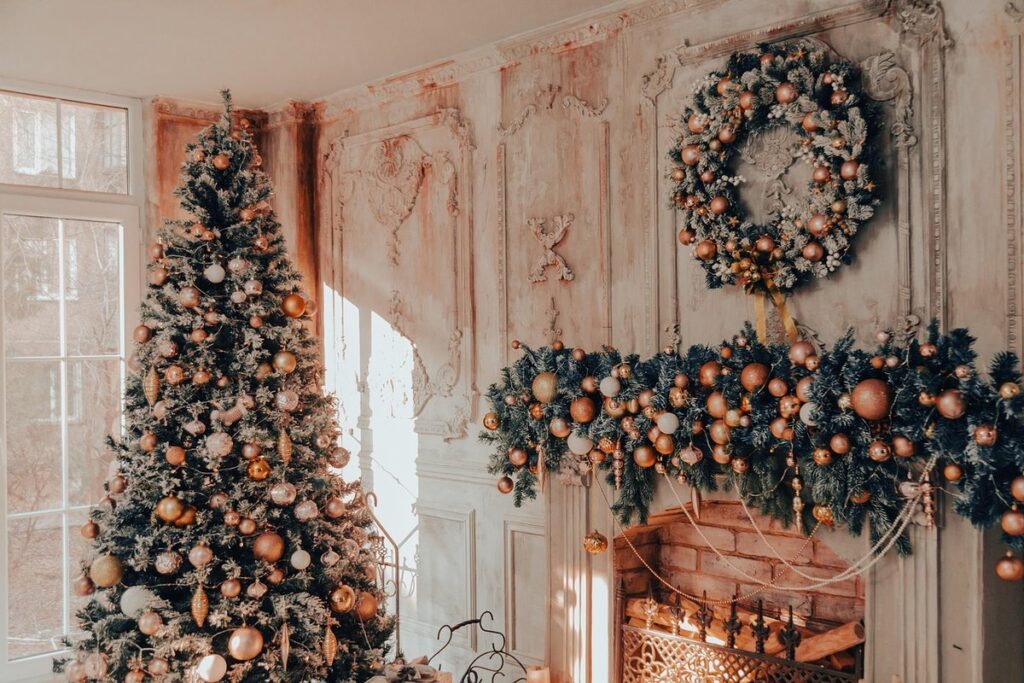
Winter in Europe is a time for festive celebrations that are as diverse as they are rich. From Germany’s magical Christmas markets to Italy’s vibrant New Year’s Eve festivities, each country has its own unique traditions and customs that make the winter season special. But what sets European countries apart from one another? For instance, did you know that in some parts of Scandinavia, it’s customary to leave out a bowl of porridge for Santa Claus on Christmas Eve? Or that in Spain, it’s bad luck to clean your house during the Twelve Days of Christmas? As we explore the unique winter traditions across Europe, from traditional foods and folklore to superstitions and festivals, you’ll discover just how varied and fascinating these celebrations can be. By the end of this article, you’ll have a deeper understanding of the rich tapestry of seasonal celebrations that make each European country’s winter season so special.

Christmas in Europe
As you imagine a festive European winter, chances are visions of twinkling lights and merry markets come to mind. Let’s start by exploring how different countries celebrate Christmas in style.
The Origins of Christmas in European Cultures
Christmas has a rich and varied history across European cultures. The celebration as we know it today is a blend of pre-Christian traditions and Christian influences. In ancient Europe, winter festivals were observed to mark the longest night of the year and the return of the sun. These festivals often involved feasting, gift-giving, and merriment.
As Christianity spread throughout the continent, Christmas evolved to incorporate elements from these earlier celebrations. The early Christian church celebrated Epiphany (January 6th) as a major feast day, but it wasn’t until the Middle Ages that Christmas Day (December 25th) became widely observed. In Germany and Austria, for example, the Christkindl tradition emerged, where a gift-giving figure known as the Christ Child brings presents on Christmas Eve.
In some European countries, Christmas has retained its pre-Christian roots more strongly than others. In Iceland, the Yule Lads (13 mischievous spirits) are said to visit children over the 13 nights leading up to Christmas. Meanwhile, in Italy, the Befana witch is celebrated as a kindly figure who brings gifts to children on January 6th. By understanding the complex origins of Christmas in European cultures, you can gain a deeper appreciation for the diversity and richness of winter traditions across the continent.
Traditional Christmas Foods in Europe
In Europe, Christmas dinner is a time-honored tradition that varies significantly from country to country. Germany’s stollen, a sweet bread filled with dried fruits and nuts, is often served on Christmas Eve, while Italy’s panettone, a rich fruitcake, is typically enjoyed on December 25th. In France, the traditional Christmas dinner features foie gras and roasted goose, accompanied by pommes dauphinoise (thinly sliced potatoes baked in cream).
In Scandinavia, Christmas dinner often centers around meatballs or gravlax (cured salmon), served with boiled potatoes and red cabbage salad. Meanwhile, in Eastern Europe, dishes like pierogi ruskie (potato and cheese-filled dumplings) and bigos (a hearty hunter’s stew) are staples of the Christmas table.
One common thread throughout these diverse traditions is the emphasis on seasonal ingredients and local specialties. When planning your own European-style Christmas dinner, consider incorporating regional ingredients and flavors to create a unique and authentic experience. For example, you might serve Swedish meatballs with lingonberry jam or Polish pierogi with fried onions and sour cream. By embracing the culinary traditions of Europe’s different countries, you can add a touch of festive flair to your holiday celebrations.
Unique Christmas Traditions in European Countries
In Iceland, Christmas is a time for mischievous Yule Lads to pay visits. These 13 Santa-like figures, each with their own unique character, leave small gifts and playful pranks on December 23rd through January 6th. Meanwhile, in Poland, families gather for Wigilia, a festive dinner that marks the beginning of Christmas Eve. A special meal featuring carp, pierogi, and other traditional dishes is followed by singing carols and exchanging gifts.
In Italy, La Befana, a kind but slightly forgetful witch, brings gifts to children on January 6th, Epiphany. According to legend, she was so busy cleaning her house that she missed the Three Wise Men’s visit and set out to find them. In some parts of Germany, a festive Christmas pickle is hidden in the tree branches for children to discover on Christmas morning.
These unique customs highlight the diversity of European winter traditions. By embracing these lesser-known practices, you can add a touch of authenticity to your holiday celebrations. Consider hosting a Wigilia-style dinner or creating a Yule Lads-themed activity for your family and friends. Whether it’s trying new foods, learning about local folklore, or simply embracing the festive atmosphere, incorporating European Christmas traditions into your holiday plans is sure to create lasting memories.
Winter Festivals and Fairs
From snow-covered markets in Germany to cozy festivities in France, we’ll take you on a tour of Europe’s most enchanting winter festivals and fairs. Each one offers a unique taste of local culture and charm.
Carnival Celebrations Across Europe
Carnival celebrations across Europe are a kaleidoscope of colors, music, and merriment. In Spain, the Carnaval de Cádiz is one of the most famous, with elaborate parades and floats that showcase the city’s rich cultural heritage. The festivities have their roots in medieval times, when they were held to bid farewell to winter.
In Italy, the Carnevale di Venezia is a spectacle not to be missed. With its ornate masks and extravagant costumes, the event has become an iconic representation of Venice’s artistic and cultural legacy. Visitors can explore the city’s hidden corners, attend masked balls, and marvel at the elaborate floats that sail through the Grand Canal.
In Germany, the Karneval in Cologne is a high-spirited celebration with music, dancing, and plenty of joie de vivre. The festivities typically take place over several weeks, culminating in a grand finale featuring parades, concerts, and a festive atmosphere that’s infectious to all who participate. Whether you’re attending one of these events or simply experiencing the local culture firsthand, carnival celebrations across Europe offer a unique glimpse into each country’s distinct traditions and customs.
Winter Markets and Christkindlsmarkt
As you stroll through traditional European winter markets and Christkindlsmarkt, you’re enveloped in a magical atmosphere that’s equal parts festive and charming. The air is filled with the scent of roasting chestnuts, mulled wine, and sweet pastries wafting from food stalls. You’ll discover an array of artisanal delicacies, such as German stollen, Austrian gingerbread, and Swedish pepparkaker, perfect for sampling or purchasing as gifts.
Handmade crafts and decorations abound, with skilled artisans showcasing their wares amidst twinkling lights and snowflakes. Expect to find intricately carved wooden ornaments, delicate glass baubles, and handmade jewelry that reflects the country’s unique cultural heritage. Don’t forget to explore the stalls offering traditional clothing and accessories, such as woolen hats, scarves, and gloves.
Some Christkindlsmarkt locations also feature ice skating rinks, festive music performances, and horse-drawn carriage rides. Be sure to visit during the evening hours when the markets are typically most lively and atmospheric. By immersing yourself in these vibrant winter market scenes, you’ll gain a deeper understanding of European traditions and perhaps even discover some unique souvenirs or gifts for loved ones back home.
New Year’s Eve Traditions
As we count down to midnight on December 31st, European cities and towns come alive with unique and festive traditions that mark the start of a new year. From Spain’s grapes to Germany’s champagne, every country has its own way of saying “Auf Wiedersehen” to the old year.
How Europeans Celebrate New Year’s Eve
In many European countries, New Year’s Eve is a time for celebration and merriment. One of the most distinctive customs is found in Spain, where people gather at midnight to eat 12 grapes, one for each stroke of the clock. This tradition is said to bring good luck and prosperity in the coming year.
In Germany, the celebrations are more adventurous. At midnight, some brave souls take a dip in icy lakes or rivers, known as “Neuerwerden,” which translates to “new courage.” This act is believed to wash away past mistakes and bring new strength for the upcoming year.
Other European countries have their own unique ways of ringing in the New Year. In Denmark and Norway, people jump off chair legs at midnight, while in Portugal and Brazil, it’s customary to drink champagne and eat 12 grapes, just like in Spain. Meanwhile, in some Eastern European countries, such as Poland and Russia, people gather around the TV to watch a special broadcast of the midnight fireworks over Moscow.
These diverse customs reflect the rich cultural heritage of Europe and offer a glimpse into the continent’s fascinating winter traditions.
Midnight Mass and Church Services
For many Europeans, New Year’s Eve is a time for spiritual renewal and community. Midnight Mass and church services are an integral part of this tradition, offering a chance to come together with others to reflect on the past year and look forward to the future.
In Catholic countries such as Poland and Italy, midnight Mass is a long-standing tradition that draws large crowds. In these countries, attending midnight Mass is seen as a way to begin the new year on the right foot, spiritually speaking. The service typically starts at around 11:30 PM, with many churches offering special prayers and hymns for the occasion.
In other European countries, such as Germany and Austria, church services may be held earlier in the evening or even on January 1st. However, the emphasis remains on community and spiritual renewal. Attending midnight Mass or a New Year’s Day service can be a meaningful way to connect with others during this time of year. Consider attending a local church service to experience this tradition firsthand and welcome the new year with a sense of hope and renewal.
Midwinter Celebrations: Yule and Epiphany
As we venture deeper into winter, many European cultures celebrate the longest night of the year with festivals and rituals to welcome back the sun. Let’s explore how midwinter is marked in Yule and Epiphany traditions across Europe.
Yule Log Traditions Across Europe
The yule log tradition has undergone significant transformations across European countries since its origins as a practical means of firewood. In medieval Europe, a large log was burned throughout the Twelve Days of Christmas to ensure a steady supply of warmth and light during the harsh winter months. This tradition was not only functional but also symbolic, representing the cycle of life, death, and rebirth.
In modern times, the yule log has become an integral part of festive decorations and rituals in many European countries. For instance, in France, it’s customary to burn a specially selected yule log on Christmas Eve, while in Germany, families often gather around the fireplace to sing carols and share stories as the log crackles. In some regions, the ashes from the previous year’s yule log are used to sprinkle around the house for good luck.
In terms of practical advice, consider selecting a sustainably sourced yule log or opting for an eco-friendly alternative. You can also repurpose old logs by decorating them with candles, ribbons, or other ornaments to create a unique centerpiece for your holiday gatherings.
Epiphany Celebrations in Europe
Epiphany, also known as Three Kings’ Day, is a significant midwinter celebration across Europe. In Spain and Portugal, the traditional figure of the Three Wise Men, known as los Tres Reyes Magos or os Três Reis Magos, plays a central role in festivities. Children write letters to these benevolent visitors, asking for gifts and sweets, which are delivered on January 6th. The evening prior, families gather around a festive dinner, often featuring traditional dishes such as bacalhau à brás (cod with potatoes and onions) or roscon de reyes (a sweet bread).
In Italy, the celebration is known as La Befana, an old witch who brings gifts to children on January 6th. According to folklore, she searches for the baby Jesus but gets lost in the journey. Her gift-giving tradition has been adopted by families, who leave shoes or stockings outside the door for her to fill with sweets and small toys.
Other European countries, such as Germany and France, also observe Epiphany celebrations, often with parades, processions, and traditional food. In some regions, a sweet bread called galette des rois is eaten on January 6th, while in others, the tradition involves breaking a crown or a wreath to find a small charm or bean inside.
Folklore and Superstitions
European folklore is rich with traditions that bring good fortune, ward off evil spirits, and celebrate the magic of winter. From eerie tales to charming customs, we’ll explore the fascinating world of European superstitions.
Winter Spirits and Supernatural Beings
From Germany’s mischievous Krampus to England’s benevolent Father Christmas, European folklore is teeming with a diverse array of winter spirits and supernatural beings. These figures often embody the contradictions of the season: dark and light, good and evil, and life and death.
Krampus, the half-goat, half-demon creature from Alpine mythology, punishes naughty children during the Christmas season. In contrast, Father Christmas, also known as Santa Claus in some countries, rewards well-behaved ones with gifts. Other winter spirits include the Scandinavian tomte, a small, bearded man who helps with household chores, and the French père Fouettard, a companion to Saint Nicholas who punishes children for their misbehavior.
These supernatural beings often have roots in pre-Christian pagan traditions and are still celebrated today through various festivals and rituals. In some European cultures, these figures are believed to possess magical powers that can influence the balance of nature and human affairs during the winter months. For example, the Scandinavian festival of Julenisse involves leaving food and drink for the tomte as a gesture of gratitude and respect.
These winter spirits serve as reminders of the rich cultural heritage and diversity of European traditions.
Superstitions and Omens for Good Luck
In many European cultures, winter is a time for warding off evil spirits and attracting good fortune. One of the most widespread superstitions is carrying a small wooden charm, often a miniature version of the Yule Log, to bring protection and prosperity. In Germany and Austria, this charm is known as the “Kinderholz,” while in Scandinavian countries it’s called a “Julenisse.”
In some regions, it’s believed that wearing red clothing or accessories can ward off evil spirits and attract good luck. For example, in Poland, it’s customary to wear a red scarf or hat on New Year’s Eve to ensure a prosperous year ahead. In Italy, women often carry a sprig of rosemary to bring good fortune and protection.
Another omen for good luck is seeing a shooting star or a bright meteor during the winter months. In many cultures, it’s believed that spotting such an event brings a single wish granted by the gods. For instance, in the UK, it’s said that if you make a wish on a shooting star, you’ll receive your heart’s desire within the coming year.
In some European countries, it’s also customary to take a moment each morning to knock gently on wood or say a small prayer for good luck. This quiet ritual is often accompanied by a glance out the window to check if the sun is shining – a sign that fortune is smiling upon you.
Frequently Asked Questions
Can I replicate European winter traditions in my own home?
You can incorporate elements of European winter traditions into your own celebrations by exploring the unique customs and practices mentioned in this article. Start with small gestures, such as baking traditional Christmas cookies or attending a local winter festival. As you delve deeper, consider hosting a themed dinner party or inviting friends to participate in a cultural exchange.
What if I’m short on time for extensive preparations? How can I still celebrate European winter traditions?
While some European winter traditions require extensive planning and preparation, others can be adapted to fit your schedule. Focus on the simplest yet most meaningful aspects of each tradition, such as sharing a festive meal with loved ones or exchanging small gifts. You can also explore digital resources, like online cooking classes or cultural tutorials, to get started.
How do I handle cultural sensitivities when incorporating European winter traditions into my own celebrations?
Be respectful and sensitive to the cultural context and origins of each tradition. Research and understand the nuances of each custom before adapting it for your own use. Consider reaching out to communities or experts from the relevant cultures to gain a deeper understanding and avoid unintentionally misrepresenting or appropriating their traditions.
Can I mix and match different European winter traditions to create my own unique celebration?
Absolutely! European winter traditions offer a rich tapestry of cultural practices, and combining elements can result in a distinctive and meaningful celebration. However, be mindful of potential cultural sensitivities and ensure that you’re not inadvertently creating a pastiche or disrespecting the original customs.
What are some common challenges when hosting a European-inspired winter festival or party?
Common challenges include ensuring authentic representation, managing expectations around cultural appropriation, and balancing tradition with personal taste. To mitigate these risks, involve local experts, engage in respectful research, and prioritize clear communication about your intentions and inspirations.