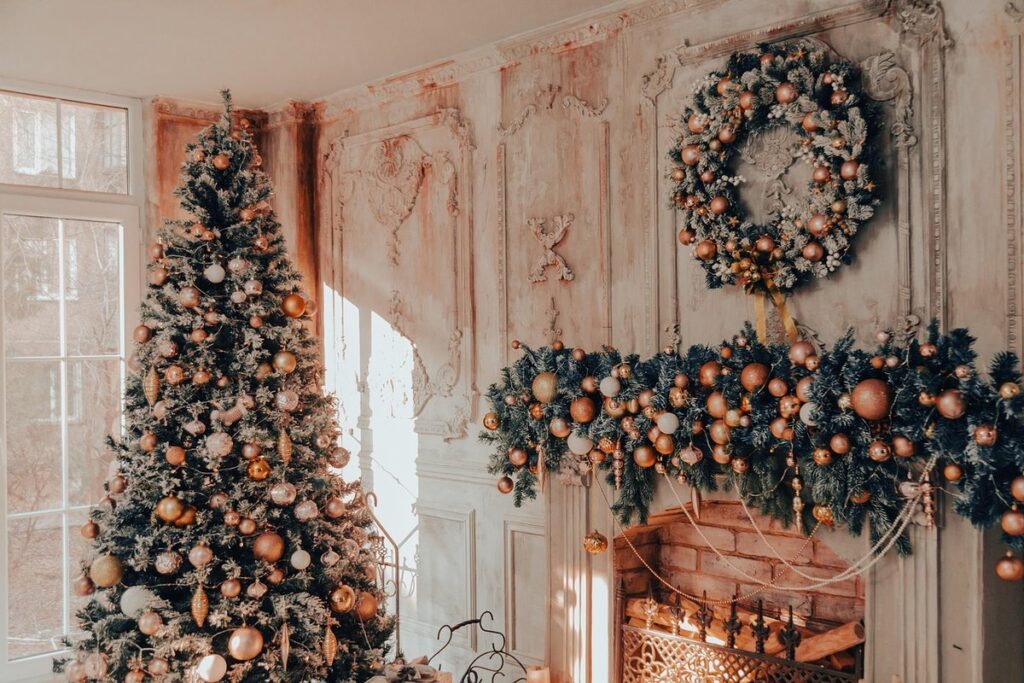
Winter is one of Europe’s most magical seasons, with its snow-covered landscapes, twinkling lights, and cozy atmosphere. But beyond the festive markets and holiday decorations, there’s a rich tapestry of winter traditions that have been woven into the fabric of European culture over centuries. From ancient festivals like the Germanic Yule Log to modern festivities like Spain’s Tomatina tomato-throwing extravaganza, each country has its unique way of celebrating the longest nights of the year. As Christianity spread across Europe, many traditional winter customs were influenced by the faith, while cultural exchange and technological advancements have also left their mark. In this article, we’ll explore these diverse European winter traditions, tracing how they’ve evolved over time to become an integral part of the continent’s identity.
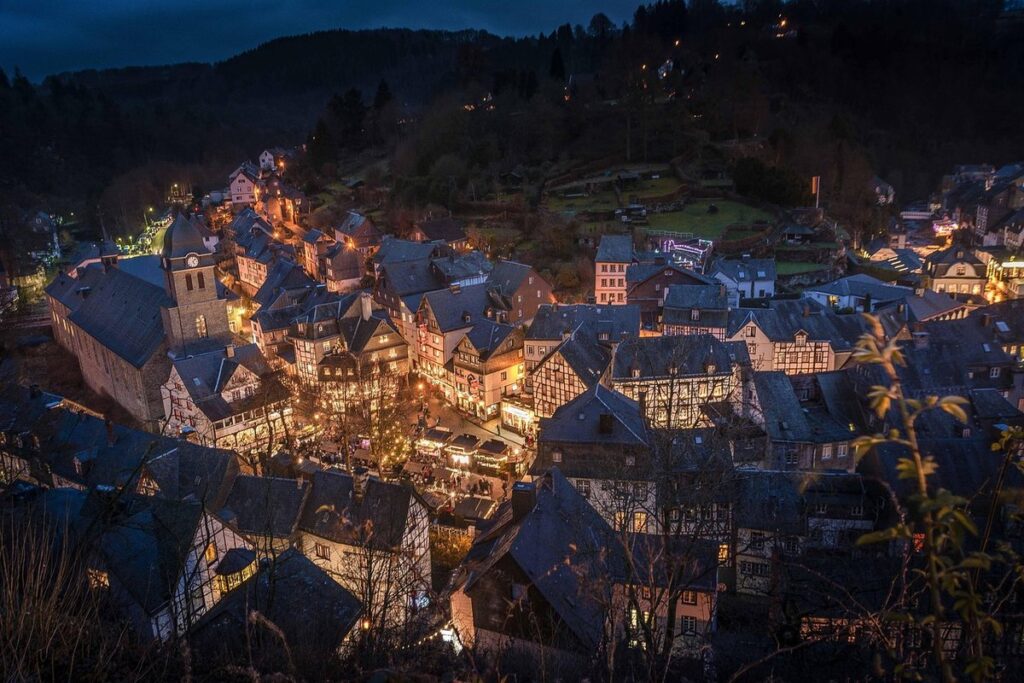
The Origins of European Winter Traditions
From ancient rituals to modern-day festivities, let’s start at the beginning and explore how some of Europe’s most beloved winter traditions were first born. This is where the roots of festive folklore lie.
Ancient Roots and Festivals
The ancient roots of European winter traditions can be found in the festivals celebrated by cultures such as the Celts, Greeks, and Romans. One notable example is Saturnalia, a Roman festival honoring the god Saturn that took place from December 17 to 23. During this time, social norms were turned upside down, and masters served their slaves. Gift-giving was also an integral part of the celebrations.
The winter solstice, which typically falls on December 21 or 22 in the Northern Hemisphere, has long been a significant event for many cultures. The ancient Greeks, for instance, observed a festival called Lenaea to mark the shortest day of the year. Similarly, the Germanic tribes of Northern Europe celebrated Yule, a midwinter festival that involved the lighting of fires and the exchange of gifts.
These early winter festivals laid the groundwork for many modern European traditions. By understanding their origins and significance, we can appreciate the rich cultural heritage behind our contemporary celebrations. For example, the idea of gift-giving during the winter season has its roots in these ancient festivals.
Early Christian Influence on Winter Traditions
With the spread of Christianity throughout Europe during the Middle Ages, traditional winter celebrations underwent significant changes. Christmas and Epiphany, previously minor festivals, gained prominence as Christian holidays. Early Christians incorporated existing pagan customs into their liturgical calendar, often transforming or renaming them to align with biblical narratives.
The festival of Saturnalia, for instance, was merged with the celebration of Jesus’ birth, resulting in a fusion of light and darkness, joy and solemnity. The winter solstice became associated with the Epiphany, commemorating the Magi’s visit to the newborn king. This blending of traditions allowed Christian communities to maintain some pre-Christian practices while infusing them with new meaning.
In many European countries, Christmas Eve (or Nochebuena in Spain) retained elements of ancient midwinter festivals. Midnight feasts, gift-giving, and merriment – all remnants of pagan Saturnalia celebrations – were adapted to honor the birth of Christ. By incorporating pre-Christian customs into Christian worship, early European communities created a rich tapestry of winter traditions that would endure for centuries.
Germanic and Nordic Winter Traditions
From the snow-covered landscapes of Scandinavia to the festive markets of Germany, we’ll delve into the unique traditions that bring warmth and joy to Northern Europe during winter. Think frosty festivals and hearty feasts.
The Magic of Scandinavian Midwinter Celebrations
In Norway, Sweden, Denmark, and Finland, midwinter celebrations are steeped in unique traditions. One such custom is the Julenisse (Nisse) folklore in Norway, where a friendly elf-like figure brings gifts to children on Christmas Eve. Similarly, in Sweden, the Tomte folklore revolves around small, bearded elves who help with household chores and bring good fortune.
In Denmark, St. Lucia’s Day marks the beginning of the festive season, while Finland celebrates the winter solstice as a time for feasting and merriment. These traditions not only add to the country’s rich cultural heritage but also serve as a reminder of the importance of community and social bonding during the cold winter months.
One way to experience these unique traditions firsthand is by attending a Scandinavian midwinter festival or celebration. For instance, Norway’s Ski Festival in Lillehammer features traditional folk dancing, music, and food, while Finland’s Winter Lights Festival in Helsinki showcases stunning light installations that celebrate the magic of the season.
Germany’s Heidelberg Christmas Market and Strasbourg Christkindelsmärik
The Heidelberg Christmas Market in Germany‘s picturesque university town is a premier winter destination, attracting visitors from around the world. As you stroll through the cobblestone streets, the aroma of roasting chestnuts and mulled wine envelops you, setting the tone for a magical experience. The market features over 250 stalls selling handmade crafts, ornaments, and local delicacies. One of the most iconic attractions is the festive ice rink, where visitors can glide across the ice while taking in the stunning views of Heidelberg Castle.
Strasbourg’s Christkindelsmärik, meanwhile, boasts a rich history dating back to 1570, making it one of the oldest and largest Christmas markets in Europe. The market takes place within the historic city center, surrounded by half-timbered houses and Gothic spires. Visitors can explore over 300 stalls offering unique souvenirs, traditional Alsatian cuisine, and festive drinks like Glühwein and Vin Chaud. Don’t miss the towering Christmas tree in Place Broglie, adorned with lights and ornaments, which becomes a symbol of the city’s holiday spirit.
In both markets, you’ll find a range of traditional German delicacies to sample, from gingerbread and stollen to Bratwurst and Sauerkraut. Be sure to try some local mulled wine or hot chocolate to warm up on a chilly winter evening.
French and Italian Winter Traditions
As we explore the rich tapestry of European winter traditions, let’s take a closer look at the unique customs that bring warmth and joy to France and Italy during the coldest months. From festive markets to cozy holiday meals, these countries have much to share.
Les Fêtes de l’Hiver in France: A Celebration of Light and Music
In France, winter is a time for celebration and revelry. The festive season kicks off with Les Fêtes de l’Hiver, a joyful celebration of light and music that takes place during Christmas and New Year’s Eve. One of the highlights of this festive period is the numerous festivals and parades that pop up in towns and cities across France.
From the sparkling lights of Paris’ Champs-Élysées to the twinkling ice skaters of Lyon’s Grande Place, every town has its own unique winter celebration. The most famous of these events is undoubtedly the Montmartre Christmas Market in Paris, where visitors can sample festive food and drinks while browsing handmade crafts and souvenirs.
Concerts are another key part of Les Fêtes de l’Hiver, with many cities hosting free outdoor concerts featuring local musicians playing traditional French carols. The atmosphere is lively and convivial, with families, friends, and strangers alike coming together to enjoy the festive spirit. To get into the mood, try attending a Christmas market or concert in a small town or village – it’s an unforgettable way to experience Les Fêtes de l’Hiver firsthand.
Italy’s Presepi di Natale: An Artistic Tradition
Italy’s Presepi di Natale are a beloved holiday tradition, where entire towns and cities transform into festive wonderlands. These intricate nativity scenes, called presepi, are meticulously crafted by local artisans using traditional techniques passed down through generations. You’ll find them in every corner of Italy, from the grand palaces of Rome to the charming piazzas of Siena.
Each presepi is a unique work of art, often featuring handmade figurines, delicate glasswork, and intricately designed sets. Some towns, like Naples, specialize in creating elaborate scenes with towering nativity figures, while others, such as Assisi, focus on more intimate and serene settings. Visitors can walk through the streets and admire these masterpieces, taking in the sights, sounds, and scents of the holiday season.
Some presepi are so intricate that they’re almost life-size, featuring miniature buildings, animals, and even tiny people going about their daily business. Others are more whimsical, with fantastical creatures and mythical figures joining the traditional nativity scene. Be sure to explore different towns and cities to experience the full range of Italy’s presepi di Natale, each one a testament to the country’s rich artistic heritage and holiday spirit.
Eastern European Winter Traditions
From the snow-covered streets of Warsaw to the frosty markets of Moscow, discover the enchanting winter traditions that bring warmth and joy to Eastern Europe’s chilly months. Rich in folklore and festive spirit.
Poland’s Wigilia Dinner and Ukraine’s Koledy Songs
In Poland, Wigilia dinner is a cherished tradition that takes place on Christmas Eve. The evening is filled with anticipation as families gather around the table to share a meal without meat. This symbolic act represents the Polish people’s commitment to their faith and culture. A key component of the dinner is opłatek, a thin wafer that symbolizes unity and forgiveness among family members.
The Wigilia dinner often begins with the breaking of the opłatek, which sparks conversations about gratitude, love, and kindness. Traditional dishes include carp, pierogi, and gołąbki (stuffed cabbage rolls). The atmosphere is intimate and warm, with an emphasis on spending quality time together. In Ukraine, Koledy songs play a vital role in winter celebrations. These traditional folk melodies are sung around the house or outdoors by groups of people.
Koledy’s lyrics often reference nature and the changing seasons, making them a poignant part of Ukrainian culture. The songs can be lively and upbeat, but they also convey a sense of introspection and appreciation for life’s simple joys. When attending a Koledy performance or participating in a singing group, you’re immersed in the country’s rich musical heritage. By embracing these winter traditions, visitors to Poland and Ukraine can gain a deeper understanding of their cultural roots and values.
Russia’s New Year Tree and Maslenitsa Celebrations
Russians celebrate the winter solstice with a decorated tree called a New Year Tree (Novogodnyaya Yelka). This tradition is similar to Christmas trees found in other European countries, but it’s specifically tied to the start of the new year. The tree is often topped with a star or an angel, and ornaments can include traditional items like apples, nuts, and handmade crafts.
In contrast, Maslenitsa celebrations are more spring-like, marking the arrival of longer days and warmer weather. This ancient Slavic festival commemorates the death of winter and the return of the sun. During Maslenitsa, Russians burn a symbolic effigy of Winter, often accompanied by traditional foods like blini with butter and sour cream.
Maslenitsa is also associated with family gatherings and outdoor activities like sledding and ice skating. Many Russians attend festive processions and folk performances, which add to the celebratory atmosphere. As the festivities come to a close, families typically hold a final meal together before Lent begins.
British and Irish Winter Traditions
In the UK and Ireland, winter is a time for cozy gatherings, warm firesides, and festive celebrations that bring communities together. Let’s explore the unique traditions that make these countries’ winters so magical.
The Festive Spirit of London’s Winter Wonderland
London’s Winter Wonderland is a premier winter destination in Europe. Each year, Hyde Park transforms into a magical festive hub with ice skating rinks, holiday markets, and twinkling lights. The largest outdoor ice skating rink in the UK offers a serene atmosphere for gliding across the frozen surface, while the adjacent Christmas market showcases handmade crafts and local delicacies.
One of the most popular attractions within Winter Wonderland is the Ice Rink itself. Visitors can enjoy public skating sessions, as well as take part in exclusive events like the Fireworks Display and Skate Festivals. The nearby Winter Village offers a chance to experience a cozy atmosphere with festive food stalls, craft workshops, and live music performances.
Practically speaking, visitors should arrive early to make the most of their visit, as crowds tend to build up quickly. It’s also advisable to check the official website for opening times, event schedules, and ticket prices before planning your trip. Additionally, consider combining a visit to Winter Wonderland with other London attractions to get a well-rounded experience of the city during the winter season.
Ireland’s Christmas Traditions: From Santa to the Wren Boys
In Ireland, Christmas is a time for festive traditions that blend old and new. While Santa Claus is a familiar figure, Irish children also eagerly await visits from the “Dad of Christmas,” Daidí na Nollaig. In some parts of the country, this jolly elf brings small gifts on St. Stephen’s Day (December 26). However, it’s not just about presents – Irish families often gather for a special Christmas dinner featuring roasted turkey or goose, accompanied by vegetables and traditional side dishes like colcannon (mashed potatoes with kale) and boxty (potato pancakes).
Another unique custom is the “Wren Boys” procession, where groups of young men dress up in costumes and reenact the story of Saint Stephen’s martyrdom. This tradition dates back to the 17th century and involves music, dancing, and dramatic performances. In some areas, the Wren Boys will even visit homes, singing carols and collecting money for charity.
For those interested in experiencing Irish Christmas traditions firsthand, attending a local parish Christmas dinner or participating in a community Wren Boys procession can be a fun and immersive way to connect with the culture. Just remember to arrive early – these events often attract large crowds eager to share in the festive spirit.
Conclusion: The Enduring Power of Winter Traditions in Europe
As we reach the end of our winter traditions journey, let’s reflect on how these timeless customs continue to captivate and inspire Europeans. From festive markets to cozy hearthsides, their enduring appeal is undeniable.
Cultural Exchange and Adaptation
European winter traditions have undergone significant changes over time, shaped by global cultural exchange and technological advancements. As people travel, migrate, and engage with one another across borders, local customs are influenced by external factors. For instance, the widespread popularity of Christmas markets in Germany and France can be attributed to the influx of tourists and immigrants from other countries. These events now feature an array of international vendors selling goods that cater to diverse tastes.
The internet has also played a crucial role in disseminating and adapting winter traditions across Europe. Online platforms allow cultural enthusiasts to share and discover new customs, recipes, and decorative ideas. This has led to the creation of unique fusion traditions, such as Christmas Eve dinner in Sweden influenced by Italian cuisine. By embracing global influences while preserving heritage, Europeans are able to revitalize their winter celebrations.
To preserve the authenticity of these evolving traditions, it’s essential for communities to balance innovation with respect for cultural roots. This can be achieved through deliberate efforts to incorporate local stories and customs into adapted practices.
Preserving Heritage for Future Generations
Preserving these unique winter traditions is essential for their continued relevance and impact on future generations. As European cultures continue to evolve, it’s crucial to acknowledge the importance of preserving heritage in a rapidly changing world.
One way to ensure the continuation of these customs is through intergenerational knowledge transfer. This can be achieved by involving younger family members in traditional activities, sharing stories and recipes passed down from ancestors, or even creating new traditions that blend old with modern elements.
It’s also essential for communities to recognize the value of preserving their cultural heritage. Governments, schools, and local organizations can play a significant role in promoting and supporting winter tradition preservation efforts through initiatives such as workshops, festivals, and educational programs.
For instance, some European cities have established winter festival committees that work tirelessly to preserve traditional customs while also innovating new attractions for visitors. By doing so, these communities are not only safeguarding their cultural heritage but also creating a unique selling point for tourism and economic growth.
Frequently Asked Questions
What if I’m planning to visit multiple European cities during winter? How can I prioritize and make the most of my cultural experiences?
When visiting multiple European cities, focus on attending at least one major winter festival or celebration in each location. Research local customs and traditions, such as Christmas markets, nativity scenes, or folk music events. This will give you a deeper understanding of each region’s unique winter heritage. Be sure to check dates and schedules in advance to ensure you don’t miss out on any must-see experiences.
How can I incorporate European winter traditions into my own holiday celebrations at home?
To bring European winter traditions into your home, start by choosing one or two customs that resonate with you the most. For example, you could create a Scandinavian-style Julenisse (Nisse) folklore tradition or host an Italian-inspired presepi di Natale nativity scene-making party. Involve family and friends in the process, and don’t be afraid to adapt or modify traditions to suit your personal tastes.
Are there any European winter traditions that can be adapted for people with mobility issues or other accessibility concerns?
Many European cities have adapted their winter festivals and celebrations to be more accessible for visitors with disabilities. For example, some Christmas markets offer wheelchair-accessible pathways or provide sign language interpretation services. Research ahead of time to find events that cater to your specific needs. Additionally, consider visiting smaller towns or villages, which may offer a more intimate and accessible experience.
Can I combine multiple European winter traditions into one celebration, or will it feel disjointed?
Combining elements from different European winter traditions can create a unique and fascinating celebration. However, be mindful of the cultural context and significance of each tradition. For example, combining an Italian presepi di Natale with a German Christmas market might work well, but ensure you understand the underlying meanings and customs behind each element. With careful planning and consideration, you can create a cohesive and meaningful winter celebration that reflects your diverse heritage.
How long should I plan to stay in Europe during winter to fully experience the different traditions?
The ideal duration for experiencing European winter traditions depends on your travel style and pace. A minimum of 2-3 weeks is recommended to visit multiple cities and attend significant festivals. However, consider staying longer to immerse yourself in local customs and traditions, especially if you’re interested in exploring more rural areas or participating in lesser-known events. Be flexible with your itinerary and allow time for spontaneity and exploration.