Italian cuisine is renowned for its incredible diversity, with each region boasting its own unique specialties. While you might be familiar with the likes of pizza margherita and spaghetti carbonara, Italy’s culinary landscape stretches far beyond these classic dishes. From the creamy risottos of northern Italy to the seafood-rich pasta sauces of the south, there’s a wealth of flavors waiting to be explored. But what sets Italian cooking apart from other international cuisines is its emphasis on simplicity, quality ingredients, and a deep understanding of how different components work together in harmony. In this article, we’ll take you on a journey through Italy’s most famous food, exploring the art of pairing ingredients and cooking authentic regional recipes at home that will transport your taste buds to the Tuscan countryside.
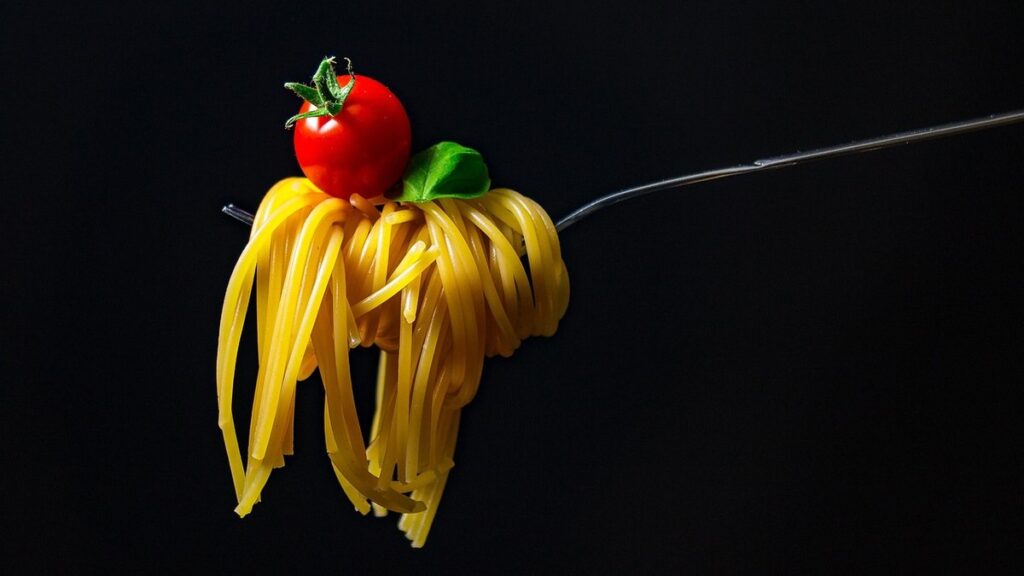
The Birthplace of Pasta: Southern Italian Cuisine
Southern Italy is where pasta truly comes alive, from the classic spaghetti carbonara to the rich ragù alla bolognese. Let’s explore the region that put pasta on the culinary map.
Exploring Campania’s Pizza Culture
Neapolitan-style pizza has a rich history that dates back to the 18th century. According to legend, Raffaele Esposito, a Neapolitan baker, created the first modern pizza in 1889 as a tribute to Queen Margherita of Savoy, who was visiting Naples at the time. To honor her visit, Esposito topped his creation with tomato sauce, mozzarella cheese, and fresh basil leaves, resulting in the iconic “Pizza Margherita” that still bears its name today.
Over time, Neapolitan-style pizza has evolved to maintain its traditional roots while incorporating new flavors and techniques. The art of making Neapolitan pizza is deeply tied to the region’s history and culture, with many pizzaiolos (pizza makers) passing down their skills from generation to generation. In Naples, you can still find traditional wood-fired ovens where pizzas are cooked in just a few minutes, giving them that characteristic crispy crust and smoky flavor.
When trying Neapolitan-style pizza, look for the following characteristics: a thin crust that’s crispy on the outside but soft on the inside, fresh toppings such as San Marzano tomatoes and mozzarella di bufala cheese, and a delicate balance of flavors. To make an authentic Neapolitan-style pizza at home, invest in a wood-fired oven or a domestic version that can mimic its heat and cooking time.
Discovering the Flavors of Puglia
Puglia’s rich culinary heritage is a treasure trove of flavors and ingredients. At its core are the region’s famous olive oils, which are often used as a finishing touch to enhance dishes like pasta alla norma or simply drizzled over bread for dipping. Orecchiette, a traditional Pugliese pasta shape, is often paired with cime di rapa (turnip greens) and a light olive oil sauce. The region’s bread is also renowned, particularly the grissini-style breadsticks that are perfect for snacking or using as a base for paninis.
When exploring the flavors of Puglia, don’t miss the opportunity to try some of the region’s signature ingredients. Capers from the Salento peninsula add a salty, pickled flavor to dishes like pasta alla trapanese. And then there’s the famous Pugliese cheese, Caciocavallo Podolico, which is often served as an antipasto or used in dishes like orecchiette with cime di rapa.
To experience the authentic flavors of Puglia at home, focus on using high-quality olive oils and incorporating traditional ingredients into your cooking. Try making a simple pasta dish with orecchiette, cime di rapa, and a light olive oil sauce for a taste of the region’s rich culinary heritage.
The Heart of Italy: Tuscany and Umbria’s Culinary Delights
Tuscany and Umbria are often considered the heart of Italian cuisine, where rich flavors and hearty ingredients come together in dishes like ribollita and pappardelle. Let’s take a closer look at these regional specialties.
Wine and Cheese in Tuscany
Tuscany’s reputation as a wine and cheese lover’s paradise is well-deserved. The region’s unique terroir and centuries-old traditions have given rise to some of Italy’s most iconic wines, including Chianti, Brunello di Montalcino, and Vernaccia. When it comes to cheese, Pecorino Toscano stands out as a symbol of Tuscany’s sheep-farming heritage.
When exploring the region’s wine scene, consider visiting wineries in Chianti Classico or Maremma for a behind-the-scenes look at the production process. Be sure to try some of the local varieties, such as Sangiovese and Syrah. For cheese enthusiasts, sample Pecorino Toscano paired with fresh fruit or honey for a taste of traditional Tuscany.
Some notable wine-and-cheese pairings in Tuscany include:
- Chianti Classico with Pecorino Toscano
- Brunello di Montalcino with Parmigiano-Reggiano
- Vernaccia with Caciotta
Don’t miss the opportunity to visit local markets and festivals, where you can sample a wide range of wines and cheeses. In Siena, for example, try the famous “Palio” festival, which showcases Tuscany’s rich culinary heritage through wine tastings, cheese-making demonstrations, and traditional food stalls.
Truffles and Game Meats in Umbria
In Umbria’s traditional cuisine, truffles and game meats like wild boar and pheasant play a starring role. Truffle hunting is a cherished tradition in the region, with many farmers and chefs relying on these prized fungi to add depth and umami flavor to their dishes. The most sought-after species, the white Alba truffle, is typically used in risottos and pasta dishes, while the black summer truffle adds its distinctive aroma to soups, stews, and roasted meats.
Game meats like wild boar and pheasant are often slow-cooked in rich sauces made with red wine, tomatoes, and herbs. These hearty stews are a staple of Umbrian cuisine, particularly during the fall and winter months when game is at its peak flavor. To try these dishes for yourself, look for recipes that feature truffles and game meats as main ingredients. When shopping for fresh truffles, be sure to purchase from reputable sources to ensure their quality and freshness.
Some popular Umbrian dishes featuring truffles and game meats include Pappardelle al Cinghiale (wild boar ragù) and Torta di Leccino e Tartufo (leccino cheese and black truffle tart). These rich, savory flavors are a testament to the region’s commitment to using local, seasonal ingredients in its traditional cuisine.
The North: Lombardy, Piedmont, and Veneto’s Unique Flavors
As you venture north, you’ll discover a culinary landscape shaped by rich history, fertile valleys, and the majestic Alps. Here, the iconic dishes of Lombardy, Piedmont, and Veneto await your taste buds.
Risotto and Ossobuco in Lombardy
Lombardy’s rich culinary heritage is deeply rooted in its history and cultural traditions. One of the region’s most iconic dishes is risotto, a creamy rice dish typically made with Arborio rice, white wine, and stock. This beloved staple has been a mainstay of Lombard cuisine for centuries, and its preparation is often passed down through generations of family cooks.
Risotto’s history dates back to the 16th century, when it was first served at the royal court in Milan. The dish gained popularity throughout the region, with each city and town developing its own unique variations. Today, risottos can be found on menus throughout Lombardy, often paired with rich sauces like Osso Buco’s braising liquid.
Ossobuco, a classic Milanese dish of braised veal shanks, is another staple of Lombard cuisine. The name “ossobuco” literally translates to “hollow bone,” referring to the veal shank’s signature hole where the marrow is removed. This comforting dish typically consists of slow-cooked veal shanks served with gremolata, a tangy condiment made from lemon zest, garlic, and parsley. Ossobuco’s rich flavors are a testament to the region’s expertise in braising meats.
Exploring Piedmont’s White Truffles and Barolo Wine
Piedmont’s white truffles and Barolo wine are two of its most prized culinary exports. The region is home to some of Italy’s most renowned truffle-hunting grounds, where expert dog handlers and their trained canines search for the prized fungi. White truffles, particularly those found in Alba, are highly sought after for their unique pungent aroma and earthy flavor.
Barolo wine, a full-bodied Nebbiolo-based red, is often paired with Piedmontese cuisine, particularly dishes featuring the region’s famous white truffles. A classic combination is serving Barolo alongside a plate of hand-picked white truffle risotto or fettuccine. To fully appreciate this pairing, it’s essential to choose a high-quality Barolo that has aged for at least five years.
When exploring Piedmont’s culinary scene, be sure to try some of the region’s other local specialties, such as braised beef (oxtail) in Barolo wine or roasted game meats like pheasant and wild boar. These rich flavors are expertly balanced by the region’s acidity-rich white wines, including Arneis and Gavi.
The Islands: Sicily, Sardinia, and Their Unique Cuisines
As we venture into Italy’s rich culinary landscape, let’s explore the distinct flavors of Sicily and Sardinia, where seafood meets Mediterranean flair. From traditional dishes like arancini to fresh seafood, these islands offer a taste sensation unlike anywhere else in Italy.
Exploring Sicilian Street Food
Sicily’s street food scene is a vibrant reflection of its rich cultural heritage. The island’s strategic location has made it a melting pot for Arab, Greek, and Italian influences, resulting in unique flavors that are both familiar and exotic. Take arancini, for example – these fried rice balls are filled with meat sauce, cheese, and peas, a nod to the Sicilian love of robust flavors.
Another iconic street food is cannoli, those crispy, sweet shells filled with creamy ricotta cheese. Visitors can often find vendors selling fresh cannoli in bustling markets like the ones in Catania or Palermo. When sampling these treats, look for vendors who use high-quality ingredients and traditional recipes to get a true taste of Sicily.
Some popular street food destinations include the historic center of Siracusa, where you’ll find vendors serving up fritto misto (mixed fried seafood) and panelle (chickpea fritters). In Palermo’s Ballarò market, try the classic Sicilian sandwich, panino con caciocavallo – a crispy roll filled with melted cheese and cured meats. Be sure to approach these vendors with an open mind and a willingness to try new flavors, as you never know what hidden gems you might discover.
Sardinian Seafood and Cannonau Wine
Sardinia’s rugged coastline and crystal-clear waters create an ideal environment for an abundance of fresh seafood. The island’s cuisine showcases its proximity to the Mediterranean with dishes like fregula con aragosta, a pasta dish made from Sardinian semolina flour and served with lobsters cooked in cherry tomatoes and garlic. Another popular seafood option is acciuga, a type of anchovy that’s often pickled or marinated in vinegar.
In addition to its seafood offerings, Sardinia is also renowned for its Cannonau wine, a red grape varietal native to the island. Cannonau wines are typically aged for several years, resulting in complex flavors with notes of cherry and plum. When paired with the island’s seafood dishes, Cannonau wine complements the brininess of the sea without overpowering it.
Sardinian cuisine often incorporates locally-sourced ingredients, such as myrtle berries, which add a unique flavor dimension to many dishes. Visitors can experience these flavors firsthand by sampling traditional Sardinian meals at local trattorias or agriturismos, where farmers and chefs work together to create authentic, farm-to-table cuisine.
Italian Desserts: A Sweet Journey Through the Regions
From creamy gelatos to rich tiramisù, Italy’s regional desserts are a delicious reflection of its unique heritage and local ingredients. Let’s indulge in a sweet journey across this beloved Italian tradition.
Tiramisù and Panna Cotta in Northern Italy
In Northern Italy, two desserts stand out for their creamy textures and rich flavors. Tiramisù, originating from Veneto, is a classic Italian dessert made with ladyfingers soaked in coffee and liqueur, layered with mascarpone cheese. The name “tiramisù” literally means “pick-me-up,” referring to the caffeine kick from the espresso. When prepared correctly, the ladyfingers should be soft but not soggy, and the mascarpone should be smooth and creamy.
Panna cotta, hailing from Piedmont, is a similar dessert that consists of sweetened cream set with gelatin, flavored with vanilla or other flavorings like berries or citrus. The name “panna cotta” translates to “cooked cream.” To make authentic panna cotta, use high-quality cream and avoid overcooking the mixture, which can cause it to become too firm.
These desserts may seem simple, but their success relies on precise technique and quality ingredients. When trying to recreate these desserts at home, focus on using fresh ladyfingers and mascarpone cheese for tiramisù, and high-quality cream that’s free of additives for panna cotta. By mastering the basics, you’ll be able to create these beloved Italian desserts with confidence.
Gelato and Cannoli in Southern Italy
In Southern Italy, particularly in Sicily and Campania, gelato and cannoli have become an integral part of the region’s culinary identity. The history of these desserts dates back to the Arab influence on Sicilian cuisine, where almonds, ricotta cheese, and honey were combined to create a sweet pastry shell. Over time, cannoli evolved with the addition of chocolate chips, candied fruits, and other fillings.
Gelato, too, has its roots in Southern Italy’s rich dairy tradition. The unique flavor profiles and textures of gelato are attributed to the region’s emphasis on using high-quality ingredients like fresh milk, cream, and natural flavorings. The famous Sicilian city of Catania is particularly renowned for its gelato shops, which offer a wide variety of flavors that blend traditional ingredients with modern twists.
To experience the authentic taste of Southern Italian gelato and cannoli, look for local bakeries and gelaterias that use traditional methods and high-quality ingredients. Be sure to try the classic ricotta-filled cannoli and unique gelato flavors like pistachio or lemon. When visiting Sicily, be sure to visit the historic markets in Catania or Taormina to sample these delicious treats amidst a vibrant atmosphere of food, culture, and history.
A Guide to Italian Food Pairing: Wine, Cheese, and More
As we explore Italy’s diverse culinary landscape, mastering food pairing is essential to truly appreciating each region’s unique flavors. From wine to cheese, let’s learn how to harmonize Italian classics like pasta, pizza, and gelato.
Matching Wine with Italian Cuisine
When it comes to pairing wine with Italian cuisine, there are a few key principles to keep in mind. First, consider the region of Italy where the dish originates. For example, Tuscan wines like Chianti and Brunello di Montalcino pair perfectly with hearty meat dishes from Tuscany, such as bistecca alla fiorentina.
Next, think about the type of wine that will complement the dish’s flavors. Red wines like Barolo and Barbaresco are great matches for rich game meats found in Umbria, while crisp whites like Pinot Grigio pair well with seafood from the Veneto region.
When it comes to specific pairing options, here are a few classic combinations:
- Chianti Classico with ribollita (a hearty soup from Tuscany)
- Vermentino with seafood risotto from the Liguria coast
- Prosecco with antipasto or as an apéritif
Keep in mind that these are general guidelines, and personal taste plays a significant role in wine pairing. Experimenting with different wines and dishes will help you develop your own palate and preferences. Remember to also consider the occasion and meal’s overall flavor profile when selecting a wine to pair with your Italian cuisine.
Complementing Italian Dishes with Cheese and Other Ingredients
When it comes to complementing Italian dishes with cheese and other ingredients, there are a few key considerations. For pasta and risotto dishes, a sprinkle of Parmigiano-Reggiano or Pecorino Romano can add depth and umami flavor. However, too much cheese can overpower the delicate flavors of seafood or vegetable-based sauces.
A drizzle of high-quality olive oil is often just as essential as cheese in Italian cooking. For example, a simple spaghetti aglio e olio can be elevated by using a full-bodied Tuscan extra virgin olive oil. Other ingredients like truffle honey, balsamic glaze, and artichoke tapenade can also add unique flavors to pasta dishes.
When pairing cheese with meat or vegetable-based dishes, consider the type of cheese used in traditional Italian cuisine for that region. For instance, Provolone is commonly paired with ham or salami in Northern Italy, while Mozzarella di Bufala pairs well with grilled meats and vegetables in Southern Italy.
In terms of other ingredients, a sprinkle of freshly chopped parsley or basil can add brightness to rich sauces, while a pinch of red pepper flakes can add a spicy kick. By balancing and complementing the flavors of traditional Italian dishes with cheese and other ingredients, you can create authentic and delicious meals that showcase the best of Italy’s culinary heritage.
A Beginner’s Guide to Cooking Italian Food at Home
Cooking Italian food at home can seem intimidating, but with a few simple tips and techniques, you’ll be whipping up delicious pasta dishes in no time. We’ll walk you through the basics to get started.
Essential Pantry Staples for Italian Cooking
Italian cooking relies heavily on a few essential pantry staples. Start with high-quality olive oil, which is used for sautéing, roasting, and making dressings. Choose an extra-virgin or cold-pressed option for the best flavor. Garlic is another fundamental ingredient, often used in combination with olive oil to create sauces and season vegetables. A few cloves of garlic can be stored at room temperature, but it’s best to use fresh ones as they lose their potency over time.
Herbs like basil, oregano, and parsley are also crucial components of Italian cooking. Fresh or dried, these herbs add depth and fragrance to dishes like pasta sauces, pizza toppings, and salads. To keep your herbs fresh for longer, store them in a cool, dry place away from direct sunlight. You can also grow your own basil on a windowsill or in a garden, which will give you a continuous supply of fragrant leaves.
Some other pantry staples to stock up on include canned tomatoes, tomato paste, and olive oil-infused capers. These ingredients form the backbone of many Italian sauces, from pasta ragùs to pizza sauces. By having these staples on hand, you’ll be well-equipped to start cooking authentic Italian dishes at home.
Simple Italian Recipes for Beginners
When starting out with Italian cooking, it’s essential to have a solid foundation of simple recipes. For beginners, pasta dishes are an excellent place to begin. Try making spaghetti aglio e olio by combining 12 oz spaghetti with garlic, olive oil, and red pepper flakes in a pan. This classic Neapolitan recipe requires minimal ingredients but yields a rich, satisfying flavor.
Another beginner-friendly option is pizza Margherita. This iconic Italian dish consists of just three ingredients: tomato sauce, mozzarella cheese, and fresh basil leaves. Simply roll out store-bought or homemade pizza dough, top with the ingredients, and bake in the oven for 10-12 minutes.
Risotto alla Milanese, a creamy rice dish from Lombardy, may seem intimidating but is actually quite easy to prepare. Use arborio rice, beef broth, and Parmesan cheese to create a rich, comforting meal. This recipe serves four people and can be made in under an hour.
Conclusion: The Endless Flavors of Italy
As we’ve explored the diverse flavors of Italy, now it’s time to summarize our culinary journey and highlight the regions that stole our hearts (and taste buds). Let’s reflect on the delicious discoveries made along the way.
Recap of the Regions’ Unique Cuisines
From the sun-kissed hills of Tuscany to the vibrant streets of Sicily, Italy’s regions offer a diverse array of culinary traditions and specialties. We’ve explored the rich flavors of Southern Italian cuisine, including the famous pizza culture of Campania and the unique olive oil producers of Puglia.
In the heart of Italy, Tuscany boasts some of the world’s finest wines and cheeses, while Umbria is renowned for its truffles and game meats. The North offers a distinct set of flavors, with Lombardy’s risotto and ossobuco, Piedmont’s white truffles and Barolo wine, and Veneto’s seafood and cicchetti culture.
The Islands have their own unique culinary identity, with Sicily’s street food scene and Sardinia’s emphasis on seafood and Cannonau wine. Even Italian desserts vary from region to region, with Tiramisù and Panna Cotta in Northern Italy giving way to Gelato and Cannoli in Southern Italy.
So what can you take away from this culinary journey through the regions? First, don’t assume that all Italian food is created equal – each region has its own distinct flavors and specialties. Second, be adventurous and try new ingredients and dishes when traveling or cooking at home. Finally, remember that Italian cuisine is all about balance and harmony between flavors, textures, and presentation.
To put this knowledge into practice, consider the following tips:
- When pairing wine with Italian food, think about the region’s specialty wines (e.g., Chianti for Tuscany or Barolo for Piedmont).
- Experiment with different types of cheese and olive oil to add depth and complexity to your dishes.
- Don’t be afraid to try new ingredients like truffles, game meats, or seafood – they’re often a key part of the region’s culinary identity.
Frequently Asked Questions
Can I make authentic Italian pizza at home without a wood-fired oven?
Yes, while traditional Neapolitan-style pizza is cooked in a wood-fired oven, you can still achieve great results with a domestic oven. Use a pizza stone or baking steel to mimic the high heat and cook for 10-12 minutes. Achieve the characteristic crust by using a high-protein flour and a light dusting of cornmeal.
What if I don’t have access to fresh truffles in my region?
While fresh truffles are ideal, you can still use truffle oil or dried truffle flakes as substitutes in many recipes. Truffle oil is made from infused olive oil and captures the essence of the fungi, while dried truffles retain much of their flavor and aroma.
Can I pair any Italian dessert with any type of wine?
While some combinations are more traditional than others, there’s no hard-and-fast rule when it comes to pairing Italian desserts with wine. Feel free to experiment with different options like Moscato d’Asti with tiramisù or a full-bodied Barolo with panna cotta.
How do I choose the right type of pasta for my recipe?
When selecting pasta, consider the sauce and cooking method. Thicker shapes like pappardelle are best paired with hearty meat sauces, while delicate shapes like orecchiette work well with light olive oil-based sauces.
Can I use store-bought gelato or cannoli shells instead of making them from scratch?
Yes, using high-quality store-bought gelato or cannoli shells can save time and effort. Look for products made with natural ingredients and minimal added sugars to ensure the best flavor and texture.