
Bangkok’s iconic floating markets have been a staple of Thai culture for centuries, attracting millions of visitors each year. You may be wondering how to navigate these bustling waterways and make the most of your visit. As you wander through the crowded canals, it’s not hard to get caught up in the sights and sounds of vendors hawking their wares and the aroma of steaming street food wafting through the air. But with so much to see and do, it can be overwhelming for first-time visitors. In this article, we’ll explore the history and culture behind Bangkok’s floating markets, as well as provide practical tips on transportation, shopping, and dining. By the end of reading this post, you’ll know exactly how to plan your visit and make the most of your time at these incredible destinations.
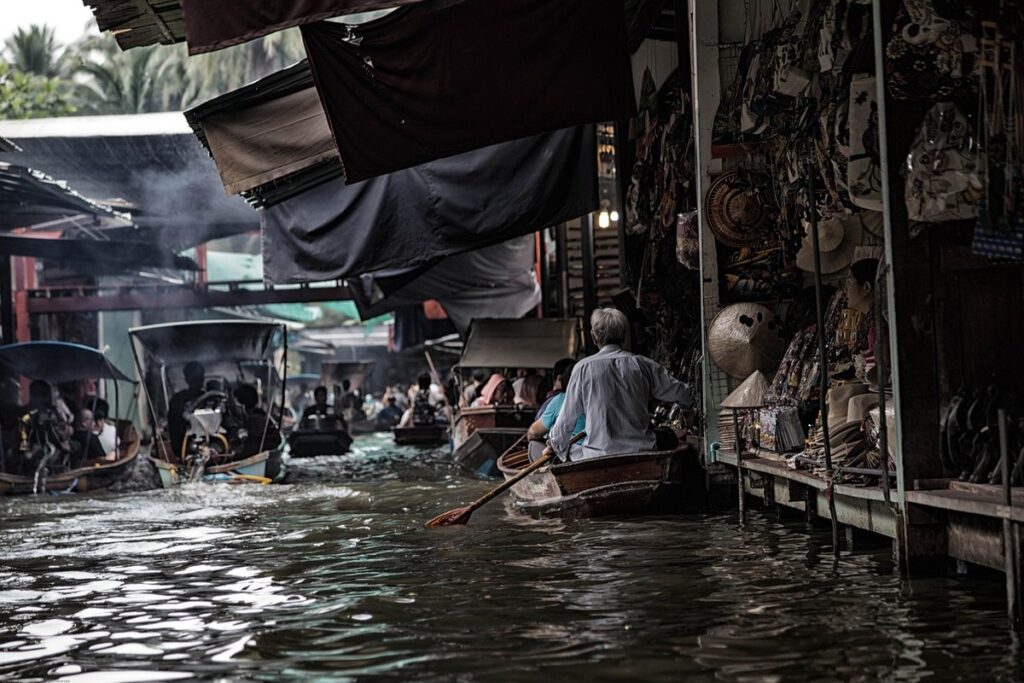
History and Significance of Bangkok’s Floating Markets
Bangkok’s floating markets have a rich history that dates back centuries, reflecting the city’s cultural heritage and way of life. This section explores their significance and evolution over time.
Origins of the Floating Markets
Bangkok’s floating markets have a rich history dating back to the 18th century when the city was still a small trading post. During this time, merchants would sell their wares on boats moored along the Chao Phraya River and its canals. As Bangkok grew into a major commercial center, these markets evolved to meet the needs of an expanding population. The most famous floating market, Damnoen Saduak, was established in 1782 as a hub for local farmers to sell their produce.
Over time, the markets adapted to changes in trade and commerce, with some shifting to focus on tourist-friendly goods like souvenirs and handicrafts. Despite these changes, the traditional character of the floating markets remains intact. You can still find vendors selling fresh flowers, fruits, and vegetables alongside more modern offerings. The markets’ resilience is a testament to their enduring significance in Thai culture, where community and commerce are deeply intertwined. Today, visitors from around the world come to experience the sights, sounds, and smells of these vibrant marketplaces, immersing themselves in the city’s unique atmosphere.
Cultural Importance of the Floating Markets
The floating markets have been an integral part of Thai society for centuries, serving as a hub for traditional commerce and community gatherings. In the past, these markets played a crucial role in connecting rural areas with urban centers, allowing farmers to sell their fresh produce directly to consumers. This direct trade not only ensured fair prices for farmers but also provided access to a wide variety of goods that might have been difficult to find otherwise.
Today, the floating markets continue to be an important gathering place for locals and tourists alike. Visitors can experience the sights, sounds, and smells of traditional Thai commerce, from the vendors expertly arranging their wares on wooden boats to the cacophony of haggling and banter that fills the air. The markets also serve as a social hub, with families and friends meeting up for meals or leisure activities.
When visiting the floating markets, be sure to observe the cultural nuances at play. For example, it’s customary to remove your shoes before boarding a boat, and vendors often greet visitors with a traditional Thai greeting: ” Sawatdee” (hello). By being mindful of these customs and engaging with the local culture, you can deepen your appreciation for the significance of the floating markets in Thai society.
Getting to the Floating Markets
To get to Bangkok’s floating markets, you’ll need to know which boats are accessible by car and which require a short walk from the main roads. Let’s take a look at your transportation options to these iconic marketplaces.
Transportation Options from Central Bangkok
To get to the floating markets from central Bangkok, you have several transportation options. One of the most affordable ways is to take a public boat, also known as an express boat, which runs along the Chao Phraya River. These boats depart from various piers throughout the city and can be boarded for a small fee.
Another option is to take a taxi or ride-hailing service, such as Grab or Go-Van, which will drop you off directly at the market. However, this may be more expensive than taking public transportation and traffic in Bangkok can be unpredictable.
Private boat services are also available, which offer a more direct route to the markets but come with a higher price tag. Some private operators even offer guided tours of the city’s waterways, providing insight into the local culture and history.
While not necessary for getting around the market itself, understanding the various transportation options can help you plan your visit in advance and make the most of your time exploring the floating markets.
Tips for Navigating the Canals
When navigating the canals of Bangkok’s floating markets, it’s essential to be aware of potential scams and stay alert. Be cautious of vendors who seem overly aggressive or pushy, as they may be trying to take advantage of tourists. Stick to reputable boat operators and vendors who have a good reputation among locals.
To find the best vendors, explore different sections of the market and observe which ones are bustling with activity. Local vendors often display their products in an attractive and inviting manner, so look for stalls with creative displays or colorful arrangements. Additionally, consider visiting during peak hours (usually between 9 am and 2 pm) when vendors are more likely to have a wide selection of goods.
When haggling over prices, remember that it’s all part of the fun at floating markets. Don’t be afraid to negotiate, but also know when to walk away if the price isn’t reasonable. Be mindful of your surroundings and keep an eye on your belongings at all times, as pickpocketing can occur in crowded areas.
When navigating narrow canals, pay attention to boat traffic and follow local guidelines for safe passage.
Shopping at the Floating Markets
When shopping at Bangkok’s famous floating markets, it’s essential to know what to expect and how to navigate the vibrant stalls selling everything from souvenirs to local delicacies. You’ll find a treasure trove of unique finds and bargains amidst the bustling waterside commerce.
Types of Goods Sold at the Markets
At the floating markets, you’ll find a vast array of goods, from traditional Thai products to souvenirs and local specialties. One of the most popular items is wood carvings, intricately carved figurines, and ornate boxes made from tropical hardwoods like teak and rosewood. These beautiful pieces are often decorated with delicate patterns and designs, making them perfect for decorative purposes or as gifts.
Local artisans also sell handmade clothing, including embroidered shirts, silk scarves, and traditional Thai hill tribe costumes. You can even find unique items like hand-painted fans, colorful umbrellas, and intricately designed ceramics. For those looking for something more functional, there are plenty of options too – vendors sell everything from handmade soaps to woven baskets and rattan furniture.
Don’t miss the opportunity to try some of the local specialties, such as traditional Thai honey, homemade coconut sugar, or fragrant jasmine rice. Many vendors also offer beautifully crafted items like silver and gold jewelry, intricate paper lanterns, and hand-carved wooden masks. When shopping at the markets, be sure to bargain – it’s all part of the experience!
Bargaining and Negotiating Prices
When approaching a vendor at the floating market, it’s essential to be prepared for a bargaining session. In Thailand, haggling is an art form, and prices are rarely set in stone. Start by researching the typical price range for the item you’re interested in, but don’t rely on this information too heavily – vendors often expect customers to negotiate.
As you browse the market, pay attention to the initial prices being quoted to you. These prices may be inflated by 20-50% or more, so it’s crucial to have a clear idea of what you’re willing to pay. When making an offer, start with a lowball price and work your way up – but don’t be afraid to walk away if the vendor refuses to budge.
Effective haggling requires a mix of assertiveness and politeness. Be respectful when declining a vendor’s initial offer, and try to find common ground through a series of gentle negotiations. For example, you might say “I like this scarf, but I can only afford 200 baht. Can we meet in the middle?”
Food and Drink at the Floating Markets
When you’re wandering through Bangkok’s floating markets, it’s easy to get caught up in the sights and sounds of the vendors and stalls. But what about when hunger strikes?
Traditional Thai Cuisine
At the floating markets, you can sample a wide variety of traditional Thai dishes at their most authentic. One popular option is Khanom Buang, delicate rice flour pancakes filled with sweet coconut and bean paste. These bite-sized treats are often served as a snack or dessert and make for a great introduction to local flavors.
Other local specialties include Som Tam (papaya salad) and Tom Yum soup, both of which showcase the bold combination of sour, sweet, and spicy flavors that define Thai cuisine. For a more substantial meal, consider trying Khao Soi, a curried noodle soup from northern Thailand that has gained popularity throughout the country.
To try these dishes at their freshest, look for vendors who display their ingredients prominently or offer samples to passersby. Many stalls also serve traditional Thai desserts like Tub Tim Krob (water chestnut and coconut ice cream) or Khao Niew Mamuang (mango with sticky rice). Be sure to try a few of these local specialties during your visit to the floating markets for an authentic taste of Bangkok’s culinary culture.
Where to Find the Best Street Food
When exploring the floating markets for street food, you’ll want to look for vendors with a high turnover of customers. This often indicates fresh ingredients and quick cooking times, essential for maintaining food safety. Check for stalls labeled “kayu nam” or “boat noodle,” as these typically serve classic Thai dishes like boat noodles, stir-fried noodles, and grilled meat skewers.
For optimal flavor and freshness, choose vendors that cook their food on-site rather than pre-cooked options. Consider trying stalls near the canal’s entrance, where fresh produce is often readily available for cooking. Some popular street food items to try include Khanom Buang (Thai crepes), Tod Mun (deep-fried fish cakes), and Som Tam (papaya salad).
To minimize food safety risks, stick to vendors with a visible, open kitchen area and opt for dishes that are served hot or steaming. Avoid eating raw or uncooked ingredients, such as salads or sashimi-style dishes, unless you’re familiar with the vendor’s reputation and food handling practices. Additionally, consider choosing vendors who offer refillable water bottles or clean drinking water to minimize plastic waste and potential contamination risks.
Safety and Precautions
To ensure a trouble-free experience, it’s essential to be aware of potential safety hazards and take necessary precautions when shopping at Bangkok’s floating markets. Be mindful of your belongings and surroundings at all times.
Waterborne Illness Prevention
When exploring the floating markets of Bangkok, you’re exposed to a unique environment where water meets vendors and shoppers. However, this setup also poses some health risks, particularly waterborne illnesses. The canals and rivers surrounding these markets may contain pollutants from nearby industries, agriculture, or human waste. In addition, standing water can become breeding grounds for mosquitoes that transmit diseases like dengue fever and chikungunya.
To minimize your risk of getting a waterborne illness, practice good hygiene at all times. Wash your hands frequently with soap and clean water, especially before eating. Avoid consuming street food or drinks from vendors who may not follow proper sanitation procedures. Be wary of vendors selling cold beverages in glass bottles that haven’t been properly cleaned.
To prevent insect-borne diseases, apply insect repellent containing DEET, picaridin, or oil of lemon eucalyptus. Cover exposed skin with long-sleeved shirts and pants when walking through crowded areas. Avoid visiting the markets during peak mosquito hours (dawn and dusk) if possible.
Scams and Safety Tips
Be cautious of scams targeting tourists at the floating markets. Some vendors may try to swap your genuine product with a fake one, while others might overcharge you for goods. To avoid being ripped off, keep an eye on your belongings and don’t leave them unattended. Pickpocketing is common in crowded areas, so consider using a money belt or secure bag.
Be aware of your surroundings at all times, especially when dealing with unfamiliar vendors. Don’t feel pressured to make a purchase if you’re unsure about the quality or price. If you suspect something’s amiss, politely decline and walk away. Some vendors may even use children as spotters to distract you while an accomplice steals from you.
To stay safe, stick to well-lit areas and avoid visiting during peak heat hours. Be wary of touts who offer to take you on a “private” boat tour or claim that your chosen vendor is the best in the market. These scams often come with steep price tags and limited benefits. Trust your instincts and don’t hesitate to walk away if something seems suspicious.
Frequently Asked Questions
Can I visit the floating markets on my own without a guide?
Yes, it’s possible to visit the floating markets on your own without a guide. However, keep in mind that navigating the canals and finding the best vendors can be challenging without local knowledge or experience. Consider purchasing a map or downloading a navigation app to help you find your way.
What if I get lost or separated from my group while visiting the floating markets?
If you get lost or separated from your group, stay calm and try to find a police officer or a market vendor who can assist you. You can also use your phone’s GPS or ask someone for directions back to the main road. In most cases, getting lost is not a major issue, but it’s always better to be prepared.
Are there any floating markets that allow tourists to bring their own boats?
Yes, some floating markets allow tourists to bring their own boats, but this is usually only possible with prior permission and arrangement. The more popular markets tend to have strict rules about boat traffic to ensure safety and order. If you’re interested in bringing your own boat, research the specific market’s policies beforehand.
Can I use credit cards or ATMs at the floating markets?
While some vendors may accept credit cards or mobile payments, cash is still king at the floating markets. Bring Thai baht with you and try to avoid using ATMs as they often have high fees for international users. If you do need to withdraw cash, opt for a reputable bank or exchange service.
What’s the best time of year to visit the floating markets?
The best time to visit the floating markets depends on your preferences. Peak tourist season is from November to March, but if you prefer smaller crowds and lower prices, consider visiting during the shoulder season (April to May or September to October). Keep in mind that some vendors may take breaks or be less active during these periods.

