
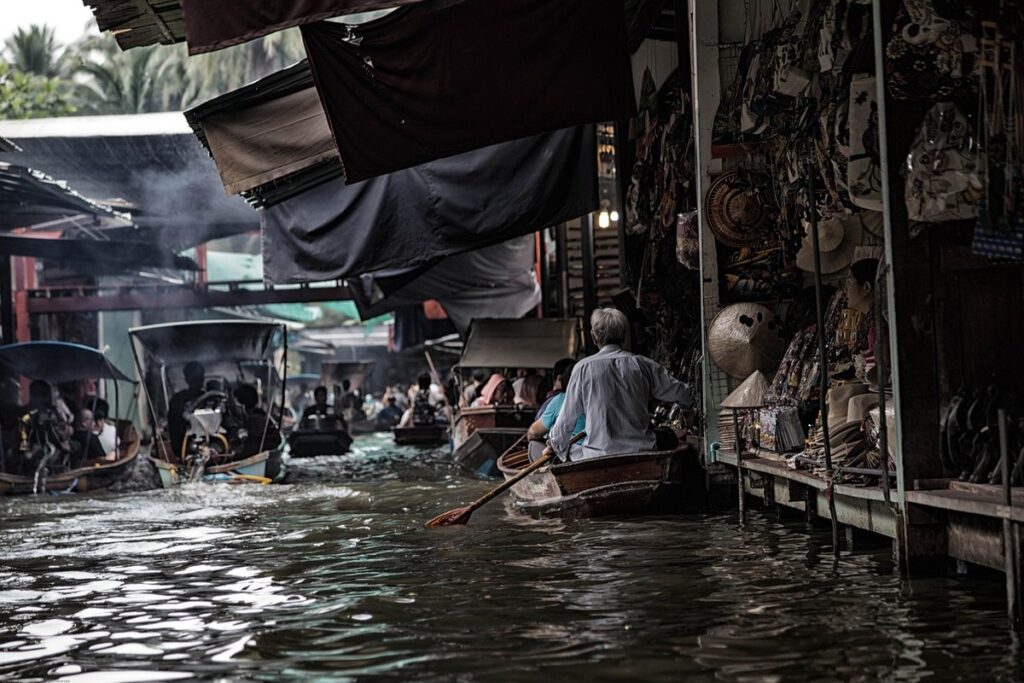
Bangkok’s floating markets have been a staple of Thai culture for centuries, offering a glimpse into the country’s rich heritage. You may have seen images of vendors selling fresh produce and souvenirs from wooden boats, but there’s more to these markets than meets the eye. Beyond their tourist appeal, they are also an essential part of local communities, providing a vital source of income for many families. In this article, we’ll explore the history and culture surrounding Bangkok’s floating markets, as well as provide practical tips on how to visit them responsibly and support the local community. By the end of this guide, you’ll know exactly what to expect when visiting these iconic markets and how to make a positive impact during your trip.
History and Significance
Bangkok’s floating markets have a rich history dating back centuries, influenced by the city’s strategic location on the Chao Phraya River. We’ll take a closer look at their significance in Thai culture and society today.
Origins of the Floating Markets
Floating markets have been a part of Thai culture for centuries. Their origins date back to the 19th century when merchants from Ayutthaya would travel down the Chao Phraya River, selling goods and exchanging commodities with local communities. As Bangkok’s economy grew, so did the need for more accessible trade routes. The city’s canals, or “khlongs,” became the primary means of transportation and commerce.
To accommodate the increasing number of traders, wooden boats were constructed to carry goods and supplies. These early floating markets sprouted up along key waterways, allowing merchants to sell their wares directly to customers. Over time, vendors began setting up makeshift stalls on the boats themselves, creating a bustling market atmosphere.
The cultural significance of these markets can’t be overstated. They not only served as essential trading hubs but also fostered social connections and community bonding. Locals would gather at the floating markets to exchange goods, share news, and enjoy local cuisine. Today, many Bangkok residents still rely on these markets for daily essentials, making them a vital part of the city’s fabric.
Evolution Over Time
Over time, the floating markets have undergone significant changes in response to urbanization and modernization. One of the most notable shifts has been the gradual relocation of vendors from the Chao Phraya River to canal-side locations, known as “klongs.” This move was driven by government efforts to improve navigation on the main river and reduce congestion.
As a result, many popular floating markets have moved inland, with some still maintaining their original water-based layout. For example, Damnoen Saduak Floating Market has adapted by constructing elevated platforms for vendors, allowing them to continue selling goods while avoiding changes in the water level. This innovation enables the market to remain accessible during dry seasons.
Urbanization has also led to increased competition from shopping malls and supermarkets, forcing floating markets to diversify their offerings. To stay relevant, many vendors now focus on unique products and experiences, such as handmade crafts, local specialties, or traditional performances. By embracing these changes, the floating markets continue to thrive, offering visitors a glimpse into Bangkok’s rich cultural heritage amidst the city’s rapid growth.
Importance in Thai Culture
Floating markets have long been an integral part of Thai culture, serving as a symbol of community and commerce. For centuries, these waterways have connected people from all walks of life, fostering social interaction and economic exchange. In many ways, the floating markets are a reflection of Thailand’s values: warmth, hospitality, and a strong emphasis on relationships.
In Thai culture, it’s customary to see floating markets as a communal space where people come together to buy and sell goods, share news, and enjoy each other’s company. Vendors often live alongside their boats, creating a sense of community that extends beyond the transactional aspect of commerce. Visitors can observe this dynamic firsthand by exploring the markets during peak hours or attending local festivals.
To truly experience the importance of floating markets in Thai culture, visitors should take the time to engage with vendors and locals. Learn about their daily lives, traditions, and livelihoods. Show respect for their customs and way of life, and be mindful of your own impact on the community. By doing so, you’ll not only gain a deeper appreciation for this iconic aspect of Thai culture but also contribute to its preservation and continued vitality.
Visiting the Floating Markets
As you make your way through Bangkok’s waterways, visiting the floating markets is a must-do experience that offers a unique glimpse into traditional Thai culture and commerce. In this section, we’ll guide you on how to navigate these vibrant markets.
Recommended Markets for Tourists
When visiting the floating markets of Bangkok, you’ll want to prioritize a few essential destinations. Among the many options, three stand out for their authenticity and tourist-friendly atmosphere: Damnoen Saduak, Taling Chan, and Amphawa.
Damnoen Saduak is one of the most famous floating markets in Thailand, boasting over 200 years of history. Its sheer size and lively atmosphere make it a must-visit, with vendors selling everything from fresh produce to souvenirs. To get the most out of your visit, consider arriving early to avoid crowds.
Taling Chan Floating Market is smaller but no less charming, offering a more intimate shopping experience. This market specializes in local delicacies and handmade crafts, making it an excellent spot for foodies and artisans alike.
Amphawa Floating Market, located just outside Bangkok, offers a unique cultural experience. Its focus on traditional Thai cuisine and handicrafts creates a cozy atmosphere that’s perfect for families or couples looking to escape the city chaos.
Each market has its own distinct character, but all share a commitment to preserving traditional Thai culture. By visiting these top-recommended markets, you’ll gain a deeper understanding of Bangkok’s rich heritage and leave with unforgettable memories.
Getting There and Around
To get to the floating markets, you’ll need to navigate Bangkok’s extensive network of canals and waterways. The most convenient option is to take a taxi or ride-hailing service directly to the market. However, if you’re looking for a more authentic experience, you can take a long-tailed boat from the city center. These boats are available at piers along the Chao Phraya River and offer a scenic route through Bangkok’s canal network.
Once you arrive at the market, be prepared to walk along narrow docks and shop-lined canals. You can also hire a boat to take you around the market, but be aware that these can often be crowded and noisy. To avoid getting lost in the labyrinthine waterways, consider purchasing a map of the floating markets or downloading a guide on your smartphone.
When traveling by boat, always wear a life jacket, especially if you’re prone to seasickness. Additionally, be mindful of your belongings, as pickpocketing can occur in crowded areas. Bring cash and credit cards, but also have some local currency handy for small purchases and tips.
What to Expect When You Arrive
As you arrive at the floating markets, you’ll be immediately enveloped by a cacophony of sounds: vendors calling out to potential customers, boat engines humming in the distance, and the gentle lapping of water against the wooden docks. The air is thick with the smells of sizzling street food, incense wafting from nearby temples, and the sweet scent of fresh flowers.
Your eyes will be drawn to the vibrant colors of the market stalls, laden with an array of goods: handmade crafts, exotic spices, and local delicacies. You’ll see vendors expertly juggling multiple transactions at once, while others carefully arrange their wares to maximize visibility.
Be prepared for a sensory overload as you navigate the narrow alleys between the stalls. To avoid getting overwhelmed, take a moment to orient yourself by finding a central landmark, such as a prominent temple or a large boat vendor. From there, you can start to explore the market’s various sections, taking note of any specific items that catch your eye. Don’t be afraid to ask vendors for recommendations or clarification on prices – it’s all part of the floating market experience!
Things to Do and See
As you wander through Bangkok’s vibrant waterways, it’s essential to know where to go and what to see at each floating market. From traditional boat vendors to cultural landmarks, we’ll guide you through the top experiences.
Shopping and Bargaining
When shopping at the floating markets in Bangkok, you’ll find a wide range of goods on offer, from fresh produce to handmade crafts. To get the best deals, it’s essential to understand the local culture and customs surrounding haggling.
In Thai culture, bargaining is an integral part of the shopping experience. Vendors expect customers to negotiate prices, so don’t be afraid to make an initial offer that’s lower than you’re willing to pay. This will give you room for further negotiations. A good rule of thumb is to start with about 20-30% less than the asking price.
Some items are more negotiable than others. For example, fresh produce and fruits often have fixed prices due to their perishable nature. However, goods like clothing, jewelry, and souvenirs typically offer more room for haggling. Be sure to inspect the item carefully before making an offer, as some vendors may try to pass off lower-quality items at higher prices.
To avoid overpaying, it’s also essential to know what you’re looking for in terms of quality and authenticity. For instance, if you’re shopping for a handmade craft, make sure it’s genuinely made locally rather than mass-produced elsewhere. By being aware of these factors and politely negotiating prices, you can find great deals at the floating markets while supporting local artisans and vendors.
Local Cuisine and Food
Bangkok’s floating markets are a food lover’s paradise, offering an array of traditional Thai dishes and refreshing drinks. One must-try is khao neow Mamuang, a sweet and tangy mango with sticky rice dessert that’s both refreshing and filling. You’ll also find vendors selling fresh coconuts, tropical fruits like durians and rambutans, and fragrant jasmine tea.
For a more substantial meal, try the floating market’s variation of pad thai, stir-fried noodles with shrimp, tofu, and vegetables. Some vendors even offer grilled meats like satay and pork skewers. Don’t forget to try some of the local street food favorites like tom yum soup and green curry, which are often cooked in small batches throughout the day.
When it comes to drinks, you’ll find coconut water, fresh juices, and Thai iced tea on almost every vendor’s stall. For a unique experience, try the floating market’s version of khao soi, a curried noodle soup that’s typically served with a variety of toppings. Be sure to also sample some of the local fruits like mangosteen and guava, which are often sold by the piece or in small bunches.
Boat Tours and River Cruises
Many tourists opt for boat tours and river cruises as a way to experience Bangkok’s floating markets from a unique perspective. These tours offer a chance to see the markets and waterways without getting lost in the crowds, while also providing insight into the city’s rich history and culture.
Some popular boat tour operators include companies like Chao Phraya Express and Loy Nava Dinner Cruise. These tours typically range from a few hours to full-day excursions, and may include stops at various floating markets, temples, and other notable landmarks. Be sure to choose a reputable operator that aligns with your interests and budget.
To get the most out of your boat tour experience, consider booking a morning or early afternoon tour when the markets are less crowded. This will give you more time to take in the sights and sounds without feeling rushed. Additionally, be prepared for variable weather conditions, as Bangkok’s climate can be unpredictable. With proper planning and preparation, a boat tour can be an enjoyable and memorable way to explore Bangkok’s iconic waterways.
Practical Information
To make the most of your Bangkok floating market experience, we’ve compiled essential details on what to expect, including opening hours and best times to visit.
When to Visit
Bangkok’s floating markets are a year-round attraction, but some periods are better than others for visiting. The best time to visit is during the dry season, from November to February, when the weather is cooler and sunnier. Avoid the peak summer months of March to May, as the heat can be oppressive.
The wet season, from June to October, brings more frequent rain showers, but also fewer tourists. If you’re looking for a less crowded experience, consider visiting during this time. However, be prepared for potential disruptions due to flooding and rough water conditions.
Crowds are generally smaller on weekdays compared to weekends, when locals visit the markets with their families. If you prefer a more relaxed atmosphere, plan your visit for a weekday morning or afternoon. Additionally, try to avoid visiting during major holidays like Songkran (Thai New Year) and Loy Krathong, as these events draw large crowds and may affect market operations.
Keep in mind that some markets, like Damnoen Saduak, are open year-round, while others, such as the Taling Chan Floating Market, operate only on weekends. Check ahead of time to confirm the market’s schedule and plan your visit accordingly.
Dress Code and Etiquette
When visiting the floating markets, it’s essential to dress modestly and be respectful of local customs. Avoid revealing clothing, such as tank tops, shorts, or low-cut dresses, which may be considered inappropriate for a traditional market setting. Women should also cover their shoulders when approaching temples or participating in certain cultural activities.
For men, it’s best to wear loose-fitting pants and a comfortable shirt that falls below the elbow. Sunglasses and hats are acceptable, but avoid wearing anything too flashy or attention-seeking. When shopping, be prepared for vendors to offer you samples of local goods, such as fruit or spices, so dress accordingly with clothes that can get messy.
In terms of etiquette, it’s customary to remove your shoes before entering a temple or boat. Bring a pair of socks or slippers to wear instead, and avoid pointing your feet at people or sacred objects. When bargaining, be respectful and polite in your interactions with vendors; a smile and a gentle “mai ow hai” (no problem) can go a long way.
Remember that the floating markets are a place of commerce and community, not just a tourist attraction. By dressing modestly and being mindful of local customs, you’ll be able to fully immerse yourself in the experience and connect with the people who call this vibrant marketplace home.
Safety Precautions
When visiting the floating markets, be mindful of your surroundings and take necessary precautions to stay safe. The waterways can harbor waterborne diseases such as dengue fever and leptospirosis, which are prevalent in Bangkok. Avoid drinking tap water and stick to bottled or filtered water instead. When eating at food stalls, opt for vendors that maintain good hygiene practices, such as separating raw meat from cooked foods and keeping utensils clean.
Pickpocketing and theft can also be a concern in crowded areas like the floating markets. Keep a close eye on your belongings, especially in areas with high foot traffic. Avoid displaying signs of wealth, such as expensive jewelry or watches. Consider using a money belt or a secure bag to carry your valuables. Be cautious when haggling for goods and avoid pushing or shoving vendors.
Some floating markets are more crowded than others, which can increase the risk of theft and accidents. For example, Damnoen Saduak Floating Market is one of the most popular tourist spots and tends to be busier than other markets like Taling Chan or Khlong Lat Mayom. Plan your visit accordingly and consider visiting during off-peak hours for a more relaxed experience.
Supporting Local Communities
As you explore Bangkok’s floating markets, it’s essential to understand how your visits can positively impact the local vendors and communities. We’ll share practical ways to support these entrepreneurs and make a meaningful difference during your trip.
Community-Based Initiatives
Many community-based initiatives have sprung up around Bangkok’s floating markets, aiming to support local communities and preserve traditional ways of life. For instance, the Damnoen Saduak Floating Market has a program that helps local farmers sell their products directly to tourists, cutting out middlemen and ensuring fair prices for the vendors.
The market also offers workshops on traditional Thai crafts, such as woodcarving and pottery-making, which are led by local artisans. These classes provide an opportunity for visitors to learn about the cultural significance of these crafts while supporting the local economy.
Some markets have implemented sustainable practices, like reducing plastic waste through the use of biodegradable bags and containers. The Bang Luang Floating Market, for example, has introduced a system where vendors can return used containers to receive discounts on future purchases.
To support community-based initiatives, consider visiting markets that prioritize sustainability and local involvement. Be sure to respect any rules or guidelines in place to minimize your impact on the environment and the local economy.
Sustainable Tourism Practices
When visiting the floating markets of Bangkok, you can make a positive impact on local communities by adopting sustainable tourism practices. Start by supporting community-based initiatives that promote eco-friendly activities and cultural preservation. Look for vendors selling handmade products made from locally sourced materials or those offering traditional Thai cuisine prepared using environmentally friendly methods.
Some markets, like Damnoen Saduak Floating Market, have implemented recycling programs to reduce waste and promote a cleaner environment. When shopping, consider buying items that are sustainably produced and avoid single-use plastics whenever possible. You can also support local artisans by purchasing handmade crafts or unique souvenirs that contribute to the community’s economic growth.
To further minimize your environmental footprint, choose boat tours or river cruises that use eco-friendly vessels and follow responsible waste management practices. Many tour operators now offer guided tours that focus on sustainability and provide educational insights into the importance of preserving Thailand’s waterways and communities. By being mindful of your actions and supporting local efforts, you can contribute to a more sustainable tourism industry that benefits both visitors and residents alike.
Frequently Asked Questions
What if I get motion sickness on a boat tour?
Yes. Consider taking medication or using wristbands designed to help alleviate motion sickness before embarking on a boat tour. You can also ask the tour operator about their experience with motion sickness and what measures they take to minimize its impact.
Can I visit the floating markets during peak rain season?
No. While it’s technically possible, visiting during peak rain season (May-October) may not be the best idea due to frequent storms and heavy rainfall. The canals may also become muddy and unpleasant, making for a less enjoyable experience. Consider visiting during the dry season instead.
How do I know if a vendor is selling authentic goods or knockoffs?
When shopping at the floating markets, it’s essential to inspect the products carefully and ask vendors about their authenticity. Look for signs of high-quality craftsmanship, unique designs, and fair prices. Be wary of extremely cheap options, as they may indicate lower quality or counterfeit goods.
What if I accidentally offend someone with my behavior or dress code?
When visiting the floating markets, it’s crucial to be respectful of local customs and traditions. Avoid wearing revealing clothing, remove your shoes when entering temples or homes, and refrain from pointing or making loud noises. If you do unintentionally offend someone, apologize sincerely and try to learn from the experience.
Can I visit the floating markets with young children?
Yes. The floating markets can be a great place for families to explore together. However, consider visiting during less crowded times and taking breaks when needed. Some vendors may also offer kid-friendly products or services, such as boat rides or face painting. Just be sure to supervise your children closely and teach them about local customs and etiquette.

