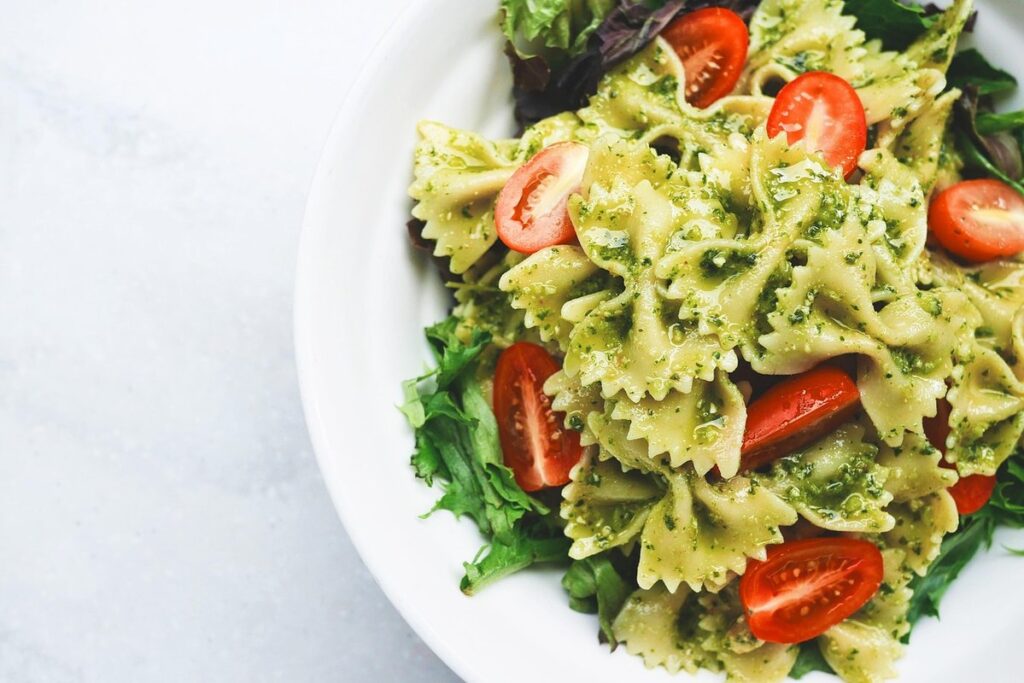
Italy is a country where flavors and traditions come together in perfect harmony. You’ve probably heard that Italian cuisine is all about simplicity, yet depth of flavor, but have you ever stopped to think about why this is so? It’s not just because of the obvious ingredients like olive oil, garlic, and tomatoes – although these do play a big role. The truth is, Italy’s culinary history stretches back thousands of years, with influences from ancient Greece, Rome, and the Middle East all leaving their mark on the country’s regional specialties.
From north to south, each region has its own unique take on traditional dishes like pasta, pizza, and risotto. And then there are the local ingredients: fresh seafood in the coastal towns, rich truffles in the mountains, and crisp vegetables in the countryside. In this article, we’ll explore Italy’s culinary history, regional specialties, and local ingredients to help you enhance your dining experience in this country rich with flavors and traditions. By the time you finish reading, you’ll have a deeper understanding of what makes Italian food so special, and how to make the most of it during your next trip.

The History and Significance of Italian Cuisine
Italian cuisine has a rich and storied past, shaped by centuries of cultural exchange and regional traditions that have made it one of the world’s most beloved culinary styles. From ancient Roman roots to modern-day innovations, Italian food is a true reflection of its heritage.
Early Influences on Italian Cooking
Italian cooking has a rich and diverse history, shaped by the cultural exchange and trade that occurred along the Mediterranean coast. The early influences on Italian cuisine can be attributed to Greek, Roman, and Arab cuisines, which left an indelible mark on the country’s culinary identity.
The Greeks introduced olive oil, garlic, and herbs such as oregano and rosemary, which are still staples in Italian cooking today. They also brought with them their love of fish and seafood, reflected in dishes like baccalà (dried cod) and grilled octopus. The Romans, on the other hand, contributed to the development of pasta-making techniques and introduced new ingredients like lentils and broad beans.
The Arabs had a significant impact on Italian cuisine, particularly in Sicily and southern Italy. They introduced citrus fruits, sugar, and spices like cinnamon and cloves, which were incorporated into traditional dishes like cannoli and cassata. The cultural exchange that occurred during this period is evident in the many Arabic words that are still used in Italian cooking today, such as “zucchero” (sugar) and “carciofi” (artichokes).
These early influences have had a lasting impact on Italian cuisine, shaping the country’s love of fresh ingredients, bold flavors, and hearty dishes.
Regional Specialties and Traditional Dishes
Pasta carbonara from Rome, risotto alla milanese from Milan, and seafood risotto from Venice are just a few of the iconic dishes that showcase Italy’s incredible regional diversity. Each region has its own unique take on traditional Italian cuisine, shaped by local ingredients, history, and culture.
In Northern Italy, you’ll find rich, creamy sauces paired with tender pasta shapes, as in the case of risotto alla milanese, which originated in Milan. This dish is a masterclass in balancing flavors, with saffron-infused risotto, beef broth, and parmesan cheese all combining to create a truly unforgettable taste experience.
Moving south, you’ll encounter lighter, fresher flavors that reflect the region’s emphasis on seafood. The Veneto region’s seafood risotto is a prime example of this style, with its delicate balance of fish, herbs, and citrus. Meanwhile, in Rome, pasta carbonara remains a beloved classic, its rich, eggy sauce tempered by the city’s famously fresh guanciale.
When exploring Italy’s regional specialties, it’s essential to keep an open mind and be willing to try new flavors and combinations. By doing so, you’ll gain a deeper appreciation for the country’s incredible culinary diversity and unlock new favorite dishes along the way.
The Role of Family and Social Gatherings in Italian Food Culture
In Italian culture, mealtimes are sacred and deeply rooted in family and social life. The concept of “famiglia” – family – is at the heart of every gathering, and food plays a central role in bringing people together. Traditional festivals and holiday celebrations, such as Christmas Eve’s Feast of the Seven Fishes, are occasions for extended families to come together and share in rich culinary traditions.
Mealtimes in Italy are often long and leisurely affairs, with an emphasis on quality over quantity. Sunday lunches, known as “la domenica,” are a cherished institution, where families gather at their nonna’s house or at a local trattoria to enjoy a slow-cooked ragù, pasta, and other regional specialties.
When it comes to traditional festivals, Italy is renowned for its vibrant celebrations. The Festa di San Lorenzo in Verona, for instance, features food stalls serving local delicacies like risotto alla pilota and frittelle. Visitors can immerse themselves in the sights, sounds, and flavors of Italian culture by attending these events. To truly experience the essence of Italian family and social gatherings, consider joining a Sunday lunch or festival celebration during your next visit to Italy.
Regional Italian Cuisine: A Guide to Italy’s Best-Kept Secrets
From creamy risottos to rich ragùs, regional Italian cuisine is a treasure trove of flavors and specialties waiting to be discovered. Let’s start in the north where Piedmontese truffles reign supreme.
The Flavors of Northern Italy
Northern Italy is a culinary treasure trove, where the rich flavors of the region are shaped by its proximity to the Alps and the Adriatic Sea. Lombardy, Piedmont, and Veneto are just a few of the regions that showcase the unique ingredients and specialties of this area. One of the most iconic dishes from northern Italy is polenta, made from cornmeal and often served with meat or vegetable ragù.
The Piedmont region is renowned for its truffles, prized for their intense, earthy flavor. You’ll find them shaved over pasta dishes like tartufata, or used to add depth to risotto alla tartufata. The seafood in Veneto’s lagoons and coastal towns is equally impressive, with fresh fish and shellfish often served raw or grilled.
When exploring the flavors of northern Italy, don’t miss the opportunity to try some of these local specialties. Be sure to visit a local market to sample artisanal cheeses like gorgonzola and mascarpone, which are used in many northern Italian desserts and sauces.
Tasting the South: Campania, Puglia, and Sicily’s Unique Flavors
Southern Italy is a culinary treasure trove, with Campania, Puglia, and Sicily each boasting unique flavors shaped by their rich history and geography. The region’s bounty of olive oil, garlic, and tomatoes is the foundation for many iconic dishes. In Naples, you’ll find the birthplace of pizza margherita, a classic Neapolitan-style pie topped with San Marzano tomatoes, creamy mozzarella, and fresh basil.
In Sicily, arancini – crispy rice balls filled with meat ragù, cheese, and peas – are a popular street food. These bite-sized snacks showcase the island’s Arab influence on its cuisine. Puglia, with its rich agricultural land, produces some of Italy’s finest olive oil. The region is also famous for its taralli, small, crunchy breadsticks flavored with olive oil and often served as an antipasto.
To truly experience the flavors of southern Italy, seek out local markets and food stalls, where you can sample fresh produce, artisanal cheeses, and handmade pastries. Be sure to try some of the region’s famous wines, such as Campania’s white Fiano or Sicily’s Nero d’Avola. By exploring these regional specialties, you’ll gain a deeper appreciation for the rich culinary heritage of southern Italy.
The Hidden Gems of Central and Southern Tuscany
Tuscany is often associated with Chianti and its famous wine region, but central and southern Tuscany hold secrets of their own. The rolling hills around Siena are home to the prized Vernaccia wine, a crisp white that pairs perfectly with the region’s renowned Pecorino cheese. Artisanal producers like Castello di Brolio and Fattoria San Giusto a Rentennano craft exceptional bottles using traditional methods.
Head to the hilltop town of Volterra for a taste of local pecorino, often served as a table cheese or grated over pasta dishes. Don’t miss the rustic breads baked in wood-fired ovens throughout the region, such as the hearty schiacciata that’s perfect for sopping up olive oil and wine.
Visit the charming town of San Gimignano to sample some of Tuscany’s best-kept secrets: local wines like Bianco dei Colli Samminiati and Vernaccia di San Gimignano. Pair these with the region’s specialty cheese, Pecorino di Siena, or try the creamy burrata made from fresh mozzarella and cream.
In southern Tuscany, explore the charming town of Montepulciano for its rich history and exceptional wines like Nobile di Montepulciano. Don’t miss the local pecorino cheese, often served with honey or paired with a glass of wine.
Italian Ingredients: A Guide to the Country’s Finest Produce
Italian cuisine is renowned for its simplicity and emphasis on fresh, high-quality ingredients. Let’s take a closer look at some of Italy’s most prized produce, from fragrant basil to rich Parmesan cheese.
Aromatic Herbs and Spices
Italian cuisine wouldn’t be the same without its aromatic herbs and spices. These ingredients add depth and complexity to countless dishes, from classic pasta sauces to slow-cooked braises. You’ll find basil and oregano used liberally throughout Italian cooking, their bright, pungent flavors elevating even the simplest of preparations.
Garlic, too, is a staple in Italian cuisine, its pungency often tempered by olive oil and acidity. But lesser-known options like bay leaves and marjoram also play important roles. Bay leaves, with their mild, slightly bitter flavor, are perfect for slow-cooked stews and braises, while marjoram adds a sweet, herbaceous note to vegetables and soups.
Saffron is another prized ingredient in Italian cooking, its deep, golden color and subtle earthy flavor adding luxury to risottos, pasta dishes, and paellas. When using saffron, remember that a little goes a long way: just a few threads can add depth and complexity to a dish. Consider substituting marjoram for oregano in your favorite recipes – the result is often surprisingly delicious.
When shopping for herbs and spices in Italy, look for vendors selling fresh, high-quality ingredients. Your senses will thank you as you take in the aromas of basil, rosemary, and thyme wafting from the stalls. Freshness matters when it comes to herbs, so be sure to choose those with bright green leaves and minimal wilt.
Fresh Produce: The Heart of Italian Cuisine
Italian cuisine is renowned for its emphasis on fresh produce, with an incredible variety of seasonal fruits and vegetables playing a starring role in many classic dishes. A walk through any Italian market will reveal an abundance of vibrant colors and enticing aromas as you sample the freshest ingredients. From the early spring ripeness of artichokes to the late summer sweetness of peaches, Italy’s regions boast a unique terroir that influences the flavors and availability of produce.
One essential component of Italian cuisine is olive oil, which is used liberally in cooking and as a finishing touch for many dishes. Look for artisanal producers who use traditional methods to extract oil from high-quality olives. Artisanal cheeses are another highlight of Italian food culture, with creamy burrata and aged Parmigiano-Reggiano being particularly prized.
When exploring Italy’s markets, be sure to seek out the freshest produce of the season. For example, summer is the perfect time for grilling or roasting eggplant, bell peppers, and zucchini, which are commonly paired with rich sauces and herby flavors. By incorporating these fresh ingredients into your cooking, you can create authentic Italian dishes that showcase the country’s incredible culinary diversity.
Italy’s Finest Meats and Fish: A Guide to Quality Ingredients
When it comes to Italian cuisine, quality ingredients are paramount. Meat and fish play a starring role in many traditional dishes, from the rich ragùs of Bolognese sauce to the delicate seafood risottos of the Amalfi Coast.
Italy is home to several prized breeds of cattle, including the Chianina, known for its tenderness and fine marbling. Look for labels that indicate grass-fed or pasture-raised production methods, which promote more humane and sustainable farming practices. Prosciutto di Parma ham, cured from the hind legs of Italian pigs, is another iconic ingredient. Its sweetness and delicate flavor are a result of the slow curing process, which can take up to two years.
When it comes to seafood, Italy’s long coastline offers an abundance of fresh catches. Opt for sustainable options like farmed mussels, sea bass, or octopus. Many Italian restaurants now prioritize eco-friendly seafood choices, so be sure to ask your server about their sourcing policies. By choosing high-quality meats and fish, you’ll not only elevate the flavor of your dishes but also support local farmers and the environment.
Cooking Techniques and Methods: Mastering Italian Cuisine
As you continue your culinary journey through Italy, it’s essential to master the fundamental cooking techniques that have made Italian cuisine so beloved worldwide. Let’s explore the key methods and skills required for authentic Italian cooking.
The Art of Pasta Making: From Fresh Fettuccine to Hand-Rolled Pappardelle
Making fresh pasta from scratch is an art that requires patience and practice. To begin, you’ll need to knead the dough until it becomes smooth and elastic. This process can take anywhere from 5-10 minutes, depending on the type of flour used. For fettuccine, a high-protein flour like “00” is ideal, as it will produce a delicate, tender texture.
Once kneaded, divide the dough into smaller sections, each destined for a specific pasta shape. Fettuccine, for instance, requires a long, flat sheet of dough that’s rolled out to a precise thickness. Hand-rolled pappardelle, on the other hand, demands a more rustic approach – the dough is cut into wide strips and then rolled by hand.
To achieve the perfect texture, it’s essential to roll each section to the correct thickness. For fettuccine, this means aiming for about 1/16 inch (1.5 mm). Too thin and the pasta will be fragile; too thick and it’ll be unpleasantly chewy. With practice, you’ll develop a sense of touch that allows you to gauge the dough’s consistency with ease. The result is a plate of fresh, hand-crafted pasta that’s nothing short of sublime.
The Perfect Risotto: Tips and Tricks for Cooking This Italian Classic
When cooking risotto, the right rice is essential. Look for Italian Arborio or Carnaroli varieties, which are specifically designed to hold their shape and release starch during cooking. Avoid using long-grain rice, as it will not yield the creamy texture you’re aiming for.
A good risotto starts with flavorful broths, so use chicken or vegetable stock instead of water. You can also add white wine for added depth of flavor. When choosing a broth, consider the type of risotto you’re making – for example, a seafood risotto might call for a light fish broth.
To achieve the perfect creamy texture, don’t overcook the rice. Stir constantly and adjust the cooking time based on your heat source. Most chefs agree that a 20-minute cooking time is ideal, but this may vary depending on your specific ingredients and equipment. Additionally, use a mixture of grated Parmesan cheese and butter to add richness and shine to your risotto. By following these simple tips, you can elevate your risotto game and create a dish worthy of an Italian trattoria.
Roasting and Grilling: Techniques for Bringing Out the Best in Italian Ingredients
When it comes to bringing out the best in Italian ingredients, roasting and grilling are essential techniques for elevating flavors. When selecting cuts of meat for roasting or grilling, opt for high-quality options like ossobuco (braised veal shanks) or bistecca alla fiorentina (grilled T-bone steak). For even cooking, ensure the meat is at room temperature before cooking and use a meat thermometer to check internal temperatures.
To achieve perfect doneness, cook beef to an internal temperature of 130°F – 135°F for medium-rare. Pork and lamb can be cooked to an internal temperature of 145°F – 150°F. When grilling, use a moderate heat to prevent burning the exterior before the interior is fully cooked. Add aromatics like garlic, rosemary, or thyme to enhance flavors.
For roasting, consider using a combination of olive oil and herbs to create a flavorful crust on the meat. A classic Italian approach is to rub the meat with a mixture of minced garlic, chopped rosemary, and olive oil before roasting. Experimenting with different herb combinations can add depth and complexity to your dishes.
Dining in Italy: Tips and Tricks for Enjoying the Local Cuisine
When indulging in the rich flavors of Italy, knowing where to eat, what to order, and how to enjoy the local cuisine can make all the difference on your culinary journey. From trattorias to restaurants, we’ll share expert insider tips for a truly unforgettable dining experience.
Where to Eat: A Guide to Italy’s Best Restaurants and Trattorias
When exploring Italy’s culinary scene, it’s essential to know where to eat. The country boasts an impressive array of restaurants and trattorias, ranging from family-run eateries to Michelin-starred institutions. In Rome, try La Rosetta for refined Italian cuisine or Trattoria al Moro for authentic carbonara. For a taste of Northern Italy, head to Milan’s Cracco Restaurant, which serves up creative takes on traditional dishes.
In Tuscany, visit Enoteca Pinchiorri in Florence for a Michelin-starred experience, while La Cantina del Leopardo in Siena offers rustic trattoria fare. To dine like a local, look for family-run restaurants and osterias, where you can enjoy homemade pasta, fresh seafood, and rich risottos at reasonable prices. Some popular destinations include Venice’s Osteria alle Testiere, Naples’ Trattoria da Nennella, and Bologna’s Trattoria della Regina.
When choosing a restaurant, consider the local specialties and seasonal ingredients on offer. Many top restaurants change their menus regularly to reflect the freshest produce available. By knowing where to eat and what to order, you can fully immerse yourself in Italy’s vibrant food culture and experience the country’s rich culinary heritage.
What to Order: Expert Advice on Choosing the Perfect Italian Dishes
When ordering at an Italian trattoria or restaurant, it’s essential to know what dishes are traditional and locally sourced. Start with classic options like pasta alla carbonara from Rome, risotto alla Milanese from Lombardy, or pollo alla cacciatora from Tuscany. These iconic dishes showcase the region’s unique flavors and cooking techniques.
To try seasonal ingredients, look for dishes featuring fresh seafood in coastal regions like Liguria or Amalfi Coast. Inland areas often highlight local meats, such as wild boar ragù in Umbria or bistecca alla fiorentina in Tuscany. Don’t be afraid to ask your server about the day’s specials, which might include house-made pasta filled with truffles from Piedmont or fresh mussels harvested from nearby waters.
Some other insider tips: order a secondi (main course) that complements your antipasto (appetizer), and don’t skip dessert – Italian sweets are renowned for their simplicity and beauty. When in doubt, opt for a piatto misto (mixed plate) featuring an assortment of regional specialties. Finally, remember that Italian food is about enjoying the company and conversation as much as the meal itself.
Eating Like a Local: Immerse Yourself in Italy’s Vibrant Food Culture
When exploring Italy’s vibrant food culture, it’s essential to immerse yourself in local eateries and markets. Start by visiting the city’s central market, where you can sample artisanal cheeses, cured meats, and freshly baked bread. Visit local street food stalls, like panini shops or gelato carts, which offer authentic flavors at an affordable price.
Seek out family-run trattorias, often tucked away in quiet alleys or side streets. These eateries serve traditional dishes made with locally sourced ingredients and cooked with love. Order the house specialty, as it’s likely to be a regional classic. Don’t be afraid to try new ingredients and flavors – that’s part of the adventure.
To eat like a local, follow these tips: Visit markets during peak hours (usually late morning or early afternoon) for the best selection and prices. Try to avoid touristy areas, where prices are often inflated and options are limited. Ask your hotel concierge or a friendly local for recommendations on authentic eateries. By embracing the local food scene, you’ll experience Italy’s rich culinary heritage in all its flavors and traditions.
Frequently Asked Questions
How to Plan a Food-Themed Trip to Italy on a Budget
Yes, it’s possible to plan a food-themed trip to Italy on a budget by focusing on local ingredients, trying street food, and visiting markets instead of high-end restaurants. Consider visiting during the shoulder season or off-season for better deals on accommodations and tours.
What if I Have Dietary Restrictions or Preferences in Italy?
Italy is generally accommodating of dietary restrictions, with many restaurants offering vegetarian, gluten-free, and vegan options. However, it’s always a good idea to inform your server about any dietary needs or preferences, especially when trying regional specialties that may contain ingredients like seafood or meat.
Can I Learn Italian Cooking Techniques from Online Resources?
Yes, there are many online resources available that can help you learn Italian cooking techniques, including YouTube tutorials, cookbooks, and online cooking courses. However, keep in mind that hands-on experience with a professional chef is often the best way to master complex techniques like pasta making or risotto cooking.
How to Avoid Overcrowded Tourist Areas for a More Authentic Food Experience
To avoid overcrowded tourist areas and have a more authentic food experience in Italy, consider visiting local markets, trying street food, or eating at family-run trattorias outside of major cities. You can also ask locals for recommendations on the best places to eat and drink.
Is it Possible to Cook Italian Meals at Home Without Specialized Equipment?
Yes, many classic Italian dishes can be made without specialized equipment like pasta machines or risotto pans. Focus on using fresh ingredients, simple techniques, and traditional recipes to create delicious Italian meals at home.