When exploring the complexities of French culture, you may find yourself entangled in its rich history, intriguing customs, and nuanced etiquette. As one of the most romanticized countries in the world, France has an undeniable mystique that transcends its borders. From the charming Eiffel Tower to the artistic masterpieces at the Louvre, it’s no wonder visitors and expats alike are captivated by this captivating country. But beyond the tourist traps and popular attractions lies a deeper understanding of French society – one that is deeply rooted in its values, traditions, and unique customs. In this comprehensive guide, we’ll delve into the intricacies of French culture, covering everything from history to etiquette, to give you an insider’s perspective on what makes France so special.
Understanding French Culture and History
To truly immerse yourself in French culture, it’s essential to understand its rich history and values that have shaped the country into what it is today. This is where you’ll find a deeper appreciation for la vie française.
The Evolution of French Culture
French culture has undergone significant transformations over the centuries, shaping its distinct identity. The Middle Ages played a crucial role in laying the foundations of French culture, with the Normans introducing their own language and customs to the region. The Renaissance brought about a resurgence of artistic and literary expression, influencing the development of French literature.
The 17th and 18th centuries saw the rise of French royalty, exemplified by Louis XIV’s absolute monarchy, which had a profound impact on the country’s culture and politics. This period is often referred to as the “Golden Age” of French culture, with notable figures such as Molière and Racine contributing to the nation’s literary heritage.
The French Revolution of 1789 marked a significant turning point in the country’s history, shaping its modern identity and values. The Enlightenment principles of liberté, égalité, fraternité continue to influence contemporary French society. Today, French culture is characterized by its rich history, vibrant arts scene, and strong emphasis on individualism.
Understanding these historical developments provides a context for appreciating the complexities of French culture and customs. By recognizing the significant events and periods that have shaped the nation’s identity, you can better navigate everyday situations in France and appreciate the nuances of this unique culture.
Cultural Influences on Modern-Day France
France’s rich cultural heritage is a testament to its history of being influenced by various cultures. The Roman Empire left an indelible mark on French architecture, with grand structures like the Pont du Gard and the Aqueduct of Segovia still standing today. Germanic tribes, who settled in Gaul (modern-day France) during the 5th century, introduced their own language, customs, and art forms that blended with Roman influences.
Italian culture has also had a lasting impact on French art and literature. The Renaissance saw an influx of Italian artists, architects, and writers who brought their unique styles to France. Claude Monet’s impressionist paintings and Auguste Rodin’s sculptures are just two examples of the artistic legacy left by this cultural exchange.
In cuisine, you can taste the influence of Italian flavors in dishes like ratatouille and bouillabaisse. French cuisine is known for its rich sauces and complex flavor profiles, which owe a debt to the Mediterranean diet introduced by Italian immigrants.
When exploring modern-day France, take note of how these cultural influences continue to shape art, architecture, literature, and food. By recognizing the historical context that has shaped the country’s culture, you can better appreciate its unique heritage and customs.
Core Values and Customs in France
At the heart of French culture are a set of core values that guide daily life, from respect for tradition to a passion for individuality. In this section, we’ll delve into what makes these values unique and how they influence the way people live in France.
Respect for Tradition and Heritage
For the French, tradition and heritage are deeply ingrained values that permeate every aspect of life. Family is at the heart of these traditions, with mealtimes often being a time for storytelling and sharing cultural history. Sunday lunches, or “dîner de famille,” are particularly cherished occasions where families gather to break bread together.
Food also plays a significant role in preserving French heritage. Regional specialties like Coq au Vin from Burgundy or Bouillabaisse from Marseille reflect the country’s rich culinary diversity. Even everyday meals, such as baguettes and cheese platters, are steeped in tradition.
Festivals and celebrations throughout France are another showcase of its heritage. Bastille Day (July 14th), for example, commemorates the French Revolution with parades, fireworks, and patriotic fervor. More intimate gatherings like weddings often feature traditional music and dancing, such as the waltz or tango.
To immerse yourself in this aspect of French culture, try attending a local festival or joining a family dinner. Practice your language skills by engaging with locals about their traditions and learn to appreciate the beauty of preserving cultural heritage. By embracing these customs, you can deepen your understanding and connection with France’s rich history.
The Concept of Liberté, Égalité, Fraternité
At the heart of French culture lies the trio of Liberté, Égalité, Fraternité – liberty, equality, and fraternity. These principles, inscribed on the French flag, serve as a guiding force for French society. Liberty represents the freedom to think, express oneself, and live without excessive government control. Equality ensures that everyone has access to equal opportunities, regardless of social status or background. Fraternity fosters a sense of community and solidarity among citizens.
These values are deeply ingrained in everyday life. For instance, France’s strong emphasis on individual rights and freedoms is reflected in its robust human rights laws. The concept of equality is also evident in the country’s progressive laws regarding same-sex marriage and adoption. Meanwhile, fraternity is celebrated through various festivals and events, such as Bastille Day, which commemorates the storming of the Bastille prison during the French Revolution.
As a visitor to France, you can experience these values firsthand by attending local community events or participating in protests and demonstrations that advocate for social justice. Remember, respecting French customs means embracing their commitment to Liberté, Égalité, Fraternité. Be mindful of your surroundings, engage with locals, and show appreciation for the country’s rich history and culture.
Unique Aspects of French Culture
When exploring the depths of French culture, it’s essential to understand some of its most distinctive features that set it apart from other European nations. Let’s delve into what makes France so uniquely fascinating.
Food and Wine: A Cornerstone of French Identity
Food is an integral part of French identity, with a rich history and regional variations that set it apart from other cultures. At its core, French cuisine is built around the concept of terroir, emphasizing the importance of local ingredients and cooking methods. This approach is evident in iconic dishes like Coq au Vin, Bouillabaisse, and Ratatouille, each showcasing a unique combination of flavors and techniques specific to their region.
Wine production also plays a significant role in French culture, with regions like Bordeaux, Burgundy, and Champagne producing some of the world’s finest wines. The art of winemaking is deeply rooted in tradition, with techniques passed down through generations. When exploring French cuisine, it’s essential to understand the significance of wine pairing, as many classic dishes are designed to be enjoyed with a specific type of wine.
To fully experience the richness of French food and wine, consider visiting regional markets or taking a cooking class with a local chef. This will allow you to immerse yourself in the sights, smells, and flavors of authentic French cuisine.
The Role of Art in French Society
Art has been an integral part of French society for centuries, serving as a means of expression, social commentary, and cultural preservation. From the Renaissance masterpieces that adorn museums like the Louvre to the modern-day street art that populates city streets, art has played a significant role in shaping France’s identity.
Throughout history, artists have used their work as a form of social commentary, addressing issues like politics, inequality, and social justice. For example, Gustave Courbet’s “The Stone Breakers” (1849) is a powerful critique of the poor working conditions faced by laborers during the Industrial Revolution. Similarly, modern-day street artists like Blek le Rat and JR use their work to comment on contemporary issues like gentrification and immigration.
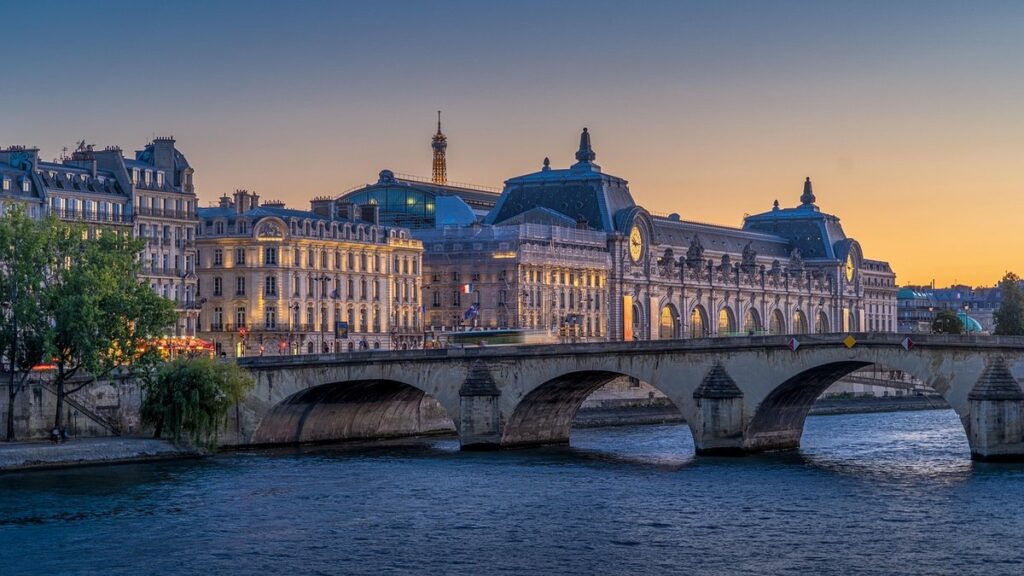
Art has also been used as a means of cultural preservation in France. The country’s rich artistic heritage is celebrated through numerous museums, galleries, and festivals throughout the year. Visitors can explore everything from Impressionist masterpieces at the Musée d’Orsay to contemporary installations at the Palais de Tokyo. Whether you’re an art enthusiast or just looking to experience French culture firsthand, there’s no shortage of opportunities to engage with the country’s vibrant artistic scene.
Celebrations and Festivals in France
France is known for its vibrant celebrations and festivals, each one showcasing a unique aspect of French culture. Let’s take a look at some of the most iconic events that bring the country to life.
Bastille Day: A Celebration of Freedom
Bastille Day is one of France’s most revered national holidays, commemorated on July 14th every year. This day marks the storming of the Bastille prison in 1789, a pivotal moment in the French Revolution that symbolized the country’s transition from an absolute monarchy to a democratic republic.
As you walk through French cities and towns on this day, you’ll witness a sea of tricolor flags waving high, accompanied by lively music, delicious food, and festivities. Fireworks light up the night sky as families and friends gather to celebrate their freedom and independence. The Eiffel Tower is especially magical during Bastille Day, with its illuminations shining bright in shades of red, white, and blue.
The symbolism behind this celebration extends beyond just a historical event; it represents the spirit of liberty, equality, and fraternity that defines French culture. Visitors to France can participate in the festivities by attending outdoor concerts, parades, or simply joining locals for a traditional picnic under the stars. By immersing themselves in Bastille Day celebrations, tourists can experience firsthand the essence of French joie de vivre (joy of living).
Christmas Traditions in France
Christmas is a significant celebration in France, marked by unique traditions that reflect the country’s rich cultural heritage. One of the most important days during the holiday season is the Epiphany, which falls on January 6th. This feast commemorates the visit of the Magi to the baby Jesus and is celebrated with special foods like galette des rois, a flaky pastry crown filled with frangipane.
Family gatherings are an integral part of French Christmas traditions. On Christmas Eve, families come together for a festive dinner, often featuring dishes like bûche de Noël (a rich chocolate cake) or foie gras. The atmosphere is usually relaxed and convivial, with plenty of wine and laughter. When it comes to decorating homes, the French favor a minimalist approach, focusing on simple yet elegant arrangements of candles, evergreen branches, and flowers.
To experience Christmas in France like a local, try attending a festive market or village celebration, where you can sample traditional foods, buy handmade crafts, and soak up the holiday atmosphere. Even small gestures, such as exchanging gifts with loved ones or sharing a homemade meal, can become cherished memories of the season. By embracing these unique customs, you’ll be able to connect with French culture on a deeper level and truly feel the festive spirit.
Everyday Life in France: Etiquette and Social Norms
When interacting with locals, understanding everyday French etiquette and social norms can make a big difference in your experience, from greetings to mealtimes. You’ll learn what’s considered polite and respectful in various situations.
Greetings and Basic Politeness
When interacting with the French, it’s essential to be mindful of basic politeness and etiquette. Greetings play a significant role in establishing a positive tone for further interactions. A simple “bonjour” (good day) or “salut” (hello) is sufficient when encountering someone on the street, in a shop, or at a café. However, it’s worth noting that the French tend to be more formal than Americans, so using titles such as “monsieur” (mister) or “madame” (ma’am) can go a long way.
Body language is also an important aspect of everyday interactions in France. Avoid standing too close to someone, as this can be perceived as invasive. Instead, maintain a comfortable distance and use open nonverbal cues such as uncrossing your arms. Additionally, try to match the level of formality in body language when interacting with others.
When engaging with service staff, remember that tipping is not expected but showing appreciation through small gestures like smiling or leaving a kind word can go a long way in receiving good service. For instance, if you’re at a café and receive a warm croissant, simply say “merci” (thank you) to acknowledge the gesture.
In daily conversations with locals, be prepared for some formalities such as using titles and surnames until explicitly invited otherwise. Practice your French phrases and be respectful of personal space to build rapport with the locals.
Understanding French Communication Styles
In France, communication is an art form that requires finesse and subtlety. Unlike some cultures that value directness and straightforwardness, the French tend to be more indirect and nuanced in their interactions. This can sometimes lead to misunderstandings, but with a little insight, you’ll be able to navigate these complexities like a pro.
When it comes to expressing opinions or making requests, the French often use sarcasm as a way to convey their thoughts without being too direct. For instance, saying “Oh, bien sûr, c’est facile” (oh, of course, that’s easy) might actually mean “That sounds incredibly difficult.” Pay attention to tone and body language, as these can be more revealing than the words themselves.
Nonverbal cues are also essential in French communication. A nod or a slight smile can convey acceptance or agreement, while a raised eyebrow or a dismissive wave of the hand can indicate hesitation or disagreement. By being mindful of these subtle signals, you’ll be able to better understand and respond to the people around you.
French Etiquette: A Guide for Visitors and Expats
When navigating everyday situations, it’s essential to understand France’s unwritten rules of etiquette, from greeting customs to dining table manners. Mastering these nuances will help you blend in seamlessly with locals and expats alike.
Table Manners in France
When dining out in France, it’s essential to be aware of the country’s unique table manners and etiquette rules. Unlike some other cultures, mealtimes are sacred in France, and breaking certain norms can be considered impolite.
Firstly, when seated at a restaurant, wait for the host or hostess to invite you to take your seat before sitting down. This is a sign of respect for their hospitality. Once seated, keep your hands visible on the table with your wrists resting on the edge. This may seem strange, but it’s customary in France.
When it comes to wine pairing, be sure to order a glass of water with your meal. The French appreciate a good glass of wine, but drinking tap water is perfectly acceptable and even encouraged. When pouring wine for someone else, always fill their glass first before filling your own. This may seem like a small detail, but it shows consideration for the other person’s preferences.
Respectfully passing dishes, using the correct cutlery, and not eating on the go are also essential table manners in France. Remember that mealtimes are an opportunity to connect with others, so enjoy the experience and savor your food!
Other Essential Etiquette Rules for Visitors
As you navigate everyday life as a visitor or expat in France, it’s essential to be aware of some fundamental etiquette rules beyond just dining and formal events. One crucial aspect is using public transportation.
When traveling on trains, buses, or metro lines, avoid eating strong-smelling foods or loud snacking, as this can disturb fellow passengers. Also, respect personal space by not standing too close to others or touching their belongings without permission.
Shopping etiquette is also important in France. When trying on clothes, don’t ask sales assistants if the item looks good on you – it’s considered impolite to draw attention to oneself. Instead, focus on checking the fit and fabric quality discreetly. Additionally, avoid leaving shopping bags unattended or making a mess with packaging materials.
When interacting with locals, be mindful of direct eye contact and avoid loud conversation in public spaces, especially when discussing sensitive topics. If you’re unsure about something, ask politely and respectfully, such as “Excusez-moi, où est…?” (Excuse me, where is…?). This will not only help you navigate everyday situations but also show your appreciation for French culture.
Frequently Asked Questions
Can I apply the concepts of French culture to my own life, even if I’m not living in France?
Yes, you can definitely adapt the values and customs mentioned in this guide to your daily life, regardless of where you reside. Understanding and embracing the principles of liberté, égalité, fraternité can inspire positive change in your community and personal relationships.
How do I navigate French social etiquette without feeling overwhelmed or awkward?
Start by familiarizing yourself with basic greetings and polite expressions. When interacting with locals, remember that a smile and genuine interest go a long way. Don’t be afraid to ask for help or clarification when needed – the French value politeness and respect for tradition.
What’s the best way to learn more about French culture beyond this guide?
Immerse yourself in French media, such as films, books, and music. Engage with online communities or forums where you can discuss your experiences and ask questions. Consider taking a course on French language and culture to deepen your understanding.
Can I still respect French tradition and heritage while being open-minded and adaptable?
Yes, it’s possible to strike a balance between respecting local customs and being open to new experiences. Remember that France is a country in flux, with a rich history influencing its present. Be mindful of cultural nuances, but also feel free to share your own perspectives and traditions.
How can I apply the concept of joie de vivre (the joy of living) to my daily life?
Prioritize enjoying the simple things – a beautiful sunset, a delicious meal, or a good conversation with friends. Focus on experiences over material possessions, and cultivate a sense of gratitude for what you have. By embracing the French spirit of appreciation and contentment, you can add more happiness to your life.