
French rural life is often romanticized for its picturesque landscapes and tranquil atmosphere. But beneath its idyllic surface, lies a unique culture that continues to fascinate visitors from around the world. From the daily routines of village life to the traditional cuisine that brings people together, there’s much more to French rural life than meets the eye. You might be drawn to the beauty of France’s countryside, with its rolling hills and charming villages, but do you know what it takes to truly immerse yourself in this culture? This article will explore the daily routines, traditions, and challenges of living in a rural French community, and provide guidance on how to discover the beauty of Frances countryside while understanding its preservation challenges. By the end of this article, you’ll be able to identify key aspects of French rural life and understand what it takes to preserve this unique culture.
Discovering the Charm of Rural France
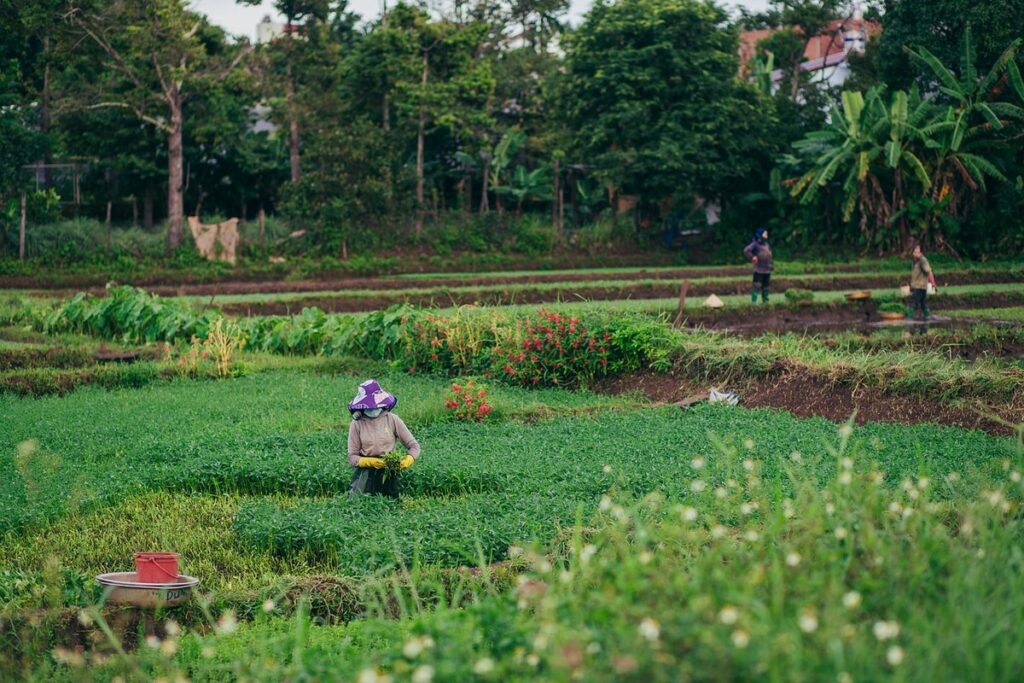
As you continue on your journey to discover the secrets of rural French living, let’s focus on the region’s most captivating villages and countryside landscapes that showcase its quintessential charm.
What is French Rural Life?
Rural life in France has a rich history and cultural significance that dates back centuries. The term “rural” refers to the countryside, villages, and small towns outside of urban areas like Paris or Lyon. These regions are often characterized by rolling hills, fields of wheat and sunflowers, and picturesque stone houses.
Traditionally, rural life in France was centered around agriculture, with many families relying on their own land for food and livelihood. The concept of “terroir” – a French term that roughly translates to “soil” or “region” – is deeply ingrained in the culture, emphasizing the importance of local produce, craftsmanship, and traditional practices.
The beauty of rural France lies not only in its natural landscapes but also in its human-scale villages, where residents often know one another by name. This close-knit community is a key aspect of rural life, with many locals actively involved in local initiatives, such as farmers’ markets and village festivals. Understanding the cultural significance and history of rural France can help visitors and residents alike appreciate the unique charm and allure of this way of life.
Characteristics of Rural Communities
In French rural communities, close-knit relationships and strong traditions are the norm. Neighbors often know each other’s names and families, and community events like markets and festivals bring people together regularly. This sense of camaraderie is fostered by shared values such as respect for elders and a strong work ethic.
Traditional skills like farming, craftsmanship, and cooking are also highly valued in rural France. Many residents continue to practice these skills passed down through generations, often using local materials and techniques. For example, you might find artisans selling handmade goods at local markets or farmers tending to their plots with traditional methods.
Strong family ties are another characteristic of rural French communities. Extended families often live close together, and mealtimes are occasions for sharing stories and enjoying home-cooked meals. This emphasis on family and community is reflected in the way residents prioritize social connections over individual pursuits. By embracing these traditions and values, visitors can gain a deeper understanding of la vie en vert and perhaps even experience a taste of rural French life themselves.
Understanding the Daily Life of Rural Residents
For a true appreciation of la vie en vert, it’s essential to understand the daily routines and traditions that make rural French life so unique. We’ll delve into the everyday experiences of rural residents.
A Day in the Life: Morning Routine
Rural residents typically start their day early, around 6 or 7 am. The morning routine often begins with a gentle wake-up call from the birds outside or the sound of the rooster crowing. One of the first tasks is tending to the garden or orchard, where they might water the plants, prune fruit trees, or harvest fresh vegetables for breakfast.
Some rural residents may also have livestock on their property, such as cows, goats, or chickens. These animals need regular feeding and care, which can be a daily responsibility. For example, milking cows twice a day to produce fresh milk for cheese-making or yogurt is a common task in rural France.
After completing these morning chores, residents often take a moment to enjoy their surroundings and appreciate the peace and quiet of the countryside. A simple breakfast, perhaps accompanied by freshly baked bread and homemade jam, provides a chance to slow down and start the day on a positive note. The rhythm of rural life is characterized by a connection to nature and a sense of community that comes from living in close proximity to others.
Traditional Skills and Crafts
Rural communities in France continue to preserve traditional skills and crafts that have been passed down through generations. Woodworking is one such skill that remains highly valued, with many artisans creating beautiful pieces of furniture using local woods like oak and chestnut. Textiles are another area where traditional techniques persist, with women often specializing in needlework, embroidery, or tapestry weaving.
In the rural regions of Brittany and Normandy, you’ll find skilled craftsmen who still build wooden boats using traditional methods. These handcrafted vessels are not only a testament to their expertise but also a vital part of local culture. In some areas, rural residents continue to make their own tools, such as scythes or sickles, from raw materials found on their land.
Visiting a local market in a rural French town can be an excellent way to experience these traditional skills firsthand. You might see artisans selling handmade wares like woven baskets, pottery, or hand-carved wooden decorations. Some towns even host workshops where you can learn basic techniques and take home your own creations. By engaging with local craftsmen and women, you’ll gain a deeper appreciation for the time-honored traditions that underpin rural French life.
Exploring French Countryside Cuisine
French countryside cuisine is a true reflection of local culture and tradition, often made with simple yet flavorful ingredients grown on family farms. Here, you’ll discover the hearty dishes that bring rural communities together.
Farm-to-Table: Local Produce and Ingredients
In French cuisine, the concept of farm-to-table is deeply ingrained. The emphasis on using local produce and ingredients is not just a trend, but an integral part of the country’s culinary identity. Regional specialties often highlight specific products that are native to certain areas, showcasing the diversity of France’s agricultural heritage.
For instance, in Provence, you’ll find the iconic Ratatouille dish, which showcases eggplant, zucchini, bell peppers, and tomatoes – all staples of the Mediterranean region. Similarly, in Normandy, the region is famous for its apples and pears, used to make delicious ciders and jams.
To experience the best of French rural cuisine, look for local markets (marchés) where farmers sell their fresh produce directly to consumers. These markets are a great place to discover new ingredients and learn about regional specialties. You can also visit local farms or châteaux to taste products straight from the source.
When shopping at local markets, be sure to ask vendors about the origin of their products and any traditional preparation methods they use. This will give you a deeper appreciation for the quality and authenticity of French rural cuisine. By embracing this philosophy, you’ll not only taste the best of France but also support local communities and preserve traditional practices.
Classic Rural Dishes and Recipes
Rural France is renowned for its rich culinary heritage, with traditional dishes passed down through generations. One of the most iconic regional specialties is Cassoulet, a slow-cooked casserole originating from the Languedoc region. Made with white beans, meat (typically pork sausage and duck), and sometimes lamb, it’s often served on special occasions.
Another beloved classic is Tarte Tatin, a caramelized apple tart that’s a staple in many French countryside households. This dessert typically consists of tender apples cooked in butter and sugar, then topped with pastry. It’s said to have originated from the Dordogne region, where apples were abundant.
The Pyrenees Mountains are home to Escalivada, a hearty vegetable dish featuring roasted peppers, eggplants, and onions. This humble yet flavorful recipe has been a staple in rural communities for centuries. When preparing Escalivada, it’s essential to roast the vegetables slowly over an open flame or in a wood-fired oven to bring out their natural sweetness.
In rural France, meals often revolve around seasonal ingredients and local specialties. By embracing this approach, you can create authentic dishes that connect you with the region’s history and culture. Experimenting with new recipes is also a great way to discover hidden gems and appreciate the nuances of French countryside cuisine.
The Beauty of French Nature and Landscapes
Imagine strolling through a lush meadow, surrounded by rolling hills and vibrant wildflowers that stretch as far as the eye can see. This serene landscape is just one of many breathtaking natural wonders waiting to be discovered in rural France.
Rolling Hills, Vineyards, and Lakes: Natural Wonders
French rural landscapes are a feast for the senses. Rolling hills stretch as far as the eye can see, their gentle slopes covered with a patchwork of golden wheat and emerald green pastures. Vineyards, often family-owned and operated, dot the countryside, their rows of neatly tended vines producing some of the world’s most renowned wines. Lakes, tranquil and serene, reflect the beauty of their surroundings, providing a haven for boating, fishing, and picnicking.
The Dordogne region is particularly known for its stunning natural scenery, with the Périgord Noir offering breathtaking views of rolling hills and medieval villages perched on rocky outcrops. The Loire Valley, famous for its châteaux, also boasts a picturesque landscape of rivers, lakes, and vineyards. When exploring these areas, take time to stop at local markets or roadside stands selling fresh produce, artisanal cheeses, and handcrafted wines.
To fully appreciate the natural beauty of rural France, consider visiting during the spring or autumn when wildflowers bloom in vibrant colors or harvest season brings a riot of activity to the countryside. Whatever the time of year, remember to respect the land and its inhabitants by adhering to local environmental guidelines and supporting sustainable tourism practices.
Wildlife and Conservation Efforts
Rural France is home to a diverse array of wildlife, from the majestic storks nesting on rooftops to the tiny fire salamanders scurrying through the underbrush. However, many species face threats such as habitat loss and fragmentation due to urbanization and agricultural expansion.
The French government has implemented several initiatives to protect endangered species, including the protected areas law (Loi sur les Espaces Naturels Sensibles) which designates sensitive ecosystems for conservation. These zones are managed by local authorities in collaboration with environmental organizations and landowners.
One notable example is the creation of “Natura 2000” sites, which provide a network of habitats for priority species such as the European bee-eater and the Pyrenean desman. Additionally, many rural communes have established their own conservation efforts, often with the support of local volunteers.
For those interested in contributing to wildlife conservation in rural France, there are several opportunities to get involved. Many national parks and nature reserves offer volunteer programs or citizen science initiatives that allow individuals to participate in species monitoring, habitat restoration, or education projects.
Adapting to Rural Life: Challenges and Opportunities
Moving to a rural area can be daunting, especially when it comes to adjusting to new ways of living, shopping, and socializing. Let’s examine the unique challenges and opportunities that arise in these charming French villages.
Overcoming Language Barriers and Cultural Differences
Moving to a rural area in France can be a daunting experience, especially when it comes to navigating language barriers and cultural differences. You may encounter situations where you struggle to communicate with locals, or misunderstand social cues that are specific to French rural culture.
One of the first challenges is learning basic French phrases and words that will help you connect with your neighbors and community members. Start by learning greetings like “bonjour” (good day) and “au revoir” (goodbye), as well as phrases for everyday situations, such as asking for directions or ordering food at a local café.
It’s also essential to understand the cultural nuances of rural France, where community ties are strong and social relationships are built over time. For example, in many rural areas, it’s customary to greet your neighbors with a kiss on each cheek (called “la bise”) when you meet them. This can be a bit intimidating at first, but it’s an important way to show respect and build rapport.
To overcome language barriers, consider taking French classes or using online resources like language learning apps or podcasts. You can also try to learn key phrases in the local dialect, which may differ from standard French spoken in urban areas.
Community Involvement and Integration
Joining a local community in rural France is often facilitated through volunteering opportunities. Many villages have associations for maintaining public spaces, organizing cultural events, and supporting vulnerable populations. These groups frequently rely on volunteers to keep their activities running smoothly.
Some villages offer formalized programs or roles for newcomers, such as being appointed as a village representative or participating in the local school’s volunteer program. In other cases, individuals may simply introduce themselves to the local café owner or town hall administrator and ask how they can contribute.
Participating in local events is another effective way to integrate into the community. These could be festive occasions like the Fête de la Musique or more subdued gatherings like a village potluck dinner. By attending these events, you’ll have opportunities to mingle with locals, learn about their traditions, and develop connections.
Volunteering for specific causes, such as helping at an animal shelter or participating in community gardening initiatives, can also facilitate relationships within the local community.
Visiting and Immersing Yourself in French Rural Life
As you make your way into rural France, you’ll discover a tranquil pace of life that’s perfect for immersing yourself in the country’s natural beauty and rich traditions. Explore villages, meet locals, and experience la vie en vert firsthand.
Tourist Attractions and Hidden Gems
When visiting rural France, you’ll find a mix of well-known tourist attractions and hidden gems waiting to be discovered. The medieval village of Saint-Cirq-Lapopie, perched atop a rocky outcrop overlooking the Lot River, is a must-visit for its cobblestone streets and 14th-century architecture. Another popular destination is the Château de Chenonceau, a Renaissance castle situated in the heart of the Loire Valley.
For those looking to venture off the beaten path, consider exploring the charming villages of the Dordogne region, such as Beynac-et-Cazenac or La Roque-Gageac. These picturesque towns offer breathtaking views of the surrounding countryside and are often less crowded than more popular destinations. The Périgord Noir is also home to the stunning Gouffre de Padirac, a 105-meter-deep cave system accessible via an elevator.
When planning your itinerary, be sure to include some downtime to explore rural France’s many markets and festivals. These events offer a unique glimpse into local culture and are often held in picturesque villages or town squares. By balancing popular attractions with hidden gems and incorporating market visits and festivals into your schedule, you’ll experience the authentic charm of French rural life.
Tips for a Successful Immersion Experience
Immersing yourself in rural France requires a willingness to learn and adapt. One key aspect is language learning: you’ll find that basic French phrases go a long way in building relationships with locals, who appreciate the effort. Consider enrolling in a local course or using online resources to improve your skills. Homestay opportunities are another excellent way to integrate into rural life – living with a family allows for genuine immersion and often leads to lasting connections.
To truly experience la vie en vert, try to engage with daily routines and traditions. Assist with farm chores or learn a traditional skill like bread-making or cheese-crafting. Attend local festivals and events, where you can sample regional specialties and meet the people behind them. Be open-minded and patient – learning a new culture takes time.
Some other immersion opportunities include participating in village projects, such as maintaining historic landmarks or revitalizing community gardens. You might also consider volunteering at a local farm or working with a conservation organization to gain hands-on experience. Whatever path you choose, prioritize building relationships with your hosts and neighbors; this is where the real beauty of rural France lies.
Preserving French Rural Heritage: Challenges and Opportunities
French rural heritage is a fragile treasure, threatened by depopulation and urbanization, making preservation efforts a pressing concern for those who cherish la vie en vert. We’ll examine the challenges facing these initiatives.
Economic Pressures and Urbanization Trends
Rural areas in France face significant economic pressures due to urbanization trends. One key factor is the decline of traditional industries such as agriculture and manufacturing, which have long been the backbone of rural economies. Many small farms struggle to compete with large-scale industrial operations, leading to a loss of income and jobs for local residents.
Urbanization also contributes to the depopulation of rural areas, as young people move to cities in search of better job opportunities and education. This can lead to an aging population, with fewer younger individuals to inherit land, businesses, or take on traditional skills. As a result, rural communities risk losing their cultural identity and way of life.
Some rural regions are experiencing gentrification, where urban professionals buy up properties and disrupt the local economy. This can drive out long-term residents who cannot afford the rising prices, exacerbating social and economic disparities. However, there are also initiatives to revitalize rural areas, such as promoting eco-tourism and supporting artisanal industries that celebrate traditional skills and craftsmanship.
Initiatives for Preservation and Revitalization
Community-led projects and government support programs are crucial for preserving French rural heritage. One notable example is the restoration of historic villages through the “Village de Caractère” program, which provides financial assistance to towns that meet specific criteria. This initiative has helped revitalize many rural areas by promoting traditional architecture and maintaining local culture.
Additionally, organizations like the “Fédération Rurale” work closely with local communities to develop sustainable tourism practices and preserve natural resources. These groups often partner with businesses and residents to create eco-friendly accommodations, promote local products, and support environmental conservation efforts.
The French government also offers various incentives for rural preservation, such as tax breaks for renovating historic buildings or grants for supporting artisanal craftsmanship. Furthermore, initiatives like the “Pays de la Loire” region’s focus on sustainable agriculture and local food systems aim to preserve traditional farming practices while promoting economic growth in rural areas.
These collaborative efforts demonstrate a commitment to preserving France’s unique rural heritage and ensuring its continued allure for future generations.
Frequently Asked Questions
Can I really make a living from scratch in rural France?
Yes, it’s possible to live off the land and generate income from self-sufficiency, but it requires careful planning, research, and adaptation to local conditions. Many rural French residents successfully combine traditional skills with modern entrepreneurship.
How do I choose the right type of property for my rural lifestyle goals?
Consider factors such as location, size, condition, and zoning restrictions when selecting a property in rural France. Think about your needs for space, proximity to amenities, and potential for development or renovation. Prioritize what matters most to you: affordability, environmental sustainability, or community integration.
What if I’m not fluent in French – can I still live in a rural area?
Yes, many rural areas offer opportunities for English speakers, especially in tourist regions. However, learning some basic French will greatly enhance your experience and interactions with locals. Consider taking language classes or working with a language exchange partner to improve your skills.
How do I balance my desire for self-sufficiency with the need for community involvement?
Integrate yourself into local life by participating in village events, joining clubs or organizations that align with your interests, and volunteering for causes you care about. This will help you build relationships and find support as you navigate the challenges of rural living.
What if I have a disability or require special accommodations – can I still live in rural France?
Yes, many rural areas offer accessible housing options and services for people with disabilities. Research local resources, consult with experts, and consider visiting potential locations before making a decision. With some planning and flexibility, it’s possible to find a suitable and fulfilling life in rural France despite any physical or mobility limitations.

