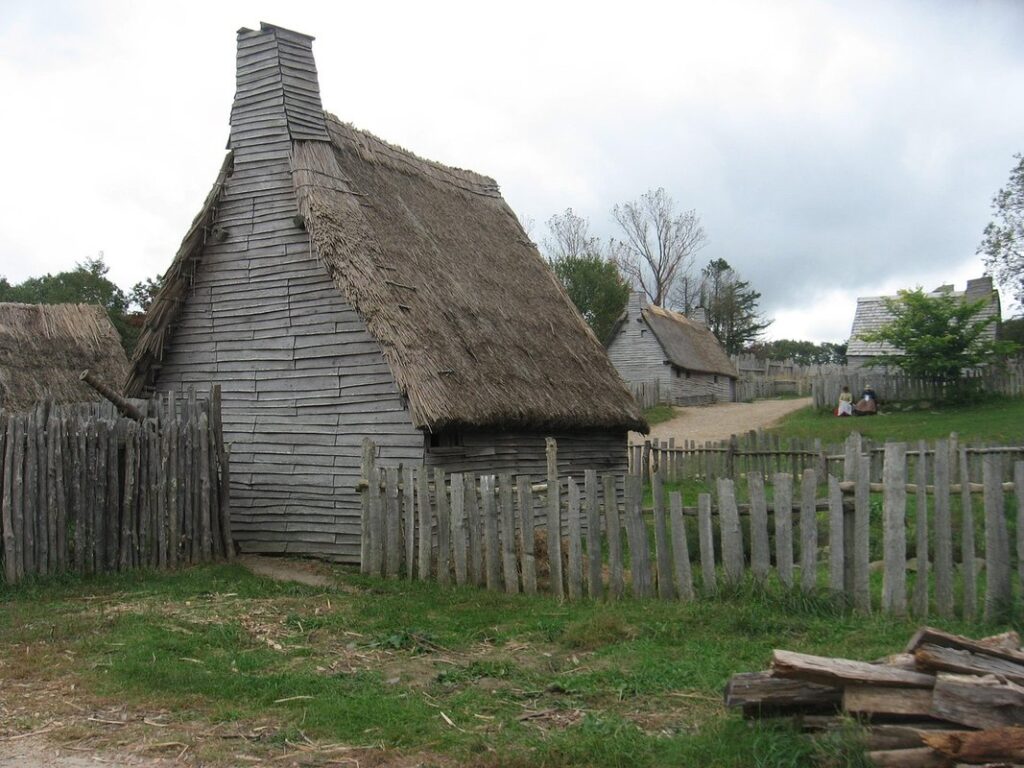
A typical medieval village consisted of a cluster of homes, farms, and workshops surrounded by fields and forests. To understand how these villages developed and thrived despite facing numerous challenges such as natural disasters, wars, and pandemics, it’s essential to examine their origins, layout, and daily life. A well-planned village could ensure the survival of its inhabitants, whereas a poorly designed one would struggle to provide for its people. Villages with strong economies, based on agriculture or crafts, were more likely to endure and even flourish over time. This article will explore how medieval villages developed their unique characteristics, managed their resources, and adapted to the harsh conditions they faced, ultimately learning from their successes and failures.

Origins and Development of Medieval Villages
Medieval villages originated from small settlements that formed around a central hub, such as a church or market. Let’s take a closer look at how these early communities developed over time.
Early Settlement Patterns and Influences
Medieval villages emerged from a complex interplay of factors, including the remnants of Roman settlements and early Christian monasteries. The Romans had established a network of roads, towns, and cities throughout Europe, many of which continued to function as centers of commerce and administration after their withdrawal. As Christianity spread across the continent, monasteries became essential hubs for spiritual guidance, education, and community development.
Many medieval villages sprouted up near these existing settlements, often incorporating elements of Roman infrastructure into their layout. For instance, some villages retained the grid-like pattern of streets seen in Roman towns, while others adopted a more organic, irregular design. Early Christian monasteries, meanwhile, provided a model for communal living and agricultural self-sufficiency that would shape the medieval village’s social and economic structures.
The influence of these earlier settlements can be observed in the layout and architecture of many medieval villages. Archaeological excavations have uncovered evidence of Roman-era buildings, such as roads, bridges, and public baths, incorporated into later village designs. Similarly, monastic layouts often featured central churches, scriptoriums, and refectories that served as prototypes for subsequent village buildings.
The Emergence of the Manorial System
In medieval England, the manorial system began to take shape around the 9th century. This feudal arrangement was characterized by a hierarchical structure where lords granted land to vassals in exchange for military service and loyalty. Vassals, in turn, would provide protection and support to their lord while also managing the land they were given. Serfs, or peasants, lived on this land and worked it in exchange for protection and a place to live.
A key aspect of the manorial system was the concept of homage. When a vassal received land from a lord, he would perform homage by swearing loyalty and fealty to his superior. This bond between lord and vassal created a web of obligations that tied the entire community together. Lords collected taxes in the form of labor or goods from their serfs, who were also required to provide services during times of war or other crises.
The manorial system was not uniform across all medieval villages, but its influence can be seen throughout England’s rural landscape. As you explore the history of a particular village, look for signs of this feudal structure in the layout and relationships between landowners, vassals, and serfs.
Key Factors Contributing to Village Growth
Geography played a significant role in determining the growth and development of medieval villages. The presence of fertile land, access to water sources, and suitable climate conditions made certain locations more attractive for settlement. For instance, villages situated near rivers or streams had an advantage over those that relied on wells or rainwater collection systems. This proximity to water enabled farmers to irrigate crops, support a larger population, and facilitate trade.
Trade routes also contributed significantly to the growth of medieval villages. Villages located along major roads or trade corridors benefited from increased commercial activity, which brought in goods, services, and people. The village’s economy flourished as it became a hub for exchange and commerce. However, the absence of nearby markets or transportation infrastructure hindered growth.
Access to resources, including arable land, forests, and pastures, was another crucial factor. Villages with ample supplies of these resources could support larger populations and engage in more extensive agriculture, animal husbandry, and other economic activities. Conversely, villages struggling to access basic resources faced challenges in sustaining their populations and economies.
Medieval Village Layout and Architecture
As we explore the daily lives of medieval villagers, it’s fascinating to see how they organized their homes and community spaces. In a typical village, you’d find clusters of houses, churches, and communal buildings arranged in a unique pattern.
The Classic Medieval Village Design
In a typical medieval village, you’d find a central area known as the “green” or “village green,” where community gatherings and events took place. Homes were usually arranged around the edge of the village, with thatched-roof cottages made from local materials like wood and mud. Church buildings stood at the heart of the settlement, often dominating the skyline with their steeples and towers.
The layout of a medieval village was influenced by its topography – hills, valleys, and rivers dictated where homes and structures could be built. You’d typically find narrow streets winding between houses, with most homes facing each other across a small alleyway or passageway. This design allowed for easy access to shared spaces like wells, bakeries, and blacksmiths.
Other key features included the manor house, which served as the seat of power for the local lord, and the village hall, where community business was conducted. The layout also accommodated specific activities – a mill or windmill might be situated near a water source, while a market square would be positioned near the entrance to the village.
Building Types and Materials Used in Medieval Villages
Medieval villages were characterized by a diverse range of buildings, each serving a specific purpose within the community. The most common type of dwelling was the simple cottage, typically made from local materials such as wattle and daub or timber framing with thatched roofs. These cottages usually had one room, often without windows, and served as both living quarters and workspace for the family.
At the other end of the social spectrum were grand manor houses, built by the lord of the manor using more expensive materials like stone and brick. These large houses boasted multiple rooms, including great halls, kitchens, and chapels, and often featured decorative features such as carvings and stained glass windows.
In addition to cottages and manor houses, medieval villages also included a variety of other structures, including churches, blacksmith shops, bakeries, and alehouses. These buildings were typically made from the same local materials used for cottages but with more attention paid to craftsmanship and ornamentation.
Church Architecture and Its Role in Village Life
Medieval churches played a central role in village life, serving as more than just places of worship. They were often the largest and most impressive structures within the village, showcasing the community’s wealth and status. Typically, these churches featured a mix of Romanesque and Gothic architectural styles, with rounded arches and ribbed vaults characteristic of the former, and pointed arches and flying buttresses typical of the latter.
The church’s spiritual significance was complemented by its practical importance as a communal gathering space. Villagers would often hold meetings and celebrations within the church, making it an integral part of community life. The tower or steeple of the church served as a visual landmark for the village, while also housing the bell that summoned villagers to prayer and other important events.
The design of medieval churches often reflected their role in village life. For example, many featured a large nave with aisles on either side, allowing for maximum seating capacity and accommodating crowds during special services or celebrations. The church’s layout might also incorporate local materials, such as stone quarried from nearby sites, to emphasize the community’s connection to its surroundings.
Daily Life in a Medieval Village
Daily life in a medieval village was shaped by its people, with most villagers living and working together in close-knit communities. Let’s take a look at how they spent their days.
Social Hierarchy and Roles Within the Village
Medieval villages were organized into a strict social hierarchy, with distinct roles and responsibilities for each group. At the top of the hierarchy stood the lord, who owned the land and held significant power over the village. The lord was often a noble or member of the aristocracy, and their estate served as the central hub of activity in the village.
Below the lord were the vassals, who were typically members of the local nobility or wealthy merchants. Vassals would offer military service to the lord in exchange for protection and landholdings. They often held important administrative roles within the village, such as overseeing taxation and justice.
The majority of villagers fell into the category of serfs, who worked on the lord’s land in exchange for protection and a portion of their crops. Serfs were tied to the land and were required to perform specific duties, such as laboring during harvest season or tending to the lord’s personal gardens. Other groups within the village included artisans, merchants, and clergy, each with their own distinct roles and responsibilities.
Women’s Lives in Medieval Villages
Women’s lives in medieval villages were heavily influenced by their domestic responsibilities and economic activities. Women from wealthy families managed large households, overseeing food preparation, cleaning, and childcare. They also supervised servants and laborers who worked on the household estate. In contrast, women from poorer families contributed to the family income through various tasks such as spinning, weaving, or working in the fields.
In some cases, women even owned and operated their own businesses, like bakeries or breweries. However, these opportunities were rare and often reserved for widows or single women who had inherited property. Women’s economic activities were also tied to their social status: married women typically returned to their husband’s household after marriage and lost control over any inherited property.
Women’s social status varied depending on their birth, marriage, and family connections. Widowed women, in particular, held significant power and influence within the village due to their access to land and resources. The majority of women, however, were subject to patriarchal norms and expectations, with limited rights to property ownership and inheritance.
Agriculture and Food Production in Medieval Villages
Villagers grew a variety of crops, including grains like wheat and barley, legumes like beans and lentils, and root vegetables like carrots and turnips. These crops were often rotated seasonally to maintain soil fertility and prevent depletion. For example, in the spring, villagers might plant cereals followed by legumes in the summer, which would be harvested before planting winter grains.
Livestock was another crucial component of medieval agriculture. Villagers raised cattle, pigs, sheep, and chickens for meat, dairy, and eggs. Cattle were used for plowing fields and providing milk and cheese, while pigs were raised for pork and their fat was used for cooking and lighting. Sheep provided wool for clothing and textiles.
Food production in medieval villages relied heavily on the use of communal land and shared resources. For example, villagers might work together to clear and till a common field, which would then be divided among them according to their family size or social status. This cooperative approach allowed villagers to share expertise and labor, making it possible to produce food for themselves and their communities.
Economy and Trade in Medieval Villages
Medieval villages relied heavily on local trade to exchange goods, from grains to textiles, which played a crucial role in their economic survival. This intricate web of commerce helped sustain village life.
The Role of Trade in Village Economies
Trade played a vital role in the economic survival and growth of medieval villages. Neighboring towns and villages would frequently exchange goods and services, which helped to supplement their local produce and craft supplies. For example, a village might trade grain for salt or metal tools with neighboring communities, ensuring they had access to essential items without needing to rely solely on local resources.
The exchange of goods also promoted specialization within the village. As villagers focused on producing specific products, such as textiles or ceramics, they developed expertise and efficiency in these areas. This, in turn, allowed them to produce higher-quality goods that could be traded with other communities for greater profit.
A small village might specialize in a particular craft, like weaving or blacksmithing, while relying on neighboring villages for grains, dairy products, or other staples. This division of labor enabled the village to maximize its resources and meet the demands of its population more effectively. In some cases, trade even facilitated the growth of local markets, where villagers could sell their goods directly to consumers from nearby towns and cities.
Craftsmanship and Specialized Trades Within the Village
Medieval villages were hubs of skilled craftsmanship and specialized trades. Blacksmiths hammered out tools and horseshoes, while weavers wove woolen blankets and linens for clothing and bedding. Each trade had its own designated area within the village, often located near a central market square or along a main thoroughfare. The sound of hammers ringing against anvil and the hum of looms provided a constant background noise.
Weavers, in particular, played a crucial role in the local economy. They produced cloth for both domestic use and trade with surrounding towns and cities. A single weaver could produce up to 20 yards of linen or woolen fabric per week, providing a steady income for themselves and their family. The quality and durability of medieval textiles were renowned, with some fabrics being exported as far as Europe’s major trading centers.
In addition to these prominent trades, villages also supported smaller specialized industries such as potters, carpenters, and bakers. Each trade had its own apprenticeship system, where young learners would work under the guidance of an experienced master craftsman. This ensured that skills were passed down through generations and maintained high standards within each craft.
The Impact of Trade on Village Development
Trade had a profound impact on village development, driving growth and change in medieval communities. As trade routes expanded, markets emerged in villages, providing opportunities for local artisans to sell their wares. The presence of these markets led to the emergence of new industries, such as textile production, which became a staple of many village economies.
The growth of trade also influenced social structures within villages. Wealthy merchants and traders often rose to prominence, accumulating power and influence that rivaled that of local lords. In some cases, this led to changes in the feudal system, with merchants playing a more significant role in village politics.
New industries brought new skills and technologies to medieval villages. For example, the introduction of the waterwheel allowed for increased textile production, while the emergence of glassmaking introduced new materials and techniques. These innovations had far-reaching impacts on village life, shaping the way people lived, worked, and interacted with one another.
Threats and Challenges Facing Medieval Villages
Medieval villages faced numerous threats, from marauding armies to devastating natural disasters, which often left them on the brink of collapse. We’ll explore some of these dangers in more detail.
Natural Disasters and Their Impact on Village Life
Medieval villages were susceptible to various natural disasters that had a significant impact on village life. One of the most common threats was flooding, which could be caused by heavy rainfall, overflowing rivers, or storm surges from the sea. The consequences of flooding were devastating, often leaving villagers without homes, crops, and livestock. For instance, in 1212, a severe flood hit the village of St. Albans, destroying homes and causing widespread famine.
Famines also plagued medieval villages, often resulting from droughts, poor harvests, or crop failures. The most notable example is the Great Famine of 1315-1317, which affected much of Europe and led to widespread poverty and starvation. Villagers relied heavily on agriculture, so crop failures had a direct impact on their livelihoods.
Diseases such as the Black Death also ravaged medieval villages, leading to significant population decline. The rapid spread of disease was often exacerbated by poor sanitation, lack of medical care, and cramped living conditions. The constant threat of natural disasters forced villagers to be resourceful and adaptable, developing coping mechanisms to mitigate the effects of these events.
Warfare and Its Effects on Village Populations
Warfare and its effects on village populations were devastating. When armies clashed, medieval villages often found themselves caught in the crossfire. Displacement was a common outcome, as villagers fled their homes to escape the violence. Those who remained behind risked losing everything: their homes, crops, livestock, and even their lives.
Destruction of homes and crops was widespread. Armies would often burn villages to the ground, leaving families without shelter or means of sustenance. Crops were destroyed, either intentionally or as a result of battle damage, leading to food shortages and famine. The loss of livestock also had severe consequences, as these animals provided meat, dairy products, and other essential resources.
The human cost was equally dire. Wars and raids resulted in significant loss of life, with many villagers killed or injured during battles. Others died from disease, starvation, or exposure after being displaced from their homes. The trauma inflicted on survivors was also long-lasting, leaving deep emotional scars that affected village life for generations to come.
The impact of warfare on medieval villages was multifaceted and far-reaching, affecting not only the physical landscape but also the social fabric of these communities.
Pandemics and Their Role in Shaping Village Life
Pandemics had a profound impact on medieval village life, often leading to significant changes in social behavior and public health measures. For instance, during the Black Death of the 14th century, many villages implemented strict quarantines to prevent further spread of the disease. This led to temporary isolation from neighboring communities and trade disruptions.
In response to pandemics, villagers also made adjustments to their daily lives. They might modify their diet, for example, by avoiding certain foods or limiting social gatherings. In some cases, this led to changes in traditional practices, such as communal bread-making or shared meals. Economic responses varied depending on the village’s dependence on trade and commerce.
Some villages implemented public health measures, like setting aside areas for isolation or creating makeshift hospitals. Others might designate specific individuals to care for those afflicted by illness. While these efforts were often haphazard and lacking in resources, they demonstrate how medieval villagers tried to cope with the challenges of pandemics.
Preservation and Legacy of Medieval Villages
As we explore the remnants of medieval villages, it’s essential to consider how these historical sites are preserved for future generations. Effective conservation efforts ensure their legacy lives on in our modern world.
Archaeological Discoveries and Excavations
Archaeological discoveries and excavations have significantly contributed to our understanding of medieval villages. These investigations allow researchers to uncover tangible evidence of daily life, architecture, and economic activities within these ancient settlements. The unearthing of artifacts such as pottery, tools, and coins provides valuable insights into the social hierarchy, trade networks, and technological advancements of the time.
Excavations at sites like Wharram Percy in England have revealed well-preserved village structures, offering a unique glimpse into medieval architecture and construction techniques. Similarly, digs at Hedeby in Denmark have uncovered evidence of a thriving trading center, demonstrating the importance of commerce in medieval village economies.
Careful excavation and analysis are essential for preserving artifacts and understanding their significance. Researchers must consider factors such as site preservation, artifact handling, and documentation to ensure that discoveries are accurately recorded and properly interpreted. By combining archaeological finds with historical records and written accounts, scholars can reconstruct a more comprehensive picture of life in medieval villages, ultimately enriching our understanding of this period’s history and culture.
Restoration Efforts and Modern-Day Interpretation
Historical reenactments and museum exhibits have become increasingly popular ways to experience medieval village life. Many museums now recreate medieval settings with authentic materials and skills, allowing visitors to walk through a reconstructed village and gain a tangible understanding of what daily life was like. Some notable examples include the Medieval Centre in Wales and the Museum of the Middle Ages in Paris. These reenactments not only provide an immersive experience but also serve as educational tools for both children and adults.
In addition to physical exhibits, many historical sites offer living history events where interpreters dressed in period clothing recreate medieval activities such as blacksmithing, weaving, and cooking over open fires. Visitors can witness firsthand the skills and techniques used by medieval villagers. Some museums have even incorporated interactive elements, allowing visitors to try their hand at tasks like spinning wool or baking bread.
These modern-day interpretations not only help to preserve the legacy of medieval villages but also provide a unique opportunity for people to engage with history in an immersive and hands-on way. By visiting these exhibits and participating in living history events, visitors can gain a deeper understanding of what life was like in a medieval village and appreciate the skills and traditions that have been passed down through generations.
Frequently Asked Questions
Can I apply the manorial system to modern-day villages?
Yes, while the manorial system was specific to medieval Europe, its principles of social hierarchy and division of labor can be applied in a more general sense to community organizing or cooperative living arrangements. This requires adapting the system to contemporary social norms and laws.
How do I ensure my historical reenactment of a medieval village is accurate?
To accurately depict life in a medieval village, focus on recreating the layout, architecture, and daily activities described in this article. Research specific details about your chosen village’s history, including its economy, trade relationships, and cultural practices. Consult with historians and archaeologists to ensure your interpretation is informed by current knowledge.
What if I’m planning to build a modern community based on medieval village principles?
When designing a new community inspired by medieval villages, consider factors like accessibility, sustainability, and social cohesion. Balance the needs of different groups within the community, such as residents, business owners, and local officials. Incorporate features that promote a sense of belonging and shared responsibility among community members.
Can I adapt the medieval village layout to suit my specific location or climate?
Yes, while traditional medieval villages were often built with certain geographical and environmental considerations in mind, you can adapt their design principles to suit your location or climate. Research local building codes, zoning regulations, and environmental factors before making any decisions about construction or renovation.
How do I engage my community in preserving the legacy of a medieval village?
Engage your community by hosting events, workshops, or educational programs that explore the history and cultural significance of the medieval village. Partner with local organizations, museums, or historical societies to provide resources and expertise. Consider developing a preservation plan that outlines specific steps for protecting the village’s heritage sites and artifacts.