The Hispanic community is one of the most dynamic and diverse cultural groups in the United States, comprising individuals from various Spanish-speaking countries. With over 50 million people identifying as Hispanic or Latino, they make up nearly a fifth of the country’s population, yet their experiences, challenges, and contributions are often misunderstood or overlooked. From the struggles of immigration to the richness of their cultural heritage, there is much to learn about this vibrant community. This article will delve into the complexities of the Hispanic community, exploring its demographics, historical significance, economic challenges, and opportunities for community engagement. By examining these aspects, we can gain a deeper understanding of what it means to be part of this rich cultural tapestry.
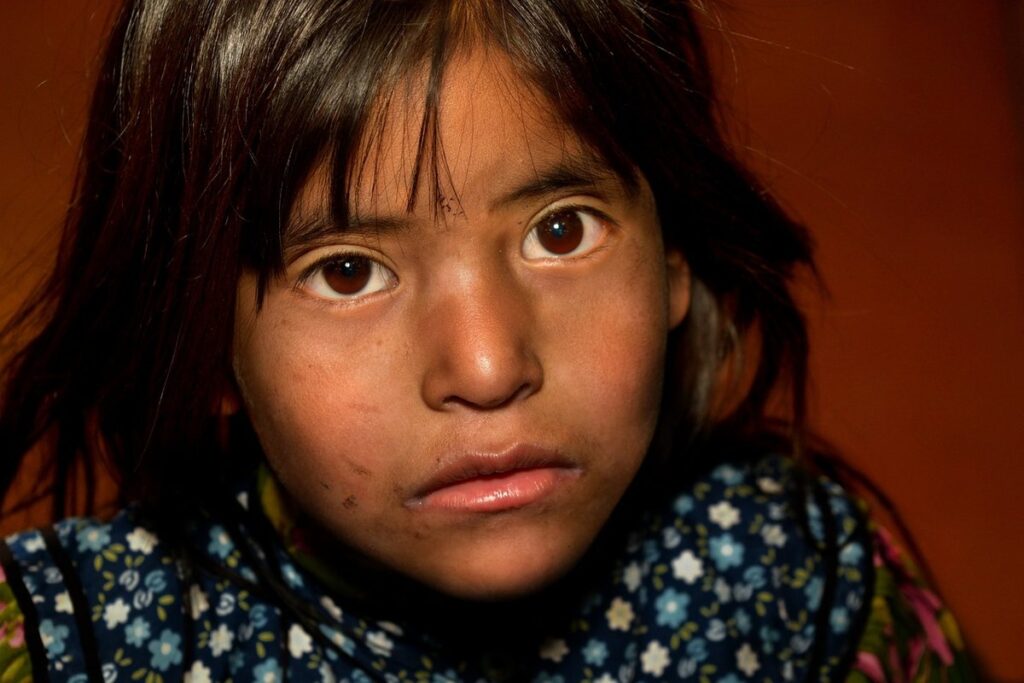
Defining the Hispanic Community
The Hispanic community is often misunderstood, so it’s essential to understand who makes up this diverse group and what they share in common. This section will explore the complexities of defining the Hispanic identity.
Understanding Demographics
The Hispanic community is a diverse and complex demographic, encompassing people from various countries of origin, cultures, and languages. According to the Pew Research Center, there are over 62 million Hispanics living in the United States alone, with this number expected to continue growing due to high birth rates and immigration.
In terms of age distribution, Hispanic Americans tend to skew younger than the general population. A significant proportion (46%) of Hispanics are under the age of 18, while only 8% are aged 65 or older. This demographic shift has significant implications for education, healthcare, and social services.
Geographically, Hispanics can be found throughout the United States, but they tend to concentrate in certain regions. The Southwest, particularly California, Texas, and Arizona, have large Hispanic populations, as do cities like New York and Miami. Understanding these demographic characteristics is essential for effectively engaging with and serving the Hispanic community. For instance, tailoring marketing campaigns or healthcare services to meet the unique needs of younger Hispanic individuals can be a crucial step in building trust and promoting social mobility within this population.
Cultural Significance
Within the Hispanic community, cultural significance is deeply tied to identity, family, and social relationships. Family is often considered the central unit of society, with strong bonds between generations. This emphasis on extended family ties can be seen in the way many Hispanics live together or near one another, maintaining close relationships across ages. Traditional celebrations like Noche Buena (Christmas Eve) or Día de los Muertos (Day of the Dead) are also essential to community cohesion.
In these gatherings, food, music, and storytelling play significant roles in passing down cultural heritage and strengthening family bonds. Language is a key component, as Spanish and indigenous languages are used to share stories, myths, and historical events that have shaped Hispanic identity. The importance of social relationships within the community cannot be overstated; maintaining close ties with neighbors and extended family members fosters a sense of belonging and security.
This emphasis on family and social connections can be seen in the way many Hispanics prioritize spending time with loved ones over individual pursuits. By prioritizing these relationships, community members reinforce cultural values that emphasize loyalty, respect, and interdependence.
History and Migration Patterns
The Hispanic community has a rich history that spans thousands of years, shaped by migration patterns that have brought people from various countries to the United States. This section will explore these complex journeys in detail.
Pre-Columbian Era
Before European colonization, indigenous cultures in Latin America thrived and developed complex societies. The Maya civilization, which flourished from 2000 BCE to 1500 CE, is one notable example. In present-day Mexico, Guatemala, Belize, Honduras, and El Salvador, the Maya built sophisticated cities with advanced irrigation systems and astronomical knowledge. Similarly, the Aztecs in central Mexico established a vast empire that controlled trade routes, agriculture, and human sacrifice rituals.
The Inca Empire, which spanned modern-day Peru, Chile, Argentina, and Ecuador from 1438 to 1533 CE, was another significant pre-Columbian civilization. Their impressive road network, known as the Qhapaq Ñan, connected over 25,000 miles of terrain. The Incas developed a system of record-keeping using knotted strings, known as quipus, which allowed them to track taxes, military conquests, and population growth.
These civilizations left behind rich cultural legacies, including art, architecture, and spiritual practices that continue to influence contemporary Hispanic communities. Understanding the pre-Columbian era is essential for appreciating the diversity and depth of Latin American cultures, as well as the impact of European colonization on indigenous populations.
Colonization and Immigration Waves
The impact of colonialism, slavery, and various immigration waves has had a profound effect on the formation of modern-day Hispanic communities. European colonization brought with it the forced assimilation of indigenous populations, as well as the introduction of African slaves who were forcibly incorporated into these emerging societies. This complex history is reflected in the diverse cultural heritage of contemporary Hispanic communities.
For example, in many Latin American countries, the indigenous legacy can be seen in traditional clothing, music, and dance. Meanwhile, African influences are evident in the rich musical traditions of Cuba, Puerto Rico, and other islands. The transatlantic slave trade had a devastating impact on these societies, leaving lasting legacies of inequality and social injustice.
The subsequent waves of immigration from Spain, Portugal, Italy, and other European countries further complicated this cultural mosaic. Many Spanish colonizers established settlements in the Americas, often bringing with them their own languages, customs, and traditions. Today, Hispanic communities continue to grapple with these complex historical legacies, working to preserve their cultural heritage while also addressing ongoing issues of inequality and social justice.
Cultural Practices and Traditions
The Hispanic community is rich in cultural practices and traditions that have been passed down through generations, shaped by their heritage and history. Let’s take a closer look at some of these customs that make their culture so vibrant.
Language and Literature
Spanish language and literature play a vital role in unifying the Hispanic community. As the primary means of communication for most Hispanics, Spanish serves as a shared cultural heritage that transcends national borders. The language is not only a tool for everyday conversation but also a rich repository of history, poetry, and storytelling.
From the works of iconic authors like Gabriel García Márquez and Pablo Neruda to contemporary writers like Junot Díaz and Sandra Cisneros, Hispanic literature reflects the community’s diverse experiences and struggles. The use of magical realism in Latin American fiction, for example, offers a unique perspective on the intersection of culture and history.
For language learners, understanding Spanish is not only about mastering grammar rules but also about appreciating the nuances of cultural expression. By engaging with Hispanic literature, readers can gain insight into the community’s values, traditions, and social issues. Reading works in their original language or translated versions can provide a deeper connection to the culture and foster empathy among non-Hispanic readers.
Music, Dance, and Art
Music is a fundamental aspect of Hispanic culture, serving as an essential means of expression and connection to heritage. From flamenco’s fiery passion to salsa’s infectious rhythms, music embodies the community’s rich emotional depth and resilience. In many Hispanic households, traditional instruments such as the guitar or mariachi trumpet are passed down through generations, perpetuating a sense of continuity with ancestors.
Dance is an integral part of this musical tapestry. Salsa, rumba, and tango are just a few styles that originated in Latin America and have since become staples worldwide. These dances often tell stories of love, loss, and struggle, reflecting the community’s experiences and values. For instance, the iconic Cuban dance style, Mambo, emerged as a fusion of African rhythms with Spanish melodies.
Visual arts also play a vital role in Hispanic culture. Vibrant murals, intricate pottery, and striking textiles are testaments to the community’s creative expression. These art forms often depict themes of nature, spirituality, and everyday life, offering glimpses into the community’s history and traditions. By embracing music, dance, and visual arts, Hispanics preserve their identity while sharing it with others, forging connections across cultures and borders.
Economic and Social Challenges
The Hispanic community faces numerous economic and social challenges, from poverty and unemployment to access to healthcare and education. These issues have a significant impact on individual lives and overall well-being.
Poverty and Inequality
Hispanic communities face significant economic challenges, including high poverty rates and income inequality. According to data from the U.S. Census Bureau, Hispanic households are more likely to live below the poverty line compared to non-Hispanic households. In 2020, nearly one-third of Hispanic families earned less than $25,000 per year.
Income inequality is also a pressing concern within Hispanic communities. A study by the Pew Research Center found that in 2019, the median wealth of white families was more than 12 times that of Hispanic families. This disparity can be attributed to various factors, including limited access to quality education and job opportunities, as well as historical and systemic injustices.
To address these issues, it’s essential for community leaders and policymakers to acknowledge and tackle the root causes of poverty and inequality. This can involve implementing programs that promote economic mobility, such as job training initiatives and small business loans, as well as advocating for policies that address wage disparities and improve access to education and healthcare. By working together, Hispanic communities can begin to close the gap between rich and poor, and build a more equitable future for all members of their community.
Access to Education and Healthcare
Quality education and healthcare are fundamental rights, yet many Hispanic individuals face significant barriers in accessing these essential services. One major challenge is language access: limited English proficiency can hinder communication between patients and medical professionals, leading to misunderstandings and suboptimal care. Similarly, non-native English speakers may struggle to navigate educational systems, making it difficult for them to succeed academically.
Schools with bilingual programs or dedicated resources for Spanish-speaking students can help mitigate these issues. In healthcare, culturally competent providers who speak the patient’s language or have interpreters on hand can improve outcomes and build trust. However, these solutions are not always available or accessible in every community. To address this disparity, many organizations offer free or low-cost language classes for patients, as well as online resources and mobile apps that provide translation services.
Some communities also benefit from partnerships between local healthcare providers and social service agencies. These collaborations can help identify and address health disparities, providing targeted support to vulnerable populations. By acknowledging the unique challenges faced by Hispanic individuals and working together to create inclusive systems, we can begin to bridge the gaps in access to education and healthcare.
Community Engagement and Activism
Community engagement and activism play a vital role in Hispanic culture, as they strive for social justice and equality within their communities.
This section highlights key initiatives and organizations driving positive change.
Advocacy for Human Rights
Advocacy for human rights is a crucial aspect of community engagement within the Hispanic community. Organizations such as the National Hispanic Leadership Agenda and the League of United Latin American Citizens (LULAC) work to promote social justice and advocate for policies that benefit Hispanic communities.
One notable example is the fight against immigration reform, where advocacy groups have pushed for humane treatment of migrants and more accessible pathways to citizenship. The Deferred Action for Childhood Arrivals (DACA) program, created in 2012, allowed young undocumented immigrants to remain in the US without fear of deportation, but its future remains uncertain due to ongoing litigation.
In addition to immigration reform, advocacy efforts focus on issues like racial profiling, police brutality, and access to healthcare. Groups like the Latino Justice & Equality Fund provide critical support for community-led initiatives addressing these concerns. These organizations often partner with local businesses, schools, and government agencies to create lasting change.
Building Bridges with Other Communities
Building relationships between the Hispanic community and other groups is crucial for fostering a sense of unity and promoting mutual understanding. One way to achieve this is through cultural exchange programs. For instance, organizations like the National Council of La Raza (now known as UnidosUS) have successfully implemented programs that pair Hispanic students with non-Hispanic peers for language learning and cultural immersion.
Volunteer work is another effective means of building bridges. Many community centers, museums, and arts organizations offer opportunities for volunteers to get involved in events and initiatives that celebrate Hispanic culture. By participating in these efforts, individuals from different backgrounds can come together and share their perspectives, breaking down stereotypes and misconceptions.
Language skills are also an essential factor in bridging the gap between communities. Encouraging bilingualism and multilingualism through education programs or language classes can help break down communication barriers. Furthermore, initiatives that promote cross-cultural dialogue and conflict resolution can be invaluable in creating a more harmonious community environment.
Frequently Asked Questions
How can I apply what I’ve learned to my own community outreach efforts?
Start by identifying specific areas of need within your local Hispanic community and building relationships with existing organizations or leaders. Consider collaborating on events, programs, or initiatives that promote cultural exchange and understanding between communities. Be respectful of the community’s autonomy and take a participatory approach to ensure that any projects you undertake are truly beneficial and empowering.
Can I assume that all Hispanic people share the same experiences and perspectives, or is there significant diversity within this group?
No. The term “Hispanic” encompasses a broad range of cultures, countries of origin, languages, and identities. While certain cultural practices and values may be shared, individual experiences can vary greatly depending on factors such as nationality, socioeconomic status, education level, and more. Approach community engagement with an awareness of these differences and strive to build connections based on mutual respect.
How do I address economic disparities within the Hispanic community without being perceived as paternalistic or condescending?
Focus on amplifying the voices and ideas of community members rather than imposing your own solutions. Listen actively to their concerns, experiences, and expertise, and work collaboratively to identify and address systemic barriers to economic mobility. Be transparent about your intentions and willing to adapt your approach based on feedback from community leaders.
What if I encounter resistance or skepticism within my own organization or among the general public regarding efforts to engage with Hispanic communities?
Address these concerns directly by educating staff, colleagues, or community members about the importance of cultural competency, diversity, equity, and inclusion. Share stories of successful collaborations or initiatives that demonstrate positive impact, and foster open dialogue about the value of building bridges between different communities.
Can I rely on generalizations about the Hispanic community when developing outreach strategies, or do I need to tailor my approach to specific sub-groups?
No. Generalizations can be misleading and may inadvertently overlook critical nuances within the community. Instead, conduct targeted research and gather feedback from community members themselves to develop context-specific approaches that address unique needs and preferences.