
Manhattan is one of the world’s most iconic cities, with its unique blend of history, culture, and diversity. But within this vast urban landscape, there are dozens of distinct neighborhoods, each with its own character and charm. From the charming boutiques and restaurants of Greenwich Village to the vibrant street art and music scene of Harlem, every neighborhood has its own personality. If you’re planning to visit or live in Manhattan, navigating these different areas can be overwhelming. You might wonder how to find the best places to eat, drink, and explore, and how to stay safe while exploring these bustling neighborhoods. In this article, we’ll take a closer look at the unique character of each Manhattan neighborhood, providing insider tips on how to live in and visit these iconic areas safely and successfully.
Overview of Manhattan Neighborhoods
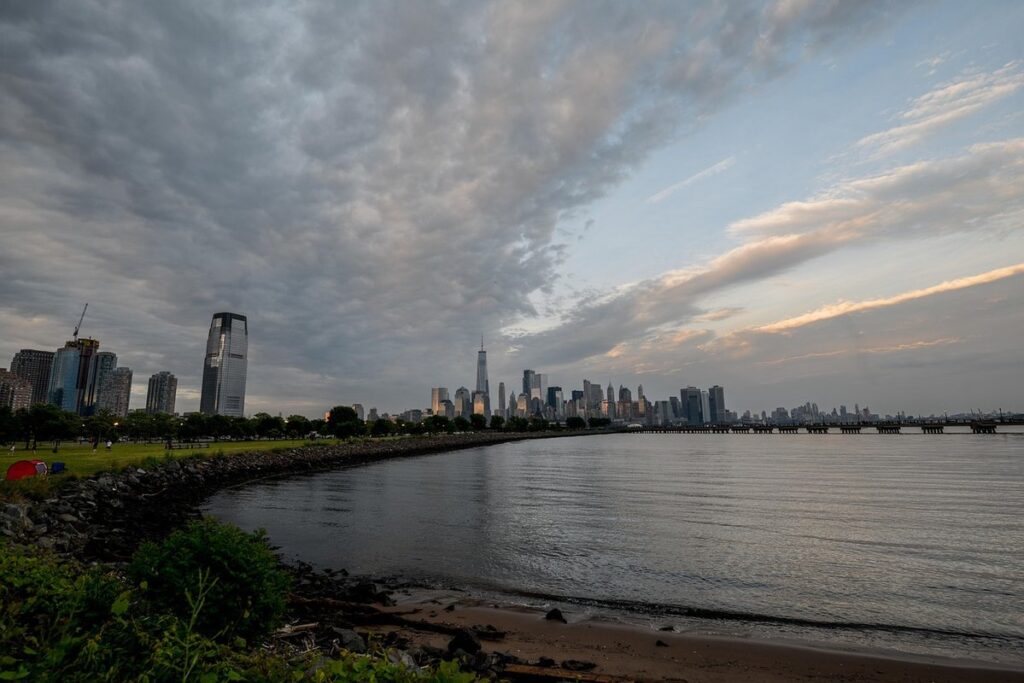
Manhattan is comprised of several distinct neighborhoods, each with its own unique character and charm. In this overview, we’ll break down some of the most notable areas to help you get started on your exploration.
History and Development of Manhattan’s Neighborhoods
Manhattan’s neighborhoods have evolved significantly over time, shaped by a combination of geographical, economic, and social factors. The island’s unique grid system was designed by Commissioner George Clinton in 1811, with avenues running north-south and streets east-west. This layout influenced the development of neighborhoods, with areas near major transportation hubs becoming commercial centers.
Many early Manhattan neighborhoods were formed around natural features such as rivers, parks, or prominent landmarks like Central Park. For instance, the Upper East Side developed around the exclusive mansions and estates built along Fifth Avenue, while Greenwich Village emerged as a hub for artists and intellectuals due to its proximity to Washington Square Park. The construction of major infrastructure projects like the Erie Canal (1817-1825) and the New York City Subway System further shaped neighborhood development by connecting areas and facilitating growth.
Significant events also played a crucial role in shaping Manhattan’s neighborhoods. For example, the Great Fire of 1835 led to the rebuilding of many districts, while the 1904 World’s Fair brought international attention and investment to Flushing Meadows Corona Park, which is now part of Queens but has had lasting effects on nearby Manhattan neighborhoods like Jackson Heights.
Key Factors Influencing Manhattan’s Neighborhoods
Manhattan’s unique neighborhoods are shaped by a combination of geographical, economic, and social factors. The island’s natural boundaries – the Hudson River to the west and the East River to the east – have historically influenced neighborhood development, with areas closest to these waterways often becoming hubs for commerce and industry.
Geography also plays a role in shaping local character. For instance, neighborhoods like Greenwich Village and SoHo are situated on relatively flat terrain, making them ideal for dense residential development. In contrast, areas like the Upper East Side and Harlem have more varied topographies, with hills and valleys that affect building design and layout.
Transportation options have also contributed to neighborhood distinctiveness. The presence of major subway lines, bus routes, and pedestrian-friendly streets has made some areas more accessible and desirable for residents and visitors alike. Economic conditions, such as gentrification and rent stabilization laws, have also impacted local demographics and housing stock. Social dynamics, including cultural events and community organizations, further enrich each neighborhood’s identity.
Popular Manhattan Neighborhoods for Tourists and Residents Alike
Whether you’re a tourist looking for a quintessential New York experience or a resident searching for your next neighborhood, Manhattan has a wealth of options to explore. From iconic areas like Greenwich Village to trendy spots like Williamsburg, every neighborhood has its own unique charm.
Greenwich Village: A Haven for Artists and Intellectuals
Greenwich Village’s history dates back to the 18th century when it was a rural area and a favorite haunt of farmers and fishermen. However, by the mid-19th century, the area began to change as artists, writers, and intellectuals started moving in, drawn by its affordability and proximity to downtown New York. The iconic Washington Square Park became a central hub for community activities and events.
The Village’s reputation as an artistic haven was solidified during the 1950s and ’60s, when it attracted a new wave of bohemians, including Allen Ginsberg, Jack Kerouac, and Bob Dylan. The era saw a proliferation of jazz clubs, coffee shops, and avant-garde theaters that fostered creativity and self-expression.
Notable landmarks like the West Village’s historic brownstones, the White Horse Tavern (where Dylan Thomas drank himself to death), and the iconic Friends apartment building still evoke the spirit of this bygone era. Today, visitors can experience remnants of this vibrant past at the annual Village Halloween Costume Ball or by strolling through Washington Square Park on a crisp autumn day.
SoHo: From Industrial to Luxury
SoHo’s transformation from an industrial area to a luxury shopping district is one of the most striking stories in Manhattan’s neighborhood evolution. In the 19th century, SoHo was a hub for manufacturing and warehousing, with cast-iron lofts converted into factories and workshops. However, by the mid-20th century, these buildings began to fall out of favor, and many were left abandoned.
It wasn’t until the 1960s that artists and designers started to move in, attracted by the area’s affordable space and unique architecture. As the neighborhood gained popularity, it became a haven for boutique shopping and upscale dining. Today, SoHo is home to some of Manhattan’s most iconic brands, including Cartier and Louis Vuitton. Visitors can stroll along Broadway and Spring Streets to browse the latest designer fashions or grab a bite at one of the many celebrity-chef restaurants.
Some must-visit attractions in SoHo include the historic Cast Iron District, which features beautifully preserved 19th-century buildings; the West Broadway shopping district, where you’ll find trendy boutiques and art galleries; and the Hudson River waterfront, offering stunning views of New Jersey Palisades. Whether you’re a fashionista, foodie, or history buff, SoHo has something to offer everyone.
Upper East Side: Affluence and Culture
The Upper East Side is renowned for its affluence and cultural significance. Visitors can experience world-class museums, including the Metropolitan Museum of Art and the Guggenheim Museum. These institutions showcase an impressive collection of art and artifacts from around the globe, with the Met’s Costume Institute being a particular highlight.
High-end shopping is another hallmark of the Upper East Side. Luxury department stores like Saks Fifth Avenue and Bergdorf Goodman offer designer goods and exceptional customer service. Visitors can also explore boutique shops along Madison Avenue, where they’ll find unique and high-quality items from local designers.
The neighborhood’s historic mansions are a testament to its past as one of New York City’s most exclusive areas. Many of these estates now house prestigious embassies, museums, or private clubs. The Upper East Side’s architecture is characterized by its elegant pre-war buildings, often with beautifully landscaped gardens and ornate details.
To experience the Upper East Side in all its affluence and culture, plan to visit during the summer months when many museums and parks host outdoor events and exhibitions. Consider attending a concert or exhibition at Central Park’s Naumburg Bandshell or the Museum of the City of New York.
Unique Manhattan Neighborhoods Worth Exploring
Beyond the iconic skyscrapers and bustling streets of Midtown, lies a vibrant tapestry of unique neighborhoods waiting to be discovered in Manhattan. From Greenwich Village’s charming streets to Harlem’s rich cultural heritage, each one offers a distinct experience for visitors and locals alike.
Chinatown and Little Italy: A Fusion of Cultures
Chinatown and Little Italy are two of New York City’s most iconic neighborhoods, blending together to create a vibrant fusion of cultures. The history of these two neighborhoods is deeply intertwined, with both areas having been settled by immigrants from Southern Europe and Asia in the mid-19th century.
Today, Chinatown is one of the largest and most influential Chinese communities outside of Asia. Visitors can experience the sights, sounds, and aromas of China on Mott Street, where shops selling traditional herbs, silks, and souvenirs line the streets. The neighborhood’s culinary scene is also a highlight, with authentic eateries serving Szechuan hot pot, Cantonese dim sum, and other regional specialties.
Just a few blocks away, Little Italy offers a taste of Southern European culture, particularly Italian-American heritage. The annual Feast of San Gennaro festival celebrates this rich tradition, featuring parades, food vendors, and live music. In terms of cuisine, visitors can sample classic dishes like pasta, pizza, and cannoli at family-owned eateries.
While both neighborhoods have undergone gentrification in recent years, they remain essential destinations for anyone exploring Manhattan’s diverse cultural landscape.
Harlem: The Heartbeat of African American Culture
Harlem’s rich history and cultural significance are deeply intertwined with its African American heritage. The neighborhood was a hub for jazz musicians during the 1920s to 1940s, earning it the nickname “Jazz Age” Harlem. Iconic venues like the Cotton Club and the Apollo Theater hosted legendary performers such as Duke Ellington and Billie Holiday. Today, visitors can still experience live music at these historic sites.
In addition to its musical legacy, Harlem is home to numerous cultural institutions dedicated to preserving African American history and culture. The Schomburg Center for Research in Black Culture is a renowned research library and museum that showcases the contributions of black artists, writers, and thinkers. The Studio Museum in Harlem features rotating exhibitions focused on contemporary art by artists of African descent.
To experience the heartbeat of Harlem’s cultural scene, attend one of its many community events, such as the annual Jazz Festival or the West Indian Day Parade. Visitors can also take a self-guided tour to explore iconic landmarks like the Abyssinian Baptist Church and the Langston Hughes House. By immersing themselves in Harlem’s vibrant culture, visitors can gain a deeper understanding of the neighborhood’s significance within African American history and identity.
Safety and Navigation in Manhattan Neighborhoods
As you explore Manhattan’s diverse neighborhoods, understanding safety concerns and navigating local streets is essential to a stress-free experience. This guide will walk you through the safest areas to visit and how to get around on foot, by bike, or public transportation.
Understanding Crime Rates and Statistics
Manhattan’s crime rates vary significantly from one neighborhood to another. According to NYPD data, some areas like Greenwich Village and SoHo tend to be safer, with low rates of violent crime. However, neighborhoods like Mott Haven in the Bronx, which is often considered part of Manhattan for geographical purposes, face higher levels of crime.
In contrast, Upper East Side has seen a significant decrease in crime over the past few years. This could be due to increased police presence and community engagement initiatives. To get a better understanding of crime rates in specific neighborhoods, you can consult NYPD’s CompStat2 database or Crime Map NYC. These tools provide interactive maps and graphs illustrating crime trends by location.
Some areas are considered safer during the day but experience higher crime rates at night. For example, Times Square is heavily patrolled and generally safe during daylight hours but may have a different atmosphere after dark. When exploring Manhattan’s neighborhoods, it’s essential to be aware of local conditions and take necessary precautions.
Tips for Navigating Manhattan’s Neighborhoods
When exploring Manhattan’s diverse neighborhoods, getting around can be a challenge. To navigate the island efficiently, consider investing in a MetroCard for easy access to the city’s comprehensive public transportation system. The subway is an affordable and reliable option, with 24/7 service on most lines.
For shorter trips or when avoiding crowded subway trains, use one of New York City’s iconic yellow cabs or ride-hailing services like Uber or Lyft. Pedestrians should be aware that many Manhattan streets are narrow and congested, making it essential to follow traffic signals and pedestrian rules.
To save time and money, download the MTA Subway app or Citymapper for turn-by-turn directions on public transportation and walking routes. These apps also provide real-time updates on service disruptions and road closures, ensuring you stay informed and on track.
Additionally, consider purchasing a bike-share membership to explore neighborhoods like Central Park or along the Hudson River Greenway. When using ride-hailing services, always check prices and estimated arrival times before selecting a vehicle type.
Insider Tips for Living in a Manhattan Neighborhood
Living in Manhattan can be intimidating, especially if you’re new to the city. This insider tips guide shares expert advice on navigating everyday life in a Manhattan neighborhood.
Renting vs. Buying: What to Expect
When considering a move to a Manhattan neighborhood, one of the most pressing decisions you’ll face is whether to rent or buy. Affordability is a major factor, as prices for both rentals and purchases can be steep. The median sales price for an apartment in Manhattan exceeds $1 million, while rental prices range from $3,000 to over $10,000 per month, depending on the neighborhood and amenities.
Renting often provides more flexibility, allowing you to easily relocate if your job or personal circumstances change. However, with rent-controlled apartments becoming increasingly scarce, long-term leases may be the only option for securing a affordable spot. On the other hand, buying offers stability and potential tax benefits, but it also comes with significant upfront costs, including closing fees and down payments.
Ultimately, the decision to rent or buy in Manhattan depends on your individual circumstances, financial situation, and lifestyle priorities. Consider factors like your job security, family needs, and long-term plans when weighing the pros and cons of each option. It’s essential to carefully evaluate your choices and seek guidance from a real estate expert if needed.
Building Relationships with Local Business Owners and Residents
To build relationships with local business owners and residents in a Manhattan neighborhood, start by attending community events and meetings. Many neighborhoods host street fairs, block parties, and festivals throughout the year, which are great opportunities to meet people and learn about local issues. Joining a neighborhood association or community group is another way to connect with locals who share similar interests.
Volunteer work is also an excellent way to integrate into the community. Consider helping out at a local charity, participating in a park clean-up initiative, or assisting at a neighborhood event. Not only will you meet like-minded individuals, but you’ll also gain a deeper understanding of the area’s needs and challenges.
Supporting small businesses is another key aspect of building relationships with locals. Visit your neighbors’ shops and restaurants regularly, and try to establish a rapport with the owners. You can also join a local business networking group or attend events organized by organizations like the Manhattan Chamber of Commerce. By fostering connections with local entrepreneurs, you’ll not only contribute to the community’s economic vitality but also gain insider knowledge on the best places to dine, shop, and explore in your neighborhood.
Frequently Asked Questions
Can I find affordable housing in Manhattan neighborhoods with high demand?
Yes, it’s possible to find affordable options if you’re willing to consider renting or shared living spaces, prioritize smaller apartments, and explore neighborhoods outside of the most popular areas. Be prepared for a longer search process and flexibility in your preferences.
What if I’m not familiar with NYC transportation systems – how can I get around without getting lost?
Start by downloading transit apps like Citymapper or Moovit to navigate routes and schedules. Consider purchasing an unlimited ride MetroCard for convenience, and familiarize yourself with major hubs like Penn Station or Grand Central Terminal. You can also ask locals for directions or use online resources to plan your route.
Are there any safety concerns I should be aware of when walking through certain neighborhoods at night?
Yes, it’s essential to exercise caution in areas with higher crime rates, such as avoiding walking alone in dimly lit or isolated streets after dark. Familiarize yourself with local hotspots and events that might affect safety, and consider using ride-sharing services or sticking to well-lit main roads.
How can I integrate into the community and make friends when moving to a new Manhattan neighborhood?
Join local clubs, groups, or volunteer opportunities that align with your interests to meet like-minded individuals. Attend community events, such as street fairs or block parties, to get a feel for the area’s culture and vibe. Don’t be afraid to strike up conversations with neighbors or shopkeepers – they can become valuable sources of information and support.

