Italian cuisine is renowned for its rich flavors and diverse regional specialties. From the pasta dishes of the north to the seafood of the coast, every region in Italy has its own unique take on traditional Italian food. But with so many options available, it can be overwhelming to decide what to try first. In this guide, we’ll explore the ultimate list of classic Italian dishes and recipes that you need to know. We’ll delve into regional specialties like pasta carbonara from Rome and pizza margherita from Naples, as well as hearty meat-based dishes from Tuscany and seafood risottos from Venice. By the end of this article, you’ll have a solid understanding of the must-try Italian food list and be equipped with the cooking tips to recreate these iconic dishes in your own kitchen.
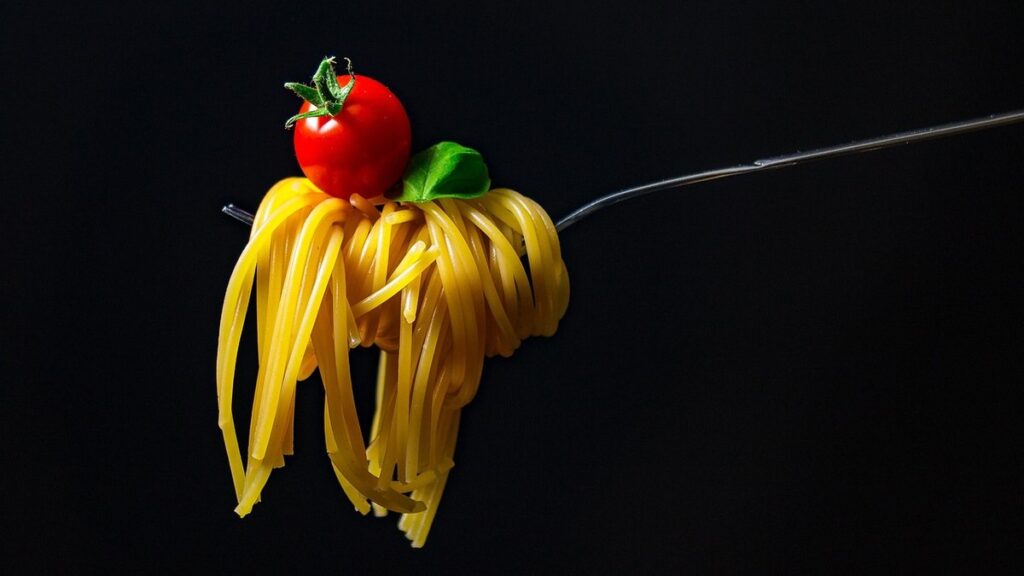
Understanding Italian Cuisine
Italian cuisine is shaped by its rich history and geography, with regional specialties reflecting local ingredients and cultural traditions that have been passed down through generations. From north to south, each region has its own distinct flavor profile.
Origins and History of Italian Food
Italian cuisine has a rich history that spans thousands of years, with roots dating back to ancient times. The Etruscan civilization, which flourished in what is now modern-day Italy between 900 and 100 BCE, laid the foundation for Italian cooking by introducing advanced agricultural techniques and trade routes that brought exotic spices and ingredients into the region.
The Romans played a significant role in shaping Italian cuisine, adopting and adapting many of the Etruscan culinary traditions. The Roman cookbook “De Re Coquinaria,” attributed to Apicius, contains recipes that demonstrate the sophistication and diversity of ancient Italian cooking. The book includes dishes such as garum (a fermented fish sauce) and moretum (a type of herb paste), which were staples in ancient Italian cuisine.
The Middle Ages saw a decline in Italy’s culinary innovation, but the Renaissance period brought about a renewed interest in classical Roman cuisine. This led to the development of regional specialties and the creation of iconic Italian dishes like pasta carbonara and risotto alla Milanese. The cultural significance of food in Italy cannot be overstated – mealtimes are sacred, and family gatherings around the table are an integral part of the country’s social fabric.
Key Ingredients and Flavors in Italian Cooking
Olive oil is the foundation of Italian cooking, used liberally to dress vegetables, pasta dishes, and pizza crust. Its distinct flavor profile varies depending on production methods and regional origins. Some popular types include Frantoio from Tuscany and Arbequina from Sardinia.
Garlic, often minced or crushed, adds depth to sauces, marinades, and roasted meats. Fresh herbs like basil, oregano, and rosemary are also staples in Italian cuisine. These ingredients are frequently combined with olive oil to create a flavorful condiment called “salsa verde.”
Red wine is another fundamental component of Italian cooking, used for braising meat, reducing sauces, and adding richness to risottos. Common varieties include Chianti, Barolo, and Montepulciano.
When selecting ingredients, consider the region’s specialties. For example, Sardinian cuisine often incorporates saffron and myrtle, while Tuscan dishes frequently feature porcini mushrooms and black olives. Familiarizing yourself with these local flavors will help you create more authentic Italian meals.
Classic Italian Dishes
Classic dishes from Italy are a staple of its rich culinary heritage, and we’re excited to share some beloved favorites that never go out of style. From pasta to pizza, these timeless recipes showcase the heart of Italian cuisine.
Pasta Varieties and Popular Recipes
Italian pasta is as diverse as it is beloved. While many types of pasta are designed for specific sauces or cooking methods, others are more versatile and can be paired with a variety of flavors. Spaghetti, for example, is long and thin, making it ideal for dishes like spaghetti carbonara, which features rich bacon and egg.
Other popular pasta varieties include fettuccine, a flat, wide noodle often served with creamy Alfredo sauce, and pappardelle, a broad, flat pasta perfect for hearty meat ragùs. Then there’s rigatoni, a tubular shape that holds onto robust sauces like arrabbiata or pesto.
Some classic recipes to try at home include spaghetti Bolognese, which combines ground beef with tomato sauce and parmesan cheese, or linguine with clams, which highlights the brininess of fresh seafood. When cooking pasta, it’s essential to use a large pot of boiling salted water and cook the noodles until al dente – that is, still slightly firm in the center.
To elevate your pasta game, experiment with different types of pasta and sauces from various regions of Italy. You might be surprised at how a simple change can transform a dish into something truly authentic.
Risotto and Polenta: Creamy Rice Dishes from Italy
Risotto and polenta are two beloved Italian rice dishes that embody the country’s passion for rich flavors and comforting textures. Risotto, originating from Northern Italy, is a creamy concoction made with Arborio rice, white wine, and stock, typically served with meat or vegetable ragù. Its smooth consistency is achieved by slowly cooking the rice, allowing it to absorb the liquid and release its natural starches.
Polenta, on the other hand, hails from Southern Italy and is often served as a side dish or light meal. It’s made with medium-grind cornmeal cooked in water or broth, resulting in a soft, porridge-like texture. While it may seem simple, polenta’s versatility lies in its ability to be flavored and paired with various ingredients – think herbs, spices, cheese, or cured meats.
To prepare authentic Italian risotto or polenta, focus on using high-quality ingredients and following traditional cooking methods. For risotto, choose Arborio rice and use a mixture of stock and wine for added depth. When making polenta, adjust the cornmeal’s grind to suit your desired consistency, and don’t be afraid to experiment with different flavor combinations.
Regional Italian Specialties
From pasta dishes like pappardelle alla bolognese to hearty risottos, regional specialties are a defining feature of Italy’s rich culinary landscape. Let’s take a journey through some of its most beloved regional flavors.
Northern Italian Cuisine: Lombardy, Piedmont, and Veneto
Northern Italy is a treasure trove of culinary delights, with each region boasting its own unique flavors and specialties. Lombardy, Piedmont, and Veneto are three of the most prominent regions in Northern Italy, and their cuisines share a rich history and cultural heritage.
Risotto alla milanese, a creamy rice dish from Milan, is a quintessential example of Lombardy’s culinary prowess. The dish typically features saffron-infused risotto, served with ossobuco (braised veal shanks). This iconic combination has become synonymous with Italian cuisine worldwide.
In Piedmont, the region’s love for truffles shines through in dishes like Tajarin pasta, which is often topped with shaved truffles. The use of high-quality ingredients and bold flavors defines Piedmontese cuisine. For example, the famous Bra d’Oltrepo Pavese – a slow-cooked beef dish from the Oltrepò Pavese area – exemplifies the region’s rich culinary traditions.
Veneto, too, boasts its own unique flavor profiles, often characterized by the use of seafood and freshwater fish. The fritto misto, a mixed fry of vegetables and seafood, is a popular appetizer in Venetian cuisine. With its emphasis on local ingredients and traditional cooking methods, Northern Italian cuisine offers a world of flavors for the adventurous foodie to explore.
Central and Southern Italian Delicacies
Tuscany is renowned for its rich game meats, particularly wild boar and pheasant, often served with a side of porcini mushrooms. Umbria’s flavors are characterized by truffles, which are used to elevate dishes like hand-rolled pasta and roasted meats. Campania, home to the iconic city of Naples, boasts an abundance of fresh seafood, from spaghetti alle vongole (with clams) to fritto misto (mixed fried fish). The coastal region’s proximity to the Amalfi Coast contributes to its unique Mediterranean flair.
Apulia, in southern Italy, is celebrated for its robust olive oils and fragrant herbs like rosemary. This region’s cuisine often features ingredients like eggplant, zucchini, and bell peppers, which are grilled or fried and served as antipasti. For a taste of authentic Apulian cuisine, try making orecchiette pasta with cime di rapa (turnip greens) and anchovies.
Some essential ingredients to have on hand when cooking Central and Southern Italian delicacies include high-quality olive oil, garlic, and fresh herbs like basil and parsley. When shopping for game meats or seafood, choose seasonal and locally sourced options whenever possible. By incorporating these regional flavors into your cooking repertoire, you’ll be well on your way to creating authentic Italian dishes that showcase the diversity of Italy’s culinary regions.
Italian Seafood and Coastal Cuisine
Italian cuisine isn’t just about pasta and pizza, as you’ll discover in this next section, where we highlight the delicious seafood and coastal flavors of Italy’s Mediterranean coast. Fresh seafood dishes like Risotto ai Frutti di Mare are a staple along these picturesque shores.
Fresh Seafood from the Mediterranean Coast
When it comes to Italian seafood, freshness is paramount. The Mediterranean Coast offers an abundance of delicious and sustainable seafood options, carefully prepared by local chefs. Fritto misto, a classic appetizer from Italy’s coastal regions, showcases the simplicity and flavor of fresh seafood. A mix of lightly battered fish, shrimp, and vegetables are fried to perfection, served hot with a side of tangy marinara sauce.
Another popular seafood dish is zuppa di pesce, a hearty fish stew originating from the Amalfi Coast. This flavorful broth is made with a variety of fish and shellfish, such as mussels, clams, and shrimp, simmered in white wine and aromatics like garlic and lemon. The key to preparing an authentic Italian seafood dish lies in using fresh ingredients and allowing their natural flavors to shine.
When shopping for Mediterranean seafood, look for seasonal options like sea bream, mullet, and red snapper. These fish are rich in flavor and have a firmer texture, making them ideal for grilling or pan-frying. By choosing locally sourced seafood and adhering to traditional Italian preparation methods, you can experience the authentic flavors of the Mediterranean Coast in your own kitchen.
Ligurian and Amalfi Coast Specialties
Liguria’s culinary identity is deeply rooted in its proximity to the Mediterranean Sea. This region boasts an impressive variety of seafood dishes, often featuring fresh anchovies, mussels, and clams. A classic Ligurian specialty is farinata, a thin chickpea flour flatbread that can be served as an appetizer or side dish. Another notable example is trofie al pesto, a twisted pasta shape tossed with the region’s signature basil-based sauce.
The Amalfi Coast, on the other hand, has a distinct flavor profile shaped by its stunning coastline and picturesque towns perched on cliffs. Fresh seafood is abundant in this area as well, but it often takes center stage alongside locally grown produce like lemons and citrus fruits. One of the most beloved Amalfi Coast dishes is zuppa di pesce, a hearty fish soup made with an assortment of fresh catches.
To incorporate these flavors into your own cooking, focus on using high-quality ingredients sourced from local markets or directly from fishermen when possible. Consider pairing seafood with fragrant herbs like basil and oregano to evoke the Mediterranean essence. By embracing the distinct characteristics of Ligurian and Amalfi Coast cuisine, you can add depth and authenticity to your Italian-inspired dishes.
Italian Desserts and Sweets
Italian desserts are a sweet treat for anyone who loves food, from creamy gelato to decadent tiramisu, each region has its own unique specialty.
From classic panna cotta to creative cannoli fillings, we’ll explore the diverse world of Italian sweets.
Classic Tiramisù, Panna Cotta, and Gelato
When it comes to classic Italian desserts, few are as beloved as tiramisù, panna cotta, and gelato. These creamy treats have captivated palates around the world with their rich textures and bold flavors.
Tiramisù, a popular coffee-infused dessert, consists of ladyfingers soaked in espresso and liqueur layered with mascarpone cheese. The result is a decadent treat that’s both refreshing and indulgent.
Panna cotta, on the other hand, is a creamy dessert made from sweetened cream that’s set with gelatin. Flavored with vanilla or fruit purees, panna cotta offers a light and airy texture that pairs perfectly with fresh fruits or sauces.
Gelato, Italy’s answer to ice cream, boasts a denser, more intense flavor profile than its American counterpart. Made from milk, cream, and sugar, gelato is typically churned at slower speeds to preserve the natural flavors of the ingredients.
To make these desserts at home, focus on using high-quality ingredients like fresh mascarpone cheese and real vanilla extract. Experiment with different flavor combinations, such as pairing tiramisù with a drizzle of chocolate or panna cotta with a mixed berry compote.
Traditional Italian Cookies and Pastries
Italian cookies and pastries are an integral part of the country’s sweet tradition. Biscotti, twice-baked almond biscuits, are a classic example of Italian baking. They’re typically dipped in coffee or wine to soften their crunchy exterior.
Cannoli, Sicilian pastry shells filled with sweetened ricotta cheese, are another beloved treat. The filling is often flavored with vanilla and chocolate chips for added depth.
Torrone, a nougat-like candy made from honey and nuts, is a traditional Italian confectionery. It’s typically served during the Christmas season as a gift or dessert.
Pizzelle, waffle cookies made from a special iron, are a classic Neapolitan treat. They’re often flavored with anise and served with powdered sugar.
These sweet delights can be found in bakeries throughout Italy, each region offering its own unique twist on traditional recipes. When making Italian pastries at home, it’s essential to use high-quality ingredients, such as fresh nuts and pure honey, to achieve the authentic flavor. Experimenting with different fillings and flavors is also a great way to put your own spin on these classic treats.
Tips for Cooking Authentic Italian Food
To cook authentic Italian food, it’s essential to understand that simplicity and freshness are key ingredients. Using high-quality, seasonal ingredients will elevate your dishes and transport you to Italy.
Essential Tools and Equipment for Italian Cooking
When cooking authentic Italian food, you’ll need a well-stocked kitchen with some essential tools and equipment. At the top of the list are good quality pots and pans, particularly a large saucepan for simmering sauces and a Dutch oven for slow-cooking meats and stews.
A carbon steel or cast iron skillet is also crucial for searing meat and cooking vegetables. These materials retain heat well and can be used at high temperatures, which is essential for achieving that perfect Italian crust on your pasta dishes.
In addition to pots and pans, you’ll need a good chef’s knife for chopping ingredients and a sharpener for keeping it in top condition. A wooden spoon or silicone spatula are also necessary for stirring sauces and folding ingredients together.
A stand mixer can be helpful for making pasta dough from scratch, but it’s not essential. What is important is having a clean and organized workspace to allow you focus on cooking rather than searching for utensils and ingredients.
Tips for Achieving That Perfect Italian Flavor
Achieving that perfect Italian flavor requires a delicate balance of ingredients and technique. One key aspect is using high-quality olive oil, which should be used liberally to prevent dishes from becoming dry and lackluster. Freshly ground black pepper is also essential for adding depth and complexity.
When it comes to seasoning, Italians rely heavily on salt and herbs rather than relying on heavy sauces or spices. A pinch of red pepper flakes can add a welcome kick to tomato-based sauces, but be cautious not to overdo it – a little goes a long way. Fresh basil is another must-have herb that adds bright, citrusy notes to dishes like pesto and caprese salads.
To cook with Italian flair, it’s essential to respect the simplicity of traditional recipes. Avoid over-accessorizing your dishes with extraneous ingredients or elaborate presentation. Instead, focus on allowing the natural flavors of each component to shine through. For example, a perfectly cooked risotto should be allowed to rest for a few minutes before serving, allowing the starches to set and the flavors to meld together. By focusing on these fundamentals, you can develop your own unique Italian culinary style that’s true to tradition yet uniquely yours.
Conclusion: Exploring Italy’s Culinary Diversity
As we conclude our comprehensive guide to Italian food, it’s clear that Italy’s culinary diversity is a treasure trove waiting to be explored. From north to south, each region boasts its own unique flavors and specialties, making the country a paradise for food enthusiasts. The Campania region is renowned for its pizza, while Tuscany takes pride in its simple yet satisfying ribollita soup. Liguria’s pesto pasta is a must-try, as is Sicily’s rich cannoli dessert.
When exploring Italy’s culinary diversity, consider the following tips: try regional specialties when traveling to each area, opt for seasonal ingredients to taste authentic flavors, and experiment with new recipes at home using local ingredients. With this guide, you now have the tools to embark on your own Italian culinary adventure, whether it’s sampling fresh gelato in Rome or cooking a classic risotto in Milan. Italy’s rich gastronomic heritage awaits – buon appetito!
Frequently Asked Questions
What if I’m short on time and can’t make all the dishes from scratch? Can I still cook authentic Italian food?
You don’t need to spend hours in the kitchen to enjoy real Italian cuisine. Focus on making a few key ingredients, such as pasta dough or pizza sauce, ahead of time. Then, assemble your dishes quickly using these components. Even with minimal prep, you can create delicious and authentic Italian meals.
How do I avoid overusing olive oil and maintain a balanced flavor in my Italian cooking?
While olive oil is essential to Italian cuisine, it’s easy to rely too heavily on its rich flavor. Balance your dishes by incorporating other ingredients that complement the oil, such as citrus juice, vinegar, or herbs like basil or rosemary. Be mindful of portion sizes and use olive oil as a finishing touch rather than a primary ingredient.
Can I make Italian desserts without an ice cream maker or special equipment?
While some traditional Italian desserts require specialized tools, many others don’t. Focus on gelato-style desserts made with just sweetened cream, flavorings, and sometimes eggs. You can also experiment with alternative textures using ingredients like whipped cream or meringue.
What if I’m cooking for a large group or need to make ahead of time? Can I scale up Italian recipes without losing their authenticity?
Yes, you can easily scale up many Italian recipes by multiplying the ingredient quantities. To maintain authenticity, focus on preserving the flavor profiles and textures characteristic of each dish. For example, when making pasta sauce in bulk, ensure that it still retains its bright acidity and rich flavors.
Can I substitute ingredients or make Italian dishes vegetarian/vegan-friendly without losing their essence?
While some substitutions can work well in Italian cooking, others may alter the dish’s character. When modifying recipes, choose alternatives that complement the original flavor profiles rather than overpowering them. For instance, swap out traditional Parmesan cheese with nutritional yeast for a vegan-friendly option, but avoid substituting it entirely to preserve the umami taste.