
When dining in Korea, you may encounter customs that are unfamiliar or even intimidating. Proper chopstick use, for example, is not just about not sticking them upright in your rice bowl, but also about the way you hold and use them to show respect for your hosts and the food itself. Cultural traditions play a significant role in Korean dining etiquette, with an emphasis on hierarchy and age. Additionally, Koreans with special needs or dietary restrictions often face challenges when eating out. This comprehensive guide aims to equip you with essential etiquette rules to navigate these situations confidently. By the end of this article, you’ll know how to properly use chopsticks, understand cultural nuances, and make accommodations for those with special needs, allowing you to dine like a local in Korea.
Understanding the Importance of Etiquette
Etiquette is a fundamental aspect of Korean culture, and understanding its importance will help you navigate mealtime with locals. Mastering these nuances can make all the difference in your dining experiences abroad.
The Significance of Respect in Korean Culture
Respect is a fundamental value in Korean culture, deeply ingrained in everyday life and especially evident during meals. This emphasis on respect is rooted in Confucianism, which has shaped Korean society for centuries. In traditional Korean households, children are taught from a young age to show deference to their elders through respectful behavior.
In dining settings, respect manifests itself in various ways. For instance, when entering a Korean restaurant or the home of a host, it’s customary to bow slightly as a sign of respect and gratitude for the meal about to be shared. This gesture sets the tone for the rest of the meal, where attention is paid to table manners, such as waiting for the eldest or most senior person to begin eating.
Respect also involves being mindful of food preparation and presentation. In Korean culture, it’s considered impolite to start eating before everyone has been served. Furthermore, using both hands when receiving a bowl of rice from someone else is seen as a sign of respect, rather than merely following a practical rule. By understanding these nuances, visitors can demonstrate their appreciation for Korean customs and enhance the dining experience for all involved.
Overview of Common Dining Practices
In Korean dining culture, mealtimes are often considered sacred and are a crucial aspect of social bonding. A typical meal structure consists of a series of courses, with each dish carefully selected to ensure balance and harmony on the table. The most common meal structure is the “jeon” format, where a main course is served with multiple side dishes (banchan) and often accompanied by a soup or stew.
When dining in Korea, social norms dictate that the eldest person at the table takes the honor seat, usually placed at the head of the table. This tradition emphasizes respect for elders and acknowledges their role as family leaders. The meal typically begins with a greeting, where each guest bows and greets the host or elder family members.
In terms of pacing, meals in Korea are often slower-paced than those in Western cultures, allowing diners to engage in conversation and appreciate the food. It’s customary for diners to wait for everyone at the table to receive their food before starting to eat. This attention to detail and respect for others’ space helps maintain a harmonious atmosphere during mealtimes.
Table Manners and Etiquette
When dining in Korea, mastering table manners and etiquette is essential for showing respect to your host and fellow diners. We’ll cover the key customs to observe during meals in this culturally rich country.
Bowing and Greetings at the Table
When arriving at a meal in Korea, it’s customary to bow upon entering and departing from the table. A slight bow of the head is sufficient, typically around 10-20 degrees. This gesture shows respect for the host and other diners. To initiate interaction, you can greet by saying “annyeonghaseyo” (hello) or “annyeonghi kaseyo” (goodbye), depending on the time of day.
Upon entering the table, wait for your host to invite you to sit or take a seat yourself. When greeting others at the table, use both hands and slightly bow your head. A simple “annyeonghaseyo” is enough; elaborate greetings are not necessary. During meals, avoid using your phone or engaging in side conversations, as this can be seen as impolite.
When departing from the meal, thank your host with a slight bow and “gamsahamnida” (thank you). This acknowledges their efforts and hospitality. In some Korean households, it’s customary to wait for the host to leave the table before standing up. Be mindful of these subtle cues to ensure respectful behavior during meals. By showing appreciation through simple gestures, you demonstrate your respect for Korean customs and traditions.
Using Chopsticks Correctly
Holding chopsticks correctly is an essential part of Korean dining etiquette. To start, place the first chopstick between your thumb and index finger, resting it on the base of your middle finger. The second chopstick should be held between your middle finger and ring finger, with the top chopstick parallel to the bottom one.
When picking up food, bring the top chopstick towards you while keeping the bottom one still. Use a gentle, pinching motion to pick up small pieces of food, such as rice or vegetables. Avoid holding the chopsticks too tightly, as this can make it difficult to maneuver them.
When not in use, place the upper chopstick on top of the lower one, with the tips facing upwards. This is a sign that you’re finished eating and indicates respect for your host or fellow diners.
For beginners, practicing with mock food such as rice balls or small toys can help develop dexterity and muscle memory. It’s also essential to remember that using chopsticks incorrectly can be seen as impolite, so it’s better to take the time to learn proper technique than risk unintentionally offending others.
Food Selection and Preparation
When dining in Korea, selecting the right dishes and preparing them correctly is crucial for showing respect to your hosts and fellow diners. From understanding popular menu items to mastering chopstick etiquette, we’ll cover essential preparation tips.
Choosing the Right Dishes
When selecting dishes for a meal in Korea, it’s essential to consider not only personal preferences but also those of others at the table. In Korean dining culture, sharing food is a significant aspect of bonding and socializing. Therefore, choosing dishes that cater to various tastes and dietary restrictions is crucial.
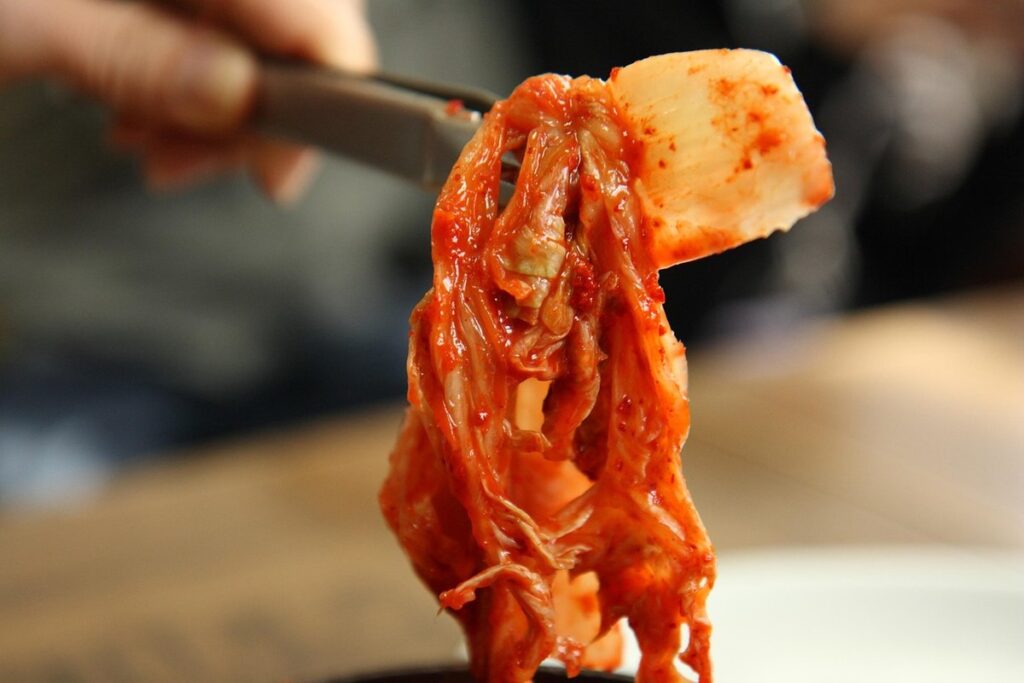
In many Korean households, it’s customary to serve a variety of small plates, known as “banchan,” which are designed for communal eating. These side dishes often include kimchi, vegetables, and other accompaniments to the main meal. When selecting banchan, consider ordering a mix of spicy and non-spicy options to cater to different tastes.
For those with specific dietary needs or preferences, such as vegetarian or gluten-free requirements, it’s best to communicate these ahead of time with your host or server. This will help ensure that suitable alternatives are available. When in doubt, opting for simpler dishes like steamed rice or noodles can be a safe choice. By being mindful of the diverse tastes and needs around the table, you’ll demonstrate respect for Korean dining traditions and show appreciation for the company of others.
Handling Raw Ingredients and Utensils
When handling raw ingredients and utensils in a Korean dining setting, cleanliness and respect are paramount. Start by washing your hands thoroughly before preparing food, as this is considered a basic courtesy to avoid cross-contamination and potential health risks.
When working with raw ingredients like meat, seafood, or vegetables, always use separate cutting boards for each type of ingredient to prevent the risk of cross-contamination. This may seem obvious, but it’s essential in maintaining cleanliness and respect for the food and other diners.
In Korea, it’s common to place raw ingredients on a designated tray or plate before they’re cooked, rather than leaving them exposed on the table. This helps keep the dining area clean and prevents the risk of contamination. When handling utensils, always wash or sanitize them after use, especially if you’ve handled raw meat or seafood.
When serving food, use chopsticks to gently place ingredients onto a shared plate, rather than holding the raw ingredients in your hands and placing them directly on the plate. This simple gesture shows respect for the food and other diners.
Dining with Others: Group Etiquette
When dining with others, there are specific rules of etiquette that come into play. Let’s explore how to navigate sharing food and drinks in a group setting in Korea.
Seating Arrangements and Table Positions
In a traditional Korean dining setting, seating arrangements and table positions are not arbitrary. They reflect respect for elders, social hierarchy, and communal harmony. The most senior person typically sits at the head of the table, usually with their back to the door. This position is reserved for the oldest or most esteemed guest.
Guests are seated in order of age and importance, with the youngest guests sitting on either side of the head of the table. When facing the table, the host’s right-hand side is considered more honorable than the left. In many Korean homes, a designated “head seat” (called “jajangchi”) is reserved for the most important guest.
It’s essential to note that these seating arrangements can vary depending on the occasion and the type of gathering. However, in general, maintaining respect for elders and honoring social hierarchy through seating positions is crucial in Korean dining etiquette. When unsure about seating, observe what others are doing or follow the lead of the host or eldest guest. By understanding these customs, you’ll be able to show respect and build stronger connections with your hosts and fellow diners.
Participating in Meals: Roles and Expectations
In a Korean dining setting, social roles are often determined by seniority. This means that older individuals typically take precedence over younger ones, and respect is shown through deference to their position. For example, when sitting at the table, older family members or guests usually sit on the right side of the host, with younger people seated to their left.
As a guest, it’s essential to understand your role in the meal and participate accordingly. This often means following the lead of the person who invited you or is hosting the gathering. For instance, if a senior member of the family starts eating, others usually wait for them to begin before taking their first bite. Additionally, if someone offers you food from the communal plate, it’s customary to accept and appreciate the gesture.
In terms of expectations, being a good guest in Korea means showing respect through your actions and behavior during meals. This includes using both hands when receiving or passing dishes, not leaving your chopsticks standing upright in your rice (as this can resemble incense sticks used in funerals), and refraining from eating directly from the communal plate without permission. By being mindful of these social norms, you can navigate Korean dining etiquette with confidence and respect.
Cultural Variations and Exceptions
While following traditional Korean dining etiquette is a great starting point, it’s essential to be aware of cultural variations that can impact your behavior at mealtimes. Regional differences in customs may require some flexibility and understanding.
Regional Differences in Dining Etiquette
Regional differences in dining etiquette are significant across various regions of Korea. For instance, in the Jeolla-do region, known for its rich agricultural produce, mealtime is often associated with a more casual and relaxed atmosphere. Here, it’s common to see diners eating directly from the communal table without utensils, which might be considered impolite elsewhere.
In contrast, the Gyeongsang-do region, situated in the southeast, adheres closely to traditional etiquette norms. Diners are expected to follow strict rules regarding table manners and using chopsticks correctly. In this area, it’s essential for visitors to respect these regional customs when dining with locals.
In Busan, Korea’s second-largest city, seafood is a staple of the local cuisine. As a result, diners in this region often prioritize freshness over presentation, which can influence mealtime etiquette. When dining at a seafood restaurant in Busan, it’s customary for diners to ask about the freshness of their meal before consuming it.
Understanding regional variations helps visitors navigate Korea’s diverse culinary landscape with greater ease and respect for local customs. By being mindful of these differences, you can build stronger relationships with your hosts and enjoy a more authentic dining experience during your stay in Korea.
Accommodating Special Needs and Dietary Restrictions
When hosting guests with special needs or dietary restrictions in Korea, it’s essential to balance their requirements with respect for traditional dining practices. A common challenge is accommodating guests who cannot use chopsticks due to physical limitations. In such cases, a pair of specialized chopsticks called “easy-grip” or “assistive” chopsticks may be available at some restaurants. These are designed with larger handles and are easier to grip.
Another consideration is dietary restrictions, particularly for vegetarians and vegans. While many Korean dishes are inherently meat-free, it’s still crucial to communicate with your server about any requirements. Some popular vegetarian options include Japchae (stir-fried glass noodles) and Kimbap (vegetable rolls). For guests who follow a halal diet, it may be more challenging to find suitable options, as pork is commonly used in Korean cooking.
To ensure a smooth dining experience for all guests, consider the following: inform your server about special needs or dietary requirements upon arrival; ask about available options and alternatives; and be prepared to adapt your own eating style if necessary. By being mindful of these considerations, you can create an inclusive atmosphere while still respecting Korean traditions.
Mastering the Art of Korean Dining Etiquette
Understanding Korean dining etiquette is essential for a respectful and enjoyable experience. This section focuses on key customs to keep in mind during meals, from table manners to interacting with your host.
Continuous Learning and Improvement
Mastering Korean dining etiquette is a lifelong process, and it’s essential to approach it with humility and an open mind. Continuously learning and adapting to new customs and practices will not only enhance your dining experiences but also demonstrate respect for the culture and its people.
When interacting with Koreans, you may notice subtle nuances in behavior that can make a significant difference in how you’re perceived. For instance, some restaurants may have specific rules regarding bowing upon arrival or departure, while others might expect guests to participate in rounds of drinking. By observing and asking politely about these customs, you’ll show your willingness to learn and adapt.
Moreover, being open to feedback from Koreans is crucial in this process. If you accidentally offend someone with a misstep in etiquette, don’t be discouraged – use it as an opportunity to learn and improve. This might involve adjusting your behavior on the spot or seeking guidance from a knowledgeable host or server. By embracing continuous learning and improvement, you’ll not only become more confident in navigating Korean dining etiquette but also develop meaningful connections with the people you’re sharing meals with.
Practicing Respectful Behavior Beyond Meals
In Korea, respectful eating is not confined to mealtimes. The principles of mindful dining can be applied to other aspects of life and interactions with Koreans, fostering deeper connections and understanding. When interacting with locals, acknowledge their cultural norms by showing respect for their traditions.
For instance, when visiting Korean homes, it’s essential to remove your shoes before entering, just as you would at a table during meals. This simple act demonstrates consideration for the host’s space and customs. Similarly, when participating in group activities or social gatherings, be mindful of hierarchical structures and respect those with higher authority.
Practicing respectful behavior beyond meals also involves being considerate of food-related situations. For example, if you’re invited to a Korean friend’s home for a meal, don’t assume you can just help yourself from the table. Instead, wait for instructions or cues from your host on how to participate in serving and sharing food.
By extending the principles of respectful eating into other areas of life, you’ll find that it not only enhances your dining experiences but also strengthens relationships with Koreans and deepens your understanding of their culture.
Frequently Asked Questions
Can I use chopsticks in other types of Korean meals, like BBQ or street food?
Yes, using chopsticks is still considered polite when eating at casual eateries or trying street food. However, you may see more people using spoons or hands for these types of meals.
What if my host doesn’t know much about Western dining etiquette? How should I adapt to their style of hosting?
When in doubt, follow the lead of your host and try to be flexible. If they’re not familiar with Western customs, it’s better to prioritize Korean etiquette rules you’ve learned rather than imposing your own.
Are there any specific phrases or words that are considered impolite when dining in Korea?
Some phrases like “I’m not hungry” (, buseo itda) can be considered rude, especially during social gatherings. Instead, say “I’ll just have a little” (, ijeulge haenda) to show appreciation for the meal without offending others.
How do I handle situations where there’s no English menu or my Korean language skills are limited?
Download a translation app on your phone or ask your host to help with ordering. Many restaurants also provide pictures of dishes, which can be helpful in making choices. Don’t be afraid to point and smile at something that looks appealing to you.
What if I accidentally commit a faux pas during a meal? How can I recover from the situation?
If you make a mistake, apologize sincerely and acknowledge your error. Try to laugh it off and focus on enjoying the rest of the meal with your hosts. It’s not about perfection; it’s about showing respect for Korean customs and people.

