
Eating with Koreans can be intimidating, especially when you’re not familiar with their customs. A simple meal in Korea is more than just sustenance; it’s an opportunity to bond and show respect for others, particularly elders. You may have heard that bowing before meals is a must, but there are many other unwritten rules that govern table behavior. Using chopsticks correctly, waiting for the elderly to start eating first, and not leaving your chopsticks standing upright in your rice bowl are just a few of these norms. To avoid embarrassing faux pas and truly integrate into Korean culture, it’s essential to understand the etiquette surrounding meals. This article will cover the basics of Korean table manners, from proper bowing technique to expert tips on using chopsticks like a pro. By the end of this guide, you’ll know exactly how to behave in a Korean dining setting.
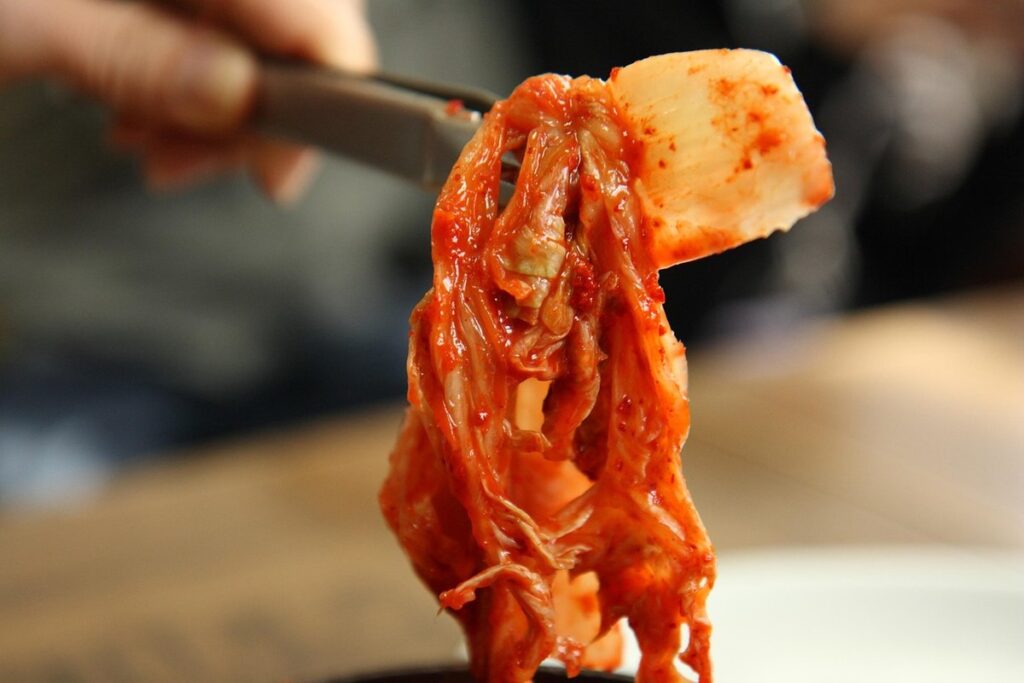
Understanding the Importance of Table Manners in Korea
Table manners play a vital role in Korean culture, where respect and politeness are deeply ingrained. In this section, we’ll explore why they’re so crucial to making a good impression at mealtimes.
The Cultural Significance of Table Manners
In Korean culture, table manners are not just a matter of personal hygiene or politeness, but rather a reflection of respect for tradition and community. The emphasis on Confucian values, which prioritize harmony and social hierarchy, is deeply ingrained in the country’s customs. This is particularly evident in mealtime etiquette, where respecting elders and maintaining proper tableware are essential.
The traditional Korean dining setup often includes multiple dishes served at once, with a focus on communal eating. This encourages sharing and social interaction among family members and guests. As a visitor or even a native, understanding the significance of these customs can help you navigate mealtimes with ease. For instance, it’s customary to wait for the eldest person to start eating before taking your own first bite.
When dining in Korea, be mindful of table hierarchy: the head seat is typically reserved for the most senior family member or guest. This subtle detail not only shows respect but also reflects the importance of social order in Korean culture. By embracing these customs and adapting to local traditions, you can foster a deeper connection with your hosts and create more meaningful experiences during meals.
Social Hierarchy and Table Etiquette
In Korea’s hierarchical society, social status greatly influences dining etiquette. When interacting with seniors, it’s essential to show respect through specific table manners. For instance, elderly guests are often seated at the most honored position, which is typically at the center of the table, closest to the kitchen door. It’s customary for younger individuals to take a seat slightly below or behind their elders.
When addressing someone older, use honorific language and titles such as “halmoni” (grandmother) or “harrabeoji” (grandfather). When serving food, pass dishes to your elder first, allowing them to serve themselves before you do. Refrain from finishing a meal completely, leaving some food on the plate to indicate gratitude for the host’s generosity.
When interacting with younger individuals, adopt a more relaxed attitude but still maintain respect. It’s customary to address someone slightly older as “ssi” or use their title. When serving yourself, take smaller portions and avoid eating directly from the communal dishes. Remember that table manners are not just about following rules; they’re also about showing respect for others’ social standing and cultural norms.
Basic Table Manners in Korean Culture
When dining with Koreans, it’s essential to understand basic table manners such as using chopsticks correctly and not leaving your rice bowl empty. Let’s cover some key etiquette rules for a respectful mealtime experience.
Bowing Before Meals
Bowing before meals is a deeply ingrained custom in Korean culture, signifying respect for the food, the cook, and the company. It’s an opportunity to express gratitude and acknowledge the effort put into preparing the meal. When bowing, stand with your feet shoulder-width apart and slightly bend your knees. This relaxed posture allows you to lower yourself smoothly.
Lower your head by about 15-20 degrees, keeping your back straight and your shoulders down. You can place your hands on your thighs or at your sides for support. The key is to maintain a gentle, smooth motion. Aim for a bow that lasts around 3-5 seconds – any longer may be seen as insincere.
Proper posture and technique are essential when bowing before meals in Korea. Avoid slouching or making sudden movements, which can give the impression of disrespect. A deep bow is typically reserved for more formal occasions, such as traditional holidays like Chuseok or Seollal. For everyday meals, a gentle inclination of the head will suffice. Practice makes perfect, so try incorporating this custom into your dining routine to show respect and appreciation for Korean culture’s rich traditions.
Using Chopsticks Correctly
Holding chopsticks correctly is a fundamental aspect of Korean table manners. To begin, hold the first chopstick between your thumb and index finger, with the top end resting on the base of your middle finger. The second chopstick should be held between your middle finger and ring finger, with the bottom end resting on the base of your thumb. This grip allows for precise control over the movement of the chopsticks.
When picking up food, use the tips of both chopsticks to pinch small amounts of rice or other bite-sized portions. Avoid holding the chopsticks too far apart, as this can make them unstable and prone to dropping food. Instead, keep a relaxed grip and let the chopsticks move in tandem with each other.
One common mistake is to place the second chopstick on top of the first one, which can lead to awkwardness and loss of control. Another error is to hold the chopsticks too tightly, causing tension in your hand and arm. To master the art of using chopsticks, practice holding them correctly and picking up small amounts of food with ease.
To avoid dropping food or making a mess, try to pick up rice grains or small pieces of meat one at a time, rather than attempting to grab large portions. With time and practice, you’ll become more confident in your ability to use chopsticks correctly and enjoy Korean cuisine with greater ease.
Dining Etiquette for Visitors
When dining with Korean hosts, it’s essential to know the basic etiquette rules to avoid unintentionally offending your new friends. This includes knowing how to handle utensils and interact with others at the table.
What Not to Do at a Korean Table
When dining in Korea, it’s not uncommon for tourists to make mistakes that can be perceived as rude or impolite. One of the most common errors is failing to follow basic table manners. For instance, not waiting for the host to start eating first or not trying a little of every dish can give the impression that you’re not interested in the food or the company.
Being too loud while dining is another faux pas. In Korean culture, it’s considered impolite to eat with your mouth open or make excessive noise while consuming food. This includes burping, which is generally frowned upon at the dinner table. Additionally, don’t assume that you can sit anywhere you like – in Korea, it’s customary for guests to wait for an invitation from the host before taking a seat.
In terms of specific behaviors to avoid, refrain from leaving your chopsticks standing upright in your rice bowl, as this is reminiscent of a funeral ritual. Also, be mindful of not finishing all the food on your plate, especially if you’re dining with elders or at a special occasion. This implies that the host didn’t provide enough food, which can be seen as an insult.
By being aware of these common mistakes and making a conscious effort to avoid them, you can show respect for Korean culture and its customs, even when navigating unfamiliar dining situations.
Respecting Elders’ Seats
When sitting down at a Korean table, it’s essential to show respect for elders by giving preference to their seats. In many Korean households, the oldest member of the family is seated in the most honored position, usually at the head of the table or on one side of it. This custom emphasizes the importance of filial piety and social hierarchy.
If you’re offered a seat next to an elder, politely decline by saying “joheunhamnida” (literally “I’m not worthy”) or “cham hamnida” (“it’s not right”). You can then suggest sitting elsewhere on the table. For example, if you’re at a traditional Korean table with multiple low seats, you might say “an-yo, I’ll sit here instead.” By doing so, you demonstrate your respect for their age and position.
In some cases, an elder may insist that you take their seat. If this happens, it’s considered impolite to refuse outright. Instead, you can thank them and offer a compromise, such as “thank you, but I think the younger ones should sit here.” By being considerate of others’ feelings and showing willingness to adapt, you’ll earn even greater respect from your hosts.
Advanced Table Manners in Korea
When dining at a Korean table, it’s essential to understand the intricacies of etiquette and respect for others. In this advanced guide, we’ll cover nuanced rules for sharing food, using chopsticks, and more.
Using Tableware Correctly
When using traditional Korean tableware, it’s essential to understand the cultural significance behind its proper use. Lacquerware, ceramics, and metal utensils are not only beautiful but also symbolize respect for one’s elders and ancestors.
To start, always inspect the tableware before use. Check for any damage or imperfections on the surface, as this can be considered a sign of disrespect. If using lacquerware, gently wipe it with a soft cloth to prevent scratches. Ceramics should be washed by hand in warm water, while metal utensils can be placed in a gentle cycle dishwasher.
When serving, always use the correct utensil for each type of food. For example, use chopsticks to pick up rice and small dishes, but switch to a spoon or chopstick for larger portions. It’s also customary to place your chopsticks on a designated rest when not using them to avoid accidental knocking over of other items.
Remember that some tableware is reserved for special occasions only. Familiarize yourself with what’s acceptable in different social settings to avoid unintentionally offending hosts or guests. By being mindful of these customs, you’ll be able to use traditional Korean tableware correctly and show respect for the culture.
Distinguishing Between Formal and Informal Dining
In Korea, formal and informal dining settings are distinguished by more than just the cuisine served. When eating at a traditional Korean restaurant, such as a jijimjilbang (high-end establishment) or a high-rise building’s rooftop garden, dress code is usually business casual to formal. In contrast, street food markets like Myeong-dong Night Market or casual eateries in Hongdae often permit more relaxed attire.
Seating arrangements also vary between the two settings. At formal gatherings, guests typically take their seats according to age and status: elders sit closest to the head of the table, with younger individuals seated to their right. In informal dining settings, seating is usually first-come, first-served.
Conversation topics also change depending on the occasion. Formal meals often focus on polite small talk, such as complimenting the host’s cooking or discussing current events. Informal gatherings, however, tend to center around casual discussions about daily life and pop culture. When dining at a Korean friend’s home, it’s essential to follow their lead in terms of conversation style: if they initiate more serious topics, you should adapt accordingly.
Special Occasions and Traditional Table Manners
When it comes to special occasions, knowing how to navigate traditional Korean table manners is crucial for showing respect and appreciation to your hosts. We’ll cover some essential etiquette tips for these situations.
Celebrating Chuseok with Respect
When participating in Chuseok celebrations, it’s essential to respect traditional table manners. This harvest festival is deeply rooted in Korean culture and involves ancestral rituals. Before meals, you’re expected to pay respects to your ancestors by bowing your head slightly and placing a few grains of rice on the table. This gesture acknowledges their presence and contributions to the family.
When dining with elders during Chuseok, it’s crucial to give them precedence over younger generations. Traditionally, the eldest family member sits in the most honored position, usually facing the door. If you’re unsure about seating arrangements, observe how your host or hostess sets up the table. You can also ask politely for guidance.
Respect for elders is a fundamental aspect of Chuseok celebrations. When addressing older relatives during meals, use honorific language and titles such as “halmoni” (grandmother) or “halabeoji” (grandfather). Additionally, refrain from speaking with your mouth full, as this can be seen as impolite. By showing respect for tradition and elders, you’ll enhance your Chuseok experience and build stronger relationships with your Korean hosts.
Seollal Etiquette for Dining Tables
During Seollal, Korea’s Lunar New Year celebration, traditional table manners take center stage. When dining with family and friends during this festive period, it’s essential to observe specific etiquette guidelines. One key aspect is the placement of food on the table. In Korean tradition, it’s customary for seniors or hosts to lay out a variety of dishes, often including tteokguk (rice cake soup) and other traditional New Year’s foods. When served, family members and guests should not start eating immediately; instead, they should wait for the eldest person at the table to begin.
This marks the official start of the meal, signifying respect for elders and tradition. Additionally, when serving or receiving food from someone else, it’s customary to use both hands, with the right hand facing upwards. This polite gesture conveys appreciation and gratitude for the offering. By following these simple yet significant customs, you can enhance your Seollal dining experience and show respect for Korean culture during this special time of year.
Conclusion: Embracing Korean Table Manners
Now that you’ve learned the basics of Korean table manners, it’s time to put them into practice and make a positive impression on your Korean friends and hosts.
Integration into Daily Life
When you return home from a trip to Korea, incorporating Korean table manners into your daily life can be a meaningful way to appreciate and honor the culture. One key aspect is adapting to cultural differences. For instance, in Korea, it’s customary for children to serve their parents before themselves, even when dining at a restaurant. This act of service demonstrates respect and filial piety.
Incorporating this custom into your daily life may involve adjusting your own eating habits or traditions. You might start by making an effort to prioritize serving others before yourself during family meals. Even small gestures, like clearing the table after dinner or refilling drinks for those around you, can go a long way in demonstrating respect.
Respecting local customs is also essential when incorporating Korean table manners into your daily life. For example, in Korea, it’s customary to wait until the host invites you to sit before taking a seat at a meal. This may require patience and self-control, but it’s an important aspect of showing respect for the host and their traditions.
Practicing these customs consistently can help make them feel more natural over time. Start by incorporating one or two new habits into your daily life and gradually build up to more. You might also consider exploring Korean cuisine at home, which can provide opportunities to practice table manners in a familiar setting. By making an effort to adapt to cultural differences and respect local customs, you can deepen your understanding and appreciation of Korean table manners.
Frequently Asked Questions
Can I use table manners from other cultures in Korea?
Yes, while it’s appreciated when visitors make an effort to adapt their customs, Korean table manners have unique traditions and rules. It’s best to follow local guidelines to show respect for the culture.
What if I accidentally offend someone with my table manners in Korea?
If you unintentionally commit a faux pas, apologize sincerely and try to understand the cultural context. This shows that you’re willing to learn and adapt. In most cases, the other party will appreciate your effort to make amends.
How do I know when it’s okay to use metal utensils at a traditional Korean meal?
In general, it’s best to stick with wooden or bamboo utensils for traditional meals, as they are more culturally acceptable. However, if you’re dining in a modern restaurant or receiving guests in your home, metal utensils might be fine.
Can I sit down to eat before the eldest person does?
No, when eating with seniors, it’s customary to wait for them to start eating first. This shows respect for their age and position in the social hierarchy. You can start eating once they begin or after being given permission by a senior.
What if I’m unsure about using chopsticks correctly – will people laugh at me?
While some Koreans might discreetly chuckle, most will be understanding and even willing to help you learn proper chopstick etiquette. Don’t worry too much; the effort to try is appreciated, and you’ll likely pick up the skills quickly with practice.
Are there any specific table manners for celebrating Chuseok at someone’s home?
When invited to a Chuseok meal in someone’s home, be sure to participate in ancestral rituals respectfully. This might involve making offerings or engaging in traditional activities; pay attention to what the host is doing and follow their lead.

