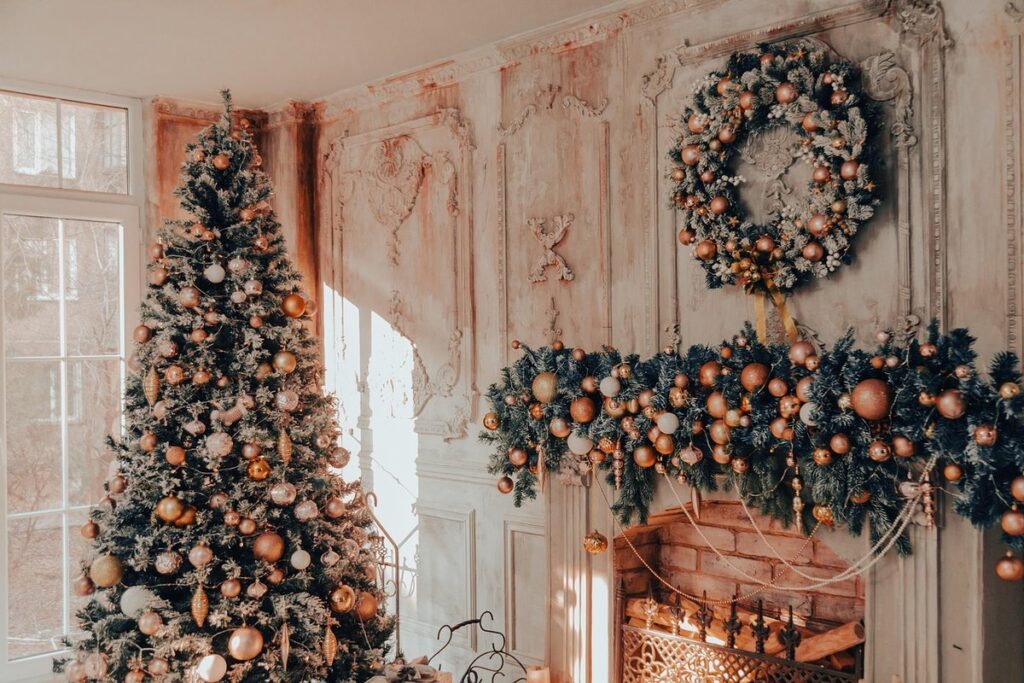
As you decorate your home for Christmas, do you ever find yourself wondering about the unique traditions that people celebrate around the world? From Eastern Europe to South America, each region has its own special way of making the holiday season merry and bright. But have you ever stopped to think about how these customs might enrich your own celebrations, or what impact they could have on the environment? This year, why not try something new and make your Christmas more sustainable and culturally rich? We’ll take a journey around the globe to explore some of the most fascinating Christmas traditions, from Ukraine’s kolach-making to Peru’s Noche de Rabanos. By the end of this article, you’ll have a wealth of ideas for making your holiday season more authentic and eco-friendly.

Understanding the Significance of Christmas Traditions
Christmas traditions are more than just festive fun, they often hold deep cultural and historical significance that’s worth exploring. Let’s take a closer look at what makes these customs so meaningful to people around the globe.
The History and Evolution of Christmas Celebrations
Christmas traditions have evolved significantly over time, shaped by cultural and historical contexts. The modern celebration of Christmas is a blend of ancient pagan rituals, early Christian practices, and later secular influences. In pre-Christian Europe, midwinter festivals marked the longest night of the year with feasting and merriment. As Christianity spread, these festivals merged with Christian celebrations, resulting in the unique traditions we see today.
The early Christian Church emphasized the importance of Christmas Eve as a time for prayer and reflection. The tradition of attending midnight Mass became widespread, particularly in European countries. In many cultures, December 24th is still considered a sacred day, where families come together to share a meal and exchange gifts before dawn. Over time, Christmas traditions have been influenced by local customs, such as the Germanic Yule log or the Italian La Befana, a kindly witch who brings gifts on January 6th.
As global trade and migration increased, Christmas traditions spread across the world, adapting to local cultures and environments. Today’s celebrations are a vibrant tapestry of diverse influences, reflecting the shared human desire for connection, community, and joy during the winter months. By understanding the history behind these customs, we can appreciate their significance and continue to evolve our own unique holiday traditions.
Symbolism Behind Christmas Traditions
Decorating trees is often seen as a symbol of life and fertility, while also representing the connection between heaven and earth. In ancient cultures, evergreen trees were believed to remain green throughout winter, signifying eternal life. This tradition was later adopted by Christianity, with the tree becoming a representation of Christ’s life and message.
The exchange of gifts during Christmas is rooted in the Magi’s visit to Jesus, bearing gifts of gold, frankincense, and myrrh. Today, gift-giving has evolved into a way to show love and appreciation for family and friends. The symbolic meaning behind this tradition lies in the idea that we are giving a piece of ourselves, just as the Magi presented their gifts to Jesus.
Singing carols during Christmas is also imbued with symbolic meaning. Many traditional carols, such as “Silent Night,” have origins dating back to pre-Christian times and were often used as a way to convey spiritual messages. Today, singing carols serves as a way to connect with others through music, fostering a sense of community and shared experience.
Traditional Christmas Activities in Western Countries
In many Western countries, traditional Christmas activities bring families and friends together to create lasting memories. These time-honored customs include decorating trees, singing carols, and baking festive treats.
Decorating Homes and Gardens
Christmas decorations set the tone for a festive atmosphere, and Western countries have a rich tradition of adorning homes and gardens with seasonal splendor. One of the most iconic symbols is the Christmas tree, often decked out with twinkling lights, garlands, and ornaments. Wreaths made from evergreen branches, holly, or mistletoe are another popular decoration, hung on doors or used as centerpieces.
Nativity scenes, featuring life-sized or figurine depictions of the Holy Family, are a staple in many Western households. To create a festive atmosphere, consider placing lights along walkways, porches, or around garden features. This can be achieved with solar-powered options for a more eco-friendly approach. Additionally, use scented candles, pinecones, and evergreen branches to evoke the scent of Christmas.
When setting up your decorations, remember that balance is key. Avoid over-accessorizing, which can lead to visual overload. Instead, choose a few statement pieces and build around them. For example, use a beautifully crafted nativity scene as the centerpiece of your living room, and then add complementary decorations such as candles, wreaths, or festive throw pillows.
Holiday Cooking and Baking Traditions
Traditional Christmas recipes vary greatly from country to country, reflecting local ingredients, cultural influences, and holiday spirit. In Italy, for instance, Panettone is a classic sweet bread made with raisins and candied fruits, typically served during the festive season. Meanwhile, Germany’s Lebkuchen is a soft, spicy gingerbread cookie often shaped like stars or hearts.
In Mexico, Rosca de Reyes is a sweet bread wreath that commemorates the Three Wise Men’s visit to Jesus. The bread is typically made with lard and decorated with dried fruits, nuts, and spices. In contrast, Sweden’s Pepparkaker cookies are thin, crisp gingerbread treats flavored with cinnamon and cardamom.
Savory dishes also play a significant role in Christmas celebrations worldwide. For example, in Poland, carp is a traditional Christmas Eve dish, often served fried or baked with potatoes and vegetables. In the United Kingdom, roasted goose is a popular holiday main course, often accompanied by roasted root vegetables and gravy.
When cooking or baking for Christmas, consider incorporating local ingredients and flavors to create unique dishes that reflect your cultural heritage.
Unique Christmas Customs in Eastern European Countries
From Poland’s Wigilia feast to Ukraine’s traditional Christmas Eve meal, each country has its own distinct holiday traditions that set them apart. Let’s take a look at some of these unique customs in Eastern European countries.
Ukrainian Christmas Eve Supper
The traditional Ukrainian Christmas Eve supper is a revered and meaningful tradition that holds significant importance for families. This special meal, known as “Holy Supper” or “Dormition,” typically takes place on Christmas Eve and consists of 12 courses to honor Jesus’ 12 apostles. The number of courses has symbolic meaning, representing the 12 disciples who followed Jesus.
A typical Ukrainian Christmas Eve supper may include traditional dishes such as borscht (beet soup), holubtsi (stuffed cabbage rolls), kovbasa (sausages), and mushroom-filled pierogi. However, the specific dishes served can vary from family to family. Many households also incorporate 12 different types of food into their meal, each representing one of Jesus’ apostles.
In some Ukrainian families, a small portion of each dish is left untouched on the table throughout the night as an offering to the spirits. This practice is meant to honor the souls and ancestors who have passed away, while also acknowledging the significance of the 12 courses served during the meal. The Ukrainian Christmas Eve supper is a time for family, tradition, and spiritual reflection.
Polish Wigilia Feast
The Polish Wigilia feast is a beloved Christmas Eve tradition in Poland, where families gather together to share a meal and break their fast. This festive dinner typically begins after sunset on December 24th, marking the start of Christmas Day. The significance of this meal lies not only in its delicious food but also in its symbolic meaning.
The Wigilia feast features a number of traditional dishes, including carp, pierogi, and makowiec (a poppy seed cake). These foods are carefully selected to represent different aspects of Polish culture and tradition. For example, the carp is a nod to the country’s rich fishing heritage, while the pierogi are a staple in many Polish households.
The Wigilia feast is also notable for its unique customs and rituals. According to tradition, the table setting remains incomplete until all family members arrive, symbolizing the unity of the family. The meal typically begins with a special blessing, after which the first bite is taken from a specific dish – often carp or pierogi. This tradition emphasizes the importance of gratitude, hospitality, and community during the holiday season.
Traditional Christmas Celebrations in South America
As we travel south of the equator, you’ll discover that Christmas traditions in South America are a vibrant blend of indigenous and European influences. From Argentina to Chile, each country has its own unique twist on holiday festivities.
Mexican Posadas
Posadas is a beloved Christmas tradition in Mexico, where families and communities come together to reenact Mary and Joseph’s search for shelter in Bethlehem. The nine-day celebration begins on December 16th and culminates on Christmas Eve.
Each evening, participants gather at a designated home, usually decorated with flowers, candles, and festive colors. They are given clues and riddles that lead them from one house to another, symbolizing Mary and Joseph’s journey. At each stop, they’re greeted with traditional foods, drinks, and music, as well as the opportunity to sing Christmas carols and share stories.
The final night of Posadas marks a special moment: the breaking open of a piñata filled with candies and fruits. This sweet treat represents the arrival of Jesus Christ, who was welcomed into a humble manger in Bethlehem. In many neighborhoods, families also exchange small gifts and well-wishes during this time, fostering a sense of community and solidarity.
To participate in Posadas, you can start by gathering a group of friends or family members and dividing them into teams to play the role of Mary and Joseph. You’ll need to create a series of clues and riddles that lead your group from one house to another. Don’t forget to decorate each stop with festive decorations and traditional foods to make it an unforgettable experience!
Brazilian Noel
Brazilian Noel, also known as Natal Branco, is a unique twist on traditional Christmas celebrations. In Brazil, the focus shifts from the Virgin Mary to the baby Jesus, and the festivities take place on December 24th. Homes are decorated with a predominantly white theme, featuring snowflakes, stars, and angels. The music playlist typically includes samba versions of classic carols and Brazilian folk songs.
On Christmas Eve, families gather for a festive dinner, often featuring dishes like leitão (roasted suckling pig), farofa (toasted manioc flour), and feijoada. Traditional desserts include brigadeiros (chocolate truffles) and bolo rei (king’s cake). The celebration is filled with laughter, music, and joy, as families come together to exchange gifts and share stories.
One distinctive aspect of Brazilian Noel is the midnight mass, known as “Missa do Galo.” This special service takes place after midnight, when the night air is filled with the sounds of church bells and festive music. The atmosphere is electric, as families and friends join hands to celebrate the birth of Jesus Christ in a truly unique and vibrant way.
Modern Twists on Classic Christmas Traditions
As we explore unique Christmas traditions from around the globe, let’s take a closer look at how some countries are reinventing classic holiday customs to make them their own. From modern ornament ideas to creative gift-giving practices.
Eco-Friendly Christmas Ideas
To make Christmas more sustainable, consider using recycled materials for decorations. Instead of buying new ornaments and lights, repurpose items like old jars, bottles, and cardboard tubes to create unique centerpieces and lanterns. You can also reuse last year’s wrapping paper and gift bags by decorating them with stamps, stickers, or paint.
When it comes to lighting, switch to energy-efficient LED candles or fairy lights. These not only reduce energy consumption but also produce minimal waste. If you’re looking for a more eco-friendly tree option, consider a living tree that can be planted outside after the holiday season or a small potted tree that can be reused year after year.
In addition to reducing waste and energy consumption, think about the impact of your Christmas choices on local communities. Opt for locally sourced decorations, gifts, and food to support local businesses and farmers. By making these small changes, you’ll not only reduce your environmental footprint but also contribute to a more sustainable and community-focused holiday season.
Some practical tips include:
• Shopping second-hand for decorations and gifts
• Avoiding single-use plastics in wrapping paper and gift bags
• Choosing locally sourced and organic ingredients for holiday cooking and baking
Cultural Fusion in Christmas Celebrations
As Christmas celebrations spread across the globe, different cultures are blending their traditions with modern customs, resulting in unique and innovative celebrations. In Japan, for instance, Christmas is a relatively new holiday, but it has quickly taken on a life of its own. Many Japanese people celebrate by exchanging gifts, decorating trees, and enjoying festive foods like Kentucky Fried Christmas (yes, you read that right – a special Christmas menu at KFC). This fusion of Western traditions with local tastes and preferences has created a distinctly Japanese take on the holiday.
In other parts of the world, cultural fusion is also taking place. In India, for example, Christmas is celebrated with elaborate decorations, fireworks, and traditional sweets like gulab jamun. However, many Indian Christians also incorporate modern elements into their celebrations, such as attending midnight Mass at a local church or exchanging gifts with friends and family.
This blending of traditions not only reflects the diversity of global cultures but also highlights the adaptability and creativity that defines human celebration. By embracing both old and new customs, people around the world are creating fresh and exciting ways to mark this special time of year.
A Look at Non-Traditional Christmas Celebrations
From quirky festivities in Japan to eccentric pageants in Iceland, we’ll explore some of the most unconventional and fascinating Christmas traditions from around the globe. Get ready for a holiday experience like no other!
Winter Solstice Celebrations
Winter solstice celebrations have a rich history and are often shrouded in mystique. These rituals, observed by various cultures around the world, aim to mark the return of longer days following the winter solstice. The timing is significant as it coincides with the point when day length begins to increase again.
In ancient times, societies would gather to acknowledge this turning point and welcome the increasing daylight. Many still do today. For example, in some Native American communities, the winter solstice marks a time for renewal and spiritual rejuvenation. They often hold ceremonies to honor this moment, incorporating elements such as singing, dancing, and offerings to ancestors.
The symbolism behind these celebrations is multifaceted. The return of daylight brings hope for an end to the harsh winter months, a time when many cultures suffered from food scarcity and isolation. By acknowledging this turning point, communities can collectively look forward to better times ahead. While some modern interpretations have incorporated Christmas traditions into their solstice celebrations, others remain steadfast in honoring the original significance.
Rituals vary greatly across different cultures but often share common elements: a focus on light, warmth, and rebirth.
Pagan Influences on Modern Christmas Traditions
Many pre-Christian traditions have left a lasting impact on modern Christmas customs. For instance, the evergreen fir tree has its roots in ancient pagan cultures. In Northern Europe, people would bring evergreen trees into their homes during the winter solstice to symbolize life and hope during the darkest time of the year. This tradition was later adopted by early Christians as a way to signify eternal life through Jesus Christ. Today, decorating Christmas trees is a beloved holiday activity in many parts of the world.
Similarly, holly has been associated with Christianity for centuries, but its origins date back to pre-Christian times. In ancient Celtic and Roman cultures, holly was seen as a symbol of eternal life and protection. The red berries on the holly plant were also believed to have healing properties. Early Christians adopted this tradition, linking the color red to the blood of Christ and using holly as a decorative element in their churches.
These examples illustrate how pre-Christian traditions have been incorporated into modern Christmas customs, often with new meanings and interpretations. By understanding these influences, you can gain a deeper appreciation for the rich cultural heritage behind your favorite holiday activities.
Frequently Asked Questions
How can I adapt traditional Christmas customs to suit my own cultural background and values?
Adapting traditional Christmas customs requires sensitivity and creativity. Consider incorporating your own heritage’s traditions, such as food, music, or decorations, into the holiday celebrations. This blending of cultures will create a unique and meaningful experience for you and your loved ones.
Can I use non-traditional Christmas tree alternatives, like cacti or succulents?
Yes, using non-traditional Christmas tree alternatives is a great way to add some eco-friendliness to your holiday decor. Cacti and succulents can be decorated with lights, ornaments, and other festive touches, making for a beautiful and sustainable centerpiece.
What if I’m hosting a multi-generational family gathering and want to include different cultural traditions?
When hosting a multi-generational family gathering, consider incorporating multiple cultural traditions into the celebration. This might involve setting up separate tables or areas dedicated to each culture’s customs, allowing everyone to participate and feel included.
How do I balance festive decorations with energy efficiency, especially for those who live in apartments with limited space?
To balance festive decorations with energy efficiency, opt for LED lights, which consume significantly less power than incandescent bulbs. Additionally, consider using battery-operated candles or fairy lights, which can add a warm glow without the need for electricity.
Can I start incorporating eco-friendly Christmas traditions before the holiday season begins, or are they only relevant during December?
You can definitely start incorporating eco-friendly Christmas traditions throughout the year, not just in December. Consider implementing sustainable practices like reducing food waste, using public transportation, or buying second-hand decorations to make your daily life more environmentally friendly.