
Living in the countryside can have a profound impact on both physical and mental well-being. Studies show that those who reside in rural areas tend to experience lower stress levels, improved mood, and reduced anxiety compared to urban dwellers. Not only is country living beneficial for one’s health, but it also offers increased property value, as many rural homes come with vast open spaces and a sense of tranquility. With the abundance of natural scenery and outdoor activities available, such as hiking, fishing, or simply taking in the views, you can find endless ways to stay active and engaged with your surroundings. In this comprehensive guide, we’ll explore the benefits of country living and provide practical advice on how to prepare for daily life in the countryside, so you can make a seamless transition from urban to rural living and reap all its rewards, allowing you to know exactly what to expect when moving to the countryside.
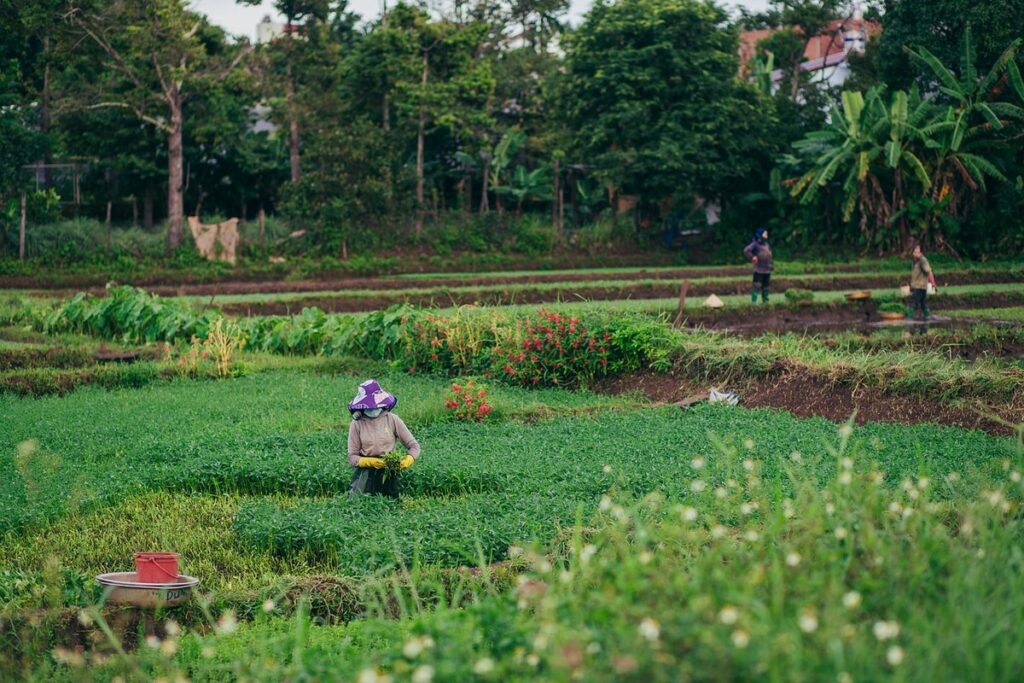
Benefits of Country Living
Living in the countryside offers a unique set of advantages that can greatly improve your quality of life, from cleaner air to closer community ties. Here are some of the key benefits you can expect.
Improved Mental Health and Well-being
Living in the countryside can be a game-changer for mental health and well-being. The slower pace of life, fresh air, and access to nature all contribute to a reduced stress level and an overall sense of calm. Without the constant din of city life, you’ll find yourself breathing easier and feeling more grounded.
The great outdoors is at your doorstep when you live in the countryside. Take a walk through the fields or forest, and listen to the birds singing their morning songs. The change of scenery and pace will be invigorating, and the exercise will do wonders for your mood. Regular outdoor activities like gardening, hiking, or simply sitting by a stream can help reduce anxiety and depression.
In addition to nature’s therapeutic benefits, living in the countryside often means fewer distractions and interruptions. Without the constant noise and commotion of urban life, you’ll have more opportunities to relax, reflect, and recharge. This peaceful environment allows you to focus on what truly matters – your relationships, work, and personal growth. By embracing country living, you can cultivate a healthier, happier lifestyle that’s tailored to your unique needs.
Increased Property Value and Sense of Community
Rural properties tend to appreciate in value over time due to their limited supply and increasing demand. As cities continue to expand and housing prices rise, many people are seeking alternative lifestyles outside of urban areas. In contrast to densely populated neighborhoods where new developments can quickly flood the market, rural areas often have strict zoning regulations that protect natural landscapes and preserve property values.
A stronger sense of community also develops among neighbors in country living situations. When residents know one another’s names and faces, they’re more likely to look out for each other’s properties and help with tasks like snow removal or harvesting crops. This neighborly support can be especially important in rural areas where emergency services may take longer to arrive.
To foster a sense of community, consider joining local clubs or organizations that focus on activities like farming, hunting, or conservation. Volunteering for community events can also help you meet new people and build relationships with your neighbors. By investing time and effort into building connections, you’ll not only enhance the value of your property but also create a warm and welcoming atmosphere in your rural home.
Greater Opportunities for Outdoor Activities
Country living offers an unparalleled wealth of opportunities for outdoor enthusiasts. The countryside is a haven for nature lovers, with its rolling hills, vast skies, and diverse wildlife. From hiking and fishing to gardening and horse riding, the possibilities are endless.
For those who enjoy hiking, the countryside provides a serene and scenic backdrop for exploration. Trails wind through forests, over heathlands, and across rivers, offering breathtaking views and a chance to spot local flora and fauna. Many rural areas also have designated nature reserves, where visitors can observe wildlife in their natural habitats.
Gardening is another popular outdoor pursuit in the countryside. With ample space and fertile soil, country dwellers can grow their own fruits and vegetables, experiment with new varieties, and enjoy a sense of self-sufficiency. For those who prefer water-based activities, fishing and boating are also accessible in many rural areas.
Ultimately, the key to making the most of these opportunities is to immerse yourself in the local environment. Learn about the unique characteristics of your area, from its geology to its climate, and use this knowledge to inform your outdoor pursuits. By doing so, you’ll not only enhance your experience but also contribute to the preservation and protection of the countryside’s natural beauty.
Preparing for Country Living
Before you make the move, it’s essential to prepare yourself and your home for life in the countryside. This involves getting familiar with rural living essentials like septic systems, well water, and electricity maintenance.
Understanding Rural Infrastructure and Services
In rural areas, you’ll find a distinct set of infrastructure and services that cater to the unique needs of countryside living. One of the first things to consider is internet access. While it’s becoming increasingly common for rural homes to have reliable broadband connections, speeds can vary significantly depending on your location. Some areas may offer fiber-optic connections, while others might rely on satellite or mobile networks.
Public transportation options are also limited in rural areas, making cars a necessity for getting around. However, many rural communities have adapted by implementing public transport services that run on demand or at set times. These services can be especially useful for elderly or mobility-impaired residents who may not be able to drive themselves.
When it comes to healthcare options, you’ll typically find smaller medical centers and clinics in rural areas, which often provide a range of basic medical services. However, more specialized care might require traveling to larger towns or cities. It’s essential to research the local healthcare options before making a move, including any nearby hospitals or specialist clinics.
Rural residents also rely on community-run services like post offices, libraries, and village halls for social interaction and access to essential amenities. These institutions often play a vital role in preserving rural communities’ unique character and sense of belonging.
Planning for Food Production and Preservation
When it comes to planning for food production and preservation in a country setting, many factors come into play. First and foremost, consider the space available on your property for gardening, livestock, or both. If you have limited land, prioritize high-yield crops like tomatoes, lettuce, and herbs that can thrive in smaller spaces.
For those with more expansive properties, think about rotational grazing practices to maintain soil health and minimize waste. You’ll also want to invest in essential equipment like a garden tiller, irrigation system, and fencing for livestock enclosures. Don’t forget the importance of crop rotation and record-keeping to optimize yields and plan for future seasons.
Beyond gardening, consider canning or preserving techniques to enjoy your harvest year-round. This involves learning about acidity levels, sterilization methods, and proper storage conditions for various foods. Start with basic recipes like jam-making and progress to more complex projects like pickling vegetables or curing meats. Regularly check local regulations regarding food preservation, as these may vary depending on your location.
For a small-scale operation, prioritize the most labor-efficient techniques that suit your lifestyle and available time.
Adapting to Rural Energy Sources
When transitioning to a rural lifestyle, it’s essential to consider alternative energy sources to power your home. Solar power is a popular choice for country dwellers due to its reliability and minimal maintenance requirements. A typical solar panel system can provide enough electricity to power a small to medium-sized house, depending on the size of the system and the household’s energy needs.
Wind turbines are another viable option, particularly for those living in areas with consistent wind patterns. While they may be more expensive upfront, wind turbines can generate a significant amount of electricity over their lifespan. When choosing between solar power and wind turbines, consider your property’s layout and natural resources. For example, if your home faces south, solar panels will receive direct sunlight for most of the day.
Key considerations when selecting alternative energy sources include the initial investment cost, system efficiency, and long-term maintenance requirements. It’s also crucial to assess your local government incentives and regulations regarding renewable energy installations. Some rural areas offer tax credits or rebates for homeowners who invest in solar panels or wind turbines.
Country Living Essentials: Navigating Daily Life
Living in the countryside can be idyllic, but it requires some adjustments to your daily routine. Here, we’ll cover the essentials you need to navigate life in a rural setting successfully.
Managing Water and Waste in Rural Areas
Managing water and waste effectively is crucial for a comfortable country living experience. In rural areas, traditional plumbing systems aren’t always feasible due to infrastructure limitations or high costs. As a result, many country dwellers rely on rainwater harvesting for their water needs.
Rainwater collection involves installing gutters and downspouts to direct roof runoff into a storage tank. This stored water can then be used for household purposes such as washing dishes, laundry, and toilet flushing. It’s essential to consider factors like roof size, gutter material, and storage capacity when setting up your system.
For waste disposal, septic systems are commonly used in rural areas. These systems involve a combination of underground tanks and drainage fields that treat and dispose of wastewater properly. Proper maintenance is key; regular inspections and pumping are necessary to prevent backups and contamination.
When designing or upgrading a septic system, consider factors like soil type, water table depth, and household size. A poorly installed or maintained system can lead to costly repairs and environmental issues.
Accessing Medical Care and Emergency Services
Accessing medical care and emergency services can be a concern for those living in rural areas. Telemedicine options have become increasingly popular as a way to bridge the gap between urban healthcare and rural communities. Many healthcare providers now offer virtual consultations, allowing patients to connect with doctors remotely through video calls or messaging apps.
When selecting a telemedicine provider, consider factors such as coverage area, specialist availability, and insurance compatibility. Some popular platforms include Teladoc and Amwell. Before seeking virtual care, ensure you have a stable internet connection and suitable device for online consultations.
In the event of an emergency, having a well-planned response is crucial. Develop a household emergency plan that includes contact information for nearby hospitals and emergency services. Familiarize yourself with local road conditions and emergency access routes to ensure timely responses from paramedics or ambulances. Consider investing in a personal locator beacon (PLB) or satellite phone if you live in an extremely remote area, where cell service is unreliable or non-existent. Keep a first aid kit on hand and take basic first aid courses to be better prepared for minor medical situations.
Building a Support Network in the Countryside
Building relationships with neighbors and local communities is crucial when living in the countryside. In rural areas, distances between homes are often greater than in urban settings, making it more challenging to establish a support network. However, this can also be an opportunity to foster stronger bonds with those around you.
Start by introducing yourself to your neighbors as soon as possible after moving into the area. Attend local events and join community groups to meet like-minded individuals who share similar interests. For example, consider joining a gardening club or volunteering for a local charity to connect with others who value community service.
You can also leverage social media platforms to stay informed about local happenings and engage with your neighbors online. Many rural communities have Facebook groups or online forums where residents discuss topics ranging from weather alerts to lost pets. Participating in these discussions can help you build relationships and establish a sense of belonging in the area. By actively reaching out and engaging with those around you, you’ll create a support network that will be essential for navigating life in the countryside.
Challenges and Considerations
Moving to the countryside can be a dream come true, but it also brings its own unique set of challenges that you’ll need to consider carefully. From isolation to maintenance costs, what are some of the key factors to keep in mind?
Overcoming Initial Hurdles: Tips for New Country Dwellers
When making the transition to country living, it’s common to experience loneliness and isolation. This can be particularly challenging for those who are used to urban environments with a high population density. To combat feelings of loneliness, consider joining local community groups or clubs that align with your interests. Many rural areas have volunteer fire departments, sports teams, or gardening clubs that welcome newcomers.
Adapting to different weather conditions is another hurdle new country dwellers often face. Extreme temperatures, snowstorms, and droughts can be overwhelming for those who aren’t prepared. Invest in a reliable generator and keep an emergency kit stocked with essentials like non-perishable food, water, and first aid supplies. Additionally, consider installing storm windows or thermal curtains to help regulate indoor temperatures.
Another challenge is adjusting to the slower pace of rural life. This can be particularly difficult for those who are used to fast-paced urban environments where amenities and services are readily available. To ease this transition, prioritize tasks and focus on one project at a time. This will help you manage your time more effectively and reduce feelings of overwhelm.
Managing Finances and Budgets in a Country Setting
When managing finances and creating budgets for a country setting, it’s essential to consider the unique expenses associated with rural living. In addition to the typical household costs, you’ll need to factor in expenses like septic maintenance, well water testing, and potentially higher property taxes due to lower tax base areas.
Create separate accounts for rural-specific expenses, such as equipment maintenance or repair, and allocate a portion of your budget accordingly. You may also want to consider setting aside funds for unexpected costs, like storm damage or equipment failures.
A common misconception is that country living is cheaper than city life. While some aspects, like lower housing costs, might be true, others, like transportation and food expenses, can add up quickly. For example, if you rely on a generator or propane for heat, your energy bills may be significantly higher. Be sure to account for these differences when creating your budget.
Consider implementing cost-saving measures, such as growing some of your own produce or preserving food through canning and freezing. This not only reduces grocery expenses but also provides a sense of self-sufficiency. By being mindful of rural-specific costs and taking proactive steps to manage them, you can maintain financial stability in the countryside.
Long-Term Planning: Succession and Estate Management
When living in the countryside, it’s essential to consider long-term planning for succession and estate management. This involves making arrangements for what happens to your property and assets after you pass away. In rural areas, properties are often tied up in complex webs of ownership and inheritance, so careful planning is crucial.
You’ll need to establish a clear plan for who will inherit your property, including any outbuildings or land. This may involve creating a will that specifies your wishes, but it’s also important to consider the use of trusts. These can help distribute assets in a tax-efficient manner and provide ongoing management and maintenance of your property.
Don’t forget to keep your property deeds up to date, including any changes to ownership or usage. You’ll also want to ensure that your succession plan aligns with local laws and regulations regarding inheritance and estate management. This may involve consulting with a solicitor or other expert who is familiar with rural property law.
Conclusion
In conclusion, country living offers a unique blend of tranquility and adventure that can be hard to find in urban areas. For those who have made the switch, it’s not uncommon to feel a sense of freedom and connection to nature that they never thought possible. One of the key takeaways from this comprehensive guide is that country living requires flexibility and adaptability. Rural life often means being self-sufficient, learning new skills, and embracing a slower pace.
To truly appreciate the charm of country living, it’s essential to be open-minded and willing to learn. This might mean taking up gardening or animal husbandry, exploring local markets and artisans, or simply spending time outdoors. By doing so, you’ll not only develop a deeper appreciation for rural life but also become more resilient and resourceful in the face of challenges. Ultimately, country living is about finding harmony with nature and creating a sense of community that feels authentic and meaningful.
Frequently Asked Questions
What if I’m new to gardening and don’t have experience with farming or livestock?
When starting a garden in the countryside, it’s essential to begin small. Consider starting with easy-to-grow plants like tomatoes or herbs and gradually expand your repertoire as you gain confidence and skills.
How do I choose between solar power and wind turbines for my rural energy needs?
The choice between solar power and wind turbines depends on several factors, including your property’s orientation, size, and climate. Consult a professional to determine which option is best suited to your specific situation.
What if I have a disability or mobility issues in the countryside? Are there any resources available for assistance?
While country living can be challenging for those with disabilities, many rural communities offer support services and accommodations. Research local organizations and government programs that provide aid for rural residents with disabilities.
Can I still access high-speed internet in remote areas, or do I need to rely on slower connections?
While internet access may be limited in some rural areas, it’s becoming increasingly common for providers to install fiber-optic cables in countryside regions. Research local internet service providers to determine the best option for your property.
How do I balance my desire for seclusion with the need for a support network in the countryside?
Building relationships with neighbors and local communities is crucial when living in the countryside, especially if you’re seeking isolation. Strike a balance by joining local clubs or groups that align with your interests and values.

