
Rural living is often romanticized as a tranquil escape from the hustle and bustle of city life, but it’s not for everyone. However, for those who are willing to trade in their high-rise views for rolling hills and starry skies, the benefits can be substantial. Not only do rural areas typically come with lower costs of living, but they also offer an abundance of space to breathe, literally and figuratively. If you’re considering making the switch or already live in a rural area, you know that it’s not all sunshine and rainbows – there are challenges to contend with like limited amenities and infrastructure. But with some careful planning and preparation, you can enjoy improved quality of life and sustainability, learning how to make the most of your rural lifestyle and reap its many rewards.
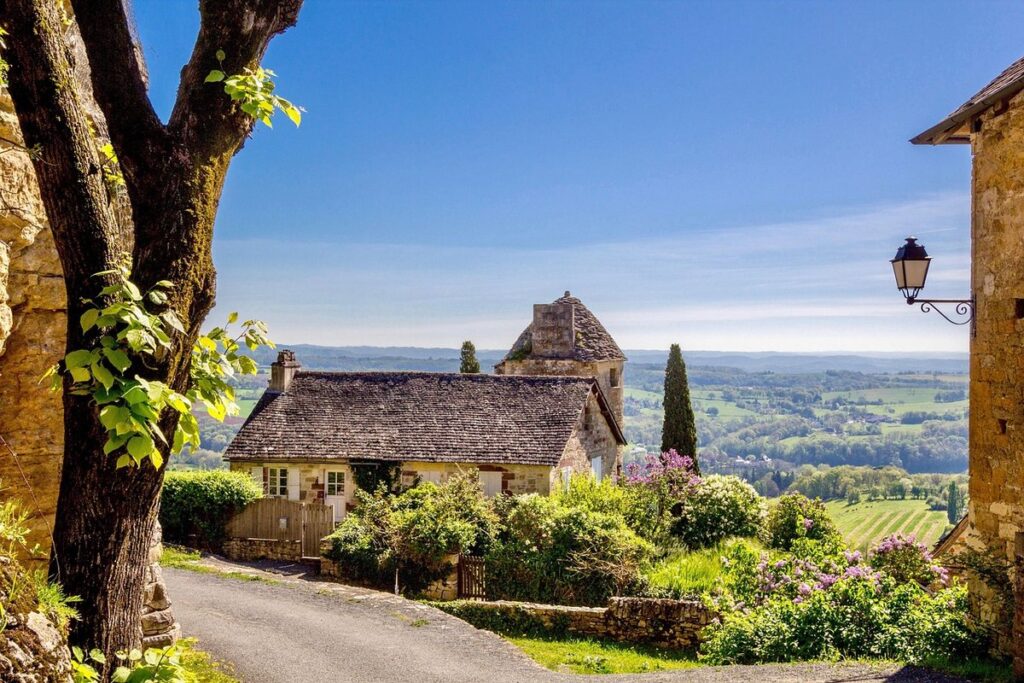
Benefits of Rural Life
Rural living offers a unique set of advantages that can greatly improve your quality of life, from cleaner air and water to stronger community bonds. These benefits are often overlooked in favor of urban conveniences.
Lower Cost of Living
Rural living can be significantly more affordable than urban life, particularly when it comes to housing. In many areas, homes are cheaper due to lower land costs and a slower pace of development. For example, in rural parts of the southern United States, you might find a three-bedroom house with two acres of land for $150,000 or less. Compare this to similar properties in cities like New York or San Francisco, where the same amount of space can cost upwards of $1 million.
Food costs are also often lower in rural areas. When you grow your own fruits and vegetables, raise chickens for eggs, and hunt or fish for meat, you can significantly reduce your grocery bills. Many rural residents also take advantage of roadside stands and farmer’s markets to buy fresh produce directly from local farmers. Transportation costs are another area where rural living tends to be more affordable. Without the congestion and higher insurance rates associated with city driving, you might save hundreds or even thousands of dollars per year on gas, maintenance, and other expenses.
To take full advantage of these cost savings, consider buying a home with land that allows for gardening, hunting, or fishing. Look into local farmers’ markets and roadside stands to find affordable fresh produce, and explore public transportation options in your area to reduce driving costs.
Increased Space and Freedom
Having more land to call your own is a significant advantage of rural living. With an increased amount of space, you can breathe easier and feel a sense of freedom that’s hard to find in urban areas. No longer confined to tiny apartments or crowded city streets, you can spread out and enjoy the benefits of having elbow room.
A larger property also means more opportunities for outdoor activities like gardening, hunting, fishing, or simply taking long walks without feeling hemmed in. You can let your children run freely and play outside safely, unencumbered by the constraints of a smaller living space. Furthermore, a rural setting often allows you to have pets that require more space to roam.
Many people also appreciate the ability to park their RVs or trailers on their property, giving them the freedom to come and go as they please. Some rural residents even set up small workshops or studios for hobbies like woodworking, painting, or crafting. Whatever your passion, having extra space can be a liberating experience that lets you pursue your interests without feeling cramped or restricted.
Improved Quality of Life
Rural living often receives praise for its potential to improve mental and physical health. This is largely due to the cleaner air and water found in rural areas, which can have a significant impact on overall well-being. Studies have shown that exposure to polluted air and water can lead to a range of health problems, including respiratory issues and even certain types of cancer.
In contrast, rural living typically offers access to fresher air and cleaner water sources, such as wells or springs. This can be especially beneficial for individuals with pre-existing health conditions, who may find relief in the reduced pollution levels. Furthermore, rural living often means a slower pace of life, with fewer traffic jams and less noise pollution. This reduction in stress can also have positive effects on mental health.
To reap these benefits, it’s essential to choose a rural area that offers access to natural amenities like parks or forests. Regular outdoor activities, such as hiking or gardening, can also help improve overall well-being. By prioritizing rural living and incorporating healthy habits into daily life, individuals can experience improved quality of life and enhanced physical and mental health.
Challenges of Rural Living
Rural living isn’t always as peaceful and picturesque as it seems, often bringing its own set of unique challenges that can test even the most enthusiastic residents. From accessing basic amenities to dealing with isolation, these issues are a harsh reality for many rural dwellers.
Limited Access to Amenities
Accessing basic amenities like grocery stores, schools, and healthcare services can be a significant challenge for rural residents. In many rural areas, these necessities are scarce or non-existent, forcing individuals to travel long distances to meet their needs. For instance, a small town with a population of 2,000 might have only one grocery store, which may not carry the freshest produce or a wide selection of products.
This limited access can be particularly problematic for families with young children or elderly residents who require regular medical check-ups and specialized care. Healthcare services in rural areas are often underfunded and understaffed, making it difficult to find qualified doctors and specialists. Furthermore, schools in these areas may struggle to provide a comprehensive education due to limited resources and experienced teachers.
To mitigate this issue, some rural communities have turned to online shopping and telemedicine options. For example, Amazon has expanded its delivery services to include rural areas, allowing residents to shop from the comfort of their own homes. Similarly, healthcare providers are increasingly using video conferencing tools to conduct remote consultations. While these solutions offer some relief, they often come with additional costs or limitations that can be daunting for those living in poverty or on a fixed income.
Social Isolation and Loneliness
Rural living can have a profound impact on one’s social connections. The lack of nearby neighbors and friends can lead to feelings of isolation and loneliness. Without easy access to cafes, restaurants, and community centers, it’s common for rural residents to spend more time alone. This can be particularly challenging for those who are used to the hustle and bustle of city life.
In rural areas, people often rely on their immediate family members or a small circle of acquaintances for social interaction. While this can provide a sense of security, it can also limit one’s ability to form new relationships and connections. For instance, if you’re new to a rural community, it may take time to establish friendships, especially if there aren’t many job opportunities or shared activities.
Some practical steps can help mitigate these feelings of isolation: join local clubs or groups that align with your interests (e.g., gardening, hiking, or volunteering), attend community events, and participate in online forums or social media groups for rural residents. By taking initiative to connect with others, you can build a stronger sense of community and belonging in your rural home.
Economic Limitations
Rural areas often struggle to provide high-paying jobs, leaving residents with limited financial options. This can be attributed to a range of factors, including lower population densities and fewer business opportunities. As a result, many rural workers earn significantly less than their urban counterparts. For instance, the median household income in rural America is roughly $40,000, compared to over $60,000 in urban areas.
Limited business opportunities further exacerbate this issue. In rural towns, it can be difficult for entrepreneurs to access markets, transportation, and skilled labor – all of which are essential for starting a successful business. This scarcity of economic activity makes it challenging for people to create their own jobs or start ventures that could provide a higher income.
To mitigate these limitations, some rural residents turn to alternative income streams such as agriculture, craftsmanship, or freelancing. However, these options often require significant upfront investment, specialized skills, and a strong support network. Others choose to commute to nearby urban centers for work, which can be time-consuming and logistically challenging.
Preparing for Rural Life
Before making the move to rural living, it’s essential to prepare yourself and your family for the unique challenges and opportunities that come with country life. Let’s start by talking about what you need to consider before making the switch.
Researching the Area
When researching a rural area, it’s essential to dig deeper than just its natural beauty. You need to understand the local economy and job market to ensure they align with your skills and interests. Start by examining the main industries driving the local economy, such as agriculture, tourism, or manufacturing. Look for data on unemployment rates, average wages, and typical work hours. Check online resources like the USDA’s Rural Information Center or local economic development websites.
Next, assess the availability of job opportunities that match your skills and experience. You can search online job boards, networking sites, or reach out to local business owners directly. Consider visiting the area to get a feel for the community and talk to residents about their experiences. Don’t rely solely on online reviews or forums; instead, ask locals about their concerns, such as access to healthcare, education, and shopping.
Finally, research the local community’s demographics, including population size, age range, and family dynamics. This information will help you gauge the social atmosphere and potential for building relationships with your neighbors. A small town may offer a tight-knit community, but it can also mean limited social opportunities. By understanding these factors, you’ll be better equipped to decide if rural living is truly right for you.
Assessing Your Skills and Resources
Assessing your skills and resources is crucial when preparing for rural life. This involves taking an honest look at what you can bring to the table, whether it’s technical expertise, manual labor, or financial support. Consider your experience with tasks like fixing equipment, gardening, or building maintenance – these will be essential in a rural setting where specialized help may not always be available.
Think about your resourcefulness and adaptability. Can you fix things yourself? Do you know basic first aid? These skills can make all the difference when living far from urban centers and medical facilities. Evaluate your financial situation as well, including any savings or income sources you have. You’ll need to budget for basics like food, fuel, and repairs, which may be more expensive in rural areas.
Another important aspect is your ability to learn new skills quickly. Rural life can be unpredictable, with weather-related challenges, equipment breakdowns, and other unexpected situations arising frequently. Be prepared to pick up new knowledge and adapt to changing circumstances. For example, you might need to learn how to fix a broken fence or start a fire without modern tools.
Building an Emergency Fund
Building an emergency fund is essential when transitioning to rural life. In a traditional setting, unexpected expenses like car repairs or medical bills can be easily covered by dipping into savings or using credit cards. However, rural areas often lack access to nearby services and amenities, making it more difficult to quickly resolve financial issues. Without a cushion of readily available funds, you may find yourself struggling to make ends meet.
In a rural setting, an emergency fund helps bridge the gap between income and expenses when unexpected events arise. Consider allocating three to six months’ worth of living expenses for this purpose. This amount might seem daunting, but it’s crucial for navigating the unique financial challenges of rural life. Break down your savings goal into manageable chunks by setting aside a fixed percentage of each paycheck or income stream.
Some common rural expenses that can be mitigated with an emergency fund include:
• Car maintenance and repairs due to rough roads
• Veterinary care for livestock
• Equipment failures on farms or homesteads
• Weather-related damages or losses
Sustaining a Rural Lifestyle
Living off the land can be a rewarding experience, but it also requires careful planning and management to ensure sustainability. We’ll explore some essential strategies for making your rural lifestyle thrive.
Finding Alternative Income Streams
Rural living often requires creative problem-solving when it comes to earning a steady income. For those who can’t rely on traditional employment, alternative income streams are essential. Farming, for instance, can provide a reliable source of income through crop sales or livestock production. However, this path requires significant investment in land, equipment, and expertise.
Crafting is another viable option. Many rural residents leverage their skills to create handmade products such as woodworking, pottery, or textiles. These items often fetch high prices at local markets or online platforms, allowing crafters to earn a decent income from the comfort of their own homes.
Freelancing also offers opportunities for rural residents with specialized skills like writing, graphic design, or web development. With the rise of remote work, many businesses are open to collaborating with freelancers located outside of urban areas. To get started, consider identifying your unique strengths and marketing them to potential clients through platforms like Upwork or Freelancer.
To supplement income, some rural residents turn to sharing economy models by renting out their spare rooms on Airbnb, leasing land for glamping sites, or offering guided tours of local natural attractions.
Managing Finances and Budgets
Rural living often comes with unpredictable costs. A harsh winter may bring snow removal expenses, while a dry summer can lead to water shortages and higher prices for irrigation systems. To manage finances effectively, you need to budget for these unexpected expenses. Start by tracking your income and expenses over several months to get a clear picture of your financial situation.
Consider creating an emergency fund that covers at least six months’ worth of living expenses. This will help you weather any financial storms that come your way. You can also explore alternative income streams, such as selling handmade goods or offering services like animal care or landscaping.
Be mindful of the following costs when budgeting for a rural lifestyle:
- Higher property taxes
- Increased utility bills (e.g., electricity, propane)
- Maintenance and repair costs for outbuildings and equipment
- Potential veterinary expenses for livestock
- Travel costs to access amenities like healthcare services
By anticipating these costs and building an emergency fund, you can better manage your finances and enjoy the benefits of rural living.
Building Community and Connections
Building community and connections is crucial for rural residents who often face social isolation due to limited access to amenities and services. Without a nearby town or city, it’s easy to feel disconnected from others. However, building relationships with neighbors, local business owners, and fellow community members can help combat loneliness.
Start by attending local events such as farmers’ markets, town hall meetings, and community potlucks. These gatherings provide opportunities to meet new people and learn about their experiences in the area. Joining a local club or organization focused on a shared interest, like gardening or outdoor recreation, is another way to connect with others.
Volunteering for community projects can also help build relationships and a sense of belonging. For example, participating in a clean-up event or helping at a local food bank demonstrates your commitment to the community and allows you to meet like-minded individuals.
Building connections takes time and effort, but it’s essential for maintaining mental health and well-being in rural areas. By actively seeking out opportunities to engage with others, you can create a strong support network that helps alleviate feelings of isolation.
Environmental Considerations
Rural living often conjures images of pristine landscapes and untouched nature, but it’s essential to consider the environmental impact of your choices. This includes the effects on local ecosystems and wildlife habitats.
Sustainable Living Practices
Rural living presents a unique opportunity for adopting sustainable practices, as residents are often more closely tied to the natural environment. Reducing waste is an essential aspect of sustainable living, and rural areas can benefit from composting food waste and recycling materials. For instance, many rural households have chickens or gardens, making it easy to turn kitchen scraps into nutrient-rich fertilizer.
Conserving water is also crucial in dry rural regions, where water scarcity can be a significant issue. Installing rainwater harvesting systems or greywater reuse systems can significantly reduce household water consumption. Additionally, using drought-resistant plants and implementing efficient irrigation methods can help minimize the strain on local water resources.
Renewable energy sources are another key component of sustainable living practices in rural areas. Solar panels and wind turbines can provide reliable power while reducing dependence on fossil fuels. Some rural residents have also turned to alternative heating sources like wood stoves or pellet heaters, which can be fueled by locally sourced materials. By adopting these sustainable practices, rural residents can significantly reduce their environmental footprint and contribute to a more resilient community.
Preserving Natural Resources
When living in a rural area, it’s essential to preserve natural resources such as forests, wildlife habitats, and soil health. This not only maintains the ecosystem but also supports local biodiversity. One way to achieve this is by adopting sustainable land use practices like permaculture or agroforestry, which mimic natural ecosystems.
To protect forests, consider planting native tree species that require minimal maintenance and provide benefits like timber, fuelwood, or shade. You can also implement forest conservation techniques like selective logging, where only mature trees are harvested to maintain the ecosystem’s integrity.
Maintaining soil health is crucial for agriculture and water filtration. Techniques like crop rotation, composting, and mulching help retain moisture and prevent erosion. Consider creating a buffer zone around your property with native plants to absorb excess rainwater and filter pollutants from runoff.
In rural areas, wildlife habitats can be easily damaged by human activities like overgrazing or deforestation. To mitigate this, you can create wildlife corridors or habitats that provide food and shelter for local species. For example, planting bird-friendly plants or installing a bee hotel can support pollinators and other beneficial insects.
Climate Change Adaptation
Rural areas are particularly vulnerable to climate change due to their unique geography and limited resources. Droughts can persist for several years, impacting agriculture, water supplies, and wildlife habitats. To build resilience, consider implementing drought-resistant crops or installing rainwater harvesting systems. These measures not only conserve water but also provide a backup source during dry spells.
Extreme weather events like hurricanes, wildfires, and floods require emergency preparedness plans. Develop a family evacuation plan, including identifying safe zones and communication protocols. Store essential supplies such as non-perishable food, first aid kits, and flashlights in easily accessible locations. Regularly inspect your home for potential vulnerabilities to extreme weather.
Some rural areas are also prone to heatwaves, which can exacerbate existing health conditions. Create a heatwave preparedness plan by stocking up on cooling measures like fans, air conditioners, or even portable evaporative coolers. This is especially crucial if you have pets or elderly residents who may be more susceptible to heat-related illnesses.
Incorporating these climate change adaptation strategies into your rural lifestyle will not only safeguard your property but also ensure the well-being of its inhabitants during unpredictable weather events.
Conclusion: Weighing the Pros and Cons
As you weigh your options, it’s essential to consider both the charm of rural living and its practical realities. Let’s examine the pros and cons together.
Final Thoughts on Rural Living
Rural living is a choice that requires careful consideration of its pros and cons. After weighing the benefits and challenges, it’s essential to acknowledge that rural life may not be for everyone. For those who are still drawn to the idea, it’s crucial to think critically about what they’re getting into. This means being aware of potential pitfalls like social isolation and limited access to amenities, but also recognizing the unique opportunities for self-sufficiency and community building.
If you’re considering a move to rural living, take the time to reflect on your motivations and goals. Are you seeking a more peaceful lifestyle or an opportunity to be more self-sufficient? Be honest with yourself about what drives your desire for rural life. Then, assess your skills and resources to determine whether you’re prepared to handle the challenges that come with it.
Ultimately, rural living is not a one-size-fits-all solution. It’s essential to have realistic expectations and a clear plan in place before making the leap. This might involve researching local regulations, exploring alternative income streams, or connecting with other rural residents for support. By being thoughtful and intentional about your decision, you can set yourself up for success in rural living.
Next Steps for Aspiring Rural Residents
If you’re serious about pursuing a rural lifestyle, it’s essential to have a clear plan in place. Start by defining what your ideal rural life looks like and what specific challenges you’re willing to face. Consider factors such as the type of property you need, access to healthcare and education, and availability of job opportunities.
For many aspiring rural residents, the first step is to research potential locations thoroughly. Look into local zoning laws, tax rates, and community dynamics. You may also want to visit potential areas in person to get a feel for the terrain and available infrastructure.
Once you’ve narrowed down your options, begin building connections with like-minded individuals who share your vision for rural living. Join online forums or social media groups focused on rural lifestyles, attend local events, and network with neighbors and community leaders.
It’s also crucial to create a realistic budget that accounts for the unique expenses associated with rural life, such as maintaining septic systems, well water, and propane-powered appliances. Develop a contingency plan for emergencies, including financial reserves and alternative sources of income. By taking these proactive steps, you’ll be better equipped to navigate the challenges and rewards of rural living.
Frequently Asked Questions
Can I move to a rural area without any prior experience with farming or self-sufficiency?
Yes, many people successfully transition to rural living without prior experience. However, it’s essential to research the specific challenges and opportunities of your chosen location and develop a plan for learning and adapting.
How do I handle medical emergencies in a rural area where access to healthcare services may be limited?
Develop an emergency fund and build relationships with local healthcare providers, including physicians, nurse practitioners, and midwives. Consider investing in a portable defibrillator or other essential medical equipment and learn basic first aid techniques.
What are some creative ways to generate alternative income streams in a rural area beyond farming or freelancing?
Consider developing skills like woodworking, crafting, or animal husbandry, which can be marketed online or through local markets. You could also explore value-added products like jams, honey, or soap-making, or offer services like pet-sitting or house-sitting.
How do I balance the desire for solitude and peace with the need to build community and connections in a rural area?
Join local clubs or organizations that align with your interests, such as gardening, hiking, or book clubs. Participate in online forums or social media groups focused on rural living, and attend community events like festivals, farmers’ markets, or town hall meetings.

