Life in the countryside is often misunderstood as being dull or uneventful, but for many people, it offers a unique blend of peace and quiet, community spirit, and a sense of connection to nature. As you may know, moving to a rural area can be both liberating and challenging – from navigating uneven roads to finding reliable internet connections. But the benefits far outweigh the difficulties, as daily life in the countryside allows you to slow down, appreciate the simple things, and develop strong relationships with your neighbors. In this article, we’ll explore the practical aspects of country living, from finding local services and amenities to building a sense of community and connection to the land. By the end of this piece, you’ll have a better understanding of what daily life in the countryside is really like and how to make it work for you.
The Allure of Rural Living
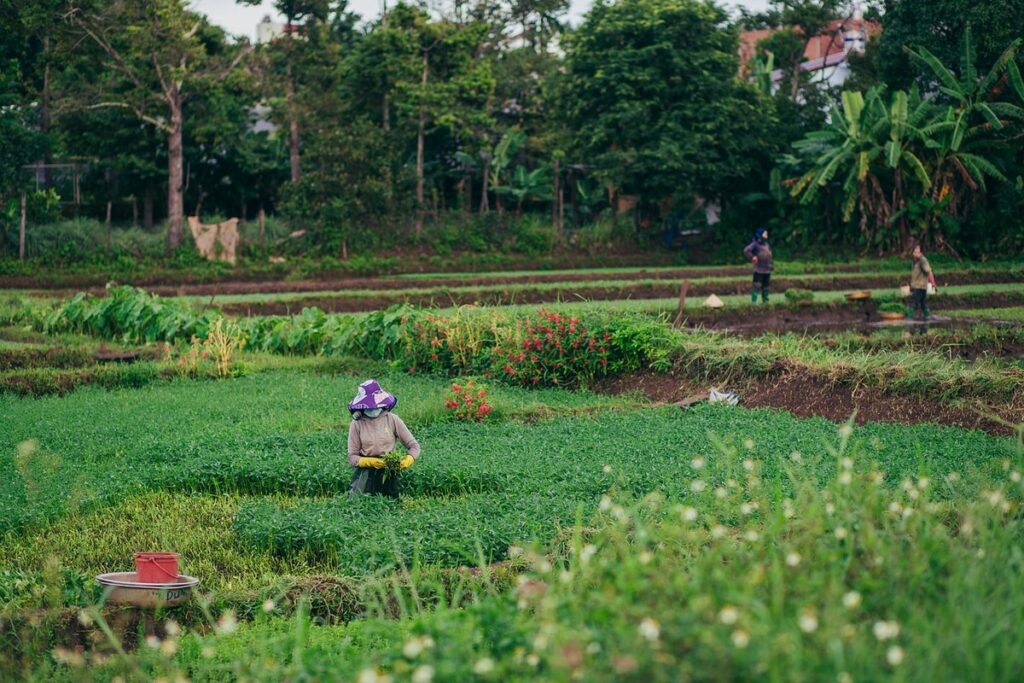
Rural living has a unique charm that draws people from all walks of life, offering a simpler pace and connection to nature. Let’s explore what makes country life so appealing to many of us.
Benefits of Country Life
Living in a rural area offers numerous benefits that can significantly improve your quality of life. One of the most noticeable advantages is the peace and quiet that comes with it. Without the constant din of city traffic, you can enjoy a sense of calmness and tranquility that’s hard to find in urban areas.
The air quality in rural areas is also generally cleaner, thanks to lower levels of pollutants and particulate matter. This is especially beneficial for people who suffer from respiratory issues or prefer to breathe fresh air. For example, if you have asthma, living in a rural area can make it easier to manage your condition.
Rural communities are often closer-knit than their urban counterparts, with residents more likely to know and look out for one another. This sense of community is built on shared values and mutual support, making it easier to form lasting connections with those around you. To experience this firsthand, consider joining a local gardening club or volunteering at a nearby animal shelter – these are great ways to meet like-minded people who share your interests.
Leaving City Life Behind
People leave urban areas for the countryside for a variety of reasons. One common motivation is to escape the fast pace of city life and find a more relaxed atmosphere. This can be particularly appealing to those who feel overwhelmed by the constant noise, crowds, and stimulation of urban environments. By moving to the countryside, individuals can experience a slower pace that allows them to breathe easier and enjoy a greater sense of calm.
Another key draw is the opportunity to be closer to nature. In cities, it’s easy to become disconnected from the natural world – but in rural areas, the environment is often more accessible and visible. People may move to the countryside to have a garden, walk in woods, or simply enjoy the stars at night without light pollution. Being surrounded by wildlife, plants, and open spaces can be incredibly rejuvenating.
Some people also leave cities to reconnect with traditional ways of life – whether that means tending to their own food, learning new skills like woodworking or beekeeping, or participating in local community projects. Whatever their reasons, those who choose rural living often do so because they’re seeking a more authentic and meaningful experience.
Challenges of Rural Living
Life in the countryside has its perks, but it also brings unique challenges that can be frustrating and isolating at times. From limited access to amenities to dealing with harsh weather conditions.
Limited Access to Amenities
Rural areas often have limited access to basic services like healthcare. In many cases, the nearest hospital or medical center is located far from rural homes, making it difficult for residents to receive timely care. This can be particularly challenging for people with ongoing health conditions that require regular check-ups and treatment.
Shopping centers are also scarce in rural areas, forcing residents to travel long distances to purchase basic necessities. Online shopping has helped alleviate this issue to some extent, but it’s not a substitute for having local shops and amenities within walking distance.
Public transportation is another challenge in rural areas. Many towns lack a reliable public transport system, leaving residents with limited options for getting around without a car. This can be particularly difficult for those who cannot drive or prefer not to own a vehicle.
In some cases, communities are working together to address these challenges by establishing community-run shops and healthcare services. For example, the village of Stilton in England has a cooperative shop that offers a range of products, including fresh produce and household essentials. While these initiatives can help alleviate some of the difficulties associated with living in rural areas, they often require significant effort and resources from local residents.
Digital Connectivity Issues
Rural residents often struggle with digital connectivity issues due to limited access to reliable internet and mobile phone signals. Internet speeds can be slow, making it difficult to stream videos, work from home, or engage in online activities that require high-speed connections. Mobile phone signal strength is also a common problem, leading to dropped calls, delayed texts, and poor data reception.
The lack of digital connectivity can have significant impacts on daily life, including limited access to telemedicine services, reduced opportunities for remote employment, and difficulties staying connected with friends and family who live in urban areas. Some rural residents may rely on satellite internet, which is often expensive and has a higher latency than traditional connections.
To mitigate these issues, some communities have implemented solutions such as community networks, where neighbors pool resources to create a shared internet connection. Others use portable Wi-Fi hotspots or invest in cell signal boosters to improve their mobile phone reception. These creative workarounds can help bridge the digital divide and make rural living more feasible for those who need reliable connectivity.
Isolation and Loneliness
Living far from family and friends can be a significant challenge for people who move to rural areas. Without close social connections, it’s common to experience feelings of isolation and loneliness. This can be particularly difficult for those with pre-existing mental health conditions or those who are naturally more extroverted.
In rural settings, the distance between homes and communities can make it hard to maintain regular social interactions. For instance, a trip to the nearest town might involve a 30-minute drive each way, making daily visits impractical. This physical distance can be compounded by digital connectivity issues, which may limit access to online support groups or video calls with loved ones.
To mitigate these effects, consider joining local clubs or organizations that align with your interests. Volunteering for community events is another great way to meet like-minded people and build connections. You might also find it helpful to schedule regular phone or video calls with family and friends who live far away. By staying connected and engaged with the world beyond your rural home, you can reduce feelings of isolation and loneliness and cultivate a more fulfilling country life.
Navigating Daily Life in the Countryside
As you settle into rural life, one of the biggest adjustments is finding ways to manage daily tasks and responsibilities, from shopping to socializing. Let’s look at some practical tips for making your new countryside routine run smoothly.
Managing Time and Tasks
Managing daily routines in the countryside requires a flexible approach to tasks like grocery shopping and home maintenance. In rural areas, shopping for groceries often means making fewer, more frequent trips to town, which can be time-consuming but also allows you to support local farmers’ markets and shops. Consider planning your meals around seasonal produce and stockpiling non-perishable items to reduce the need for regular trips.
Home maintenance in the countryside can also be a challenge due to limited access to specialized services. Regularly inspecting your property, maintaining equipment, and performing routine repairs can help prevent more costly issues down the line. For childcare, consider enlisting the help of family members or neighboring parents to create a support network. Many rural areas also offer community centers with after-school programs and other resources.
When it comes to childcare, think about what works best for your family’s schedule and lifestyle. Some families find that homeschooling or part-time schooling is a good option in rural areas where public transportation may be limited. Others rely on online educational resources or work-from-home arrangements to accommodate their children’s needs.
Community Building and Social Connections
Building relationships with neighbors is a crucial step in combating isolation. Introduce yourself to those living nearby by hosting a barbecue or potluck dinner. This informal setting allows for casual conversations and helps establish connections. You can also join local groups focused on shared interests, such as gardening clubs, hiking groups, or volunteer organizations.
Participating in community activities is another way to meet like-minded individuals. Attend town hall meetings, participate in village fairs, or help organize local events. These gatherings not only foster social connections but also provide opportunities for skill-sharing and knowledge exchange. For example, a woodworking group can offer practical advice on home repair and maintenance.
Some villages may have online platforms or noticeboards where residents share information about upcoming events or activities. Take advantage of these resources to stay informed and get involved. You can also consider hosting your own gathering, such as a game night or book club, to create opportunities for socializing with neighbors and acquaintances.
Balancing Work and Leisure
Balancing work and leisure is a unique challenge in rural settings, where commutes are often long and amenities may be scarce. Many people assume that leaving city life behind means abandoning their careers or job security, but the reality is that remote work arrangements can be a game-changer for those living in the countryside.
In fact, many companies now offer flexible work options, and with the rise of digital communication tools, it’s easier than ever to stay connected with colleagues and clients from afar. If you’re considering making the move to the countryside, look into your employer’s remote work policies or discuss the possibility of a flexible schedule with your manager.
Some rural residents choose to establish home-based businesses, taking advantage of lower overhead costs and greater autonomy. This can be a great option for those who value independence and flexibility in their work lives. Others find that working from home allows them to recharge and be more productive during their work hours.
Practical Considerations for Moving to the Countryside
When making the big move to the countryside, there are some essential practicalities to consider, such as transportation, internet access, and basic amenities. These factors can greatly impact your daily life in rural areas.
Preparing Your Home
When preparing your home for country living, it’s essential to prioritize repairs and upgrades that will make your daily life easier. Start by inspecting your roof and gutters for damage, which can be a major source of frustration when it rains heavily. Consider installing new gutters or repairing the existing ones to ensure proper water flow.
Upgrade your electrical system if necessary, as rural areas often experience power outages due to weather conditions or grid maintenance. Installing a generator or investing in backup power sources can provide peace of mind during extended outages. Additionally, consider upgrading to energy-efficient features like solar panels or a heat pump to reduce your reliance on fossil fuels and lower your utility bills.
Lastly, ensure that your home’s plumbing system is suitable for the increased water usage associated with country living. Rural areas often have well water or septic systems, which require regular maintenance. Consider hiring a professional to inspect and upgrade your plumbing as needed. Regular maintenance and upgrades will help you adapt to the unique demands of rural life and make your daily routine easier.
Adapting to Rural Weather Conditions
Rural weather conditions can be unpredictable and extreme. Snowstorms, heatwaves, and floods are common occurrences in rural areas, and it’s essential to prepare for these events. Start by investing in a reliable generator or installing solar panels to ensure you have a steady power supply during outages. This will allow you to keep essential appliances running, such as refrigerators and medical equipment.
When extreme weather hits, stay informed through local news and weather alerts. Keep a battery-powered radio on hand, and consider investing in a weather radio that can pick up emergency broadcasts. In the event of a flood, move valuables to higher ground and seal any openings to prevent water damage. For snowstorms, keep a winter emergency kit stocked with supplies like flashlights, first aid kits, and warm blankets.
In rural areas, roads may become impassable during heavy weather. Keep a full tank of gas in your vehicle, and store a small cache of non-perishable food and water in case you’re unable to leave your property. By being prepared for extreme weather events, you can minimize disruption to your daily life and stay safe in the countryside.
Navigating Local Governance
When moving to a rural area, understanding local governance structures can be crucial for daily life. In many countries, local councils are responsible for maintaining infrastructure such as roads, water supply, and waste management. These councils often have planning regulations that dictate how land can be used, including zoning laws and building codes.
For example, if you’re planning to build a new home or start a small business in the countryside, you’ll need to familiarize yourself with these regulations. This may involve attending council meetings, submitting development applications, and engaging with local officials. Some rural areas have specific requirements for things like septic systems, well water, and generator usage.
To navigate local governance effectively, it’s essential to stay informed about upcoming planning decisions, public consultations, and community events. Regularly visit the local council website or attend meetings to stay up-to-date on key issues. You can also connect with other rural residents who have experience working with local authorities. By building relationships and understanding the local governance landscape, you’ll be better equipped to manage daily life in your new countryside home.
Finding Happiness and Fulfillment in Rural Life
Living a simpler life in the countryside can bring a sense of happiness and fulfillment that’s often elusive in urban areas. Discover how rural living can bring joy to your daily routine.
Embracing the Natural Environment
Cultivating a deeper connection with nature is an essential part of embracing rural life. One way to do this is through outdoor activities like gardening, hiking, or wildlife watching. Gardening, for instance, allows you to nurture plants and witness the beauty of growth. You can start small by growing herbs or vegetables in your backyard, which will also provide a fresh source of produce.
Hiking offers an opportunity to explore the surrounding countryside, discover hidden waterfalls, and observe diverse wildlife. If you’re new to hiking, begin with short trails and gradually increase the distance as you build endurance. Wildlife watching can be done from the comfort of your own home or in nearby parks. Invest in a pair of binoculars and a field guide to help identify species.
When engaging in these activities, remember to slow down and observe your surroundings. Take note of the sights, sounds, and scents around you. This mindfulness will allow you to appreciate the natural world more fully and cultivate a deeper sense of connection with it. By incorporating outdoor activities into your daily routine, you’ll not only improve your physical health but also develop a greater appreciation for the beauty of rural life.
Building Resilience and Adaptability
Developing a growth mindset is essential for building resilience and adaptability in rural living. This involves being open to learning new skills, such as basic car maintenance, first aid, or gardening techniques. For example, taking a local workshop on beekeeping can not only provide you with a new skill but also connect you with like-minded individuals. Prioritizing self-care is equally important, especially when isolation and loneliness can be significant challenges.
To cultivate this mindset, make time for activities that promote physical and mental well-being, such as regular exercise, meditation, or yoga. Many rural communities offer group classes or workshops specifically designed to help residents cope with the unique demands of country living. By embracing these opportunities, you’ll not only develop practical skills but also build a support network.
In addition to developing new skills and prioritizing self-care, it’s crucial to be adaptable in the face of changing circumstances. This might involve adjusting your daily routine to accommodate seasonal weather patterns or learning to manage limited resources. For instance, implementing a rainwater harvesting system can help you conserve water during dry spells. By being proactive and open to new experiences, you’ll become more resilient and better equipped to navigate the challenges of rural living.
Discovering Community Spirit
Rural communities often have a distinct and vibrant community spirit, fostered by shared values, traditions, and a strong sense of belonging. One way to tap into this is through volunteer opportunities, which are abundant in rural areas. For example, local farmers may organize harvest festivals or charity events that rely on volunteers to help with setup, cooking, or cleanup.
Attend local events, such as farmers’ markets, concerts, or art exhibitions, to experience firsthand the community’s enthusiasm and camaraderie. Many rural towns also host cultural festivals celebrating their heritage, like Celtic music festivals or harvest-themed fairs. These events provide opportunities to meet neighbors, make new friends, and feel part of a larger community.
When looking for ways to get involved in your local community, consider joining a town hall meeting or attending a village fair. You can also search online for volunteer opportunities or reach out to local organizations, such as the rotary club or animal shelters. By participating in these events and activities, you’ll not only discover the unique spirit of your rural community but also build meaningful connections with those around you.
Frequently Asked Questions
How long does it take to establish a strong sense of community in a rural area?
Establishing a strong sense of community can take anywhere from several months to several years. It depends on factors like the size and demographics of your new community, how often you engage with neighbors and local groups, and whether you’re willing to step out of your comfort zone to build relationships.
Can I still have a successful remote work arrangement in a rural area with poor internet connectivity?
Yes, it’s possible to maintain a successful remote work arrangement even with limited internet access. Consider investing in a reliable satellite internet connection or mobile hotspot, and explore flexible work arrangements that don’t require constant online presence. Some employers may also offer alternative solutions like frequent video check-ins or email-based communication.
How do I deal with feelings of isolation when living far from family and friends?
Dealing with feelings of isolation requires intentional effort to build connections with your new community. Join local clubs, volunteer for causes you care about, attend community events, and prioritize regular phone calls or video chats with loved ones back home. You can also consider starting a pen pal program or online support group to stay connected.
What if I’m not sure whether the countryside is right for me? Are there any trial periods or temporary arrangements available?
Yes, many rural communities offer short-term rentals, house-sitting opportunities, or even trial periods for prospective residents. Consider visiting the area during peak tourist season to get a feel for the local culture and landscape. You can also reach out to local property owners or real estate agents for advice on finding temporary accommodations before making a long-term commitment.
Can I still enjoy the benefits of rural living if I have mobility issues or require regular medical care?
While rural areas may present unique challenges for individuals with mobility issues or healthcare needs, it’s not impossible to thrive in a country setting. Research local transportation services, explore accessible housing options, and reach out to nearby hospitals or clinics for information on specialized care. Many rural communities are also surprisingly supportive of residents with disabilities, so don’t be afraid to ask questions or seek advice from locals.