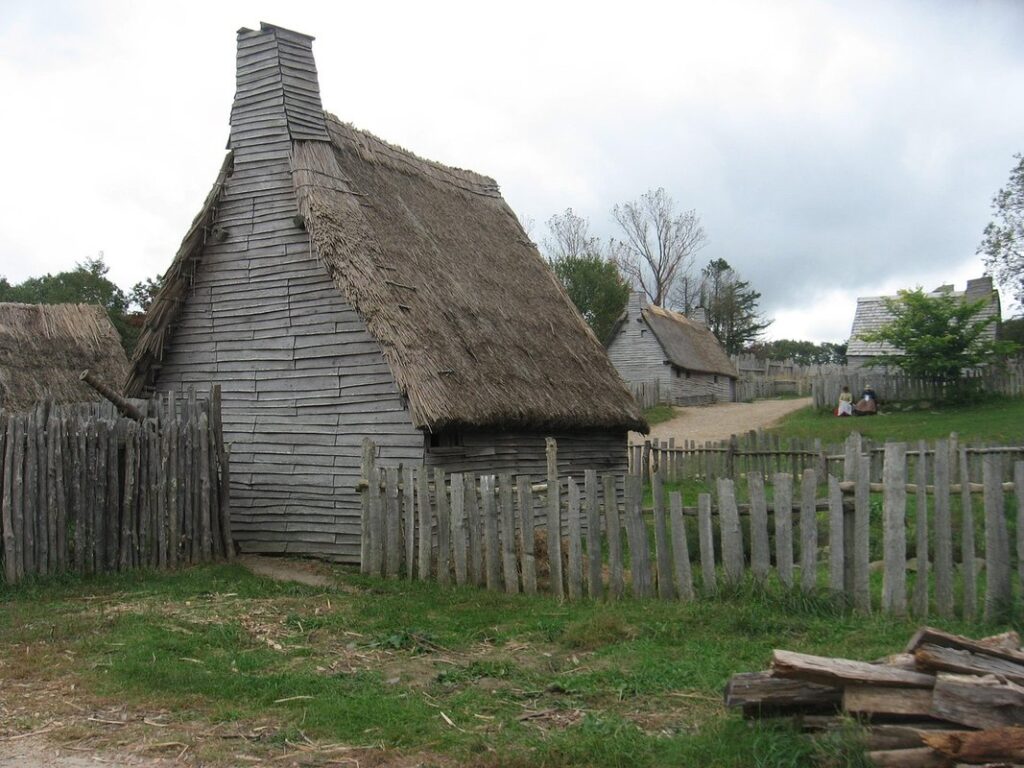
Daily life in a village can be vastly different from that in urban areas, with its own unique set of benefits and challenges. One major advantage is the cleaner air, which is often a welcome respite for those looking to escape pollution. The strong community bonds found in villages are also highly prized, as neighbors look out for one another and support each other through thick and thin. However, rural areas face their own set of problems, such as limited access to amenities and services, and a decline in population that can leave communities struggling to stay afloat. In this article, we’ll explore the benefits of living in a village, examine initiatives aimed at revitalizing rural areas, and discuss ways to overcome common challenges facing these communities. By the end of it, you’ll have a better understanding of what daily life is like in a village, and how you can make a positive impact on your own community.

The Charm of Rural Living
One of the biggest draws to village life is the unique charm that comes from living among nature and a close-knit community. Let’s take a closer look at what makes rural living so special.
Attracting People to Rural Areas
Rural areas are often overlooked as potential places to live, but there are many initiatives and programs aimed at revitalizing these communities. One such initiative is the development of rural tourism. This can involve creating walking trails, bike paths, and scenic routes that showcase the natural beauty of the area. It can also include establishing farm-to-table restaurants and agritourism activities, allowing visitors to experience rural life firsthand.
Another approach is to focus on improving the physical infrastructure in rural areas. This might involve upgrading roads, installing high-speed internet, or providing access to clean water and sanitation facilities. These improvements can make it easier for people to live and work in rural areas, while also making them more attractive places to visit.
Some villages are also experimenting with innovative housing projects that aim to attract young professionals and families. For example, some communities are repurposing old barns or factories into modern living spaces, complete with amenities like solar panels and community gardens. These types of projects can help revitalize rural areas by bringing in new talent and ideas.
Benefits of Living in a Village
Living in a village has its fair share of advantages. For one, you’re likely to breathe cleaner air. Without the pollution from heavy industry and vehicles, villages typically have fresher air, making it easier for residents to stay healthy. The environment is also generally quieter, providing a peaceful atmosphere that’s ideal for those who want to escape the chaos of city life.
Another significant benefit of living in a village is the stronger sense of community. Residents often know and interact with one another regularly, creating strong social bonds. This close-knit community can be especially beneficial for families and children, as they grow up surrounded by supportive neighbors and friends. In villages, it’s common to see residents working together on community projects, such as organizing festivals or maintaining public spaces.
In terms of daily life, the slower pace in a village allows people to appreciate the simple things. You’ll have more opportunities to engage with nature, tend to your own garden, or take long walks through the countryside. While it’s not for everyone, many find that living in a village offers a unique sense of calm and contentment that can be hard to find elsewhere.
Daily Routine in a Village
As you immerse yourself in village life, understanding the daily routines of its inhabitants is key to grasping the community’s rhythms and traditions. A typical day starts early here.
Morning Routines
In villages where agriculture is a significant part of daily life, residents often rise with the sun to begin their morning routines. This can involve waking up as early as 5:00 am to tend to farm work, such as feeding livestock or tending to crops. Farmers may also spend time checking on water levels, monitoring weather conditions, and planning their day’s tasks.
Those who don’t have farm responsibilities still wake up relatively early to start their daily routines. This might include a quick breakfast before heading out to collect firewood, fetch water from a nearby well, or tend to animals such as chickens or cows. In some villages, people may also use this time for personal activities like yoga or meditation.
For families with young children, morning routines often involve getting kids ready for school while still managing daily chores. This can be a challenge, but many villagers have developed efficient systems to balance family responsibilities with work and other obligations. For example, some families prepare breakfast the night before to save time in the mornings.
Afternoon Activities
Afternoon activities in rural villages can be just as vibrant and engaging as those found in urban areas. While morning routines tend to focus on personal and household chores, afternoons are often filled with socializing, relaxation, and community-oriented pursuits.
For many villagers, attending local markets is a staple afternoon activity. These bustling events bring together residents from surrounding villages, offering an opportunity to buy fresh produce, handmade crafts, and unique souvenirs. Villagers also use market days as a chance to catch up on local news, gossip, and socialize with friends and neighbors.
In addition to market visits, sports and physical activities are increasingly popular among villagers. Local teams often compete in regional tournaments, fostering a sense of community pride and encouraging inter-village relationships. For those who prefer more leisurely pursuits, afternoons might be spent exploring nearby nature reserves, practicing yoga or meditation, or simply enjoying a picnic with family and friends.
Some villages also offer cultural performances or workshops during the afternoon, showcasing traditional music, dance, or art forms. These events not only provide entertainment but also serve as valuable learning experiences for both locals and visitors alike.
Evening Traditions
In many villages, evening is a time for coming together with family and neighbors. Communal meals are a common tradition, often cooked over open fires or on traditional stoves. These gatherings provide an opportunity to share stories of the day’s events and break bread together.
Storytelling sessions are also an integral part of village evenings. Elders will often regale younger generations with tales of their ancestors’ bravery and wisdom. These stories serve as a way to pass down cultural heritage and values from one generation to the next.
Cultural performances, such as music or dance, may also be a feature of village evenings. Local musicians might play traditional instruments, while dancers perform ancient steps that have been passed down through generations. In some villages, these performances are an important way to celebrate special occasions like harvest festivals or weddings.
In many cases, the evening’s entertainment is determined by the seasons and local events. For example, during peak tourist season, village evenings might feature live music or cultural performances aimed at attracting visitors.
Village Economy and Industry
In a village, economic activities are closely tied to daily life, from small-scale farming to traditional crafts and local markets. We’ll explore how these industries shape community dynamics and everyday routines.
Traditional Industries
Villages have long been hubs for traditional industries that showcase the skills and craftsmanship of their inhabitants. For centuries, weaving has been a staple industry in many villages, with local textile artists creating beautiful fabrics from cotton, wool, and silk threads. The intricate patterns and designs woven into these fabrics often reflect the village’s cultural heritage and are highly prized by collectors.
Pottery-making is another traditional industry that can be found in many rural areas. Skilled potters create functional and decorative pieces using local clay, which they shape, glaze, and fire to perfection. Metalwork is also a common sight in villages, with blacksmiths hammering out tools, hardware, and decorative items from iron and steel.
In addition to these industries, many villages have long traditions of woodworking, basket-weaving, and other crafts that rely on natural materials found locally. These traditional industries not only provide villagers with essential goods but also serve as a vital source of income and community pride. Visitors to rural areas can often find local markets or shops selling handmade products from these industries, providing an opportunity to support the village economy while taking home unique souvenirs.
Modern Developments
Eco-tourism has become an increasingly important aspect of modern village economies. By leveraging local natural resources and cultural heritage, villages can create sustainable income streams and promote environmental conservation. One notable example is the rise of agro-tourism, where visitors pay to participate in farm-to-table experiences, learn about organic farming practices, and engage with rural communities.
Organic farming has also become a prominent feature of modern village economies. By adopting eco-friendly methods, farmers can reduce their carbon footprint, improve soil health, and increase crop yields. Some villages have even established community-supported agriculture (CSA) programs, allowing consumers to purchase fresh produce directly from local farmers while supporting the local economy.
Renewable energy projects are another key development in modern village economies. Solar panels and wind turbines provide clean energy sources, reducing reliance on fossil fuels and lowering carbon emissions. Additionally, villages can generate income by selling excess energy back to the grid or through net metering programs. These innovations not only benefit the environment but also create new economic opportunities for villagers.
Women’s Roles in the Economy
Women play a vital role in sustaining the village economy through their diverse contributions. In many villages, women are primary breadwinners and take charge of farming activities, often managing plots of land for crops such as wheat, rice, and vegetables. Their expertise extends to nurturing livestock, including cows, goats, and chickens, which provide essential milk, meat, and eggs.
In addition to agricultural pursuits, women excel in handicrafts like weaving, pottery, and embroidery. These traditional crafts are not only economically valuable but also help preserve cultural heritage. Many villages have established markets for handmade goods, providing women with a platform to sell their products and earn a steady income. Some enterprising women also start small-scale enterprises, such as baking bread or making jams, which become popular among locals.
To appreciate the economic significance of women’s contributions, consider this: in some villages, women generate up to 60% of household income through these activities. Their hard work not only supports their families but also contributes to the overall well-being of the community.
Education and Healthcare in Rural Areas
Access to quality education and healthcare is a significant challenge for rural communities, often requiring residents to travel long distances for essential services. We’ll explore these critical issues in more detail below.
Access to Schools and Universities
Access to quality education is a significant challenge for rural residents. Many villages lack access to well-equipped schools and universities, making it difficult for students to receive a proper education. In some areas, schools may be overcrowded, underfunded, or even non-existent, forcing students to attend school in nearby towns or cities.
To address this issue, many governments and organizations are implementing initiatives to improve rural education infrastructure. For example, some villages have established mobile classrooms or online learning platforms to reach remote communities. These innovative solutions enable students to access quality education without having to travel long distances.
In addition, some schools are offering vocational training programs that equip students with skills relevant to their local economy. This approach not only provides students with job prospects but also helps bridge the gap between formal education and rural employment needs. For instance, a school in a farming village might offer courses in agriculture or animal husbandry, enabling students to contribute to their community’s economic growth while pursuing their passion for learning.
Healthcare Infrastructure
Government-run clinics and community health programs often serve as the primary sources of healthcare in rural villages. These facilities may have limited resources and staff compared to urban areas, but they provide essential medical services to villagers. In some cases, private hospitals or medical centers may be available, but these can be expensive and inaccessible to many villagers.
Community health workers play a vital role in rural healthcare infrastructure, often visiting homes to administer vaccinations, provide prenatal care, and monitor chronic conditions. They may also conduct outreach programs to educate villagers about disease prevention and management. In addition to government-run initiatives, some villages have established their own community health programs, which are often driven by local non-profit organizations or volunteer groups.
In rural areas with limited access to healthcare services, mobile clinics can be a lifeline for villagers in need of medical attention. These vans or buses equipped with basic medical equipment and staffed by healthcare professionals travel to remote villages, providing emergency care and referrals to more specialized facilities when necessary.
Traditional Medicine Practices
In rural villages, traditional medicine practices play a significant role in healthcare. Ayurveda, Unani, and homeopathy are popular systems of healing that have been passed down through generations. These practices often focus on natural remedies, herbal treatments, and spiritual healing methods. In many villages, local healers or vaidyas use Ayurvedic principles to create customized treatment plans for patients.
Ayurvedic practitioners typically assess a patient’s constitution, known as their prakriti, to determine the best course of treatment. This holistic approach considers factors like diet, lifestyle, and environmental influences on a person’s health. Unani medicine, on the other hand, emphasizes the balance of bodily humors or fluids to restore health.
While these traditional practices are often used alongside modern medicine, they can also be effective standalone treatments for minor ailments. For instance, herbal remedies like turmeric and ginger have anti-inflammatory properties that can help with joint pain and digestive issues. Village residents may visit local healers for routine check-ups, advice on healthy living, or treatment for common illnesses.
When seeking traditional medical care in a village, it’s essential to find qualified practitioners who understand the principles of Ayurveda, Unani, or homeopathy. Research local healers, ask for referrals from trusted community members, and observe their approach before committing to treatment.
Challenges Faced by Rural Communities
Living in a rural village can be beautiful, but it also comes with its own set of challenges. We’ll take a closer look at some of the obstacles that residents face on a daily basis.
Access to Basic Amenities
In rural villages, accessing basic amenities can be a significant challenge for residents. One of the most pressing issues is securing reliable and clean water sources. Many villages rely on wells or rivers, which can be contaminated with pollutants from nearby agricultural activities or industrial waste. This makes it difficult for households to obtain safe drinking water, let alone for irrigation purposes.
The lack of proper sanitation facilities is another major concern. In some cases, residents have no choice but to use open latrines or shared toilets, which can lead to the spread of diseases. Even when individual household toilets are available, they may not be connected to a sewer system, resulting in untreated waste being disposed of on site.
Electricity is also often in short supply, with many villages relying on diesel generators or solar panels for power. This can make it difficult for residents to use essential appliances like refrigerators and water pumps. To mitigate these issues, some villagers have turned to decentralized solutions, such as rainwater harvesting systems and biogas digesters. These technologies can provide a more sustainable and reliable source of clean energy and water, but they often require significant upfront investment and technical expertise.
Job Opportunities and Skills Training
Villages often struggle to provide job opportunities for their residents due to limited industries and economic resources. Many villagers rely on traditional occupations such as farming or craftsmanship, but these jobs can be seasonal and unpredictable. As a result, young people may leave the village in search of better employment prospects.
To address this issue, skills training programs are essential for equipping villagers with modern skills that are in demand. These programs should focus on areas like technology, entrepreneurship, and vocational training. For example, some villages have established courses in solar panel installation or organic farming, which not only provide new job opportunities but also contribute to the village’s sustainability.
A lack of access to education and training facilities is a significant challenge for rural communities. Villages can partner with nearby towns or cities to offer distance learning programs or online courses. Additionally, community centers or local organizations can host workshops and training sessions in areas like first aid, language skills, or basic computer literacy.
Climate Change Impacts
Rural communities are disproportionately affected by climate change due to their dependence on natural resources. Droughts and floods have become more frequent and intense, impacting agricultural production and water availability. Soil erosion is another significant concern, as changing weather patterns lead to increased runoff and sedimentation.
Floods can be devastating for rural villages, causing loss of homes, livestock, and crops. In some areas, repeated flooding has led to the displacement of entire communities. Droughts, on the other hand, force farmers to adapt their farming practices or abandon land altogether. Soil erosion not only damages farmland but also reduces its fertility, making it harder for future generations to farm.
To mitigate these effects, rural communities can take steps to prepare for and respond to climate-related disasters. This includes building flood-resistant homes, implementing conservation agriculture practices, and promoting sustainable water management. Governments and organizations can also provide support by investing in early warning systems, infrastructure development, and climate-resilient agricultural projects.
Preserving Village Culture and Heritage
As you explore daily life in a village, it’s essential to acknowledge the efforts being made to preserve cultural heritage and traditions that have been passed down through generations. From folk festivals to ancient customs, we’ll look at how villages protect their unique identities.
Language and Folklore
Language and folklore are integral parts of village culture, reflecting the community’s history, traditions, and values. Efforts to preserve these aspects often involve language classes for children and adults alike. These classes focus on teaching the local dialect, which may be different from the national language spoken in cities.
Cultural festivals also play a significant role in preserving folklore. Villagers come together to celebrate seasonal events, harvests, and religious holidays with traditional music, dance, and food. For instance, the annual village fair might feature performances by local musicians playing traditional instruments like the tabla or the flute. Visitors can participate in workshops where they learn to make handicrafts such as pottery, weaving, or woodcarving.
Additionally, traditional music performances are an essential part of village life. Local troupes perform during special occasions, singing songs that pass down stories and histories. Some villages even have dedicated groups that teach and promote the local language through song and dance. These initiatives not only preserve the village’s cultural heritage but also provide opportunities for community members to engage with their traditions in a meaningful way.
Language and folklore preservation efforts are often led by community-driven organizations, which work closely with local authorities to ensure the success of these initiatives.
Craftsmanship and Artisanship
Preserving traditional craftsmanship and artisanship is crucial to maintaining village culture and heritage. Many villages are home to skilled artisans who have passed down their techniques through generations. Woodworking, weaving, and pottery-making are just a few examples of the crafts that can be found in rural areas.
To promote these skills, some communities have established workshops where visitors can learn from local craftsmen. For instance, a village in rural India has set up a woodcarving workshop where tourists can watch artisans at work and even try their hand at carving their own wooden figurines. Similarly, a weaving cooperative in Africa provides training and equipment to women who want to start their own textile businesses.
To preserve these skills for future generations, some villages are also implementing apprenticeship programs. Young people learn traditional techniques from experienced artisans and gain hands-on experience in the craft. This not only helps to keep the skills alive but also creates a new generation of craftsmen who can continue the tradition.
Community Engagement Programs
Community engagement programs play a vital role in preserving village culture and heritage. These initiatives bring together villagers, tourists, and organizations to protect and promote traditional practices. Volunteer tourism, for instance, allows visitors to participate in local activities such as farming, craftsmanship, or conservation projects. This not only benefits the community economically but also fosters cross-cultural understanding.
Cultural exchange programs are another essential component of community engagement. These programs facilitate the sharing of knowledge, skills, and traditions between villagers and outsiders. Participants can learn about local customs, music, dance, or art forms, while contributing their own expertise in return. Community-led conservation projects focus on preserving natural habitats, wildlife, and traditional land management practices.
Effective community engagement programs prioritize collaboration and inclusivity. They involve villagers in the planning and decision-making process to ensure that initiatives align with their needs and values. For example, a village might establish a local committee to oversee tourism activities, ensuring that benefits are equitably distributed among residents. By supporting these programs, tourists can contribute meaningfully to preserving village culture and heritage while gaining a deeper understanding of rural life.
Frequently Asked Questions
How Can I Get Involved in Revitalizing Rural Areas?
You can get involved by volunteering for local initiatives or programs that aim to revitalize rural areas. Many organizations offer opportunities to participate in community development projects, such as helping with infrastructure development, promoting eco-tourism, or supporting small-scale entrepreneurship. Research local organizations and reach out to them to learn more about their volunteer opportunities.
What if I’m Not a Skilled Worker? Can I Still Contribute to the Village Economy?
Yes, you can still contribute to the village economy even if you’re not a skilled worker. Many villages need volunteers for administrative tasks, such as accounting or marketing, or for helping with community events and festivals. You can also consider learning new skills through local workshops or training programs.
How Do I Balance Traditional Medicine Practices with Modern Healthcare Infrastructure?
In many rural areas, traditional medicine practices coexist with modern healthcare infrastructure. It’s not necessary to choose between the two; instead, you can explore how they complement each other. For example, you might learn about Ayurveda and Unani practices alongside modern medical treatments.
Can I Start a Business in a Village Without Prior Experience?
Starting a business in a village requires careful planning and research. While prior experience can be helpful, it’s not always necessary. You can start by identifying gaps in the market or areas where there is a demand for new products or services. Reach out to local entrepreneurs or business owners to learn from their experiences.
How Do I Preserve Village Culture and Heritage When There Are Limited Resources?
Preserving village culture and heritage requires creativity and community engagement. With limited resources, you can start by documenting local traditions through photography, writing, or videography. You can also collaborate with other villagers to create a cultural festival or event that showcases traditional practices and crafts.
Is It Possible to Live in a Village Without Access to Modern Amenities?
While living in a village without access to modern amenities may be challenging, it’s not impossible. Many villages have adapted to limited resources by developing alternative solutions, such as using rainwater harvesting systems or solar power for electricity. Research local examples and explore how villagers have found ways to thrive despite these limitations.