
The Louvre arrondissement is often overlooked by tourists flocking to the famous museum, but this charming neighborhood has so much more to offer. Stretching across the Île de la Cité and parts of the 1st and 4th arrondissements, it’s a treasure trove of history, art, and culture that deserves attention on its own merit. You can stroll along the Seine, visit historic churches like Saint-Germain-des-Prés, or get lost in the winding streets lined with trendy boutiques and cafes. The Louvre arrondissement is also home to several world-class museums, including the Musée d’Orsay and the Musée des Égouts de Paris, which showcases the city’s sewer system. With this guide, you’ll learn about top attractions, hidden gems, and practical information for a memorable visit to the heart of Paris. By the end of it, you’ll know how to make the most of your time in the Louvre arrondissement.
History and Significance
The Louvre Arrondissement has a rich history that spans over two centuries, from its humble beginnings as a royal palace to its current status as one of Paris’ most iconic neighborhoods.
The Origins of the Louvre as a Royal Palace
In the 12th century, the Louvre was a medieval fortress built by King Philip II to protect the city of Paris from invaders. Strategically situated on the Right Bank of the Seine River, its location made it an ideal stronghold for defending the city’s western approach. Over time, the fortress fell into disrepair and became largely obsolete as a military defense.
However, in 1546, King Francis I transformed the Louvre into a royal palace, leveraging its prime location to create a grand residence that would serve as a symbol of his power and prestige. The king invested heavily in renovations, commissioning renowned architects such as Pierre Lescot to design opulent interiors and sprawling gardens.
As a royal palace, the Louvre became a hub for artistic innovation and cultural exchange. King Francis I attracted some of Europe’s most celebrated artists and craftsmen to work on his projects, including Leonardo da Vinci, who painted the Mona Lisa within the palace walls. This marked the beginning of the Louvre’s transformation from a medieval fortress to a royal residence that would eventually become one of the world’s premier art museums.
The Louvre’s Evolution into a National Museum
The Louvre’s transformation from a royal palace to a public museum was a gradual process marked by significant milestones. In 1793, during the French Revolution, the National Assembly voted to transform the palace into a national museum. This decision was driven by the need to open up the arts and culture to the broader population, rather than keeping it exclusive to the aristocracy.
The initial collection of artworks and artifacts was modest, but it quickly grew as the Louvre acquired pieces from royal collections, churches, and other institutions. In 1803, Napoleon Bonaparte declared the Louvre a public museum, making it one of the first museums in Europe open to all citizens.
The Louvre’s evolution into a national museum was not without its challenges. The collection was initially scattered across several locations, including the former Tuileries Palace and the Luxembourg Gardens. However, by 1824, the collection had been centralized under one roof, setting the stage for the Louvre’s emergence as a world-class cultural institution.
Key events like these have contributed to the Louvre’s enduring cultural significance.
Geography and Layout
The Louvre arrondissement is nestled between the Seine River and the Rue de Rivoli, its unique geography playing a significant role in shaping its identity.
Understanding the Arrondissement’s Boundaries
The 1st arrondissement, where the iconic Louvre Museum resides, is one of the smallest and most densely populated administrative areas in Paris. Its boundaries are demarcated by three major roads: Rue de Rivoli to the east, Rue Saint-Honoré to the west, Seine River to the north, and Rue des Pyramides to the south. Notably, the arrondissement’s jurisdiction includes several high-end boutiques on Rue du Faubourg Saint-Honoré and historic landmarks like Palais-Royal and Galerie Vivienne.
Key streets within this area are pedestrianized, making it an ideal destination for strolling and people-watching. The 1st arrondissement also encompasses the famous Place Vendôme, a hub of luxury shopping and dining. Visitors can easily navigate the area on foot or by taking advantage of Paris’ public transportation system. Familiarizing oneself with these boundaries will help unlock the full potential of exploring this vibrant neighborhood, where history, art, and opulence converge.
Some notable neighborhoods within the 1st arrondissement include the Louvre-Tuileries district, which surrounds the museum, and the Palais-Royal area, known for its stunning gardens and cultural events. When planning your itinerary, consider visiting during weekdays to avoid crowds and make the most of your time in this captivating part of Paris.
Key Landmarks and Attractions
The Louvre arrondissement is home to a plethora of iconic museums and galleries. The Musée du Louvre itself is an obvious highlight, attracting millions of visitors each year with its vast collection of art and artifacts from around the world. However, there are several other notable museums worth exploring. The Musée d’Orsay, located just across the Seine River, boasts an impressive Impressionist and Post-Impressionist collection, featuring works by Monet, Renoir, and Van Gogh.
In addition to these esteemed institutions, visitors can also stroll through the upscale boutiques and shopping districts along the Rue de Rivoli and Rue Saint-Honoré. These pedestrian-friendly streets offer a unique blend of high-end fashion, art galleries, and charming cafes. History buffs will appreciate visiting the nearby Palais-Royal gardens, which feature beautiful architecture and impressive art installations.
The historic site of the Louvre-Tuileries Garden is also within walking distance, providing a serene escape from the bustling city center. This beautifully maintained garden offers stunning views of the Seine River and features several notable landmarks, including the Fontaine des Mers and the Galerie du Carrousel.
Culture and Entertainment
The Louvre Arrondissement is home to a vibrant cultural scene, from world-class museums to trendy art galleries and lively street performances that bring the neighborhood to life.
The Artistic Heritage of the Louvre
The Louvre arrondissement has been a cradle for various artistic movements and styles throughout history. One notable example is the development of Impressionism, which emerged from the area’s unique light and atmospheric conditions. Claude Monet, who frequently painted the Seine River and its surrounding landscapes, was among the movement’s key figures.
The Louvre Museum itself has also been a significant hub for artistic innovation. The museum’s collections have showcased works by artists associated with other notable movements, such as Romanticism and Realism. For instance, works like Jacques-Louis David’s “Oath of the Horatii” reflect the dramatic and emotive qualities characteristic of Neoclassicism.
Other art styles that have been influenced or originated in the Louvre arrondissement include Fauvism and Expressionism. Artists like Henri Matisse and André Derain, who were associated with Fauvism’s bold use of color, often drew inspiration from the area’s vibrant markets and cultural diversity.
The artistic heritage of the Louvre is not limited to specific styles or movements; it also encompasses a rich tradition of craftsmanship and artisanal skills. Visitors can still experience this by exploring local workshops and ateliers that preserve traditional techniques in areas like glassmaking, printing, and woodcarving.
Nightlife, Dining, and Shopping in the Louvre
The Louvre arrondissement is a treasure trove for those who love to experience the city’s vibrant culture after dark. As you stroll through the charming streets, you’ll discover an array of bars and clubs that cater to every taste. The popular Comptoir du Relais on Rue des Francs-Bourgeois is a hidden gem for wine enthusiasts, while the trendy Le Baron offers a more upscale cocktail experience.
For those seeking a bite to eat, the arrondissement boasts an impressive selection of restaurants serving everything from traditional French cuisine to modern twists on international flavors. La Grande Épicerie de Paris on Boulevard Raspail is a must-visit for foodies, offering an exquisite array of artisanal cheeses, charcuterie, and pastries.
Shopping in the Louvre arrondissement is also a delight, with high-end boutiques alongside quirky independent stores. The famous Galeries Lafayette on Boulevard Haussmann offers breathtaking views of the city from its rooftop garden while you shop. Insider tip: explore the smaller streets like Rue de Rivoli and Rue des Francs-Bourgeois to uncover unique boutiques selling everything from handmade jewelry to artisanal home decor.
Practical Information
To plan your trip and make the most of your time in the Louvre arrondissement, we’ve gathered essential details on transportation, accommodations, and must-see attractions. From navigating the metro to finding a place to stay, this section has got you covered.
Getting Around the Louvre Arrondissement
To get around the Louvre arrondissement efficiently, you’ll want to familiarize yourself with its transportation options and walking routes. The arrondissement is served by several métro lines, including lines 1 and 7, which connect to other major attractions like Notre-Dame Cathedral and the Champs-Élysées. You can also use buses, such as line 21, to explore the area.
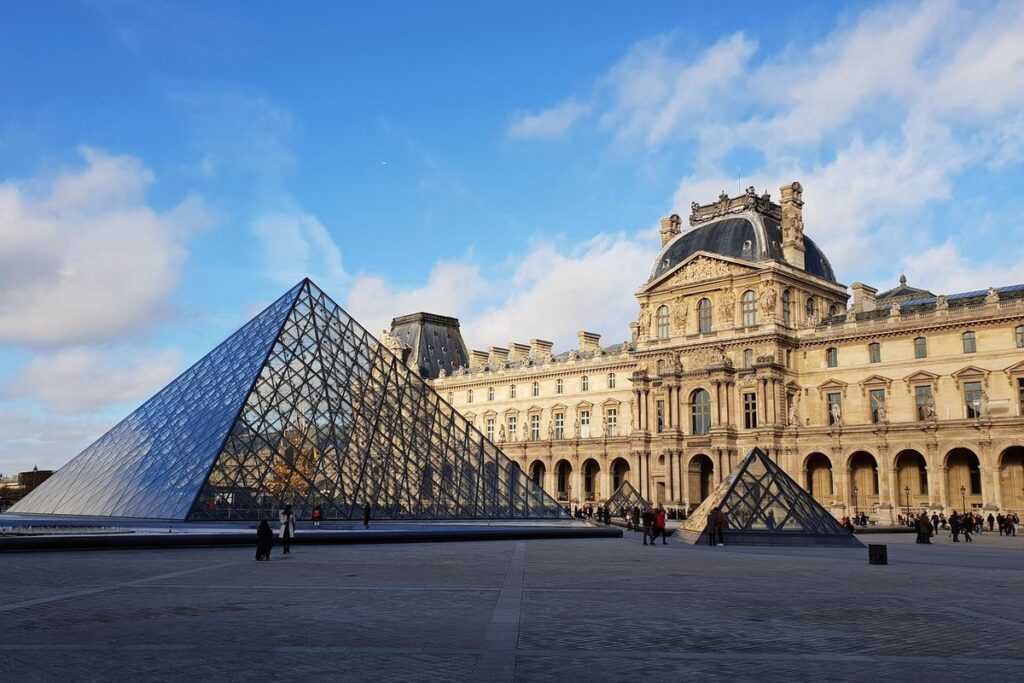
Walking is a great way to experience the Louvre’s scenic streets and picturesque alleys. Start at the iconic glass pyramid entrance of the Louvre Museum and stroll north through the Tuileries Garden towards Place Vendôme. Be sure to take in the beautiful views of the Seine River along the way.
For a more comprehensive exploration, consider purchasing a Paris Visite pass, which grants you unlimited métro rides, bus travel, and access to many museums and attractions, including the Louvre. This can be especially useful if you plan to visit multiple sites within a short period.
Essential Services and Amenities
In addition to its rich cultural and historical heritage, the Louvre arrondissement offers a range of essential services and amenities for both residents and visitors. For healthcare needs, there are several clinics and medical centers located throughout the area, including the Hôpital Cochin and the Maison de Solitude, which provide specialized care for mental health and addiction.
When it comes to safety, the arrondissement is home to several police stations, including the 4th arrondissement‘s police station on Rue de Rivoli. Community resources are also plentiful, with organizations like the Louvre Arrondissement Council and the Association des Rues du Louvre providing support for local residents.
For everyday essentials, you’ll find a variety of shops, cafes, and restaurants catering to different tastes and budgets. The arrondissement is also well-connected to public transportation, with several metro lines passing through it, including the 1, 7, and 10 lines. If you’re planning to stay in the area, consider booking an apartment or hotel that’s close to these amenities for easy access to everything the Louvre has to offer.
Economic Profile
The Louvre arrondissement is a hub of economic activity, boasting a diverse mix of industries including finance, fashion, and technology, shaping the local economy. From startups to multinational corporations, let’s take a closer look at this dynamic sector.
The Louvre’s Contribution to Paris’ Economy
The Louvre is a major contributor to Paris’ economy, generating significant revenue from tourism and job creation. The museum complex welcomes over 10 million visitors annually, with the majority of them coming from abroad. These tourists inject millions of euros into the local economy through ticket sales, hotel bookings, and restaurant expenditures. In fact, it’s estimated that each visitor spends an average of €50-€60 per day on food, accommodations, and activities.
The Louvre’s impact extends beyond its own walls, as visitors often explore other attractions in the arrondissement, such as the Palais-Royal gardens and the Musée d’Orsay. This has led to a surge in entrepreneurship and job creation, with many small businesses opening up around the museum complex. Visitors can enjoy a range of dining options, from fine French cuisine to international street food.
The economic benefits of the Louvre are not limited to tourism alone. The museum’s presence also attracts large corporate events, conferences, and exhibitions, generating significant revenue through venue rentals and catering services.
Emerging Trends in the Arrondissement’s Economy
The louvre arrondissement has become a hotspot for startup culture and entrepreneurship initiatives. A growing number of incubators and accelerators have set up shop in the area, offering resources and support to fledgling businesses. The Louvre’s proximity to esteemed institutions like Sciences Po and the École des Hautes Études en Sciences Sociales (EHESS) has also created a rich pool of talent and expertise.
Innovative industries such as fintech, biotech, and clean tech are thriving in this area. Companies like Lyra, a healthtech startup, and Zenatix, an AI-powered retail platform, have made their homes in the louvre arrondissement. These businesses benefit from the area’s unique blend of artistic flair and scientific rigor.
Recent initiatives like Paris&Co’s “Louvre Entrepreneurship” program aim to foster a supportive ecosystem for startups. This program provides access to funding, mentorship, and networking opportunities, helping young companies navigate the city’s business landscape. By tapping into this vibrant entrepreneurial spirit, visitors can experience firsthand the creative energy and innovative drive that define the louvre arrondissement.
Frequently Asked Questions
Can I live in the Louvre arrondissement on a budget?
Yes, it’s possible to reside in the Louvre area without breaking the bank. Consider sharing an apartment with roommates or opting for shorter-term rentals to save on costs. You can also explore local markets and street food options for affordable dining.
What if I get lost in the Louvre arrondissement at night?
Don’t worry, you’re not alone. Many tourists get disoriented in this vast area. If you find yourself lost after dark, look for illuminated signs or ask locals for directions. You can also use your smartphone’s GPS to navigate back to a familiar landmark.
How do I take advantage of the Louvre’s economic initiatives?
To tap into the arrondissement’s entrepreneurial spirit, attend local startup events and networking sessions. Many incubators and coworking spaces offer resources and mentorship programs for new businesses. You can also explore online platforms that connect investors with startups in the area.
Can I visit the Louvre museum without prior planning?
While it’s possible to drop by the Louvre without a plan, be prepared for long lines and crowds during peak season. Consider booking tickets or guided tours in advance to make the most of your visit. Additionally, check the museum’s website for special exhibitions and events that might interest you.
What if I’m not interested in art – are there other activities in the Louvre arrondissement?
Absolutely! While the Louvre is famous for its museums, the surrounding area offers a wealth of cultural experiences beyond art. Explore the historic streets, visit the nearby Palais-Royal gardens, or indulge in shopping and dining along Rue de Rivoli and Boulevard des Capucines.

