
Paris’ 4th arrondissement is a treasure trove of history, culture, and beauty. The Notre Dame arrondissement is particularly renowned for its iconic landmarks like the majestic Notre Dame Cathedral and the stunning Sainte-Chapelle. But this charming neighborhood has so much more to offer beyond these famous sites. From traditional boulangeries serving up freshly baked croissants to upscale boutiques and art galleries, there’s something for every taste and budget in this picturesque Parisian quarter. As you explore the Notre Dame arrondissement, it’s essential to know where to find the best food, how to navigate its winding streets, and what hidden gems to discover. This article will provide expert tips on attractions, cuisine, shopping, and insider safety advice to help you make the most of your visit and experience the real essence of Paris.
Understanding the Arrondissement Structure
Notre Dame arrondissement is comprised of six quartiers, each with its own unique character and charm. By understanding their boundaries and characteristics, you’ll be better equipped to navigate this historic neighborhood.
The Concept of an Arrondissement in Paris
An arrondissement is one of the 20 districts that make up the City of Paris. The word “arrondissement” itself means “district” or “circle,” and it’s a term that reflects the administrative and geographical organization of the city. Each arrondissement is further divided into smaller neighborhoods, known as quartiers, but they’re still treated as distinct entities in terms of governance and planning.
Paris’ arrondissements date back to 1795, when the city was reorganized following the French Revolution. The system was established to simplify administrative tasks and improve public services. Over time, the arrondissements have become an integral part of Paris’ identity, with each one having its own unique character and attractions.
Understanding the concept of an arrondissement is essential for navigating and exploring the city, especially when it comes to accessing amenities, services, and cultural events. For example, residents in the 5th arrondissement often refer to their neighborhood as “the Latin Quarter,” due to its rich history and academic presence. Similarly, visitors to Paris can plan their itinerary based on which arrondissements they want to explore, making it easier to prioritize attractions like Notre Dame Cathedral, which is located in the heart of the 4th arrondissement.
History of Notre Dame’s Arrondissement
Notre Dame’s arrondissement has a rich history dating back to the Middle Ages. The area was initially a small island settlement known as Île de la Cité, which emerged from the Seine River during the last ice age. As Paris grew, Île de la Cité became an important hub for commerce and trade. In 1163, construction began on the iconic Notre Dame Cathedral, which would become the crowning jewel of the arrondissement.
Throughout the centuries, the area experienced significant milestones, including the coronation of Napoleon Bonaparte in 1804, where he was crowned Emperor at Notre Dame Cathedral. The arrondissement also played a crucial role during World War II, with many French Resistance fighters hiding in its narrow streets and alleyways.
Today, remnants of this history are visible throughout the area, from the Gothic architecture of Notre Dame to the remains of ancient Roman walls hidden beneath modern buildings. Visitors can still see the original 13th-century stone foundation of Notre Dame Cathedral, a testament to the arrondissement’s enduring legacy.
Must-Visit Attractions in Notre Dame Arrondissement
Notre Dame Arrondissement is home to some of Paris’ most iconic landmarks, and we’ll take you on a tour of its must-see sights. From historic churches to charming streets and markets, discover what makes this area so unforgettable.
The Iconic Notre Dame Cathedral
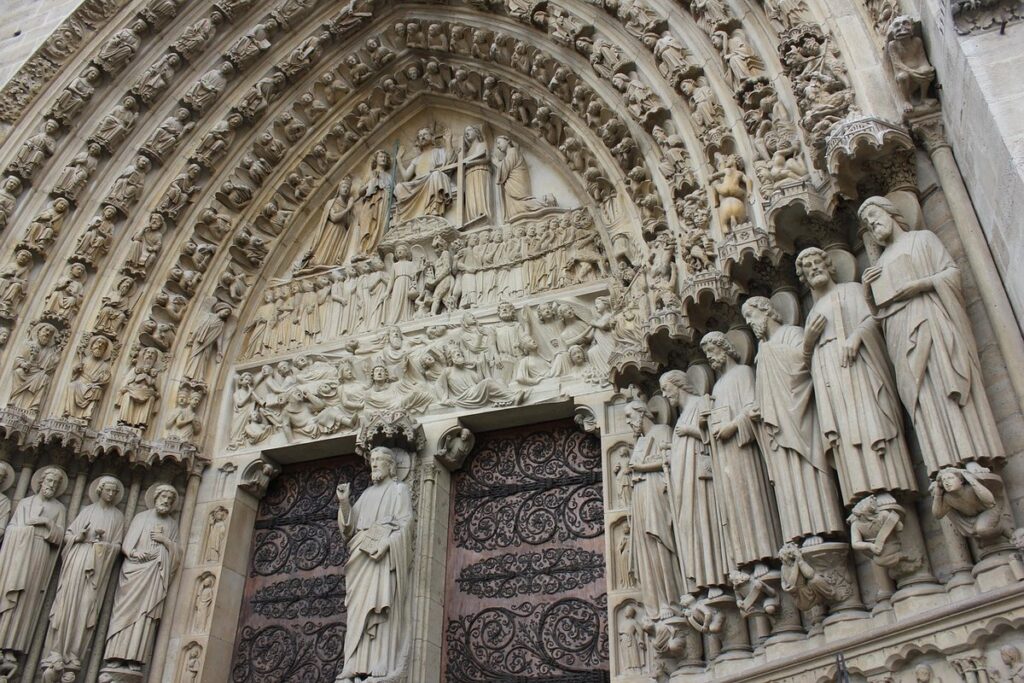
Notre Dame Cathedral stands as an unmistakable symbol of Parisian identity and historical grandeur. Its striking Gothic architecture, characterized by soaring vaults and ribbed arches, has captivated visitors for centuries. The cathedral’s façade is adorned with intricate carvings and statues, while the interior boasts a stunning rose window and a series of breathtaking stained-glass windows.
The construction of Notre Dame began in 1163 under Bishop Maurice de Sully, with the completion taking nearly two centuries. Over time, it has become an integral part of Paris’ cultural heritage, hosting coronations, royal weddings, and other significant events throughout history. In terms of significance to the arrondissement, Notre Dame is not only a visual icon but also a hub for local culture and community.
When visiting, consider attending one of the cathedral’s free guided tours, which offer insights into its history, architecture, and spiritual importance. Alternatively, attend a mass or concert to experience the space in use. Be sure to approach the cathedral from different angles to fully appreciate its grandeur, taking note of the adjacent Sainte-Chapelle and its exquisite stained-glass windows.
Île de la Cité: A Treasure Trove of History and Culture
Île de la Cité is a must-visit destination within Notre Dame Arrondissement. This historic island has been the heart of Paris for centuries, boasting an impressive array of attractions that showcase its rich cultural and architectural heritage.
Among the top draws on Île de la Cité are Sainte-Chapelle’s breathtaking stained-glass windows. These 1,114 colorful panes filter in kaleidoscopic light, illuminating the chapel’s interior with a mesmerizing display. Visitors can also explore the Conciergerie, a former royal palace that served as a prison during the French Revolution. This atmospheric site features remnants of the medieval fortress and offers a glimpse into the island’s tumultuous past.
The Archaeological Crypt is another hidden gem on Île de la Cité. Housed in the remains of the ancient Roman forum, this underground museum showcases artifacts from Gallo-Roman Paris. Visitors can walk through the excavated ruins and see authentic archaeological finds, including mosaics, sculptures, and other relics. To make the most of a visit to these attractions, consider purchasing a combined ticket that grants access to all three sites.
Local Life in Notre Dame Arrondissement
As you wander through the charming streets of Notre Dame Arrondissement, you’ll discover a vibrant community that’s steeped in history and culture. From local markets to authentic eateries, we’ll guide you through the neighborhood’s hidden gems.
Exploring the Seine River and its Banks
Strolling along the Seine River is an iconic Parisian experience. You’ll find that many popular spots are situated on its banks, making a leisurely walk along the river an excellent way to explore the area. One such spot is Pont des Arts, a pedestrian bridge offering stunning views of the Louvre Museum and the river below. Be sure to stop by and admire the love locks, though note that they’ve been largely removed due to maintenance and safety concerns.
Another notable location is Pont Neuf, the oldest stone bridge in Paris. Built in 1578, it spans the Seine River and offers a glimpse into the city’s rich history. Take your time to explore its picturesque surroundings, which feature charming street performers and vendors selling everything from souvenirs to snacks. If you’re planning to visit Pont Neuf during peak tourist season, be prepared for crowds.
For a more relaxed experience, consider strolling along the Seine River at dawn or dusk when it’s less crowded. This allows you to take in the city’s beauty without the chaos of daytime tourists. Whatever time of day you choose, remember to keep your belongings secure and be mindful of pickpocketing hotspots near popular attractions.
Discovering Authentic French Cuisine
For a truly immersive experience, delve into the authentic flavors of French cuisine at local restaurants, cafes, and bakeries. Start with a classic croissant from a traditional boulangerie like Gérard Mulot or Stohrer, where you can taste the difference between flaky, buttery pastry and mass-produced alternatives.
Walk along Rue de Rivoli, lined with eateries serving up time-honored dishes like steak tartare at Le Grand Vefour or bouillabaisse at La Coupole. Indulge in creamy escargots at Le Pied de Cochon, where the chef’s use of snails from the Loire Valley elevates this humble dish.
Consider a picnic lunch on the Île de la Cité’s tranquil Square René-Le-Gall, with bread and cheese from nearby shops like Pierre Hermé or Eric Kayser. Don’t miss the historic Café de Flore or Les Deux Magots for a taste of 19th-century Parisian charm.
When it comes to dining in this arrondissement, look for establishments serving seasonal ingredients and traditional techniques. Opt for family-run bistros or small, independent restaurants over larger chains. By doing so, you’ll not only enjoy authentic flavors but also support local communities that preserve the essence of French cuisine.
Shopping in Notre Dame Arrondissement
Whether you’re looking for high-end fashion or unique souvenirs, shopping in Notre Dame Arrondissement has something to offer every kind of shopper. From luxury boutiques to charming street markets.
Luxury Brands and High-End Retail
Luxury Brands and High-End Retail
The upscale shopping experience is not limited to the Champs-Élysées. Galeries Lafayette Champs-Élysées, one of the most iconic department stores in Paris, offers a luxurious shopping experience with its elegant atmosphere and high-end brands. You’ll find designer boutiques like Chanel, Dior, and Louis Vuitton alongside art galleries and fine jewelry shops.
To access this luxury retail hub, take Metro Line 1 to Concorde or Seine-Richelieu-Drouot stations, both within a short walk from Galeries Lafayette Champs-Élysées. Alternatively, you can stroll along the Avenue de l’Opéra, lined with upscale boutiques and cafes. The nearby Rue du Faubourg Saint-Honoré is home to high-end fashion houses like Givenchy and Valentino.
When shopping at these luxury retailers, be prepared for a more formal experience. Some stores may have dress codes or require appointments. However, the service is often exceptional, with knowledgeable staff happy to assist you in finding the perfect item. Take your time to explore these boutiques, and don’t hesitate to ask for advice on sizing, materials, or styles. This is an opportunity to indulge in the art of high-end shopping and discover unique treasures amidst the stunning Parisian architecture.
Unique Markets and Street Vendors
One of the most fascinating aspects of shopping in Notre Dame Arrondissement is discovering the unique markets and street vendors that line its streets. For a truly immersive experience, be sure to visit Marché aux Puces de Saint-Ouen, one of the world’s largest flea markets. With over 2,000 dealers selling everything from vintage clothing to antique furniture, this market is a treasure trove for collectors and bargain hunters alike.
The market’s eclectic mix of vendors offers a glimpse into Paris’ rich cultural heritage. You can find rare art pieces, handmade jewelry, and unique souvenirs that will make your shopping experience unforgettable. Don’t miss the opportunity to explore the adjacent streets, where you’ll discover charming boutiques and artisanal shops selling everything from French perfumes to exquisite crystal glassware.
When it comes to street vendors, look out for the traditional flower sellers and fruit vendors who offer a colorful array of bouquets and seasonal produce. You can also find talented street artists who create beautiful works of art in the midst of bustling streets. Be prepared to haggle and get ready to take home some truly unique mementos from your visit to Notre Dame Arrondissement.
Insider Tips for Visiting Notre Dame Arrondissement
As you explore the historic heart of Paris, it’s worth knowing that a few insider secrets can make your visit to Notre Dame even more unforgettable. From hidden courtyards to lesser-known attractions, we’ve got the inside scoop.
Top Recommendations from Locals and Travelers
Locals and travelers alike recommend exploring the lesser-known Musée de la Vie Romantique on Rue Chaptal, which houses an impressive collection of 19th-century art and artifacts. This intimate museum offers a respite from the crowds that flock to more popular attractions. To get there, take a stroll along the charming Rue de Rivoli, lined with quaint shops and cafes.
For a unique perspective on the arrondissement’s history, consider visiting the Crypte Archeologique, an archaeological crypt beneath the streets of Paris. This hidden gem offers a glimpse into the city’s Roman past, complete with excavated ruins and artifacts. Be sure to explore the adjacent Saint-Germain-des-Prés neighborhood, known for its upscale boutiques and lively atmosphere.
Some travelers swear by taking a Seine River cruise at sunset or twilight, when the arrondissement’s landmarks are bathed in warm golden light. Others recommend wandering through the historic heart of Île de la Cité on foot to discover tucked-away courtyards and charming streets.
Essential Safety and Precautions
The narrow streets and crowded areas of Notre Dame Arrondissement can be overwhelming, especially during peak tourist season. To minimize your risk of being pickpocketed or caught in a chaotic situation, be mindful of your belongings at all times. Keep a secure grip on your bag or backpack, and consider using a money belt to store your valuables.
When walking through crowded areas like the Seine River banks or around Notre Dame Cathedral, keep an eye out for suspicious behavior and stay alert for potential scams. Avoid displaying signs of wealth, such as expensive jewelry or watches, and try not to carry large amounts of cash.
To avoid pickpocketing hotspots, steer clear of touristy areas during peak hours (usually between 10 am and 4 pm). If you must visit popular spots like the cathedral’s interior, consider visiting early in the morning or later in the evening when crowds are smaller. By being aware of your surroundings and taking simple precautions, you can enjoy a safe and stress-free experience exploring this historic arrondissement. Always be cautious when using ATMs or exchanging money, and keep an eye on your belongings in crowded cafes and restaurants.
Frequently Asked Questions
What if I have limited time to explore the Notre Dame arrondissement?
If you have limited time, focus on the must-see attractions like Notre Dame Cathedral and Sainte-Chapelle. Consider purchasing a Paris Museum Pass for skip-the-line access to these iconic landmarks. Prioritize your interests and allocate time accordingly, but be sure to leave some room for spontaneity.
Is it safe to walk alone at night in the Notre Dame arrondissement?
Yes, walking alone at night is generally considered safe in the Notre Dame arrondissement, especially during peak tourist season. However, as with any major city, take common-sense precautions: stick to well-lit streets, avoid walking alone in secluded areas, and keep valuables secure.
How can I experience authentic French cuisine on a budget?
Experience authentic French cuisine on a budget by exploring local markets like the Marché aux Fleurs or visiting smaller bistros and cafes. Opt for set menus (cartes) instead of à la carte options, and consider dining during off-peak hours when prices tend to be lower.
What if I want to explore beyond the Notre Dame arrondissement?
The Paris public transportation system is extensive and convenient, making it easy to explore other arrondissements. Consider purchasing a Navigo Decouverte pass for unlimited travel on buses, trams, and metro lines within the Île-de-France region. Use online resources or consult with locals to plan your itinerary.
How can I avoid pickpocketing in crowded areas?
To minimize the risk of pickpocketing, be mindful of your surroundings, especially in crowded areas like the Seine River banks. Keep valuables secure and consider using a money belt or a secure bag. Be cautious when interacting with strangers and keep an eye on your belongings at all times.

