Italian cuisine is a culinary treasure trove that has captured the hearts (and stomachs) of foodies around the world. From its rich history to its diverse regional specialties, Italy’s gastronomic landscape is a vast and exciting territory to explore. Whether you’re a seasoned pasta aficionado or just starting your Italian culinary journey, knowing the classic dishes, ingredients, and cooking techniques is essential for fully appreciating this beloved cuisine. In this comprehensive guide, we’ll take you on a tour of the most popular Italian food items, including an array of mouth-watering pasta varieties, pizza styles, meat-based favorites, seafood options, sides, desserts, and pantry staples that every kitchen should have. Get ready to indulge in the flavors of Italy with our detailed list of must-know dishes and ingredients!

Introduction to Italian Cuisine
Italian cuisine is a beloved favorite worldwide, but for those new to it, understanding its basics can seem daunting. Let’s start by exploring what makes Italian food so unique and delicious.
Brief History of Italian Food
Italian cuisine has a rich cultural heritage that spans centuries. Its history is deeply rooted in the Mediterranean diet, which emphasizes whole grains, fruits, vegetables, and healthy fats. The ancient Romans played a significant role in shaping Italian cuisine by introducing new ingredients and cooking techniques from their conquests across Europe.
As the Roman Empire declined, various regions of Italy began to develop their unique culinary styles. The north was influenced by the French and Austrians, while the south was shaped by Arabic and Greek cuisines. This cultural melting pot created a diverse range of flavors and dishes that characterize Italian food today.
From pasta and pizza to risotto and gelato, each region in Italy has its specialties. For example, Tuscany is famous for its ribollita soup, while Sicily boasts its cannoli pastries. Understanding the history behind these dishes helps appreciate their cultural significance and allows us to explore new flavors within the Italian food items list.
This historical perspective also highlights the importance of using high-quality ingredients and traditional cooking methods in preparing authentic Italian cuisine. By learning about the origins of Italian food, you can better navigate its diverse regional offerings and create delicious meals that reflect the country’s rich culinary heritage.
Importance of Italian Food in Modern Times
Italian food has been a staple in many cuisines worldwide for decades, and its popularity endures despite the ever-changing culinary landscape. One of the primary reasons Italian food remains a favorite is its convenience. With the rise of international cuisine, people are increasingly seeking out dishes that can be easily prepared at home or ordered from restaurants. Italian food fits this bill perfectly, offering a range of simple yet satisfying options like pasta sauces, pizza dough, and risotto rice.
Another significant factor contributing to Italian food’s enduring popularity is its unparalleled taste. Italian cuisine is renowned for its rich flavors, which are often achieved through the use of high-quality ingredients, skillful preparation techniques, and attention to presentation. Whether it’s a classic Margherita pizza or a decadent lasagna, Italian dishes consistently satisfy our cravings.
Italian food also boasts numerous health benefits. The Mediterranean diet, which is deeply rooted in Italian cuisine, has been shown to have numerous physical and mental health advantages, including lower blood pressure and cholesterol levels, improved heart health, and reduced risk of chronic diseases like diabetes and certain cancers.
Classic Italian Dishes Everyone Should Know
You’re probably familiar with some of Italy’s most beloved dishes, but do you know the classics that every food lover should try at least once? From pasta to pizza and beyond, we’ll cover them all.
Pasta Varieties and Their Pairing Options
When it comes to pasta, there’s an endless array of varieties to explore. Let’s dive into some of the most popular types and their ideal pairing options.
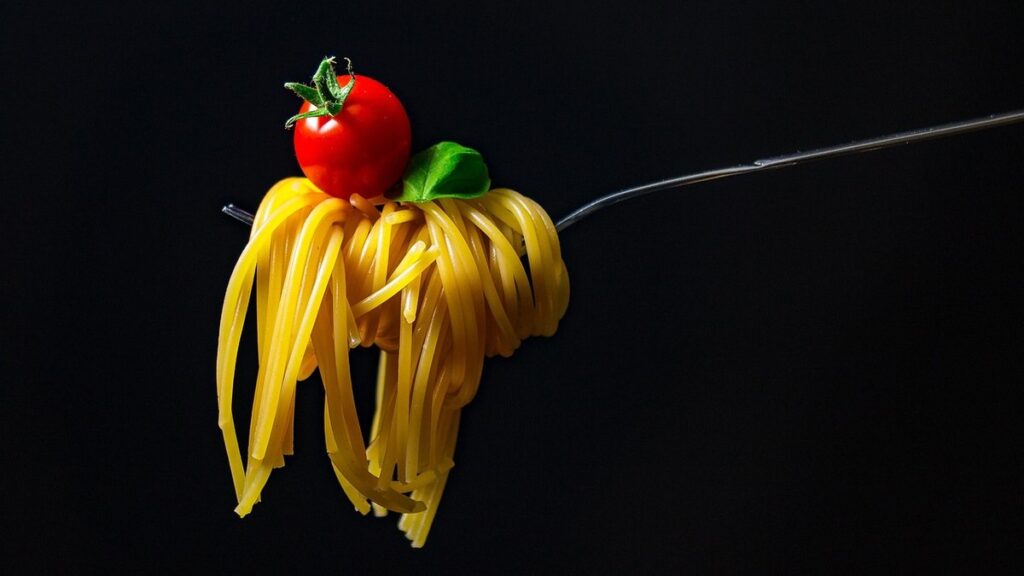
Spaghetti is a classic choice, often served with tomato sauce, meatballs, or a light olive oil drizzle. Its long, thin strands make it perfect for twirling around your fork. Pair it with a rich Bolognese sauce for a hearty meal or opt for a simple aglio e olio for a lighter option.
Fettuccine, on the other hand, is best paired with creamy sauces like Alfredo or carbonara. The flat noodles allow the sauce to coat evenly, making each bite a delight. Try combining it with sautéed mushrooms and truffle oil for an earthy twist.
Penne rigate, with its ridged texture, pairs well with chunky sauces like arrabbiata or pesto. The ridges help trap the flavors of the sauce, making each bite more exciting. Use it as a base for a vegetable-packed primavera dish or add some spicy Italian sausage for added flavor.
Rigatoni and farfalle are other popular options that work well with light, oily sauces like olive oil and garlic or simple tomato sauce. Experiment with different combinations to find your favorite pairings and elevate your pasta game!
Essential Pizza Toppings and Styles
When it comes to classic Italian dishes, pizza is undoubtedly one of the most beloved and iconic. But did you know that there are various styles of pizzas originating from different regions of Italy? Let’s dive into the world of Neapolitan, Roman, and Sicilian pizzas.
Neapolitan-style pizza is a classic choice, known for its thin crust, soft center, and fresh toppings like San Marzano tomatoes, mozzarella di bufala, and basil. This style originated in Naples and is often associated with simplicity and authenticity. When trying Neapolitan pizza, look for the characteristic “cornicione” – a slightly raised crust edge.
Roman-style pizzas are known for their thicker crusts, crispy edges, and more complex toppings like artichokes, olives, and prosciutto. This style is less well-known internationally but has gained popularity in recent years.
Sicilian-style pizzas, on the other hand, have thick, square crusts topped with rich ingredients like anchovies, eggplant, and ricotta cheese. These hearty pies originated from the island of Sicily and are often associated with comfort food.
When ordering pizza abroad or at home, familiarize yourself with these regional styles to appreciate their unique flavors and textures. You can also experiment with different topping combinations to create your own signature Italian-style pizzas.
Italian Small Plates and Appetizers
Whether you’re looking for a quick bite or want to try multiple flavors, Italian small plates and appetizers are perfect for any occasion. From Bruschetta to Caprese Skewers, these bite-sized delights offer endless possibilities.
Antipasto Options for Any Occasion
When it comes to Italian cuisine, antipasto options are perfect for gatherings or everyday meals. This selection of cured meats, cheeses, olives, and other small plate items can elevate any occasion. For a gathering, consider a variety of cured meats like prosciutto, salami, and ham. Pair these with artisanal cheeses such as Parmigiano-Reggiano, Mozzarella, or Gorgonzola.
Don’t forget to include a selection of olives, including green and black varieties, for added flavor. You can also add other small plate items like roasted vegetables, marinated artichokes, or sun-dried tomatoes. For everyday meals, opt for simpler combinations like cured meats with crackers or cheese with fruit.
When selecting antipasto options, remember to balance flavors and textures. Consider the number of guests and plan accordingly. A general rule of thumb is to provide at least 2-3 ounces of protein per person. With these guidelines in mind, you can create an impressive selection of antipasto options that are sure to please any crowd.
Bruschetta and Crostini Ideas
When it comes to Italian small plates and appetizers, bruschetta and crostini are two popular options that can elevate any gathering. These toasted bread dishes offer a perfect canvas for showcasing a variety of flavors and textures. Here’s where the possibilities get really exciting – you can top your toasted bread with an array of ingredients, from classic combinations to innovative pairings.
Some timeless favorites include pairing diced tomatoes with fresh basil and mozzarella cheese for a Caprese-inspired twist. Alternatively, try combining roasted garlic and olive tapenade for a savory treat that’s sure to please. If you’re looking for something more substantial, consider topping your crostini with cured meats like prosciutto or salami.
Presentation is key when it comes to serving bruschetta and crostini. To add an extra touch of elegance, arrange the toasted bread on a platter in a visually appealing pattern, then top each piece individually. Garnish with fresh herbs, edible flowers, or pomegranate seeds for added color and texture. For a more rustic look, serve the bruschetta family-style in a large bowl, allowing everyone to help themselves.
When choosing ingredients, consider using seasonal produce to ensure maximum flavor and freshness. Experiment with different types of bread, such as Ciabatta or Focaccia, to find your perfect match. With so many options at your fingertips, you’re sure to find the perfect combination that will delight your guests and leave them wanting more.
Italian Main Course Favorites
When it comes to hearty and delicious meals, Italian main courses are often at the top of many food lovers’ lists. Let’s dive into some popular options that never go out of style.
Meat-Based Dishes: Pollo alla Cacciatora to Osso Buco
When it comes to Italian cuisine, meat-based dishes are a staple of the country’s rich culinary tradition. Pollo alla Cacciatora, a classic hunter-style chicken dish, is a prime example of how simple ingredients can be transformed into something extraordinary. The combination of chicken, onions, bell peppers, tomatoes, and mushrooms, all cooked in olive oil, creates a hearty and flavorful sauce that’s perfect for serving with pasta or rice.
Another beloved Italian meat-based dish is Osso Buco, a braised veal shank that’s slow-cooked in white wine and stock until the meat falls off the bone. The key to this dish lies in the preparation of the veal shank, which must be carefully scored and seasoned before being browned in a hot pan. This step creates a rich, caramelized crust on the outside, while the inside remains tender and juicy.
To prepare Osso Buco like a true Italian nonna, start by seasoning the veal shanks with salt, pepper, and herbs such as thyme and bay leaves. Then, brown them in a hot pan with some olive oil until they’re nicely colored on all sides. Next, add white wine and stock to the pan, cover it with parchment paper or foil, and let it simmer for at least two hours, or until the meat is tender and falling off the bone.
Seafood Options from the Mediterranean
When exploring the vast and delicious world of Italian cuisine, it’s impossible to overlook the incredible seafood options originating from Italy’s Mediterranean coast. Risotto alla pescatora is a classic dish that showcases the freshest catches of the day, typically including shrimp, mussels, clams, and sometimes even squid or octopus. The risotto is cooked to perfection with white wine and aromatic spices, resulting in a creamy, flavorful base for the seafood.
Grilled octopus, known as “polpo alla griglia,” is another popular option that highlights Italy’s expertise in preparing tender and juicy cephalopods. Often served with a squeeze of lemon and a sprinkle of parsley, grilled octopus is a simple yet elegant dish that lets the natural flavors shine through. For a more substantial seafood experience, consider trying “fritto misto,” a mixed fry of seafood including calamari, shrimp, and whitebait, typically served with a side of tangy marinara sauce.
To incorporate these dishes into your Italian-inspired meals, remember to choose the freshest seafood available and don’t be afraid to experiment with different seasonings and presentation styles. By doing so, you’ll be well on your way to creating authentic and mouth-watering Mediterranean-style seafood options that will transport your taste buds straight to the Tuscan coast.
Sides and Desserts in Italian Cuisine
Let’s move on to exploring the delightful sides and desserts that often accompany your favorite Italian dishes, adding a sweet touch to any meal. From classic cannoli to creamy gelato, we’ll cover them all!
Vegetable-Forward Dishes: Risottos to Roasted Vegetables
When it comes to Italian cuisine, side dishes are just as important as the main course. A well-rounded meal is not complete without a vegetable-forward dish that complements the flavors of the main course. In this section, we’ll explore some delicious and easy-to-make vegetable-centric options that are sure to impress your dinner guests.
Risottos are a classic Italian side dish that can be made with a variety of vegetables such as mushrooms, asparagus, or bell peppers. To make a risotto, start by sautéing the chosen vegetable in olive oil until tender, then add Arborio rice and cook according to package instructions. Finish the dish off with grated Parmesan cheese and a drizzle of extra virgin olive oil.
Roasted vegetables are another great option for side dishes. Simply toss your favorite vegetables such as Brussels sprouts, broccoli, or sweet potatoes with olive oil, salt, and pepper, then roast in the oven until tender and caramelized. This side dish is not only delicious but also packed with nutrients.
When pairing vegetable-centric side dishes with main courses, consider the flavors and textures of each component. For example, a rich and savory meat sauce pairs well with a simple roasted vegetable dish, while a light and herby pasta dish complements a flavorful risotto. Experiment with different combinations to find your favorite pairings!
Traditional Italian Desserts and Pastries
Italy’s rich dessert culture is renowned for its exquisite pastries and sweets that are sure to satisfy even the sweetest tooth. One of the most iconic Italian desserts is Tiramisu, a classic made from ladyfingers soaked in coffee and liqueur, layered with mascarpone cheese. Its history dates back to the 1960s when it was first created by an Italian chef, Roberto Linguanotto.
Another beloved Italian dessert is Cannoli, Sicilian pastry shells filled with sweet ricotta cheese and chocolate chips. These crispy, fried pastries have been a staple in Italian cuisine for centuries, often served at special occasions and festivals. When serving cannoli, it’s best to serve them chilled, allowing the creamy filling to set.
Gelato is also a must-try when exploring Italy’s dessert culture. This Italian-style ice cream can be found in various flavors and textures, from classic hazelnut and pistachio to innovative matcha and stracciatella. For an authentic gelato experience, look for shops that use high-quality ingredients and traditional production methods.
When trying these desserts, remember to pair them with a strong espresso or cappuccino for the ultimate Italian experience. Be adventurous and try different flavors and combinations to truly appreciate Italy’s rich dessert culture.
Tips for Cooking Authentic Italian Meals at Home
Cooking authentic Italian meals at home can seem daunting, but with a few insider tips and tricks, you’ll be whipping up delicious pasta dishes like a true Italian nonna in no time. From choosing the right ingredients to mastering traditional cooking techniques.
Essential Pantry Staples and Ingredients
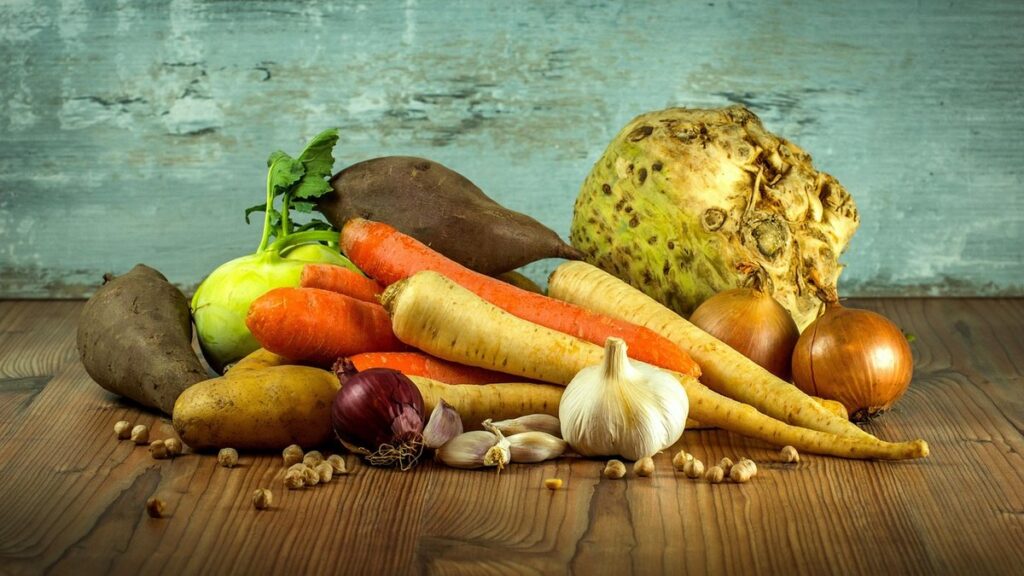
When cooking authentic Italian meals at home, it’s essential to have a well-stocked pantry with fundamental ingredients that form the backbone of Italian cuisine. Start by investing in high-quality olive oil, which is the foundation of many Italian dishes. Look for Italian extra-virgin olive oil (EVOO) or Tuscan olive oil, as they offer distinct flavor profiles.
Next, build your herb collection with staples like basil, oregano, thyme, and rosemary. Fresh herbs are ideal, but dried options work well too. Store them in a cool, dry place to preserve their flavor and aroma. Garlic is another fundamental ingredient; choose high-quality, firm bulbs for the best results.
When selecting ingredients, remember that quality matters. Opt for Italian-made products whenever possible, as they often adhere to traditional methods and use authentic ingredients. For example, look for Italian Parmesan cheese (Parmigiano-Reggiano) or prosciutto di Parma for an authentic taste experience.
Your pantry should also include a variety of canned goods like San Marzano tomatoes and artichoke hearts, which are commonly used in Italian cooking. By stocking these essential ingredients, you’ll be well on your way to creating delicious, authentic Italian meals at home.
Regional Flavor Profiles to Elevate Your Dishes
When cooking Italian meals at home, it’s essential to incorporate regional flavor profiles to elevate your dishes and achieve authenticity. Italy has a rich culinary diversity, with distinct flavors and ingredients found in different regions.
To balance flavors, consider the concept of “fieri” (few) and “pochi” (many), which refers to the delicate balance between the few quality ingredients used in Italian cooking versus the abundance of flavors often present in modern dishes. For instance, a classic Caprese salad from Campania features just three simple yet flavorful ingredients: fresh mozzarella, vine-ripened tomatoes, and fragrant basil.
To infuse your dishes with regional flavor profiles, focus on specific ingredients characteristic to each region. The north is known for rich sauces made with butter, cream, or game meats, while the south boasts a lighter Mediterranean diet with an emphasis on olive oil, garlic, and herbs. Experimenting with these unique flavor combinations will transport your guests to the heart of Italy.
For example, add a pinch of Sicilian saffron to enhance the color and aroma of pasta dishes, or incorporate Ligurian pesto for a rich and herby sauce. By embracing regional flavors, you’ll bring authenticity and depth to your Italian cooking.
Frequently Asked Questions
How can I customize my Italian meal to suit my dietary preferences?
You can easily adapt Italian recipes to accommodate various dietary needs by substituting ingredients with healthier alternatives, such as using gluten-free pasta or opting for vegetarian protein sources like eggplant or portobello mushrooms. Additionally, you can swap out traditional cheeses for dairy-free options or choose lean meats to make your meal more balanced.
What are some essential pantry staples that I must have for authentic Italian cooking?
In addition to the staples mentioned in our guide, such as olive oil and fresh herbs like basil and oregano, don’t forget to stock up on quality ingredients like Arborio rice for risottos, cannellini beans for soups, and good-quality Parmesan cheese. These building blocks will help you create authentic Italian dishes with ease.
How can I balance the flavors in my Italian dishes when working with strong ingredients like garlic or tomatoes?
When using bold ingredients like garlic and tomatoes, remember that less is often more. Start with a small amount and taste as you go, adjusting seasoning to achieve a harmonious balance of flavors. Also, consider pairing these strong ingredients with complementary elements like herbs, citrus, or creamy sauces to create a well-rounded taste experience.
Can I use pre-made pasta sauce or pizza dough for authentic Italian cooking?
While convenience is tempting, using pre-made pasta sauce or pizza dough may compromise the authenticity and quality of your dish. For an elevated Italian culinary experience, consider making your own sauces and dough from scratch, which will allow you to control the ingredients and flavor profile.
How can I create a visually appealing Italian-inspired table setting for my dinner party?
Set the mood with a warm and inviting ambiance by incorporating traditional Italian elements like candles, fresh flowers, and rustic ceramics. Arrange your dishes in a way that showcases their presentation, such as placing a beautifully garnished risotto or pasta dish at the center of the table. Don’t forget to add some authentic Italian music to create an immersive atmosphere for your guests.