The sighting of the crescent moon is a crucial event in determining the dates for Eid celebrations around the world. In Islamic cultures, the new month begins with the sighting of the first sliver of the moon after Ramadan, marking the start of Eid al-Fitr or Eid al-Adha. The exact timing and location of this sighting can have significant implications for traditional practices and festivities. Different communities may rely on various methods to determine the correct date, from official announcements to personal observations. In this article, we’ll explore how lunar cycles influence Eid dates, traditions, and celebrations in Islamic cultures, including the significance of moon-sighting and its impact on daily life.
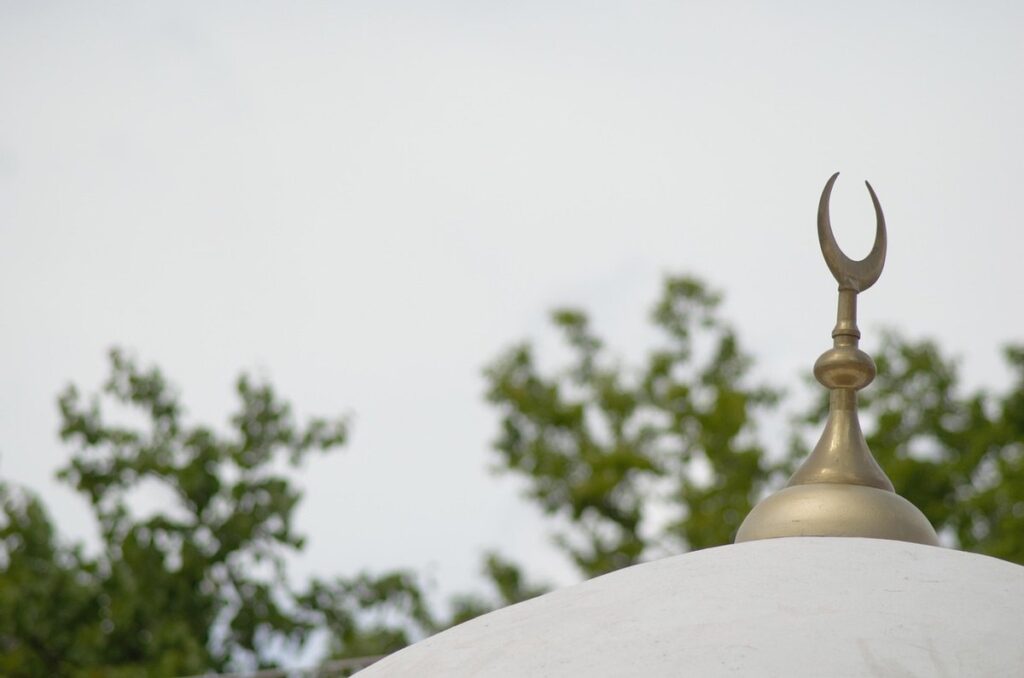
Understanding the Connection between the Moon and Eid
The moon has long been a significant symbol in Eid celebrations, but what exactly is its connection to these sacred holidays? Let’s explore how lunar cycles influence this joyous time of year.
The Importance of Lunar Cycles in Islamic Traditions
In Islamic cultures, the moon serves as a crucial indicator for marking the beginning of new months and years. The lunar cycle is used to determine the timing of Eid celebrations, ensuring that the festivities align with the sacred calendar. Each month begins on the sighting of the crescent moon, after which the new month is declared.
To identify the start of a new month, Muslims look for the crescent moon in the western sky shortly after sunset. This practice dates back to the Prophet Muhammad’s time and has been passed down through generations. By aligning their celebrations with the lunar cycle, Muslims honor the tradition of following the natural world as a way to connect with the divine.
In many countries, mosques and community centers organize special moon-sighting events, where observers gather to search for the crescent moon together. This collective effort fosters a sense of community and shared purpose among Muslims worldwide. By embracing the lunar cycle, Eid celebrations become a tangible connection between nature, faith, and tradition.
The Role of the Crescent Moon in Identifying Eid Dates
Sighting the crescent moon is a critical step in determining the start date of Eid. In Islamic tradition, the sighting of the new moon marks the beginning of the new month, and therefore, the start of Eid celebrations. The visibility of the crescent moon is essential because it indicates that the new month has begun, and Muslims can break their fast and begin their celebrations.
The process of sighting the crescent moon involves gathering at a high vantage point, ideally with clear views of the horizon, to spot the thin crescent shape. This tradition allows communities to come together and witness the beginning of Eid as one collective body. The sighting is usually confirmed by multiple witnesses before it’s declared officially.
In modern times, technology has made it easier for people to verify moon sightings remotely. However, many Muslims still prefer the traditional method of physically witnessing the moon together with their community. This communal aspect of moon-sighting adds a sense of shared experience and spiritual connection to Eid celebrations.
The History of Eid Celebrations and Their Connection to the Moon
The history of Eid celebrations is deeply intertwined with the lunar calendar, with the Islamic month of Ramadan marking a significant turning point in this tradition. Let’s take a closer look at how the moon has influenced the timing and significance of Eid festivities.
Origins of Eid: A Brief Historical Overview
Eid celebrations have their roots in pre-Islamic Arabia, where tribes would come together to mark the end of Ramadan with feasts and gift-giving. The Islamic tradition of Eid al-Fitr, which marks the completion of a month of fasting, is believed to have been introduced by the Prophet Muhammad in the 7th century. Initially, Eid dates were determined based on astronomical observations of the moon’s phases.
As Islam spread throughout the world, local customs and traditions were incorporated into Eid celebrations. For example, in Turkey, Eid al-Fitr is still known as “Seker Bayrami,” or “Sugar Festival,” reflecting the tradition of breaking fasts with sweet treats. Similarly, in some African countries, Eid is celebrated with traditional dances and music.
The Islamic calendar, which determines the dates of Eid, is a lunar calendar that is based on the cycles of the moon. This means that the timing of Eid celebrations varies each year due to the 354-day lunar cycle compared to the 365-day solar year. In modern times, the use of satellite imaging and astronomical calculations has made it easier to accurately determine the start of Ramadan and Eid. However, in some countries, traditional methods of moon-sighting are still used to confirm the beginning of the new month.
How the Moon Influenced Early Eid Celebrations
In the early days of Eid celebrations, lunar cycles played a crucial role in determining the timing of these significant events. The Islamic calendar, which is based on lunar months, dictated the exact date of Eid. Observers would carefully watch for the thin crescent moon to appear in the sky, marking the beginning of a new month and signaling the start of Eid celebrations.
To accurately determine the sighting of the crescent moon, observers would typically ascend high vantage points such as hills or mountains. This allowed them to spot the moon earlier than those in lower-lying areas. The sighting of the moon was often confirmed through a series of announcements made from mosque minarets or town criers.
The use of lunar cycles for timing Eid celebrations is still observed today, particularly in countries where traditional methods of moon-sighting are prevalent. While modern technology has introduced more precise methods of calculating lunar dates, many communities continue to rely on the traditional practice of moon-sighting as a way to connect with their heritage and spiritual traditions.
The Significance of the Moon in Eid Prayer and Rituals
The moon plays a pivotal role in Eid prayer and rituals, serving as a reminder of God’s creation and the interconnectedness of our lives. Let’s examine its significance in these sacred practices.
The Importance of Moon-Sighting in Eid Prayers
In many Muslim communities, the sighting of the crescent moon is a crucial step before holding Eid prayers. This practice has its roots in Islamic tradition, where the lunar cycle plays a significant role in determining the timing of important events and celebrations. The sighting of the moon serves as a visual confirmation that a new month has begun, which is essential for calculating the date of Eid.
For Muslims, the sighting of the crescent moon is not just about marking the passage of time but also about connecting with their faith and community. It’s an opportunity to come together with family and friends to perform collective prayers and seek blessings from Allah. In many mosques, special arrangements are made for Eid prayers, which often take place outdoors or in large congregational halls.
To ensure that Eid prayers can be held on time, Muslim communities around the world work together to sight the crescent moon. This collective effort involves astronomers, imams, and community leaders who coordinate efforts to spot the new moon’s emergence. The process may vary depending on geographical location and cultural practices, but its underlying significance remains the same: it’s a celebration of faith, community, and renewal.
Moon-Inspired Eid Traditions: A Look at Global Practices
In many parts of the world, Eid celebrations are marked by vibrant decorations and colorful displays inspired by the moon’s cycles. In Indonesia, for example, homes are adorned with intricate lanterns and intricately designed prayer mats that reflect the beauty of the lunar landscape. Similarly, in Malaysia, people exchange gifts wrapped in decorative paper featuring motifs of crescent moons and stars.
In some countries, Eid celebrations begin with a special ceremony to mark the sighting of the new moon. In these traditions, families gather together to share meals and exchange gifts as they welcome the new lunar cycle. This emphasis on community and shared celebration underscores the deep spiritual significance of the moon in Eid traditions.
Eid decorations also often feature symbolic motifs related to the moon’s cycles, such as the phases of the moon or Islamic geometric patterns inspired by celestial bodies. These designs serve as a reminder of the harmony between nature and faith that is central to Eid celebrations. By incorporating these lunar-inspired themes into their decorations and traditions, families can deepen their connection to the spiritual significance of the moon in Eid celebrations.
The Cultural and Symbolic Significance of the Moon in Eid Celebrations
The moon holds a special place in Eid celebrations, with its phases often symbolizing spiritual growth and renewal. Let’s examine how its cultural significance is woven into the traditions surrounding these joyous occasions.
The Moon as a Symbol of Hope and Renewal
In many cultures and traditions, the moon is a powerful symbol of hope and renewal. During Eid celebrations, it’s common to see decorations and motifs inspired by the lunar cycle. For example, intricate paper cutouts or lanterns adorned with crescent shapes are often hung from ceilings or windows. These designs serve as reminders that the end of Ramadan marks not only the completion of a month-long fast but also the beginning of a new chapter.
The moon’s association with hope and renewal is deeply rooted in Islamic tradition. The Quran emphasizes the importance of looking to the night sky for guidance and inspiration, stating “He it is Who made the stars as decorations for the heaven, and an illumination” (67:5). This verse highlights the celestial body’s role in providing light, comfort, and reassurance.
In Eid celebrations, people often express gratitude for the blessings they’ve received during Ramadan. They also acknowledge the cycle of growth and renewal that the moon represents – from its new moon phase to its full illumination. By embracing these themes, individuals can tap into a deeper sense of spirituality and connection with their faith community.
Lunar-Inspired Eid Decorations and Traditions
In many Muslim communities around the world, the moon’s cycles inspire a wide range of creative and meaningful decorations and traditions during Eid celebrations. One popular example is the use of crescent-shaped lanterns, often hung from windows or placed on doorsteps to welcome the new month. These delicate ornaments are not only aesthetically pleasing but also serve as a reminder of the importance of moon-sighting in identifying the start of Eid.
Festive foods also play a significant role in lunar-inspired traditions. For instance, many families prepare dishes that resemble the crescent shape, such as crescent-shaped cookies or cakes adorned with a single slice of fruit to symbolize the new moon. Others opt for meals served under the light of the full moon, highlighting the significance of the lunar cycle in Eid celebrations.
In addition to decorations and food, some communities also engage in unique cultural practices that reflect their connection to the moon’s cycles. For example, in some parts of the world, families participate in traditional moon-gazing ceremonies on the night preceding Eid, where they share stories and blessings under the light of the full moon.
Moon-Based Activities for Eid Celebrations
For many Muslims, observing moon-based activities is a crucial part of Eid celebrations. Let’s explore how you can incorporate traditional practices into your own holiday traditions.
Fun Moon-Themed Activities for Families and Friends
Organize a moon-gazing party where family and friends can spot the crescent moon together. You can even set up telescopes or binoculars for a closer look. To make it more engaging, create a scavenger hunt with clues related to the lunar cycle. For example, “Find something in nature that changes shape with the seasons” or “Discover an object that reflects the light of the moon.”
Plan a moon-themed meal together, incorporating traditional Eid dishes with a lunar twist. For instance, serve dates and nuts, which are often associated with the night of Laylat al-Mi’raj, when the Prophet Muhammad (peace be upon him) is said to have ascended to heaven. You can also create a “moon pie” by layering ingredients like crescent-shaped cookies, chocolate, and cream.
Consider hosting a storytelling session where family members share their favorite Eid traditions and how they relate to the lunar cycle. This can be a heartwarming way to connect with one another and appreciate the spiritual significance of the moon in Eid celebrations.
Moon-Inspired Crafts and DIY Projects for Eid Decorations
Moon-inspired crafts and DIY projects can add a unique touch to Eid decorations. Consider creating crescent moon-shaped lanterns using paper or metal, and hang them from windows or doors. You can also make a lunar-themed centerpiece by arranging pebbles or beads in a crescent shape on a decorative plate.
For a more interactive project, have children create their own moon phase mobiles using construction paper or cardstock cutouts of the different moon phases. This activity teaches kids about the various stages of the moon while creating a beautiful decoration for Eid celebrations.
When it comes to decorating your home, you can use moon-inspired colors like soft blues and grays to create a calming atmosphere. Add some twinkling string lights or fairy lights to mimic the stars in the night sky. You can also display pictures or prints of the full moon during different times of the year to highlight the significance of the lunar cycle in Eid celebrations.
Some other ideas include making moon-themed cookies, creating a lunar-inspired photo booth with props, and even setting up a DIY crescent moon sundial using sticks and a stick-on sundial template.
Challenges and Innovations in Identifying the Start of Eid Based on Lunar Cycles
Accurately determining the start of Eid based on lunar cycles can be a complex task, and various innovations have emerged to simplify this process for Muslims around the world. From traditional methods to modern technologies, we’ll explore these developments.
The Challenge of Sighting the Crescent Moon in Modern Times
Advances in technology have made it possible to identify the start of Eid more accurately and efficiently. This has been particularly crucial in modern times when people are increasingly spread out across different time zones and geographical locations. However, despite these advancements, sighting the crescent moon still poses a significant challenge.
One of the main difficulties is that the visibility of the crescent moon depends on various factors such as atmospheric conditions, lunar cycles, and geographical location. This can lead to discrepancies in sighting times between different regions, making it difficult for people to determine when Eid begins.
To address this issue, many countries have adopted a centralized system for announcing the start of Eid. In some places, mosques and Islamic centers use telescopes and other astronomical equipment to sight the crescent moon, ensuring that the announcement is accurate and synchronized across the region. This approach has helped minimize confusion and ensured that people can plan their celebrations accordingly.
The Role of Science in Accurately Determining the Timing of Eid
Astrophysicists use computer models to determine when the crescent moon will be visible from a specific location on Earth. These models take into account variables like the moon’s orbital path, its angular velocity, and the observer’s geographical coordinates. By applying these calculations, scientists can pinpoint the exact moment when the crescent moon becomes visible in the sky.
This approach is particularly useful for communities that rely heavily on traditional methods of moon sighting, which can be influenced by factors such as weather conditions, time zones, and individual observational skills. For instance, a single observer may miss the first sighting of the crescent moon due to fog or haze, but computer models can account for these variables.
To ensure accuracy, some organizations combine mathematical calculations with input from multiple observers across different regions. This collective effort allows them to verify the visibility of the crescent moon and announce the start date of Eid celebrations with greater certainty.
Conclusion: Celebrating the Harmony between the Moon and Eid
The harmony between the moon and Eid is a profound aspect of Islamic tradition, where the lunar cycle is intricately linked with the celebration of this sacred occasion. The sighting of the crescent moon marks the beginning of Eid, signaling the end of Ramadan, a month of fasting and spiritual growth. This celestial event serves as a reminder of God’s creation and the interconnectedness of the universe.
The moon’s presence during Eid festivities is not merely symbolic; it reinforces the notion that our lives are inextricably tied to nature’s rhythms. As we gather with loved ones, share meals, and exchange gifts, we acknowledge the beauty of creation and the divine hand that governs it.
Frequently Asked Questions
How to Adapt Moon-Based Activities for Eid Celebrations with Different Age Groups?
The article provides engaging activities and crafts for families and friends to enjoy together during Eid. However, it’s unclear how these ideas can be adapted for different age groups, such as young children or elderly individuals.
Adapting moon-based activities for various age groups requires creativity and consideration of their interests and abilities. For instance, younger children might enjoy making paper plate moons or singing lunar-themed songs, while older adults could participate in more subdued activities like writing poetry about the moon’s significance in Eid celebrations.
Can I Use Technology to Help Identify the Start Date of Eid?
The article discusses the challenges of sighting the crescent moon and new methods being developed for accurate timing. But can technology be used to assist with identifying the start date of Eid, or is it still primarily a manual process?
Yes, technology can indeed aid in identifying the start date of Eid. Many apps and websites now offer lunar calendar features that help determine the exact timing of Eid based on moon-sighting. These tools can also provide valuable insights into Islamic traditions and practices surrounding Eid celebrations.
How Do I Incorporate Moon-Sighting into My Personal Eid Celebrations?
The article highlights the significance of moon-sighting in many Muslim communities, but it’s unclear how individuals can incorporate this practice into their own personal celebrations.
Incorporating moon-sighting into your personal Eid celebrations involves setting aside time to observe and reflect on the lunar cycle. This might involve checking for the crescent moon with a telescope or binoculars, attending local Eid gatherings where moon-sighting is practiced, or simply taking a moment of silence to appreciate the significance of this tradition.
What If I Missed the Opportunity to Sighting the Crescent Moon?
The article discusses the challenges of sighting the crescent moon and new methods being developed for accurate timing. But what if someone misses the opportunity to sight the moon?
Missing the opportunity to sight the crescent moon is not uncommon, especially in modern times with varying weather conditions and geographical locations. In such cases, individuals can refer to lunar calendars or consult with local Islamic authorities to determine the start date of Eid.
Can I Celebrate Eid without Participating in Traditional Moon-Based Activities?
The article showcases various moon-inspired traditions and activities surrounding Eid celebrations. However, it’s unclear whether one can celebrate Eid without participating in these customs.
Yes, you can still celebrate Eid without participating in traditional moon-based activities. Eid is a time for spiritual reflection, renewal, and community bonding, which can be achieved through various means beyond lunar cycle observations.