Imagine strolling through a charming Korean village, surrounded by traditional thatched-roof houses and tranquil gardens. Namsangol Hanok Village in Seoul, Korea is just such a place, where you can immerse yourself in centuries-old culture and architecture. This unique destination showcases the essence of traditional Korean life, offering a glimpse into the country’s rich history and heritage. You’ll be able to explore several restored hanok (traditional Korean houses) that date back to the Joseon Dynasty, each one filled with authentic furnishings and decor. By visiting Namsangol Hanok Village, you can experience the beauty of traditional Korea firsthand. In this article, we’ll delve into the significance of this village, provide directions on how to get there, and share tips for planning your visit at the best time of year.
Understanding Namsangol Hanok Village
Located on the foothills of Mount Namsan, Namsangol Hanok Village is a tranquil oasis that offers a glimpse into Seoul’s rich cultural heritage. Here, you’ll discover its unique history and charm.
Brief History of the Village
Namsangol Hanok Village has a rich and poignant history. Built in 1949 as a temporary home for Korean War refugees, it served as a vital shelter during a time of great uncertainty. The village was initially constructed to provide basic necessities such as food, water, and shelter for those displaced by the war.
In 1955, the village was relocated to its current site within Namsan Park. This relocation marked a new chapter in the village’s history, allowing it to be preserved and restored as a cultural treasure. Today, visitors can see traditional Korean houses that date back to this period, offering a glimpse into the lives of those who called the village home.
The preservation efforts have been remarkable, with many of the original structures still standing. The village’s relocation also allowed for the creation of walking paths and gardens, making it easier for visitors to explore and appreciate its charm. As you wander through Namsangol Hanok Village, remember that these traditional homes were once temporary shelters for those seeking refuge.
Architectural Significance
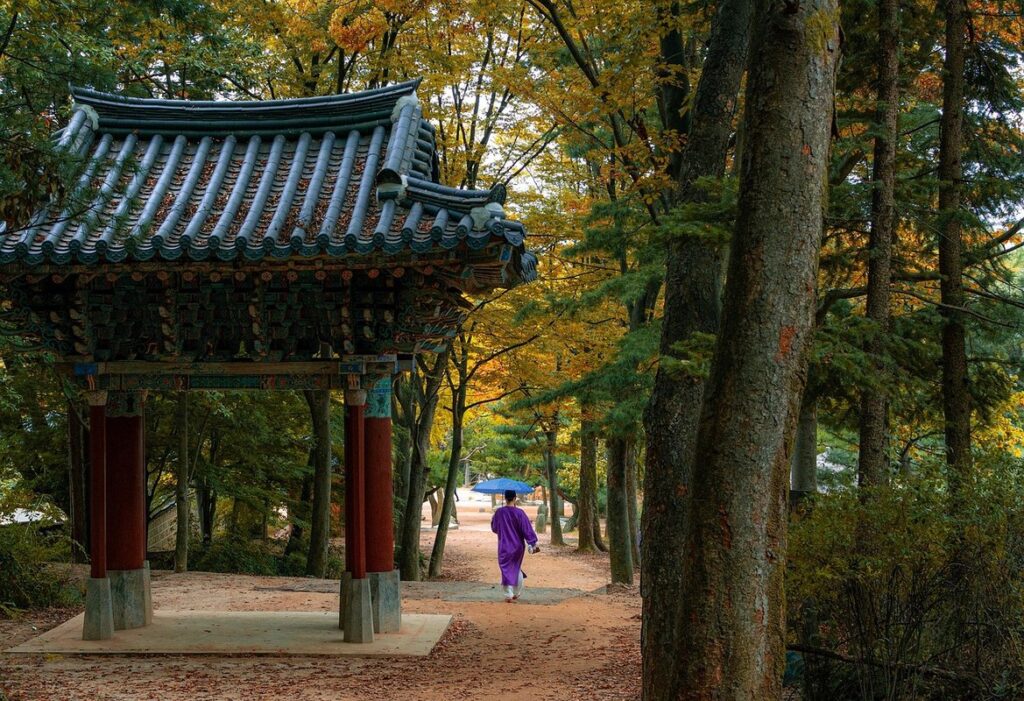
Namsangol Hanok Village is a masterpiece of traditional Korean architecture, with many of its buildings dating back to the 14th century. The village’s design and layout are meticulously crafted to resemble those of traditional Korean villages from the Joseon era. Visitors can walk along the village’s winding paths and take in the sights of intricately tiled roofs, wooden gates, and stone walls.
The hanok architecture on display is a testament to Korea’s rich cultural heritage. Many of the buildings have been preserved and restored to their original state, complete with traditional Korean furnishings and decorations. The village’s layout also features traditional Korean gardens, which are designed to blend seamlessly into the surrounding landscape.
One notable aspect of Namsangol Hanok Village’s architecture is its use of traditional Korean building materials, such as hanji (traditional Korean paper) and wood. These materials not only add to the village’s aesthetic charm but also reflect Korea’s long-standing commitment to sustainable and eco-friendly building practices.
Getting to Namsangol Hanok Village
Getting to Namsangol Hanok Village is relatively straightforward, thanks to its convenient location within Seoul’s Namsan Park. We’ll guide you through your transportation options and directions from the park entrance.
Transportation Options
Visitors can reach the village by taking bus number 371 or 472 from various locations in Seoul. The most convenient option is to take bus number 371 from Myeong-dong, which stops right outside the village entrance. This route is particularly popular with tourists due to its directness and frequent departures.
Alternatively, you can take bus number 472 from Gwanghwamun, which takes a slightly longer route but offers scenic views of the city along the way. Both buses have designated stops near major tourist attractions, making it easy to incorporate a visit to Namsangol Hanok Village into your itinerary.
When taking the bus, be sure to check the schedule in advance and plan your trip accordingly. You can also use the Seoul City Bus app or website to track bus arrival times and routes in real-time. Keep an eye out for the distinctive green roofs of the traditional Korean houses as you approach the village – a visual cue that you’re getting close to this charming destination.
Directions and Map
To get to Namsangol Hanok Village, you can rely on a clear map of the surrounding area available online. This digital guide provides precise directions to help you find your way to the village. For those who prefer a more leisurely approach, the village is also within walking distance from Namsan Tower.
When using the online map, look for the designated path leading from the tower’s vicinity directly to the village. The route is relatively short and straightforward, making it accessible on foot. Keep in mind that navigating through the village itself can be a bit more challenging due to its narrow streets and traditional layout.
If you’re planning to walk, consider taking in the sights along the way – Namsan Park’s scenic trails offer picturesque views of the surrounding landscape. Be sure to check the opening hours and admission fees for the village before your visit to plan your itinerary accordingly. With a little preparation and some basic knowledge of the area, finding Namsangol Hanok Village is relatively easy.
Exploring the Village
As we wander through Namsangol Hanok Village, you’ll discover a charming collection of traditional Korean houses and gardens that showcase a bygone era’s simple elegance.
Each historic hanok has been carefully restored to its former glory, offering a glimpse into the lives of Seoul’s ancestors.
Traditional Korean Houses
As you wander through Namsangol Hanok Village, you’ll have the chance to enter some of the 58 traditional hanok houses on display. Each one is uniquely decorated and furnished, giving visitors a glimpse into what life was like for Korean families during the Joseon Dynasty era. You might notice the intricately carved wooden details, the traditional Korean bedding and clothing hung out to dry, or the family altars where ancestors were revered.
Some of these homes have been restored to their original state, while others are more modern interpretations of traditional design. Regardless, they offer a fascinating glimpse into Korea’s rich cultural heritage. As you step inside one of these hanok houses, take note of the low ceilings and compact spaces – a testament to the practicality and resourcefulness of Korean architecture.
You can even enter some of these homes through guided tours or on your own, giving you time to absorb every detail and imagine what daily life was like for those who lived there. Be sure to look out for traditional Korean decorative elements, such as hanji (traditional paper) art and jangdokdae (wooden storage containers).
Cultural Performances
Namsangol Hanok Village offers a unique and immersive experience through its cultural performances. The village hosts a variety of traditional Korean arts throughout the year, including music, dance, and theater performances. These events are an excellent opportunity for visitors to learn about Korea’s rich cultural heritage.
Some of the most popular performances include folk dances such as the Namsadang Nori, which showcases acrobatic and martial arts skills. You can also catch traditional Korean instrumental music performances, like pansori or gayageum. Additionally, the village often hosts theater performances that retell ancient myths and legends.
In terms of specific dates, it’s best to check the village’s official website or consult with a local guide for the most up-to-date information on performance schedules. Some performances may also be held during special events and festivals, such as the annual Namsangol Hanok Village Cultural Festival.
Activities and Events
Whether you’re a fan of traditional Korean culture or just looking for something unique to do, Namsangol Hanok Village offers a variety of activities to enjoy. From cultural performances to traditional crafts workshops.
Cultural Workshops
In addition to immersing yourself in traditional Korean culture through performances and architectural marvels, Namsangol Hanok Village offers a unique opportunity to engage with local artisans and learn traditional crafts. The village hosts cultural workshops where visitors can participate in hands-on activities such as hanji paper making or woodblock printing.
During these workshops, you’ll be guided by experienced instructors who will share the techniques and stories behind these timeless crafts. You might find yourself learning about the intricacies of hanji production, from selecting the finest mulberry bark to creating intricate patterns through a combination of manual labor and traditional tools. Alternatively, you could discover the art of woodblock printing, where local designs are carved into wooden blocks before being stamped onto paper.
Some workshops may focus on specific themes or skills, such as decorating hanji with natural dyes or creating traditional Korean masks. The schedule varies depending on the season and availability of materials, so it’s best to check with the village staff for a list of upcoming workshops and to reserve your spot in advance.
Seasonal Festivals
One of the most exciting aspects of visiting Namsangol Hanok Village is experiencing its seasonal festivals. Throughout the year, the village comes alive with vibrant colors and lively festivities that celebrate the changing seasons. In spring, the Cherry Blossom Festival is a breathtaking spectacle, with thousands of cherry blossom trees blooming in perfect harmony. Visitors can stroll through the village’s beautiful gardens, take in the stunning views, and enjoy traditional tea ceremonies.
In the fall, the Autumn Leaf Festival is a kaleidoscope of warm colors, as the changing leaves paint the village with vibrant hues of orange, red, and yellow. The festival features live music performances, traditional Korean food stalls, and a chance to try your hand at making autumn-themed crafts. Visitors can also explore the village’s historic houses, adorned with seasonal decorations and fragrant aromas.
Both festivals offer a unique opportunity to immerse yourself in Korean culture and traditions. Be sure to check the village’s schedule for festival dates, as they often coincide with peak bloom times or other special events. Even if you’re not visiting during a major festival, the village’s tranquil atmosphere and beautiful scenery make it a worthwhile destination any time of year.
Food and Drink
When exploring Namsangol Hanok Village, it’s essential to fuel up on traditional Korean cuisine that reflects the area’s rich heritage. From street food to local eateries, discover our favorite spots for a delicious meal.
Traditional Korean Cuisine
Namsangol Hanok Village offers an authentic taste of traditional Korean cuisine within its historic grounds. Visitors can try a variety of dishes at one of the many restaurants located throughout the village. Be sure to sample some local specialties, such as ginseng chicken soup (samgyetang) or kimchi stew (kimchi jjigae). These spicy stews are made with fermented kimchi and are a staple in Korean cuisine.
For those looking for a more substantial meal, consider trying bibimbap, a rice bowl dish topped with an assortment of vegetables and meat. Another popular option is Japchae, a stir-fried noodle dish made from sweet potato starch noodles. Many of the restaurants within the village also offer vegetarian options, such as bulgogi (marinated beef) made with tofu instead.
Some restaurants may have limited English menus or special dietary restrictions, so it’s always a good idea to ask your server for recommendations and to double-check what ingredients are used in each dish. Trying traditional Korean cuisine is a big part of the Namsangol Hanok Village experience – be adventurous and try new things!
Local Street Food
When exploring Namsangol Hanok Village, visitors can indulge in a variety of local street food options. These vendors offer traditional Korean snacks that are easy to eat on-the-go and provide a delicious break from the village’s cultural attractions. Tteokbokki is one popular option – chewy rice cakes slathered in a sweet and spicy sauce that’s impossible to resist.
For those with a sweet tooth, hotteok is another treat worth trying. These crispy pancakes are stuffed with cinnamon sugar, honey, and other spices, making for a satisfying snack. Many vendors also offer variations on these classic snacks, so be sure to ask about any unique flavors or ingredients.
One tip for sampling local street food is to look for stalls that display their menu items in Korean and English. This ensures that you can easily understand the options available and make informed choices. Don’t be afraid to try new things – many vendors are happy to accommodate special requests or offer recommendations based on your dietary preferences.
Tips and Essentials
To make the most of your visit, we’ve gathered a few insider tips and must-see attractions to help you navigate Namsangol Hanok Village like a local. From etiquette to hidden gems, don’t miss these essentials!
Best Time to Visit
Visit Namsangol Hanok Village during the spring season (March to May) when the cherry blossoms are in full bloom. The mild temperatures and gentle breeze make it an ideal time for a leisurely stroll through the village. Take in the vibrant colors of the blooming flowers as you walk along the winding paths, exploring each traditional Korean house.
In the fall season (September to November), the warm sun and comfortable humidity create perfect weather for immersing yourself in the village’s cultural atmosphere. The autumn foliage adds a picturesque backdrop to your visit, with the changing leaves creating a kaleidoscope of colors against the thatched roofs of the hanok houses.
Both seasons offer pleasant temperatures, ranging from 15°C to 25°C (59°F to 77°F), making them ideal for walking and exploring the village. Avoid visiting during peak summer months when the heat can be sweltering, and winters can be quite chilly. Plan your visit accordingly, taking into account the seasonal activities and events that may interest you, such as traditional performances or cultural workshops.
Admission Fees and Hours
To plan your visit to Namsangol Hanok Village effectively, it’s essential to check the official website for up-to-date information on admission fees and hours of operation. This will ensure you’re prepared for your trip and can make the most of your time at the village.
Admission fees are typically modest, with adults paying around 1,000-2,000 KRW (approximately $0.80-$1.60 USD) per person, while children and seniors may pay a reduced rate or enter for free in some cases. The official website will also provide information on any special events or festivals that may be happening during your visit.
When planning your itinerary, consider visiting the village between 10 am and 4 pm when it’s typically open. However, these hours are subject to change, especially during seasonal festivals or special exhibitions. To confirm the latest opening times and admission fees, visit the official website before your trip. You can also check for any additional information on guided tours or cultural performances that may be available during your visit. Be sure to plan ahead to make the most of your time exploring Namsangol Hanok Village.
Frequently Asked Questions
Can I bring my stroller or wheelchair to Namsangol Hanok Village?
Yes, the village is relatively flat and easy to navigate with mobility aids. However, some areas may be slightly uneven or narrow, so it’s best to check with staff upon arrival for any specific accessibility concerns.
What if I get lost in the village? Are there signs or guides available?
While the village has clear signage and maps, it’s not uncommon for visitors to get turned around due to its size. If you’re feeling disoriented, don’t hesitate to ask one of the friendly staff members for directions or assistance – they’ll be happy to help.
Can I take a guided tour at Namsangol Hanok Village?
While self-guided exploration is encouraged, guided tours are available in Korean and English. These tours provide valuable insights into the village’s history, architecture, and cultural significance, making them an excellent choice for visitors looking to deepen their understanding of this unique destination.
Are there any special events or festivals happening during my visit that I should know about?
While the article mentions some seasonal festivals, it’s always a good idea to check with the official website or ask staff at the village for up-to-date information on any special events or closures during your planned visit. This will ensure you make the most of your time there.