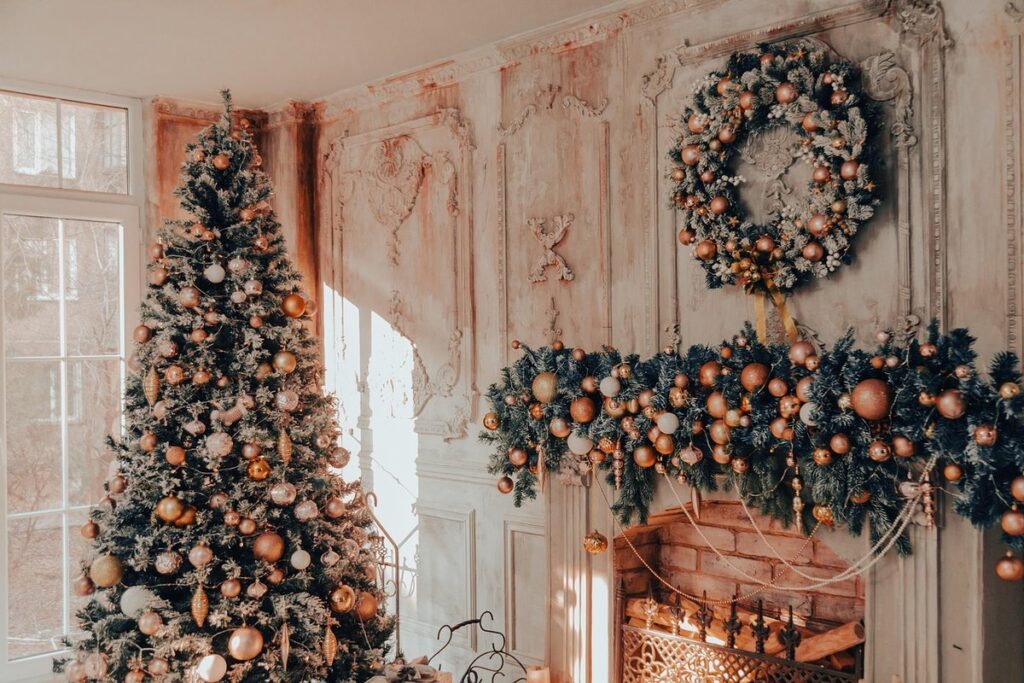
Noël Christmas in France is a time-honored tradition that brings families, friends, and communities together to celebrate the magic of the season. For many French people, Noël is more than just a holiday – it’s a way of life. From the twinkling lights on the Eiffel Tower to the festive markets selling delicious food and drinks, Noël is a time of joy and indulgence in France. At its core, Noël Christmas is about sharing love, warmth, and traditions with those around you. In this article, we’ll explore the rich history behind Noël’s origins, delve into its modern-day celebrations, and take a closer look at the unique customs and festivities that make this time of year so special in France. By the end of this journey through Noël Christmas, you’ll have a deeper understanding of what makes this festive season truly unforgettable.
History and Origins of Noël
The history of Noël is steeped in ancient traditions, with roots dating back to medieval France. Let’s take a journey through time to uncover its fascinating origins.
The Pre-Christian Roots of Winter Celebrations
Winter festivals and celebrations have a rich history that predates Christianity. In fact, many of the traditions we associate with Christmas today were influenced by ancient Roman and Germanic customs. The Romans, for instance, observed the festival of Saturnalia in December, which involved feasting, gift-giving, and merriment. This was a time of great revelry, with social norms often turned upside down.
Similarly, the Germanic tribes of Northern Europe celebrated Yule, a midwinter festival that marked the longest night of the year. During Yule, families would come together to share food, drink, and stories around the fire. The festival also involved the exchange of gifts, as well as rituals to ensure the return of the sun.
As Christianity spread throughout Europe, many of these pre-existing traditions were incorporated into Christmas celebrations. The Roman festival of Sol Invictus, for example, was celebrated on December 25th and marked the birth of the “unconquered sun.” This convergence of pagan and Christian practices has contributed to the complex and multifaceted nature of modern-day Christmas traditions. By understanding these pre-Christian roots, we can appreciate the depth and richness of Noël’s history.
Early Christian Influences on Noël
Early Christian communities were heavily influenced by pre-existing pagan traditions when establishing their own holiday celebrations. In southern Gaul (modern-day France), Christmas coincided with ancient festivals honoring Saturn and Sol Invictus, a Roman sun god. As Christianity spread throughout the region, early Christians merged these customs with Christian teachings to create Noël.
One significant example is the adoption of the Advent wreath. This tradition originated in pre-Christian Germany as a symbol of light and life during the longest nights of winter. Early Christians incorporated this practice into their own celebrations, associating it with the coming of Christ. Today, you can still find French families adorning their homes with candles and fir branches during Noël.
The merging of pagan customs also influenced the timing of Christmas celebrations. In ancient Rome, festivals honoring Saturn typically took place in mid-December. Early Christian communities chose to retain this date for their own holiday, which helped to ease the transition from pre-Christian to Christian practices. This blending of traditions is a hallmark of Noël’s unique character and continues to shape French Christmas customs today.
Traditional French Christmas Food
Noël wouldn’t be complete without indulging in some of France’s most beloved traditional Christmas treats, from sweet Bûche de Noël to savory Foie Gras. You’ll find a taste of la vie en rose in these classic French holiday dishes.
Specialties from Alsace and Lorraine
In Alsace and Lorraine, two regions in northeastern France, traditional Christmas cuisine is a reflection of their rich cultural heritage. The area’s unique history, shaped by Germanic influences and French traditions, is evident in its festive dishes. One standout specialty from the region is Tarte aux Quetsches, a tart filled with sweet cherries that are typically harvested during the winter months. This dessert has been a Christmas staple since the 18th century.
In Lorraine, another famous Christmas treat is Galette des Rois, a flaky pastry cake made with frangipane filling, usually almond paste or cherry jam. It’s traditionally served on January 6th to celebrate Epiphany. The tradition of exchanging gifts and eating this cake dates back to the Middle Ages.
When preparing these regional specialties for Christmas, consider incorporating local ingredients like honey, spices, and fruit preserves. These flavors not only add depth but also connect you to the history and culture behind each dish.
Bûche de Noël: The Classic French Christmas Dessert
Bûche de Noël is a quintessential French Christmas dessert that dates back to the 17th century. Its origins are rooted in the tradition of serving elaborate desserts at special occasions, but it’s believed to have been inspired by the Yule log, a symbol of good luck and prosperity in many cultures. The name “Bûche de Noël” translates to “Christmas log” in French.
Traditionally, Bûche de Noël is made from genoise or sponge cake, which is soaked in buttercream, ganache, or jam to give it a moist and flavorful texture. Some recipes also include ingredients like coffee, chocolate, or Grand Marnier to add depth and complexity. The cake is then shaped into a log form, often with a bark-like design on top.
To make a Bûche de Noël at home, start by preparing a genoise or sponge cake according to your recipe of choice. Allow the cake to cool completely before soaking it in your chosen liquid. You can use a variety of flavors and combinations to create a unique taste experience. When shaping the cake into a log form, consider using a serrated knife to achieve a natural bark-like texture on top.
French Christmas Traditions and Customs
As you immerse yourself in the festive spirit of Noël, it’s fascinating to discover how traditional French customs are woven into the fabric of the holiday season. From festive markets to special family gatherings, we’ll delve into these cherished practices next.
Midnight Mass on Christmas Eve (Messe de Minuit)
For many French communities, attending Midnight Mass on Christmas Eve is a cherished tradition. Known as Messe de Minuit, this sacred service typically takes place at midnight and is often held in historic churches with stunning architecture. The atmosphere inside these hallowed halls is palpable, filled with anticipation, faith, and joy.
During the service, choirs perform traditional Gregorian chants, their haunting melodies echoing through the cavernous space. Some churches also incorporate modern music elements, but the essence of Midnight Mass remains deeply rooted in tradition. The congregation gathers to pay homage to the birth of Jesus Christ, listening intently as priests deliver sermons and prayers.
Attending Midnight Mass is a unique way for visitors to experience French culture firsthand. Many locals arrive hours early, bearing candles and bouquets of flowers to honor the occasion. To attend Messe de Minuit like a local, plan to arrive at least an hour before midnight, dressed modestly, and prepared for a moving spiritual experience. It’s not uncommon for services to run over time, so flexibility is key. By participating in this beloved tradition, you’ll get a glimpse into the very heart of French Christmas celebrations.
Les Treize Desserts: A Traditional French Christmas Treat
Les Treize Desserts originated as a traditional Christmas treat in southern France, particularly in the Languedoc region. The name translates to “The Thirteen Desserts,” referring to the 13 desserts typically served during Noël celebrations. This sweet tradition dates back to the Middle Ages when it was customary for families to prepare a variety of sweet and savory dishes.
In some French households, the traditional Treize Desserts still consists of 13 specific items: nougat, calissons (almond candies), fudge, marcheponge (a marzipan-like candy), and fruit preserves like orange marmalade and quince jam. The arrangement of these desserts on a table is also significant – usually placed in the shape of a triangle or square with the most important items at the center.
In modern times, families often adapt this tradition to their personal tastes by offering an assortment of sweet treats rather than adhering strictly to the original 13 items. If you’re interested in incorporating Les Treize Desserts into your own Christmas celebrations, consider enlisting help from family members or friends – making these traditional French desserts can be a fun and rewarding holiday activity.
Modern-Day Noël Celebrations in France
As you explore the vibrant spirit of French Christmas celebrations, you’ll discover how modern-day Noël traditions blend rich history with contemporary flair. From twinkling markets to festive feasts, every detail is a testament to France’s unique holiday charm.
The Role of Family and Friends During the Holidays
Family and friends play a vital role in modern-day French Christmas celebrations. In fact, the holiday season is often referred to as “les fêtes de fin d’année,” emphasizing its importance as a time for social gatherings and bonding with loved ones. One of the most significant traditions during this period is exchanging gifts, known as “cadeaux.” While it’s customary in France to give one gift per child, adults typically exchange no more than two or three gifts each.
Sharing meals is another essential aspect of Noël celebrations in France. Families and friends often gather for a festive dinner on Christmas Eve, typically featuring traditional dishes such as foie gras, oysters, and roasted goose. These gatherings are usually preceded by a leisurely lunch or brunch, which allows everyone to catch up and enjoy each other’s company before the main meal.
When hosting a Noël celebration with friends and family, consider embracing these traditions to create a sense of continuity with French culture. For instance, you could prepare a few classic French dishes for your gathering or engage in a festive game of “Pétanque” (a popular outdoor bowling game) on Christmas Day.
Changes in Traditional Practices Over Time
In recent years, some traditional practices have been modified or abandoned altogether. One notable shift is the decrease in home-made gift-making. Historically, families would spend hours crafting handmade items like wooden toys and knitted scarves for their loved ones. While this practice still exists, it has largely given way to commercial purchases. A small minority of artisans continue to sell their wares at local markets, but these items are now seen as premium gifts rather than everyday presents.
Another change is the decline in traditional Christmas cooking methods. Many French households have transitioned from slow-cooking meats over open fires to more modern appliances. This shift has led to a decrease in the use of preserved meats like salted pork and game birds, which were once staples of the Noël table. However, some enthusiasts are pushing back against this trend by reviving traditional cooking methods and incorporating locally sourced ingredients into their holiday meals.
For those looking to incorporate more historical accuracy into their celebrations, consider exploring regional specialties and classic recipes that have been passed down through generations. This can add a unique touch to your holiday gatherings while still being mindful of modern conveniences and tastes.
Noël Around France: Regional Variations
Noël is celebrated differently across various regions of France, from the festive markets of Provence to the snow-covered mountains of Savoie. Let’s discover how local traditions and history shape Christmas celebrations in each area.
Celebrating Noël in Paris vs. Provincial Regions
In Paris and other major cities, Noël is a spectacle to behold. The iconic Champs-Élysées transforms into a winter wonderland with festive lights, ice skating rinks, and giant Christmas trees. Department stores like Galeries Lafayette and Le Bon Marché become must-visits for their elaborate window displays and decorations. But venture out to smaller, provincial regions, and you’ll discover a more intimate, traditional approach to celebrating Noël.
In rural areas, communities often come together to create homemade decorations, such as paper flowers, garlands, and nativity scenes. Traditional Christmas markets, known as “crèches,” offer local specialties like mulled wine, gingerbread, and roasted chestnuts. Villages like Colmar, Strasbourg, and Annecy are famous for their charming holiday displays, featuring candles, lanterns, and festive lights.
While Parisian Noël is undoubtedly glamorous, its provincial counterpart offers a more authentic, down-to-earth experience. If you’re looking to immerse yourself in the true essence of French Christmas tradition, consider visiting smaller towns and villages outside of major cities.
Traditional Events and Festivals During the Holiday Season
In France’s diverse regions, the holiday season is a time for unique events and festivals that showcase local traditions. In Provence, for instance, the Christmas market in Arles is a must-visit destination, offering an array of regional delicacies such as olive tapenade, goat cheese, and roasted chestnuts. The scent of pine and cinnamon wafts through the cobblestone streets, enticing visitors to sample these flavors.
In Alsace, Christkindelsmärik is a beloved Christmas market in Strasbourg that features intricate wooden chalets selling handmade crafts and festive food. Visitors can try traditional dishes like baeckoffe (a meat pie) and flammekueche (a type of pizza). The market’s focus on local artisans and producers highlights the region’s commitment to preserving traditional craftsmanship.
In Brittany, the Fête des Lumières in Rennes is a spectacular event that transforms the city into a winter wonderland. Lanterns and light installations illuminate the streets, creating an enchanting atmosphere. This festival celebrates the region’s Celtic heritage and its connection to the stars above. Each region’s unique events and festivals contribute to the rich tapestry of French Noël celebrations, offering visitors a glimpse into local traditions and culture.
Conclusion: The Enduring Spirit of Noël
As we wrap up our journey through the enchanting world of French Christmas traditions, it’s time to reflect on what makes Noël so enduring and special.
Recap of Key Points and Takeaways
As you reflect on the enduring spirit of Noël, it’s essential to remember the unique blend of traditions and customs that make French Christmas celebrations so distinct. The article has taken you through the history of Noël, from its origins as a pagan festival to its Christianization over time.
You now understand how Noël is not just a single day but an entire season in France, marked by Advent calendars, crèches, and a focus on family gatherings and good food. The emphasis on kindness and generosity is evident in the practice of “Les Enfants du Château,” where children from disadvantaged backgrounds are invited to spend Christmas with wealthy families.
The importance of nativity scenes and the tradition of creating one’s own crèche have also been highlighted, as well as the significance of the Réveillon de Noël meal, which is a long, leisurely dinner enjoyed by families on Christmas Eve. You’ve learned about the iconic French Christmas symbols like the Bûche de Noël and the Poisson d’Avril (which, ironically, is actually eaten at Easter).
These unique customs and traditions may not be easily replicated in other cultures, but you can still incorporate elements of them into your own holiday celebrations. Consider creating a nativity scene with family members or friends, experimenting with traditional French Christmas recipes like foie gras or oysters, or simply embracing the spirit of kindness and generosity that pervades Noël.
By integrating these aspects of French Christmas traditions into your own holiday festivities, you’ll add a touch of magic to your celebrations and create new memories with loved ones.
Frequently Asked Questions
What are some ways to incorporate Noël traditions into my own holiday celebrations?
You can start by exploring French Christmas recipes and trying out traditional dishes like Bûche de Noël or Les Treize Desserts. You could also attend midnight mass on Christmas Eve, even if it’s not a local tradition in your area. Consider hosting a French-themed dinner party with friends and family to bring some of the spirit of Noël into your home.
Can I substitute ingredients in traditional French Christmas recipes?
Yes, while traditional French Christmas recipes can be quite specific, many ingredients can be substituted with alternatives. For example, if you’re lactose intolerant or prefer a non-dairy option, you can use vegan butter or milk substitutes in Bûche de Noël recipes. However, keep in mind that some substitutions may affect the flavor and texture of the final product.
How do I balance traditional practices with modern-day sensibilities?
The key is to find a balance between respecting cultural heritage and being mindful of individual preferences and needs. You can start by discussing your concerns with family and friends, then adapt traditions to suit your group’s values and comfort levels. This might mean substituting some traditional activities or making adjustments to accommodate different dietary needs.
Can I celebrate Noël in France if I’m not familiar with the language?
Yes, many French communities welcome visitors during the holiday season. While it can be helpful to learn some basic French phrases, you can still participate in local traditions and events even if you don’t speak the language fluently. Consider bringing a phrasebook or using a translation app to help you navigate the celebration.
What are some ways to make Noël more inclusive for people with disabilities?
The spirit of Noël is about community and inclusivity, so there are many ways to adapt celebrations to accommodate people with disabilities. For example, consider hosting events in wheelchair-accessible spaces or offering sign language interpretation for those who need it. You can also involve people with disabilities in planning and decision-making processes to ensure that their needs are met.