The Paris Metro is one of the world’s most iconic underground transportation systems, with over 300 kilometers of track and 16 lines that crisscross the city. If you’re planning to visit Paris or live there, navigating this complex network can be daunting, but with a bit of knowledge, it becomes a breeze. Since its inauguration in 1900, the Paris Metro has undergone significant transformations, from its early electric trains to modern-day high-speed lines and automated systems. To make sense of its history and operation, you’ll need to understand its unique layout, key stations, and ticketing system. This article will take you on a comprehensive journey through the history of the Paris Metro, from its humble beginnings to its current state-of-the-art infrastructure, so that by the end of it, you’ll be able to confidently navigate this iconic underground system with ease.
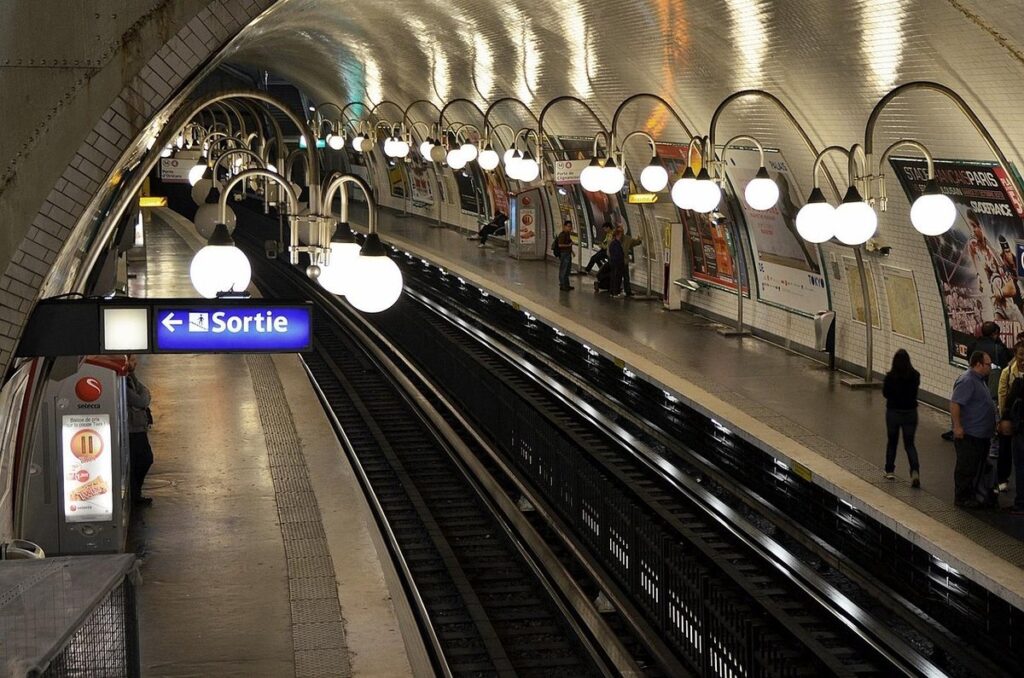
History and Development of the Paris Metro
The story of the Paris Metro is one that spans over a century, from its humble beginnings to the modern-day transport system we know today. We’ll take you through the key milestones and events that shaped the metro into what it is now.
Early Beginnings and Planning
In 1898, a parliamentary commission recommended building an underground railway system to alleviate congestion on Paris’s streets and improve public transportation. This marked the official conception of the Paris Metro, with the city’s mayor, Édouard Lockroy, advocating for a comprehensive network that would eventually stretch over 300 kilometers. The early years of planning involved intense debate among engineers, politicians, and urban planners about the system’s scope, funding, and operational details.
Key players like Gaston Planté and Fulgence Bienvenüe shaped the Metro’s development through their innovative solutions to technical challenges. For instance, Bienvenüe introduced the use of pre-fabricated tunnel segments, which significantly reduced construction time and costs. As planning progressed, city officials began to consider the social implications of the new system, including its potential impact on housing and urban growth patterns.
The first Metro line opened in 1900, initially serving a relatively small area around the city center. This initial phase laid the groundwork for subsequent expansions, which would eventually transform Paris into one of the world’s most extensive underground transportation networks.
Key Milestones and Innovations
The introduction of the first steam-powered locomotive in 1837 marked a significant milestone in the Paris Metro’s development. This innovation enabled the transportation of passengers and freight more efficiently than horse-drawn carriages, paving the way for future expansion.
In 1900, the city hosted the World Exposition, which brought international attention to the metro system. In response, the Compagnie du Chemin de Fer Métropolitain de Paris (CMP) introduced electric trains, significantly increasing speed and capacity.
The 1930s saw major renovations to the network’s layout, including the construction of new tunnels and stations. The introduction of automatic ticket barriers in 1951 improved security and efficiency for passengers. In recent years, the metro system has undergone significant modernization efforts, including the installation of advanced signaling systems and upgraded trains.
Some notable examples of key innovations include:
• Automatic train operation (ATO) was introduced in 2006
• A new tram-train system connecting suburbs to the city center was launched in 2013
• The implementation of a smart ticketing system allowing passengers to use mobile devices for travel in 2020
Impact on Urban Planning and Growth
As the Paris Metro expanded throughout the 20th century, it had a profound impact on the city’s urban planning and growth. One significant effect was the redistribution of population across the city. Prior to the metro’s development, residential areas were largely confined to central districts. However, as metro lines extended into outer suburbs, these areas began to attract new residents, contributing to an overall shift in Paris’ demographic balance.
This phenomenon is exemplified by the rapid growth of neighborhoods like Saint-Denis and Gennevilliers, which were once small villages but now boast populations rivaling those of central districts. The metro’s influence on population distribution was further compounded by its role in connecting these areas with the city center, making them more accessible for residents and commuters alike.
The Paris Metro has also shaped the city’s transportation infrastructure. Its extensive network has encouraged the development of residential areas around major stations, while also influencing the layout of surrounding streets and public spaces.
Network Overview and Statistics
The Paris Metro Underground is a vast network, spanning over 218 kilometers of track and serving more than 5.3 million passengers daily. Let’s take a closer look at its impressive statistics and layout.
Lines and Stations
The Paris Metro network consists of 16 lines, stretching over 214 kilometers and serving 308 stations. The network’s longest line is Line 13, spanning approximately 10.5 kilometers from Châtillon to Saint-Denis, while the shortest is Line 3bis, covering just 1.2 kilometers between Gambetta and Porte des Lilas.
Some lines are characterized by their high frequency of trains, such as the RER A and E, which have trains arriving every 2-5 minutes during peak hours. In contrast, other lines like Line 4, with its slower average speed due to more frequent stops.
Key stations include major hubs like Gare du Nord and Charles de Gaulle–Étoile, connecting the metro network to the city’s transportation grid and surrounding suburbs. Other notable stations feature unique architectural designs, such as the Galeries Lafayette at Châtelet and the historic Garnier Opera House on Line 8.
When planning your route, consider that some lines operate longer hours than others; for example, Line 1 runs from 5:30 AM to 12:35 AM Monday through Friday. Understanding these characteristics will help you navigate the network efficiently and make the most of your Parisian adventures.
Route Maps and Timetables
When using route maps and timetables to navigate the Paris Metro, it’s essential to understand the differences between peak and off-peak schedules. Peak hours typically occur Monday to Friday from 7:30 am to 9:00 am and 4:30 pm to 7:00 pm, when trains run more frequently. Off-peak hours, on the other hand, have longer intervals between trains.
Route maps are available at most stations in multiple languages, including English, French, Spanish, and others. These maps show all lines and their connections, making it easy to plan your route. The Paris Metro’s website also offers an interactive map that allows you to plan your journey in advance.
When transferring between lines, be aware of the different types of transfers: direct (same-line transfer) and indirect (line change). Direct transfers are usually free, while indirect transfers may require a ticket or card tap. The metro system has designated transfer points, which are clearly marked on the route maps.
To make the most of your journey, familiarize yourself with common abbreviations on the timetables, such as “RER” for regional trains and “Bus” for connecting buses. This will help you plan your route efficiently and avoid any unnecessary transfers.
Station Facilities and Amenities
Wi-Fi is widely available at most Paris Metro stations, making it easy to stay connected and plan your route on the go. However, some older stations may not have Wi-Fi, so it’s a good idea to check before traveling.
Many stations also offer accessibility features such as elevators, escalators, and ramps, ensuring that visitors with mobility impairments can navigate the system easily. For example, the Châtelet station has been fully renovated to improve accessibility, with new lifts connecting the platforms to the street level.
When it comes to commercial services, many stations have cafes, restaurants, and snack bars where you can grab a quick bite or meet up with friends. The Gare du Nord station is particularly well-equipped, with a range of shops and eateries serving everything from croissants to kebabs.
Some popular amenities include left luggage facilities at major stations like Montparnasse-Bienvenue, as well as ATMs and currency exchange services. Additionally, many stations have dedicated areas for bike storage, making it easy to combine your metro travel with cycling in the city.
Riding the Paris Metro: Tips and Tricks
Riding the Paris Metro can be intimidating, but don’t worry, we’ve got you covered with some expert tips on how to navigate its busy stations. From avoiding peak hours to deciphering the metro map, we’ll share our top advice.
Buying Tickets and Using the Ticketing System
When purchasing tickets for the Paris Metro, you have several options to choose from. The most common is the single ticket, which can be bought at ticket vending machines or from a station agent. These tickets are valid for one journey and cost around €1.90.
Alternatively, you can opt for a carnet of 10 tickets, which works out cheaper than buying individual tickets. A carnet costs approximately €16.20 and is available at most stations. If you’re planning to use the metro frequently, this option is definitely worth considering.
Mobile payments are also widely accepted on the Paris Metro, including Apple Pay and Google Pay. You can load credit onto your phone and pay for journeys without needing a physical ticket.
When using the ticketing system, make sure to validate your ticket before boarding the train. You can do this by inserting the ticket into the yellow validation machines found at the entrance of each platform. Remember that you’ll need to have a valid ticket or pass for every journey, and fines are issued for those without one.
Etiquette and Rules of Conduct
When riding the Paris Metro, you’ll want to be mindful of a few key etiquette rules and conduct guidelines. One major consideration is seat usage: on peak hours, seats are usually reserved for passengers who need them most, such as elderly or disabled travelers. However, if all available seats are taken, don’t be afraid to ask someone to vacate their seat if you’re in dire need of one.
Baggage storage can also be a challenge on the metro. Keep your luggage close and consider using a smaller bag that won’t obstruct walkways. If you do bring a larger piece of luggage, try to keep it out of the way of other passengers or store it in designated baggage racks when available.
Interactions with fellow passengers are generally polite and reserved, but there are some unwritten rules to keep in mind. Avoid eating strong-smelling foods on the metro, as they can disturb others. Refrain from loud conversations or making phone calls during peak hours (typically between 7:30-9 am and 4:30-7 pm). If you need to get off at a stop, try to move towards the doors promptly to avoid congestion in the aisles.
Safety and Security Measures
Emergency response plans are activated immediately in case of an incident on the metro. These plans involve evacuation procedures, first aid services, and communication with emergency services. Many stations have designated areas for people to gather during emergencies, such as the central platform or a nearby room.
Surveillance systems are also in place throughout the network. You’ll notice cameras installed at major intersections, stairways, and platforms. While these are primarily used for monitoring passenger flow and detecting potential security threats, they can also help authorities identify areas of congestion or improve station operations.
Additionally, some stations have reinforced glass or metal barriers to prevent unauthorized access to certain areas. These measures aim to create a safe environment for passengers while maintaining operational efficiency. Some lines, like the RER B and D, feature advanced security systems, including biometric scanners at sensitive points, such as major transportation hubs.
The Paris Metro in Popular Culture
You might be surprised at how often the iconic Paris Metro has been featured in movies, books, and music over the years. From Hollywood blockbusters to French literary classics, the metro’s charm has captured the hearts of creators worldwide.
Representation in Film and Literature
The Paris Metro has been a staple of French cinema and literature for decades. In the iconic film “Amélie” (2001), the protagonist Amélie Poulain’s adventures often take place on the metro, highlighting its role as a symbol of Parisian life. Similarly, in Gustave Flaubert’s 19th-century novel “Madame Bovary”, the heroine Emma Bovary spends hours riding the early versions of the metro, lost in thought.
The metro has also been immortalized in literature through the works of French authors such as Jean-Paul Sartre and Simone de Beauvoir. Their characters often commute on the metro, reflecting on life’s complexities amidst the daily grind. This literary portrayal underscores the metro’s significance as a public space where individuals from all walks of life converge.
In film, the Paris Metro has been used to great effect in creating atmosphere and tension. The 1960s French New Wave movement frequently featured the metro in their films, often using it as a backdrop for chance encounters and romance. This cultural representation serves as a testament to the enduring appeal of the Paris Metro, which continues to inspire artists, writers, and filmmakers to this day.
Iconic Stations and Landmarks
Some of the most recognizable stations along the Paris Metro network are a testament to the city’s rich architectural and cultural heritage. The Palais-Royal–Musée du Louvre station, for example, is situated beneath the famous Louvre Museum, whose stunning glass pyramid entrance is visible from the metro platform. This striking juxtaposition of ancient and modern architecture makes for an unforgettable travel experience.
Another iconic landmark is the Gare de Lyon station, which features a majestic Beaux-Arts-style building with a grand clock tower. The station’s elaborate mosaics and intricate stone carvings are also worth admiring. Visitors can easily access the nearby Bois de Vincennes park from this station, making it an ideal starting point for exploring eastern Paris.
Other notable stations include the Opéra station, which boasts a beautiful Art Nouveau ceiling, and the Bastille station, where visitors can explore the famous Place de la Bastille above ground. When planning your metro route, consider incorporating some of these iconic stations into your itinerary to make the most of your time in Paris.
The Metro as a Symbol of Parisian Identity
The Paris Metro has become an integral part of the city’s identity, reflecting its rich history, cultural heritage, and urban character. The Metro’s architecture is a perfect blend of Art Nouveau and modern styles, with ornate details that showcase the craftsmanship of French artisans. Take the iconic Gare de Lyon station as an example – its elegant vaulted ceilings and intricate mosaics evoke a sense of grandeur and history.
Beyond its architectural significance, the Metro also plays a vital role in shaping Parisian culture. It’s where locals and tourists alike converge to experience the city’s rhythm and energy. Observe how commuters greet each other with a friendly “bonjour” or exchange pleasantries while waiting for their train. This daily ritual is a testament to the Metro’s ability to foster community and connection among its users.
The Metro has also become a symbol of Parisian resilience and adaptability. After World War II, the city invested heavily in rebuilding and modernizing its transportation infrastructure, including the Metro. Today, the network is a proud reflection of the city’s commitment to innovation and progress.
Conclusion: The Enduring Legacy of the Paris Metro
The Paris Metro Underground has left an indelible mark on the city’s identity and daily life. Its elegant Beaux-Arts stations, efficient network, and iconic rolling stock have become synonymous with French culture. Beyond its functional importance, the metro is also a work of art that reflects the city’s history and values.
A stroll through the metro tunnels reveals intricate mosaics, ornate ironwork, and beautifully preserved architecture from the early 20th century. These details not only add to the metro’s aesthetic appeal but also demonstrate its enduring legacy. The Paris Metro has inspired numerous urban transportation systems worldwide, serving as a model for efficient and elegant public transit.
Visitors and locals alike can appreciate the metro’s rich history by exploring its lesser-known aspects. From the hidden passages to the lesser-visited stations, there is always more to discover in this underground world.
Frequently Asked Questions
What if I have a lot of luggage and want to travel with it on the Paris Metro?
You can transport large bags or suitcases on the metro, but be aware that they may not fit in the standard ticket gates. Instead, use the larger gates near the stations’ entrance or exit points. It’s also recommended to avoid peak hours when possible.
Can I bring my bike on the Paris Metro?
No, bicycles are not allowed on the Paris Metro due to safety and space concerns. However, there are designated bike racks and parking facilities at many metro stations, allowing you to leave your bike securely while exploring the city.
How do I know if the Paris Metro is affected by strikes or disruptions?
Check the official RATP (Paris Transport) website for real-time updates on metro line closures, strikes, or other service disruptions. You can also download their mobile app for easy access to this information during your trip.
What are some lesser-known metro lines and stations worth visiting in Paris?
Consider exploring the lesser-used lines like Line 7, which passes through charming neighborhoods like Saint-Germain-des-Prés, or Line 13, which offers a unique perspective on Montmartre. Also, visit the beautiful Art Nouveau-designed stations like Abbesses or Anvers.
Is it possible to get lost in the Paris Metro, and how do I navigate if I am?
While the metro system is relatively straightforward, getting lost can still happen. In this case, use the station’s information screens or ask a fellow passenger for help. You can also download a city map or use your phone’s GPS to guide you back on track.