Paris is one of the few cities where getting lost is an integral part of the experience, but its comprehensive metro network makes navigating the city incredibly efficient. With over 300 kilometers of tunnels and 16 lines, the Paris underground metro is a testament to the city’s rich history and innovative spirit. As you explore this iconic transportation system, you’ll discover not only its impressive infrastructure but also the art and architecture that adorn its stations. From the iconic Louvre-Rivoli station to the charming Musée d’Orsay stop, each line has its own unique character and charm. In this article, we’ll take a closer look at the history of Paris’s metro network and provide essential tips for navigating it like a local, including insider knowledge on safety features, art installations, and more. By the end of this guide, you’ll be able to confidently ride the metro with ease and discover all that Paris has to offer.
History and Evolution
The Paris underground metro has a rich history that spans over a century, from its humble beginnings to the sophisticated network we know today. We’ll take you through the key milestones in its evolution.
The Early Years (1898-1900)
The first metro line in Paris opened on July 19, 1898, between Saint-Michel and Porte de Vincennes. This initial stretch was a significant feat of engineering, spanning approximately 8 kilometers and featuring 16 stations. The line’s opening marked the beginning of a new era for urban transportation in Paris. Prior to this, the city’s streets were congested with horse-drawn carriages and pedestrians, making it difficult to move around efficiently.
The introduction of the metro had an immediate impact on the city’s infrastructure. It reduced travel times significantly, allowing passengers to reach their destinations faster than ever before. The initial line also set a precedent for future expansions, which would eventually connect the city’s main districts and neighborhoods. By 1900, the network had grown to encompass over 20 kilometers of track, with more stations added along existing lines.
The early years of the Paris metro were marked by innovative solutions to urban transportation challenges. The first line’s design included a unique system for collecting fares at each station, which helped streamline operations and improve efficiency.
Expansion and Modernization (1900s-1930s)
Between 1900 and 1930, the Paris underground metro underwent significant expansion and modernization. The system’s initial focus on connecting key suburbs to central Paris gave way to a more comprehensive network design. New lines, such as Line 2 and Line 3, were constructed using innovative tunneling techniques developed by French engineers.
The introduction of electric trains in 1900 replaced the earlier steam-powered locomotives, significantly reducing travel times and increasing efficiency. The metro’s modernization was also marked by improvements to station design, with the construction of new entrance buildings and passenger facilities. The most notable example is the iconic Barbès-Rochechouart Station, built in 1922.
The expansion and modernization efforts were driven by a growing demand for efficient public transportation in Paris. By the early 1930s, the metro system had become a symbol of French engineering prowess, with visitors from around the world coming to marvel at its grandeur. The network’s expansion laid the groundwork for future development, ultimately solidifying the Paris underground metro as one of the most extensive and complex systems in the world.
Post-War Developments (1945-1970s)
The Paris underground metro underwent significant transformations between 1945 and the 1970s. Following World War II, the network faced substantial damage from bombing raids and occupation. To restore services, new lines were quickly built to alleviate congestion on existing routes. The 10th line was inaugurated in 1946, connecting Montparnasse with the Gare de l’Est. Two years later, a new link between Porte des Lilas and Bagnolet opened.
In addition to these new additions, several stations were rebuilt or renovated during this period. La Défense station, for example, was constructed in 1958 as part of a broader urban development project. The introduction of the RER A line in 1969 marked another major expansion milestone. To improve passenger safety, the metro network began installing new signaling systems and emergency communication devices.
Key safety measures implemented during this period included automatic train control (ATC) systems and improved ventilation. These upgrades aimed to minimize the risk of accidents and enhance overall travel experience. The post-war developments laid the groundwork for the modern Paris underground metro system we know today, featuring a more extensive network, enhanced infrastructure, and increased emphasis on passenger safety.
Network Overview
The Paris Underground Metro is a vast network of 16 lines that stretch across the city, serving over 5 million passengers daily. In this section, we’ll break down its layout and help you understand how it all fits together.
Line Configuration and Map
The Paris metro’s 16 lines are the backbone of its extensive network, with each line having a unique configuration and interconnecting across the city. Line 1, for instance, runs north-south through the heart of Paris, while Line 13 serves the western suburbs. The busiest lines, such as Line 4 and Line 14, connect major hubs like Gare du Nord and Châtelet-Les Halles. The network’s radial structure means that each line converges at central points, forming key transfer stations like Châtelet and Montparnasse.
When planning your route, it’s essential to understand these configurations, as they significantly impact travel times and efficiency. To help you navigate the system, consider downloading the official Paris metro map or using a dedicated app. This will allow you to visualize the layout and identify the most convenient transfer points between lines. Note that while the network is generally well-signposted, some stations can be overwhelming due to their size and complexity.
Station Layouts and Design
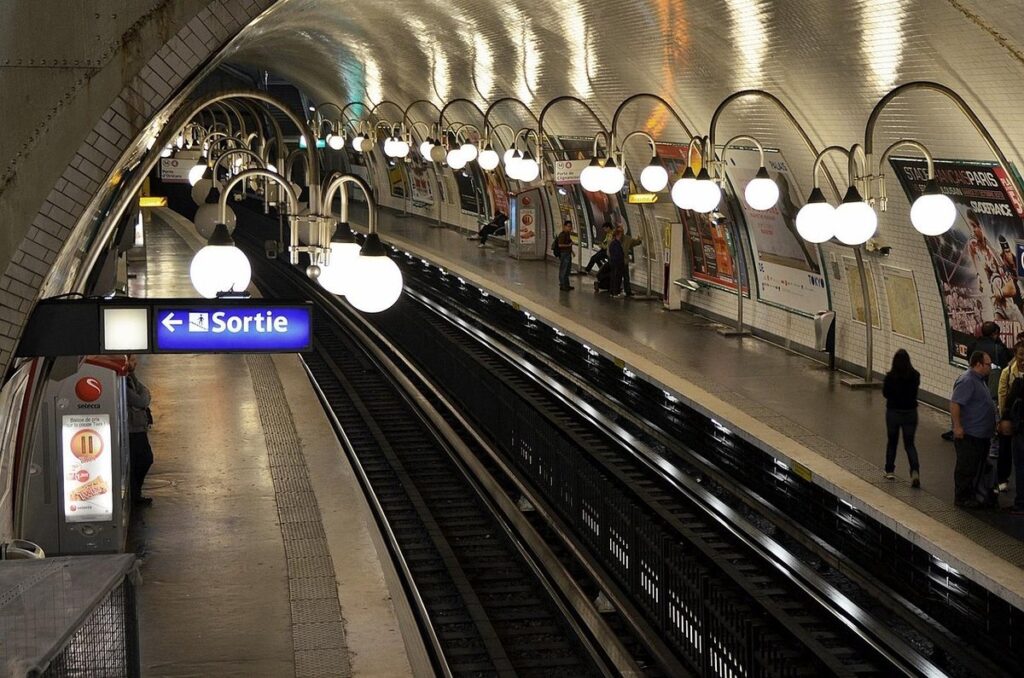
The typical station layout on Paris’ underground metro is characterized by a straightforward design, with clear signage and intuitive navigation. Most stations have two platforms, one for each direction of travel, with a central ticket hall or vestibule connecting them. This layout allows for efficient passenger flow and minimizes congestion.
Some notable examples of unique or historic stations in the network include Charles de Gaulle-Etoile, which features a grandiose design inspired by the Arc de Triomphe, and Abbesses, a charming station with a beautiful glass roof. In contrast, some newer stations, such as Château de Vincennes, boast modern designs that incorporate natural light and green spaces.
Notable features of Paris’ metro stations include the use of iconic typography, specifically the Paris Metro font, which is used consistently throughout the network to display station names and signage. Many stations also feature beautiful art installations, murals, or mosaics, adding to their unique character and charm. For example, the Art Nouveau-style decorations at the Porte des Lilas station are a notable highlight of the network’s design heritage.
Key Transfer Points and Hubs
Major transfer points like Gare du Nord and Châtelet Les Halles facilitate travel across Paris. These hubs serve as critical intersections between multiple lines, allowing passengers to switch between different routes efficiently. For instance, at Gare du Nord, you can easily transition from the RER E line to the métro lines 4 and 5.
Other key transfer points include Luxembourg, where you can change between lines 4 and 13, and Strasbourg – Saint-Denis, which serves as a nexus for the RER D and E lines. These locations are strategically situated near major transportation hubs or popular tourist areas, making them essential to understanding the network’s overall layout.
To navigate these transfer points effectively, consider familiarizing yourself with the metro map and identifying the most direct routes between your starting and ending destinations. Pay attention to signs and announcements at each station, as they often indicate which lines are operational and any potential disruptions.
Some of the busiest transfer points also offer additional amenities, such as ticket machines, customer service desks, or even shopping areas. Knowing where these resources are located can help you plan your trip more efficiently and make the most of your time in Paris.
Operations and Maintenance
To ensure a smooth journey, it’s essential to understand the operational aspects of Paris’ underground metro system, including maintenance schedules and disruptions. This includes knowing when trains run less frequently and how to plan around these times.
Timetables, Schedules, and Frequency
When planning your journey on the Paris underground metro, understanding the timetables, schedules, and frequency of services is crucial for a smooth trip. The metro operates from 5:30 AM to 12:35 AM, with variations depending on the line and day of the week. Trains typically run every 2-3 minutes during peak hours (7:00 AM – 9:00 AM and 4:00 PM – 7:00 PM) and every 10-15 minutes during off-peak hours.
The metro’s frequency varies across lines, with the busiest lines (1, 13, and 14) operating more frequently than others. The RER network, which connects Paris to its suburbs, runs less frequently but still offers a reliable service. To check schedules and plan your route, you can use the official RATP website or mobile app, which provides real-time information and journey planning tools.
Be aware that some lines may have reduced frequency on weekends or during special events, such as public holidays or major festivals. It’s also worth noting that metro staff often work in shifts, with changes taking place between 12:30 AM and 1:00 AM.
Ticketing Systems and Fares
When riding the Paris underground metro, you’ll encounter various ticket types and payment systems. One of the most popular options is Navigo, a contactless smartcard that can be used for unlimited travel within zones 1-5 for a day or week. The Carnet de 10 tickets offers a discounted rate for 10 single journeys, ideal for occasional users.
Tickets, on the other hand, are available at stations and can be purchased with cash or credit card. You’ll need to purchase a ticket from a machine before entering the platform, as ticket gates are in use throughout the network. Keep in mind that tickets must be validated upon entry, either by punching them through a validator machine or by using a ticket gate.
It’s worth noting that some stations have been equipped with automated fare collection systems, eliminating the need for paper tickets or validation. However, these systems can sometimes be out of order, so it’s essential to be prepared with cash and a backup plan. If you’re planning on using public transportation frequently during your stay in Paris, consider purchasing a Navigo pass or topping up your ticket balance regularly to avoid unnecessary trips to the machine.
Safety Features and Emergency Procedures
The Paris Underground Metro has a comprehensive set of safety measures and emergency procedures in place to ensure passenger safety and assistance. One such feature is the presence of CCTV cameras throughout the network, which are monitored by security personnel 24/7. Additionally, there are designated areas for Lost and Found as well as customer service desks at major stations.
In case of an emergency, passengers can find help at the station’s information desk or at the nearest ticket counter. There are also Emergency Phones located throughout the metro, which connect directly to the security services in real-time. If you’re feeling unwell or have a medical issue, you can also alert staff using the intercoms installed in every carriage.
When it comes to accessibility and assistance, the Paris Metro has implemented various measures such as ramps and elevators at most stations, making it easier for passengers with disabilities to navigate the network. Furthermore, trained staff are available to assist passengers who require special assistance, including those with visual or hearing impairments.
Cultural Significance and Landmarks
As you explore Paris’ underground metro system, understanding its cultural significance and notable landmarks will add a new layer of depth to your experience. From grand stations to historic architecture, we’ll highlight these hidden gems.
Art and Architecture in Metro Stations
The Paris underground metro is renowned for its stunning art installations and architectural features. Many stations have been transformed into veritable museums, with impressive works by famous artists such as Camille Claudel, Jean-Antoine Watteau, and Pablo Picasso. The most notable example is the Palais-Royal – Musée du Louvre station, which boasts a vast collection of modern art.
Some stations also preserve historic elements, like the original ironwork from the early 20th century or antique ticket booths. A few stations have even been designated as monuments historiques by the French government due to their unique architectural characteristics and historical significance. The Saint-Germain-des-Prés station is a prime example, with its elegant 19th-century design and ornate details.
Visitors can admire these artworks and historic elements while navigating the metro system. To make the most of this experience, consider purchasing a Paris Museum Pass, which grants access to many of the stations’ art installations and museums. Be sure to check the station’s website or consult with a local guide for more information on available tours and exhibitions.
Famous Landmarks and Nearby Attractions
The Paris underground metro network offers a convenient way to explore the city’s famous landmarks and museums. You can visit iconic destinations like the Louvre Museum, which is accessible from the Palais-Royal–Musée du Louvre station on line 1. The Eiffel Tower is another popular attraction that can be reached via the Bir-Hakeim station on line 6.
Other notable landmarks and attractions include the Arc de Triomphe (Charles de Gaulle–Étoile station, lines 1, 2, and 6), the Champs-Élysées (Franklin D. Roosevelt station, line 1), and the Sainte-Chapelle (Saint-Michel station, line 4). Museums like the Musée d’Orsay (Solférino station, line 12) and the Rodin Museum (Varenne station, line 13) are also easily accessible via the metro.
To plan your visit, consider purchasing a Paris Visite pass, which grants you unlimited travel on public transportation, including the metro. This can be especially useful if you’re short on time or want to explore multiple attractions in one day. When traveling with the pass, make sure to validate it at the entrance of each station before boarding your train. By using the metro to get around, you’ll save time and energy for exploring Paris’s incredible cultural offerings.
Commemorative Stations and Historic Milestones
The Paris underground metro is replete with stations that serve as a testament to the city’s rich history and cultural significance. The Saint-Paul station, for instance, features a stunning art nouveau design that has been preserved since its opening in 1900. Similarly, the Anvers station boasts an impressive art deco ceiling, while the Pont-Marie station is adorned with beautiful mosaics.
In addition to these aesthetic landmarks, several metro stations commemorate significant events and anniversaries in Paris’ history. The Denfert-Rochereau station, for example, honors the memory of Henri Rochefort, a prominent journalist and activist who was imprisoned there during World War I. Meanwhile, the Voltaire station is dedicated to the famous philosopher and writer François-Marie Arouet, also known as Voltaire.
When planning your metro route, consider visiting some of these commemorative stations to gain a deeper understanding of Paris’ complex history and cultural heritage. Many stations also offer guided tours or interactive exhibits that provide additional context and insights. Be sure to check the station’s website or consult with a local guide for more information on available tours and activities.
Tips for Visitors and Locals Alike
As you navigate Paris’ underground metro, familiarize yourself with local etiquette and insider tips to make your journey smoother and more enjoyable. From avoiding peak hours to using your ticket wisely.
Essential Travel Hacks and Tricks
When traveling through the Paris underground metro, knowing a few essential hacks and tricks can make all the difference between a smooth ride and a frustrating experience. One of the most useful tips is to buy a carnet of 10 tickets instead of individual tickets, which can be more cost-effective for frequent travelers.
Another key hack is to avoid traveling during rush hour (7-9 am and 4:30-7 pm) when possible, as trains are packed and delays are common. If you must travel during these times, consider taking a train on the outskirts of Paris or using a transfer point to change lines and reduce your wait time.
When navigating the metro system, it’s also helpful to download a route-planning app like Citymapper or Google Maps, which can provide real-time updates and suggest alternative routes. Additionally, take note of the unique numbering system used in Paris, where lines are identified by letters (A, B, C, etc.) rather than numbers.
To save time at stations, look for the dedicated ticket gates and avoid using the manned ticket booths whenever possible. Finally, consider purchasing a Navigo Decouverte pass, which grants unlimited travel on public transportation for one or five days, making it an excellent option for visitors who plan to explore the city extensively.
Insider’s Guide to Local Insights and Hidden Gems
To make the most of your time in Paris using the metro effectively, locals and visitors alike have shared their insider knowledge on how to navigate the system like a pro. One of the best-kept secrets is to explore the lesser-known arrondissements, such as Belleville or Ménilmontant, which offer a glimpse into authentic Parisian life. These areas are easily accessible by metro lines 2 and 3 and provide a unique blend of street art, independent cafes, and local markets.
When it comes to hidden gems, consider visiting the historic Barbès-Rochechouart station on line 2, which boasts an impressive collection of mosaics and frescoes. Alternatively, take a stroll through the charming streets surrounding the Abbesses station on line 12, where you’ll find quaint shops, bakeries, and restaurants.
To avoid tourist crowds and make the most of your metro experience, try to travel during off-peak hours or use the Transilien suburban rail network for shorter journeys. By doing so, you can enjoy a more relaxed atmosphere and take in the sights without the hassle of large groups.
Frequently Asked Questions
Can I use my Paris Visite pass on the metro?
Yes, your Paris Visite pass is valid for unlimited travel on the metro, buses, and trams. However, you must validate each ticket at the entrance of the metro station before boarding.
What happens if I get lost in the metro system?
Don’t worry, it’s easy to get turned around! If you’re feeling disoriented, take a moment to check your map or ask for assistance from staff or fellow passengers. You can also use the Paris Metro app to help navigate and find your way back.
How do I know which line is faster when transferring between stations?
To determine which line is faster, consider the route and distance you need to travel. The Paris metro network has a few transfer points where lines intersect; check which station is closer to your destination and choose the line that gets you there more quickly. You can also use online journey planners or the Paris Metro app for assistance.
Can I bring large luggage on the metro, such as suitcases or bicycles?
Yes, some stations allow larger luggage like suitcases and strollers, but be mindful of peak hours and crowded trains. Bicycles are permitted on certain lines during designated hours; check with station staff before bringing your bike onto the train.
Are there any specific rules for traveling with pets in the Paris metro?
Yes, small animals (except guide dogs) are not allowed on the metro at all times. However, some stations have designated pet areas or have special arrangements for service animals; call ahead to confirm before visiting these stations with your furry friend.