The story of Plymouth’s first Thanksgiving is one that has been passed down for generations, but its origins and impact on American culture are often shrouded in myth. For centuries, we’ve been told about a single day when European settlers came together with Native Americans to share a bountiful harvest, but the truth behind this pivotal event is far more complex. Behind the familiar narrative of turkey and stuffing lies a rich history that has been largely overlooked – the role of Native American communities in shaping the course of this momentous occasion. This article will explore the fascinating story of Plymouth’s first Thanksgiving, from its humble beginnings to its lasting influence on American culture, and shed light on the often-overlooked contributions of Native Americans who played a crucial part in this pivotal event. By the end of this exploration, you’ll have a deeper understanding of the true significance of this historic gathering.
A Brief Overview of the First Thanksgiving
The first Thanksgiving is a pivotal event in American history, marking the 1621 harvest feast between the English colonists and the Wampanoag tribe. This section will provide an essential context for understanding the historical significance of this gathering.
Origins of the Tradition
The first Thanksgiving is often attributed to the Pilgrims’ harvest celebration in 1621, but its origins are more complex and multifaceted. The tradition of a harvest feast has its roots in European culture, dating back to medieval times when farmers would come together to give thanks for the bounty of their crops. This custom was brought over by early English settlers, including the Pilgrims, who held similar harvest celebrations before arriving in America.
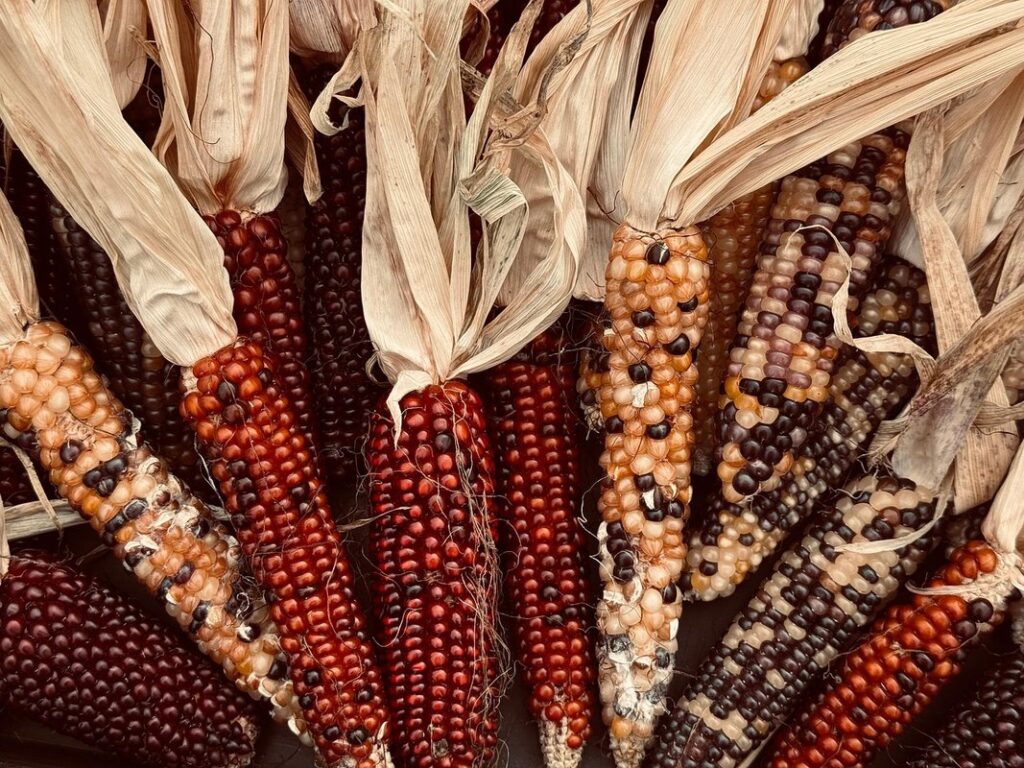
The Wampanoag tribe also had a long-standing tradition of harvesting and sharing food with one another, often coinciding with the changing of the seasons. It’s likely that the idea of a communal feast was influenced by these Native American customs, which emphasized gratitude for the land and its resources. In fact, the modern Thanksgiving celebration bears some resemblance to the Wampanoag tradition of the “Three Sisters” harvest ceremony, where crops such as corn, beans, and squash were revered for their interdependence.
The blending of European and Native American traditions likely contributed to the development of the first Thanksgiving celebration at Plymouth Colony. However, it’s essential to acknowledge that this event was not a single, isolated occurrence but rather part of a larger cultural exchange between the Pilgrims and the Wampanoag tribe.
The Role of Native Americans in the Celebration
Native Americans played a crucial role in the survival and success of early Plymouth Colony. One notable example is Squanto, an English-speaking Wampanoag who helped the Pilgrims adapt to their new environment. He taught them how to plant corn, fish, and gather other essential resources. In return for his assistance, Squanto gained a degree of trust from the colonists.
However, not all interactions between European settlers and Native Americans were as positive as the one with Squanto. Many Wampanoag had died due to diseases brought over by the Europeans, which decimated their population. Additionally, some Pilgrims viewed Native Americans with suspicion, leading to conflicts over land and resources.
The Wampanoag, led by Massasoit, formed a treaty of peace with the Pilgrims in 1621, which lasted for several decades. This alliance allowed both groups to benefit from each other’s skills and knowledge. However, as time passed, tensions began to rise again due to land disputes and cultural differences.
Despite their significant contributions, Native Americans are often overlooked or misrepresented in accounts of the First Thanksgiving. It is essential to acknowledge the complex relationships between European colonizers and indigenous peoples during this period to gain a more accurate understanding of Plymouth Colony’s history.
The Pilgrims’ Journey to America
As we explore the rich history of Plymouth Thanksgiving, let’s start by following the brave Mayflower passengers who set sail for a new life in 1620. Their perilous journey across the Atlantic laid the foundation for America’s earliest harvest celebration.
Life on the Mayflower
The conditions aboard the Mayflower were notoriously harsh, with cramped quarters, inadequate food, and poor sanitation. The 102-foot-long ship was designed to carry cargo, not passengers, so the Pilgrims were forced to adapt their living arrangements on the fly.
Women and children shared small compartments with men, often sleeping in shifts due to the limited space. Personal hygiene was a luxury they couldn’t afford, leading to outbreaks of diseases like scurvy and dysentery. Food was scarce, with the majority of it being biscuits that quickly grew moldy or stale. Fresh water was rationed, and many passengers had to rely on rainwater collection.
The cramped conditions also took a toll on morale. Tensions ran high among the passengers as they struggled to find space to move around, let alone enjoy basic comforts like fresh air and quiet time. The ship’s limited provisions meant that meals were often delayed or skipped altogether. For example, one account from the period notes that some passengers went weeks without eating a full meal.
The Founding of Plymouth Colony
In December 1620, the Mayflower Compact was signed by the Pilgrims, establishing a framework for governance in their new settlement. However, it wasn’t until March 1621 that the colony’s first governor, William Bradford, laid out plans to establish a more formal town layout and infrastructure. The area they chose was on the west bank of Plymouth Harbor, where they built homes made from wood and thatched roofs.
The colony’s early interactions with Native American tribes were crucial in its survival. In March 1621, the Wampanoag leader Massasoit met with Bradford to establish a peace treaty, which would last for over 50 years. This alliance provided the Pilgrims with essential guidance on farming and hunting techniques, as well as access to trade routes and markets.
The colony’s early struggles were largely due to its remote location and lack of resources. The first winter in Plymouth was particularly harsh, with most of the colonists falling ill. Many died before the spring of 1621, when the Wampanoag tribe helped the Pilgrims adapt to their new environment. This assistance played a significant role in the colony’s survival and growth during its early years.
The Relationship Between the Pilgrims and the Wampanoag Tribe
The friendship between the Pilgrims and the Wampanoag tribe was a crucial factor in the early success of the Plymouth Colony, but it wasn’t without its challenges. We’ll examine the complexities of this historic alliance.
Squanto: A Key Figure in Early Relations
Squanto’s presence in Plymouth Colony had a profound impact on the early relations between the Pilgrims and other Native American groups. As a member of the Patuxet tribe, Squanto spoke English fluently, which made him an invaluable mediator between the two cultures. He was taken captive by the Wampanoag tribe as a child and later sold into slavery in Spain before being kidnapped again and brought to England. When he managed to return to his homeland, he found that his people had been decimated by disease.
Squanto’s experience living among English settlers made him a unique asset for the Pilgrims. He taught them how to farm, hunt, and fish in the new land, helping them avoid starvation during their first winter. In addition, Squanto facilitated communication between the Pilgrims and other Native American groups, including the Wampanoag tribe, led by Massasoit. This alliance proved crucial for the survival of Plymouth Colony, as it allowed the Pilgrims to access food and resources that would have been otherwise unavailable.
Squanto’s role in early relations was multifaceted: he was a teacher, a diplomat, and a cultural bridge between two vastly different worlds. His legacy serves as a testament to the complex and often fraught history of colonialism in America.
The Treaty of Peace Between the Pilgrims and the Wampanoag
The treaty signed between the Pilgrims and the Wampanoag tribe in 1621 was a significant agreement that paved the way for peaceful coexistence. The terms of the treaty, which lasted over 50 years, included mutual defense, trade agreements, and a plan for shared resources. The Wampanoag provided the Pilgrims with crucial assistance in adapting to their new environment, teaching them how to farm and hunt in the area.
One of the key provisions of the treaty was the division of land between the two groups. The Wampanoag leader Massasoit agreed to share his tribe’s knowledge of the land and its resources, allowing the Pilgrims to establish a successful harvest. In return, the Pilgrims promised to respect the Wampanoag’s sovereignty and not encroach on their territory.
The treaty also included provisions for mutual defense against external threats. The Wampanoag helped the Pilgrims defend themselves against rival tribes and European colonizers. This alliance allowed both groups to thrive in the region, with the Pilgrims benefiting from the Wampanoag’s knowledge of the land and their military support.
The treaty’s success can be attributed to the friendship between Massasoit and Governor William Bradford. The two leaders worked together to establish a framework for cooperation, which set a precedent for future relations between European colonizers and Native American tribes.
The First Thanksgiving: A Celebration or an Omission?
Many people view the First Thanksgiving as a joyous celebration of friendship and harvest, but some argue that it’s also a story of omission, glossing over the struggles of Native American tribes. Let’s examine this complex history together.
Debunking Common Myths
The popular narrative surrounding the first Thanksgiving has been subject to various interpretations and revisions over time. One common myth is that the Pilgrims held a large harvest feast with Native Americans in 1621, which was somehow a singular event that marked the beginning of American culture. However, this narrative glosses over the fact that the Wampanoag tribe had already been hosting their own fall festivals for centuries.
Another misconception is that the first Thanksgiving was solely a celebration of Pilgrim success and gratitude. In reality, the harvest feast was also an opportunity for the Pilgrims to negotiate peace with the Wampanoag and solidify their relationship. This alliance would be crucial in the years to come, as both groups faced challenges from other European colonizers.
Additionally, it’s often assumed that the first Thanksgiving involved a traditional American meal featuring roasted turkey, pumpkin pie, and other staples of modern-day celebrations. However, there is no evidence to suggest this was actually the case. In fact, historical records indicate that the Pilgrims likely ate more venison and wild fowl than domesticated turkey.
The Significance of Food in Early American Celebrations
Food played a central role in early American celebrations, including the first Thanksgiving. This was not just about sustenance, but also a reflection of social status and community bonding. For instance, the Pilgrims’ harvest feast featured an abundance of wild fowl, venison, and corn – staples that were also integral to Native American cuisine.
The act of sharing food was a crucial aspect of early American celebrations. It signified generosity, gratitude, and friendship between tribes and settlers. In the context of Plymouth Colony’s relations with the Wampanoag tribe, communal meals served as a means of building alliances and strengthening bonds. Squanto, an instrumental figure in these interactions, played a key role in facilitating these gatherings.
The significance of food in early American celebrations was also tied to its symbolic value. Feasts were often used to seal peace treaties or commemorate special occasions, such as harvests or hunting successes. In the context of the first Thanksgiving, the shared meal served not only as a gesture of gratitude but also as an expression of unity and cooperation between the Pilgrims and their Native American hosts.
Plymouth Colony’s Decline and Abandonment
As we explore the fascinating history of the Plymouth Thanksgiving, it’s essential to understand what led to the eventual decline and abandonment of the colony. We’ll examine the struggles that plagued its early settlers.
Economic Struggles and Conflict with Native Americans
Plymouth Colony’s economic struggles began almost immediately after its founding. The Pilgrims had arrived with little gold or silver to trade and relied heavily on the Wampanoag tribe for assistance. However, their lack of experience in farming and the harsh New England winters led to crop failures and a shortage of food. This scarcity, combined with the high cost of imported goods from England, made it difficult for the colonists to sustain themselves.
The conflict with Native American tribes was another significant factor in Plymouth Colony’s decline. The Wampanoag had initially formed an alliance with the Pilgrims, but tensions arose as the colonists began to expand their territory and compete with Native American hunting parties for resources. In 1675, King Philip’s War broke out between the English colonies and a confederation of Native American tribes, including the Wampanoag. The war devastated Plymouth Colony, forcing many residents to flee or abandon their homes.
By the mid-17th century, Plymouth Colony was on the brink of collapse due to these twin crises.
Legacy of Plymouth Colony
Plymouth Colony’s legacy extends far beyond its own demise. Despite struggling to survive for over 50 years, the colony played a pivotal role in shaping early American history. The Pilgrims’ decision to establish a self-governing community in Plymouth, Massachusetts, served as a model for future settlements and colonies.
One of the most significant legacies of Plymouth Colony is its contribution to the development of democratic governance in America. The Mayflower Compact, signed by the Pilgrims in 1620, established the framework for self-rule and the principles of democracy that would later influence the drafting of the US Constitution.
The colony’s agricultural practices also left a lasting impact on American history. The Pilgrims’ use of crop rotation, fertilization, and other techniques helped to establish a stable food supply, which in turn enabled the growth of settlements throughout New England. This expertise was later shared with other colonies, contributing to the region’s prosperity.
In addition to its economic and governance legacies, Plymouth Colony also played a significant role in shaping American culture. The colony’s early experiments with interfaith coexistence and tolerance helped lay the groundwork for the country’s future as a melting pot of cultures.
Conclusion: Revisiting the History of Plymouth Thanksgiving
The story of the first Thanksgiving is one that has been passed down through generations, but it’s essential to revisit its history and separate fact from fiction. Many people associate the event with a warm and festive celebration between the Pilgrims and Native Americans, but this portrayal has been somewhat sanitized over time. In reality, the early interactions between European colonizers and Native American tribes were complex and often marked by tension and conflict. The Wampanoag tribe, in particular, played a crucial role in the survival of the Plymouth Colony, teaching them essential farming techniques and providing them with food during their first harsh winter. By understanding this nuanced history, we can gain a more accurate appreciation for the complexities of American colonization.
Frequently Asked Questions
Can I celebrate Thanksgiving in a way that honors the Native American experience?
Yes, many people find it meaningful to incorporate elements of Native American culture into their Thanksgiving celebrations. This could include learning about and sharing traditional foods, participating in ceremonies or rituals, or even visiting a local Native American museum or cultural center. By doing so, you can help to acknowledge and respect the complex history surrounding this holiday.
What if I’m planning a school project or event that involves reenacting the first Thanksgiving? How do I ensure it’s respectful?
When reenacting historical events, especially those involving Native Americans, it’s essential to approach the topic with sensitivity and accuracy. Consult with local Native American communities or historians to gain insight into the experiences of Native Americans during this period. Avoid perpetuating stereotypes or inaccurate representations, and instead focus on sharing a nuanced understanding of the past.
How can I learn more about Squanto’s life and legacy beyond what was mentioned in the article?
Squanto is a fascinating figure, and there’s much to explore about his experiences before and after the Mayflower arrived. You can start by reading primary sources from the time period or seeking out reputable biographies that delve deeper into his story. Additionally, many museums and cultural centers have exhibits or programs dedicated to Squanto’s life and legacy.
What if I’m a teacher or educator looking for ways to adapt this content for younger students? Are there any recommended resources or lesson plans?
When teaching complex historical topics like the first Thanksgiving, it’s crucial to consider age-appropriate language and approaches. You can find many educational resources online, including lesson plans and activity guides that cater to different grade levels. Be sure to prioritize accuracy and sensitivity in your approach, and don’t hesitate to reach out to experts or consultants for guidance.
Can I use the story of the first Thanksgiving as a way to teach children about colonialism and its ongoing impact?
Yes, the story of the first Thanksgiving can be a powerful tool for teaching children about complex historical topics like colonialism. By framing this narrative within the broader context of power dynamics, cultural exchange, and social justice, you can help students develop critical thinking skills and empathy for diverse perspectives. Be sure to approach these discussions with sensitivity and accuracy, using age-appropriate language and examples.