France is often synonymous with high fashion, art museums, and cinematic grandeur. But beyond its iconic landmarks and cultural institutions lies a rich tapestry of popular culture that has captivated audiences worldwide. From the likes of Yves Saint Laurent to Jean-Paul Gaultier, French fashion designers have long been at the forefront of global style trends. Similarly, French cinema has produced some of the most enduring classics in world film history – think Truffaut, Godard, and of course, Claude Lelouch’s “A Man and a Woman”. And let’s not forget the country’s musical legacy, from Edith Piaf to Serge Gainsbourg. But what makes French pop culture so unique? In this article, you’ll discover how France’s rich heritage has shaped its popular identity and explore its influence on global trends in fashion, art, film, music, and cuisine – by the time you finish reading, you’ll have a deeper understanding of France’s cultural impact.
French Fashion and Style
French fashion is a timeless reflection of the nation’s elegance, from haute couture to everyday chic. Let’s take a closer look at what makes French style so uniquely alluring.
Historical Influence of Haute Couture
French fashion has long been a driving force behind global style trends. The House of Haute Couture was established in 1868, and it paved the way for legendary designers like Coco Chanel and Christian Dior. Chanel’s iconic little black dress, introduced in the 1920s, revolutionized women’s fashion by freeing them from corsets and elaborate attire.
Dior’s “New Look” collection in 1947 also had a profound impact on post-war fashion. His feminine silhouette, characterized by narrow waists and full skirts, became an instant sensation. The “New Look” was more than just a fashion statement; it was a symbol of optimism and glamour in the face of economic hardship.
The influence of Haute Couture can still be seen today, from haute couture designs on the red carpet to high-street brands incorporating elements of French fashion into their collections. For those looking to infuse some je ne sais quoi into their wardrobe, consider investing in a classic little black dress or a statement piece with a vintage flair.
Paris Fashion Week and Modern Trends
Paris Fashion Week remains a touchstone for international style. The event is now an essential part of the global fashion calendar, with designers and brands clamoring to showcase their latest creations on the catwalks of Paris. This biannual spectacle has been instrumental in shaping modern trends, influencing everything from haute couture to streetwear.
The significance of Paris Fashion Week lies not only in its prestige but also in its ability to set the tone for the industry as a whole. Major designers use this platform to unveil their most ambitious and innovative work, often pushing the boundaries of fashion and style. The event’s impact is evident in the way it filters down to high-street brands and streetwear labels.
For fashion enthusiasts, attending Paris Fashion Week can be an exhilarating experience. However, it’s not just about witnessing the glamour and spectacle; it’s also a chance to absorb trends and inspiration that can be applied to everyday style. By paying attention to the colors, fabrics, and silhouettes showcased on the runway, individuals can incorporate these elements into their own wardrobe choices, staying ahead of the curve in the world of fashion.
French Chic: Style Tips for Everyday Life
Dressing like a Parisian is not just about wearing designer labels; it’s about embracing a certain je ne sais quoi. To incorporate French style into your daily life, start by investing in quality over quantity. A well-tailored blazer or a classic little black dress can instantly elevate any outfit. Look for timeless pieces that fit perfectly, rather than trendy items that will quickly go out of fashion.
Mastering the art of effortless elegance requires attention to detail and a sense of restraint. For example, a simple white shirt with a subtle collar is a versatile staple in many French wardrobes. Pair it with a pair of well-fitted trousers or a flowy skirt for a chic, put-together look. Don’t be afraid to add a pop of color with a scarf or a statement piece of jewelry, but do so thoughtfully and sparingly.
Incorporating French style into your daily life is also about adopting a more relaxed attitude towards fashion. Parisians often prioritize comfort over glamour, opting for high-quality fabrics that breathe and move with them throughout the day. By prioritizing quality and simplicity, you can achieve a sense of effortless elegance that’s uniquely French.
The Art World in France
France is renowned for its rich artistic heritage, and its vibrant art world is a treasure trove of masterpieces, from Impressionism to Contemporary art. Let’s take a closer look at what makes French art so uniquely captivating.
Impressionism and Post-Impressionism
In 19th-century France, the art world underwent a significant transformation with the emergence of Impressionist and Post-Impressionist movements. These movements rejected traditional techniques and emphasized capturing light and color. Claude Monet, Pierre-Auguste Renoir, and Vincent van Gogh are key figures associated with this period.
Monet’s paintings, such as “Impression, Sunrise,” showcased his ability to capture fleeting moments of natural light. His work influenced a generation of artists, including Renoir, who focused on capturing the human experience. Van Gogh, on the other hand, explored bold colors and expressive brushstrokes in works like “Starry Night.”
The Impressionist movement sought to break away from traditional approaches, often focusing on everyday life and landscapes. Post-Impressionists, however, expanded on these ideas by experimenting with new techniques and emotions. These innovative artists not only shaped the French art world but also left a lasting impact on global art movements.
Modern French Art: From Cubism to Surrealism
France’s early 20th-century art scene was a melting pot of innovative styles. Cubism, pioneered by Pablo Picasso and Georges Braque, revolutionized representation by fragmenting objects into geometric shapes. This radical approach rejected traditional techniques and paved the way for fellow artists to experiment with form and color.
Fauvism, led by Henri Matisse and André Derain, countered Cubism’s austerity with vibrant, expressive brushstrokes and bold colors. Their works burst with energy, reflecting a newfound emphasis on emotion over realism. Fauvist masterpieces like Matisse’s “The Dance” (1909-10) are characterized by dynamic lines and rich textures.
Meanwhile, Surrealism, founded by André Breton in 1924, explored the subconscious mind through dream-like imagery and unexpected juxtapositions. Artists like Salvador Dalí and Max Ernst created works that blurred reality and fantasy, tapping into the collective unconscious. Their innovative use of symbolism and metaphor continues to inspire artists today. To appreciate these styles, visit Paris’s Musée d’Orsay, which boasts an impressive collection of Impressionist, Post-Impressionist, and early 20th-century art.
The Louvre and Other Iconic Museums
The Louvre and other iconic museums are a testament to France’s rich artistic heritage. These world-renowned institutions house an impressive collection of French art and culture, showcasing the nation’s unique identity. The Louvre, perhaps the most famous museum globally, boasts an extensive collection of European paintings from the 13th to the 20th century, including works by Monet, Renoir, and Van Gogh.
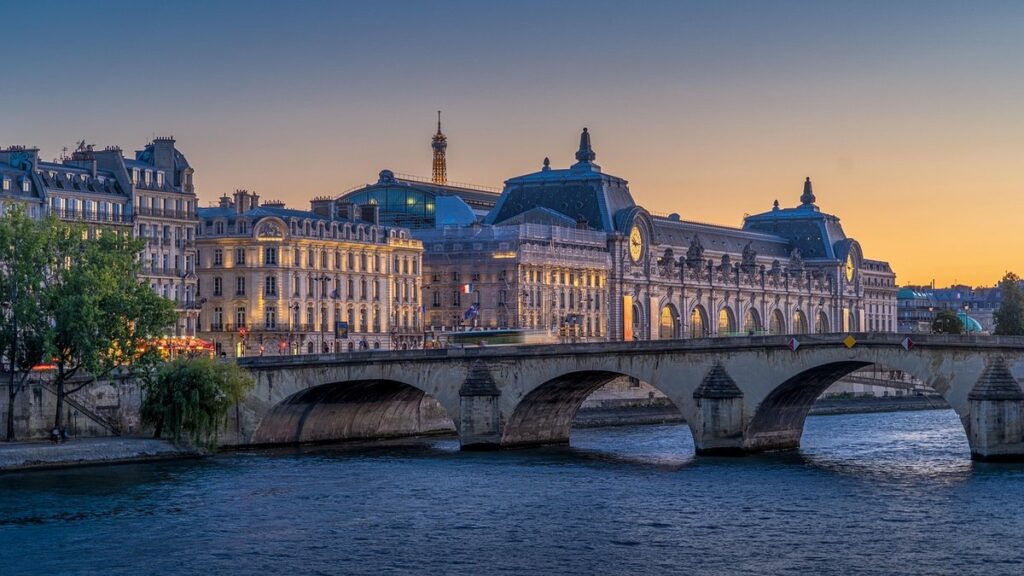
The Musée d’Orsay, located on the Left Bank in Paris, is home to an impressive array of Impressionist and Post-Impressionist masterpieces. Its collection includes works by Renoir, Degas, and Seurat, among others. A short walk from the Orsay, the Rodin Museum showcases the life and work of French sculptor Auguste Rodin, featuring some of his most famous pieces, including “The Thinker” and “Gates of Hell.”
To appreciate these museums fully, consider visiting during non-peak hours to avoid crowds. Many offer guided tours or audio guides in multiple languages, allowing visitors to delve deeper into the artwork on display. By exploring these iconic institutions, you gain a deeper understanding of France’s artistic past and its enduring influence on contemporary culture.
Film and Cinema in France
French cinema has a rich history of producing iconic filmmakers and films that have shaped global culture, from Jean-Luc Godard to Juliette Binoche’s breakout roles. We’ll explore this cinematic legacy in more depth here.
New Wave and its Legacy
The French New Wave movement of the 1960s had a profound impact on global cinema, cementing France’s reputation as a hub for innovative filmmaking. Directors like Jean-Luc Godard, François Truffaut, and Éric Rohmer revolutionized storytelling with their emphasis on location shooting, handheld cameras, and non-linear narratives. Their influence can be seen in the work of international directors such as Martin Scorsese, Steven Spielberg, and Quentin Tarantino.
Godard’s “Breathless” (1960) is often cited as a seminal film that captured the essence of New Wave style. Truffaut’s “The 400 Blows” (1959) was one of the first films to feature location shooting in Paris, giving audiences an intimate glimpse into French youth culture. Éric Rohmer’s minimalist approach and focus on character-driven stories have inspired a generation of filmmakers.
Today, students of film can learn from the New Wave movement by experimenting with unconventional storytelling techniques and emphasizing authenticity over traditional narrative structures. By embracing the spirit of innovation that defined French New Wave, aspiring directors can create fresh, innovative works that pay homage to the past while forging new paths in global cinema.
Modern French Filmmaking: Trends and Themes
French filmmakers have been making waves globally with their unique brand of storytelling. Recent trends and themes in contemporary French cinema reflect the country’s cultural identity. For instance, films like “Amélie” showcase the quirky charm of Parisian life, while “The Intouchables” highlights the complexities of social class. The gritty realism of “Rust and Bone” underscores the struggles faced by everyday people.
One notable trend is the emphasis on human connection and relationships in French cinema. These themes are often rooted in the country’s literary tradition, which prioritizes introspection and emotional depth. This focus on character-driven storytelling has led to a surge in popularity for films that explore complex social issues.
Another theme emerging in modern French filmmaking is the celebration of everyday heroes. “The Intouchables” is an example of this trend, featuring an unlikely friendship between two men from different walks of life. This type of storytelling not only reflects French values but also offers a fresh perspective on the human experience.
César Awards and the French Film Industry
The César Awards are the most prestigious honors in French cinema, recognizing excellence in filmmaking and acting. Presented annually since 1976, these awards have become an integral part of the French film industry’s identity. The ceremony is often referred to as the French Oscars, drawing comparisons with the Academy Awards.
Notable winners include Jean-Pierre Jeunet’s Amélie, which won a record eight Césars in 2002, and Laurent Cantet’s Time Out, which took home three awards in 2003. These films showcase the diversity of French cinema, from romantic comedies to socially conscious dramas.
The César Awards also provide a platform for emerging talent, with many nominees going on to achieve international recognition. Some notable nominations include Quentin Dupieux’s Rubber, which received two César nominations in 2011, and Léa Seydoux’s role in Blue Is the Warmest Color, which earned her a César nomination in 2014.
To better understand French cinema, watch some of these award-winning films and attend the César Awards ceremony if possible. The event is typically held in Paris each February, attracting industry professionals and film enthusiasts alike. This provides a unique opportunity to experience French culture firsthand and appreciate the country’s rich cinematic heritage.
Music and Dance in France
From the iconic cabarets of Montmartre to the energetic rave scenes, music and dance have played a vital role in shaping French culture and identity over time. We’ll delve into some of France’s most famous musical exports and traditional dances.
History of French Opera and Ballet
French opera and ballet have a rich history dating back to the 17th century. The first French opera, “Le Cid,” was composed by Pierre Corneille and performed in 1637 at the Palais-Royal. This marked the beginning of a long tradition of grand operas that would become synonymous with French culture. Composers like Jean-Baptiste Lully and André Campra made significant contributions to this genre, while choreographers such as Louis XIV’s favorite dancer, Louis Pécour, helped establish ballet as an integral part of French opera.
The 19th century saw the rise of Romantics like Hector Berlioz, who infused French music with a sense of drama and emotion. The Paris Opera became a hub for innovation and experimentation, hosting works by composers like Richard Wagner and Giuseppe Verdi. In ballet, choreographers like Marius Petipa and Jean Coralli helped solidify the five-act structure that would become standard in classical ballet.
Today, French opera and ballet continue to thrive, with institutions like the Palais Garnier and the Opéra National de Paris showcasing both classic and contemporary works. The Opéra National Ballet, founded by Roland Petit, has been at the forefront of modern ballet, pushing boundaries with its innovative productions.
Contemporary French Music: From Pop to Electronic
French music has become increasingly diverse and innovative over the past few decades. Pop music, for instance, has been reinvented by artists like Christine and the Queens, who blend traditional French chanson with modern electronic beats. This fusion of styles is a hallmark of contemporary French pop, which often incorporates elements of hip-hop, rock, and other genres.
Electronic music also plays a significant role in France’s musical landscape. M83, a band from the Provence region, has gained international recognition for its sweeping soundtracks that evoke the country’s rich cinematic heritage. Their use of atmospheric synths and haunting melodies captures the essence of French electronic music, which often explores themes of nostalgia and longing.
French hip-hop has also experienced a resurgence in popularity, with artists like MC Solaar and Kery James pushing the boundaries of lyrical storytelling and socially conscious commentary. To get a taste of modern French music, listeners can explore streaming platforms like Spotify or Deezer, where they’ll find curated playlists showcasing the country’s most innovative and eclectic artists. By exploring this vibrant musical scene, visitors to France can gain a deeper understanding of the nation’s cultural identity and creative spirit.
Traditional French Folk Music and Dance
Traditional French folk music and dance styles have a rich history in modern France. Chanson, for example, is a traditional French singing style characterized by its emotional intensity and poetic lyrics. Artists like Édith Piaf and Georges Brassens are iconic figures of the chanson genre. You can still find contemporary artists drawing inspiration from this style.
Cabaret music and dance also have a long tradition in France. This lively and theatrical form of entertainment often features singing, dancing, and storytelling. The Moulin Rouge is one of Paris’ most famous cabarets, offering a classic experience to visitors. Many modern French artists incorporate elements of cabaret into their performances, blending traditional styles with contemporary sensibilities.
Despite the rise of global pop music, traditional French folk music and dance continue to be celebrated in France. You can find these genres performed at various festivals throughout the year, such as the Francofolies festival in La Rochelle. These events showcase a diverse range of traditional and modern French music, demonstrating the nation’s commitment to preserving its cultural heritage while innovating for the future.
Food and Drink Culture
From haute couture cuisine to humble bistros, France’s food and drink culture is an integral part of its charm, reflecting the country’s rich history and regional diversity.
Haute Cuisine and Fine Dining
French haute cuisine is a cornerstone of the country’s food culture, with its intricate preparations and exquisite presentation making it a sought-after experience for gourmands worldwide. Michelin-starred restaurants like Joël Robuchon’s eponymous Parisian establishment and Alain Ducasse’s Le Louis XV in Monaco embody this high-end culinary approach. Chefs like these two legends often push the boundaries of traditional French cuisine, experimenting with innovative techniques while maintaining respect for heritage ingredients.
A meal at a Michelin-starred restaurant is not just about indulging in exquisite flavors; it’s also an exercise in sensory exploration. Each dish is carefully crafted to delight the palate and engage the senses, often featuring precise presentation, nuanced flavor profiles, and expertly paired wines. For those who want to experience haute cuisine firsthand but can’t afford a multi-course tasting menu at a Michelin-starred restaurant, consider visiting smaller, two- or one-Michelin-starred establishments for more approachable yet still exceptional dining experiences.
French culinary schools like Le Cordon Bleu and Ferrandi also offer training in traditional French cooking methods, providing aspiring chefs with the foundation to create authentic haute cuisine dishes.
Everyday Eating and Bistro Culture
French culture is often characterized by its rich culinary traditions. Everyday eating habits revolve around boulangeries, which serve freshly baked bread, and bistros, where one can enjoy a simple yet satisfying meal. The importance of bread cannot be overstated – it’s not just a staple food but also a cultural icon. You’ll find baguettes, croissants, and pain au chocolat on every corner, often enjoyed with a cup of coffee or hot chocolate.
Bread is typically served alongside cheese and wine, which are integral to French culture. Cheese platters, known as fromage, are a common sight in French households and bistros alike. Wine plays a significant role in mealtimes, with many restaurants offering an extensive selection by the glass. When dining out, consider ordering a carafe of wine – it’s often more cost-effective than buying individual glasses.
In bistro culture, meals are usually served à la carte, allowing you to choose from a variety of dishes and flavors. Classics like steak tartare, escargots, and ratatouille are popular choices. Don’t be afraid to ask for recommendations or try something new – the beauty of French cuisine lies in its diversity and regional specialties.
Regional Specialties and Wine Production
French cuisine is renowned for its rich diversity, with each region boasting unique specialties that reflect local ingredients and traditions. In Provence, the sun-drenched south, you’ll find flavors influenced by Italian and Mediterranean cuisines. Here, ratatouille, a hearty vegetable stew, originates from the city of Nice. Meanwhile, in Brittany’s rugged coastline, seafood prevails, with mussels and crepes being staples.
Wine production is equally diverse, with notable regions like Bordeaux and Champagne dominating international markets. Burgundy, however, is celebrated for its Pinot Noir and Chardonnay varieties. France’s most prized wine region is arguably Alsace, where the Gewürztraminer grape yields distinctive aromas and flavors. Visitors can explore vineyards and taste local wines in these regions.
While you may not have space to try every specialty or visit each wine-producing area, understanding regional differences will enrich your appreciation for French cuisine. Start by sampling dishes like escargots (snails) from the south or crêpes from Brittany. Similarly, consider visiting smaller-scale wineries and vineyards in addition to larger, more touristy ones. This nuanced exploration of France’s culinary landscape offers a glimpse into its distinct cultural identity.
Frequently Asked Questions
How Can I Incorporate French Chic into My Everyday Wardrobe on a Budget?
You can incorporate French chic into your everyday wardrobe without breaking the bank by investing in timeless pieces that fit well, such as a classic white shirt or a pair of tailored trousers. Look for affordable options at thrift stores or during sales. Also, learn to mix high-end and low-end pieces to create a polished look.
Can I Really Master French Cooking Without Living in France?
While experiencing the culinary culture firsthand is ideal, you can still master French cooking from scratch by following trusted recipe sources, practicing technique, and experimenting with ingredients. Focus on learning fundamental techniques like sauce making and cooking methods, which are transferable to any kitchen.
Is There a Difference Between Impressionist and Post-Impressionist Art?
Yes, there is a significant difference between Impressionist and Post-Impressionist art movements. Impressionism focused on capturing light and color, while Post-Impressionism emphasized emotion and distortion of form. Understanding the distinct characteristics of each movement can enhance your appreciation for French art.
What’s the Best Way to Experience Modern French Cinema if I’m Not Fluent in French?
You don’t need to be fluent in French to appreciate modern French cinema. Many films come with English subtitles, and some even have English dialogue. Start by watching critically acclaimed films like “Amélie” or “The Intouchables,” which showcase the country’s contemporary culture.
How Can I Learn More About Traditional French Music and Dance?
To learn more about traditional French music and dance, explore local cultural organizations in your area that offer classes or workshops on chanson, cabaret, or folk dancing. You can also watch videos online of traditional performances to get a sense of the movements and styles.