Italian cuisine has a rich history that spans centuries, with various regions contributing their unique flavors and specialties to the country’s diverse culinary landscape. You might be familiar with the classic dishes like spaghetti carbonara, pizza margherita, or risotto alla Milanese, but there’s so much more to explore beyond these iconic favorites. From the northern regions of Italy, where rich meat stews and creamy risottos reign supreme, to the southern tip of Calabria, where spicy ‘nduja sauce adds a bold twist to traditional dishes, Italian food is a reflection of the country’s cultural heritage and geographic diversity. In this comprehensive guide, we’ll take you on a culinary journey through Italy’s most popular regional specialties, modern twists on classic dishes, and the evolution of its rich culinary history. By the end of this article, you’ll have a deep understanding of Italy’s diverse food scene and be able to explore its many flavors with confidence.
History and Origins of Italian Cuisine
Italian cuisine has a rich history dating back to ancient times, shaped by the country’s strategic location and cultural exchange between Mediterranean civilizations. From humble peasant dishes to refined courtly feasts, these influences have evolved into the diverse regional specialties we know today.
Early Influences on Italian Cooking
The ancient Greeks and Romans played a significant role in shaping the early history of Italian cuisine. The Mediterranean diet, which emphasizes fresh vegetables, fruits, whole grains, and healthy fats, has its roots in these civilizations. The Greek influence can be seen in dishes such as pasta with tomato sauce, which is believed to have originated from the ancient Greek love of flatbread topped with olive oil, herbs, and other ingredients.
The Romans, on the other hand, introduced their own culinary traditions to Italy, including the use of garum (fish sauce) and defrutum (a sweetener made from boiled-down fruit). They also adopted many Greek dishes, adapting them to their own tastes. For example, they replaced Greek flatbread with Italian bread, creating a foundation for the crusty loaves that are still enjoyed today.
As these ancient civilizations interacted and exchanged ideas, they created a rich culinary landscape that would eventually become Italian cuisine as we know it. The legacy of Greek and Roman cooking can be seen in many modern Italian dishes, from hearty stews to delicate pasta preparations. By understanding the early influences on Italian cooking, you’ll gain a deeper appreciation for the country’s culinary heritage and be inspired to try new flavors and techniques in your own kitchen.
Regional Variations in Italian Food
Italian cuisine is often characterized as a unified whole, but in reality, its rich diversity stems from regional variations. From north to south, each area has developed its unique flavor profiles and cooking techniques, shaped by local ingredients, climate, and cultural traditions. For instance, the northern regions of Piedmont and Lombardy are famous for their rich risottos and polentas, while the coastal areas of Liguria and Campania boast a bounty of fresh seafood.
In contrast, the southern regions of Calabria and Puglia have a strong emphasis on olive oil, garlic, and robust flavors. The island of Sicily, with its strategic location between Europe, Africa, and the Middle East, has absorbed influences from these cultures, resulting in distinctive dishes like arancini (stuffed rice balls) and cannoli (fried pastry shells). Understanding these regional differences can help you navigate Italian menus and explore new flavors when traveling or cooking at home.
Some key regional specialties to look out for include:
• Risotto alla Milanese, a classic from Lombardy made with saffron-infused risotto and served with ossobuco
• Fritto misto, a mixed fry of seafood and vegetables popular in Liguria and Campania
• Pollo alla cacciatora, a hearty hunter-style chicken dish originating from Tuscany
The Role of Family and Tradition in Italian Cooking
Italian cooking is deeply rooted in family traditions and cultural heritage. The influence of these factors can be seen in the way ingredients are selected, recipes are passed down through generations, and techniques are refined over time. For example, nonna’s old pasta recipe might use a specific type of flour that’s been used by her family for decades, imparting a unique flavor to the final dish.
In many Italian households, mealtimes are still sacred gatherings where family members come together to share stories and traditions. The act of cooking and sharing meals is not just about sustenance but also about preserving cultural heritage. Children learn by observing their elders, absorbing techniques and recipes that have been passed down through generations.
When exploring traditional Italian cuisine, consider the importance of respecting these family traditions and cultural influences. For instance, if making a classic lasagna, use authentic ingredients like San Marzano tomatoes and Parmigiano-Reggiano cheese to maintain the dish’s integrity. Similarly, when cooking with non-traditional ingredients or techniques, be mindful of how they might alter the dish’s essence. By respecting these traditions, you can create authentic Italian dishes that honor the country’s rich culinary heritage.
Classic Italian Dishes Everyone Should Know
Let’s start with some timeless classics that never go out of style, and explore the essential dishes every Italian food lover should have on their culinary radar. From pasta to pizza, we’ll cover the must-knows.
Pasta: A Staple of Italian Cuisine
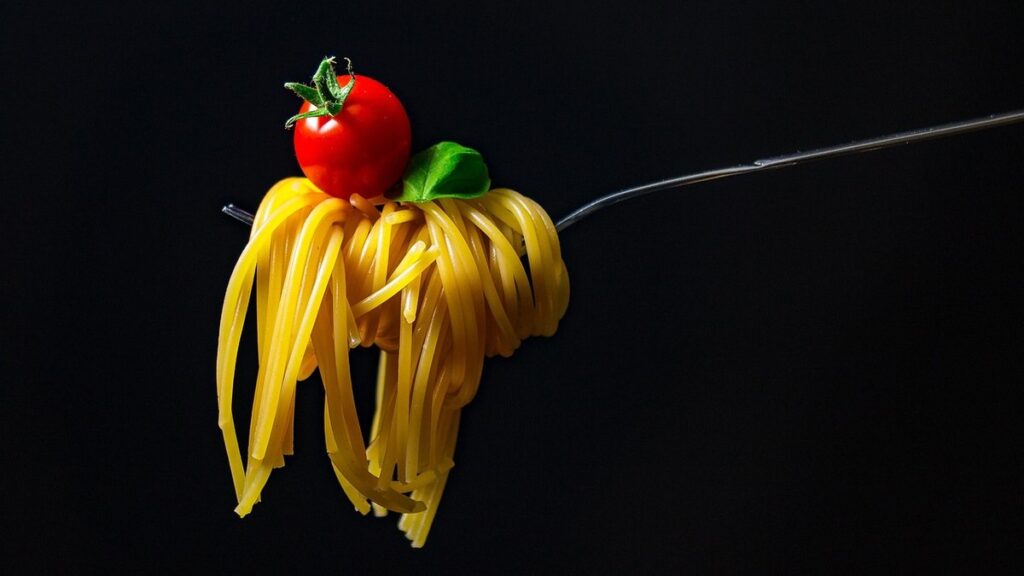
Pasta is a fundamental component of Italian cuisine, with a rich variety of shapes, sizes, and cooking methods to explore. You’ll find long, thin strands like spaghetti and linguine, tubular pasta like penne and rigatoni, and even delicate shapes like tortellini and agnolotti. Traditional sauces are equally diverse, ranging from the classic tomato sauce served with spaghetti to creamy Alfredo sauce accompanying fettuccine.
To create a delicious pasta dish, start by choosing a suitable cooking method: boiling, steaming, or pan-frying. For long, thin shapes like spaghetti and linguine, boiling is usually the best option. However, for thicker shapes like pappardelle and rigatoni, a mixture of boiling and pan-frying can achieve a satisfying crunch on the outside and tenderness within.
Some popular pasta combinations include pairing spaghetti with tomato sauce, fettuccine with Alfredo sauce, and penne with pesto. To elevate your pasta game, experiment with different shapes and sauces to find unique pairings that suit your taste. Don’t be afraid to add protein like meatballs or seafood to make a heartier meal. With practice, you’ll develop the skills to create mouth-watering pasta dishes that are sure to please even the most discerning palates.
Risotto and Polenta: Hearty Northern Italian Favorites
Northern Italy is home to some of the most comforting and satisfying dishes in all of Italy. Two staples of Northern cuisine are risotto and polenta, both of which showcase the region’s hearty and rich flavors. A traditional Venetian risotto alla pescatora, for example, features succulent seafood such as shrimp, mussels, and clams cooked in a flavorful white wine broth with saffron-infused Arborio rice.
Meanwhile, cornmeal polenta is a staple of the Po Valley region, where it’s often served with rich meat ragùs or braised game meats. The key to making great polenta is using high-quality cornmeal and cooking it slowly over low heat, stirring constantly, until it reaches the desired creamy consistency.
If you want to try your hand at making authentic Northern Italian risotto or polenta, start by investing in a good quality cornmeal or Arborio rice. Experiment with different flavor combinations, such as adding wild mushrooms to your risotto or using truffle oil to give your polenta an extra boost of umami flavor.
Pizza: Italy’s Beloved Street Food Turned Global Phenomenon
Pizza originated in Naples in the late 18th century as a simple flatbread cooked in wood-fired ovens. Initially topped with ingredients like olive oil, garlic, and anchovies, pizza eventually gained popularity throughout Italy, particularly among working-class Neapolitans. By the mid-20th century, pizzerias began to spring up across Naples, offering a range of toppings that catered to local tastes.
As Italian immigrants traveled abroad, they introduced their beloved street food to new audiences. In the United States, for example, pizza gained immense popularity in the 1950s and ’60s, with classic topping combinations like pepperoni and mushroom becoming staples. Similarly, in Australia, meat-lovers’ pizzas featuring barbecue sauce, ham, and bacon became a favorite.
Today, pizza is enjoyed worldwide, with regional variations emerging to reflect local tastes. In Japan, for instance, pizzas often feature seafood, such as shrimp or scallops, while in India, vegetarian options like paneer and bell peppers are popular. Despite its global proliferation, authentic Neapolitan-style pizza remains a benchmark for quality, characterized by its soft crust, fresh tomato sauce, and melted mozzarella cheese.
Regional Specialties and Hidden Gems
As we explore Italy’s diverse culinary landscape, let’s take a closer look at some regional specialties that showcase the country’s incredible diversity. From seafood risotto to rich meat stews, each region has its own unique flavors to discover.
Tuscan Cuisine: Simple yet Elegant
Tuscan cuisine is a masterclass in simplicity and elegance. At its core, it’s about letting high-quality ingredients shine, rather than relying on elaborate sauces or complicated preparations. Olive oil, for instance, is the primary fat used in Tuscan cooking, adding a rich depth to dishes without overpowering them.
Vegetables play a starring role in Tuscan cuisine, with many recipes featuring artichokes, eggplant, and zucchini. These vegetables are often paired with rich meat dishes like bistecca alla fiorentina (grilled T-bone steak) or pappardelle al cinghiale (wild boar ragù). The combination of tender meats and robust vegetables creates a harmonious balance that’s quintessentially Tuscan.
When cooking at home, try to emulate the simplicity of Tuscan cuisine by focusing on a few key ingredients. For example, use a high-quality olive oil as the base for your sauces, and let the natural flavors of your vegetables shine through. Don’t be afraid to cook meats low and slow to develop rich, unctuous textures. By keeping things simple, you’ll be able to showcase the beauty of Tuscan cuisine in all its uncomplicated glory.
Venetian Seafood and Cicchetti Culture
The Veneto region boasts an impressive array of seafood specialties, with popular options including fegato alla veneziana, a creamy liver and onion sauce served over polenta, and risotto al nero di seppia, made with cuttlefish ink. You can also find fresh seafood dishes like bigoli in salsa, featuring tender squid and clams.
In addition to these dishes, the Veneto region is famous for its cicchetti culture – small snacks that are typically served in bars. Cicchetti are similar to Spanish tapas or French apéritifs, and they’re designed to be shared with friends while socializing over a drink. You can find a wide variety of cicchetti at bacari, the Veneto’s equivalent of a wine bar.
Some popular cicchetti options include fried anchovies, grilled shrimp, and marinated olives. When visiting a bar in Venice or the surrounding region, be sure to order a few cicchetti to accompany your drink – it’s a great way to experience the local culture and flavors. In particular, try visiting during peak hours (usually around 7-9 pm) when the bars are bustling with locals enjoying their cicchetti and drinks.
Sicilian Flavors: Arabic, Greek, and Italian Influences
Sicily’s unique blend of Arabic, Greek, and Italian influences has created a distinct culinary landscape. The island’s strategic location made it an attractive hub for traders and conquerors throughout history. As a result, Sicilian cuisine reflects the flavors and cooking techniques brought by various cultures.
Aromatic spices like cumin, coriander, and cinnamon were introduced by Arab traders, who also brought their expertise in rice and eggplant cultivation. Greek influence can be seen in dishes like caponata, a sweet-and-sour eggplant relish, while Italian traditions are evident in the use of olive oil, garlic, and tomatoes.
Popular Sicilian ingredients include eggplants, ricotta salata cheese, and pistachios from Bronte. Dishes like arancini (stuffed rice balls), granita (shaved ice dessert), and cannoli (fried pastry shells) showcase the island’s unique fusion of flavors. When exploring Sicilian cuisine, look for these distinctive ingredients and dishes to experience the rich cultural heritage of this Mediterranean melting pot.
Some essential Sicilian ingredients to try include:
- Eggplants in caponata or as a side dish
- Ricotta salata cheese in pasta fillings or salads
- Pistachios from Bronte in desserts like cannoli or granita
Italian Desserts and Coffee Culture
Italian desserts are a sweet surprise, and when paired with rich coffee, they create an unforgettable experience that’s quintessentially Italian. From Tiramisu to Gelato, let’s indulge in Italy’s sweet treats.
Tiramisù and Panna Cotta: Creamy, Coffee-Infused Treats
Tiramisù and panna cotta are two of Italy’s most beloved desserts, often served at the end of a meal or as a special treat. Tiramisù, which translates to “pick-me-up,” is made with ladyfingers soaked in coffee and liqueur, layered with a creamy mascarpone cheese mixture. This classic dessert is said to have originated in the Veneto region, where it was created by Italian chef Roberto Linguanotto in the 1960s.
Panna cotta, on the other hand, is a simpler dessert made from sweetened cream that’s set with gelatin. It’s often flavored with vanilla or other flavorings like coffee or fruit purees. While its origins are unclear, panna cotta has become a staple in Italian bakeries and restaurants across the country.
To make either of these desserts at home, it’s essential to use high-quality ingredients, such as mascarpone cheese for tiramisù and fresh cream for panna cotta. The ratio of coffee to mascarpone is also crucial in tiramisù, as too much coffee can overpower the delicate flavor of the cheese.
Here are a few tips for preparing these desserts:
- Use freshly brewed espresso for the best flavor in tiramisù.
- Don’t over-soak the ladyfingers in coffee or liqueur, as they’ll become soggy and difficult to layer.
- Experiment with different flavors like cinnamon or cocoa powder to give panna cotta a unique twist.
Gelato vs. Ice Cream: A Taste Comparison
When it comes to frozen treats, Italians have a clear preference for gelato over traditional ice cream. The primary reason lies in texture: gelato is denser and creamier due to its lower air content and higher fat concentration. This means that each bite offers a rich, intense flavor experience. In contrast, ice cream’s airy texture can make it feel lighter but also less satisfying.
The difference in ingredients also contributes to the distinct taste profiles of these two frozen treats. Gelato typically contains more milk than cream, resulting in a sweeter and more pronounced flavor. Ice cream, on the other hand, often relies on cream for its richness, producing a milder taste. When it comes to flavors, gelato excels at showcasing high-quality ingredients like fresh fruit or dark chocolate.
To truly experience the difference between gelato and ice cream, try visiting an authentic Italian gelateria where you can sample various flavors made with natural ingredients. Opt for traditional flavors like hazelnut or pistachio over more innovative options to appreciate the simplicity of Italian gelato-making techniques.
Italy’s Iconic Coffee Culture and Cafes
Italy’s coffee culture is a vital part of daily life, especially in the mornings. Italians typically start their day with a strong espresso at a local café, which helps them socialize and catch up on news. Cappuccino is also popular, but it’s usually consumed earlier in the morning, around 11 am. The traditional ratio for cappuccino is one-third espresso, one-third steamed milk, and one-third frothed milk.
When ordering coffee in Italy, it’s customary to specify your preferences precisely, as baristas often take pride in their work. For instance, saying “un caffè lungo” will get you a longer shot of espresso, while “un cappuccino corto” will yield a shorter version with less frothed milk.
Italy’s coffee culture is deeply rooted in tradition and regional variations exist. In Northern Italy, for example, the strong and concentrated espresso is preferred, whereas in Southern Italy, a more diluted coffee drink called Caffè Macchiato is popular.
Modern Italian Cooking and Trends
Modern Italian cooking has evolved significantly, incorporating fresh flavors, bold ingredients, and creative techniques that elevate traditional dishes to new heights. Expect a closer look at these innovative approaches in Italy’s culinary scene.
Fusion Cuisine: When Italian Meets Other Flavors
Italian cuisine has long been known for its bold flavors and versatility. One of the most exciting trends to emerge in modern Italian cooking is fusion cuisine, where traditional ingredients are combined with international flavors to create something entirely new. For example, Korean-Italian fusion dishes like kimchi risotto or bulgogi pizza have become increasingly popular in recent years.
In the US, chefs are experimenting with combining Italian favorites like prosciutto and arugula with global flavors such as Japanese miso paste or Mexican chipotle peppers. This blending of culinary traditions allows for creative reinterpretations of classic dishes and introduces new flavors to adventurous diners.
Some notable examples of fusion cuisine include the Japanese-Italian dish, tonkatsu, which features breaded and fried pork cutlet served with a side of spaghetti aglio e olio; and the Indian-Italian fusion of chicken tikka masala pasta. These innovative creations showcase the adaptability and openness to new flavors that characterize modern Italian cooking.
When attempting to create your own fusion dishes at home, remember to balance bold flavors with traditional Italian ingredients like olive oil, garlic, and herbs. This will help maintain the integrity of the dish while introducing exciting new elements.
Plant-Based Italian Food: A Growing Trend
Plant-based Italian cuisine has been gaining momentum, with many restaurants and home cooks experimenting with meatless alternatives to traditional favorites. This trend is not limited to veganism, but rather encompasses a range of dietary preferences, from vegetarian to flexitarian. To cater to this growing demand, chefs are getting creative with plant-based versions of classic dishes.
Some popular plant-based Italian options include eggplant parmesan, caprese salads made with roasted vegetables instead of mozzarella, and pasta sauces featuring meat-free protein sources like mushrooms or lentils. Many restaurants now offer separate vegan menus or indicate which dishes can be easily adapted to suit a plant-based diet.
In terms of practical advice, home cooks can start by substituting animal products in traditional recipes. For example, using nutritional yeast to replicate the cheesy flavor in lasagna or trying dairy-free alternatives like soy yogurt in place of regular yogurt. By experimenting with plant-based ingredients and flavors, you can create delicious and authentic Italian dishes that cater to a range of dietary needs.
Social Media’s Impact on Italian Food Culture
Social media has revolutionized the way people experience and engage with Italian food. Platforms like Instagram have created a visually-driven culture where users share images of their meals, often using hashtags to connect with others who share similar interests. This has led to the rise of “foodie” communities, where enthusiasts can discover new recipes, cooking techniques, and regional specialties.
In particular, social media has amplified the popularity of specific Italian dishes, such as Neapolitan pizza and risotto alla Milanese. Chefs and home cooks alike showcase their creations, using high-quality images to make mouth-watering content that encourages engagement and sharing. Hashtags like #ItalianFood, #Foodie, and #PizzaLove have become ubiquitous, allowing users to tap into a vast network of food enthusiasts.
The impact of social media on Italian food culture goes beyond mere visibility; it has also democratized access to authentic recipes and cooking techniques. Online platforms offer a wealth of resources, from simple pasta dishes to complex regional specialties. By leveraging social media, home cooks can learn from experts and connect with others who share their passion for Italian cuisine.
Frequently Asked Questions
What’s the best way to incorporate modern Italian twists into my existing cooking routine?
Modernizing your Italian cooking can be as simple as substituting traditional ingredients with creative alternatives. For example, try using plant-based alternatives or experimenting with international flavors like Korean chili flakes or Middle Eastern spices. Remember to balance innovation with classic techniques and flavor profiles to ensure that your dishes remain true to their Italian roots.
Can I make authentic-tasting Italian food without traveling to Italy?
While there’s no substitute for experiencing the real thing, you can still create authentic-tasting Italian food at home by focusing on high-quality ingredients and traditional cooking methods. Look for fresh, locally sourced produce whenever possible, and invest in a good pasta machine or risotto pan to help achieve those signature textures.
How do I know when to use gelato versus ice cream in my dessert creations?
When deciding between gelato and ice cream, consider the flavor profile you’re aiming for. Gelato is typically denser and has less air than ice cream, making it perfect for showcasing bold flavors and rich ingredients like chocolate or nuts. Ice cream, on the other hand, has a lighter texture that’s ideal for balancing sweetness with creamy textures.
Can I make Italian desserts without an espresso machine?
While traditional Italian coffee culture often involves espresso, you can still create authentic-tasting Italian desserts without one. Try using instant espresso powder or strong brewed coffee to add depth and richness to your desserts. For example, use it in tiramisù recipes or as a flavor component in panna cotta.
What are some common mistakes beginners make when trying to cook traditional Italian dishes?
One common mistake is overcomplicating simple ingredients with too many additional flavors or spices. Remember that Italian cuisine often celebrates the simplicity and quality of its individual components, so try to let your ingredients shine rather than overpowering them with too much seasoning or condiments.