Ronda Village in Spain is a treasure trove waiting to be explored. Nestled in the heart of Andalusia, this charming village has been a magnet for travelers and history buffs alike for centuries. As you wander through its cobblestone streets, you’ll discover a rich tapestry of culture, natural beauty, and iconic landmarks that have earned Ronda its reputation as one of Spain’s most captivating destinations. From the breathtaking Puente Nuevo bridge to the scenic countryside vineyards where wine tastings await, every corner of this enchanting village holds secrets and surprises in store for you. In this article, we’ll delve into the very essence of Ronda Village – its history, culture, and natural beauty – to reveal why it’s an absolute must-visit destination for anyone traveling through Spain. By the end of this journey, you’ll have a deep appreciation for what makes Ronda so special.
Introduction to Ronda Village
Nestled between the mountains of Andalusia, Ronda Village is a charming destination that seamlessly blends history and culture. Let’s get acquainted with its unique character and explore what makes it so special.
Brief Overview of Ronda’s Location and Geography
Ronda is situated in a unique position within Andalusia, Spain. The village is nestled in the valley of the Guadalevín River and surrounded by the rolling hills of the Serranía de Ronda mountain range. This geographical setup has played a significant role in shaping Ronda’s history and cultural identity.
The location of Ronda also makes it an ideal hub for exploring the surrounding countryside and natural attractions. The village is close to several national parks, including the Sierra de Grazalema Natural Park, which offers hiking trails and opportunities for birdwatching. Visitors can easily access these areas from Ronda, making it a perfect base for nature lovers.
Ronda’s strategic position has also made it an important center for trade and commerce throughout history. The village has been influenced by various cultures, including the Romans, Moors, and Christians, which is reflected in its architecture, cuisine, and traditions. Understanding Ronda’s unique geography and location provides valuable context for exploring its rich cultural heritage and historical significance.
Understanding Ronda’s History and Cultural Significance
Ronda’s history is a fascinating tapestry woven from various cultures. The Moors occupied Ronda for nearly 800 years, leaving an indelible mark on the town’s architecture and traditions. The Alcazaba fortress, built by the Moors in the 14th century, showcases their impressive engineering skills and defensive strategies.
One of the most striking aspects of Ronda is its blend of Moorish, Gothic, and Renaissance styles. The city’s narrow streets are lined with historic buildings, each telling a story of its own. Visitors can explore the 16th-century Iglesia de Santa María la Encarnación, featuring an impressive Mudéjar-style ceiling.
Ronda has also played a significant role in the region’s cultural heritage. It was an important center for arts and literature during the Moorish period, attracting scholars and poets from across the Islamic world. Today, visitors can experience this rich cultural legacy by attending one of Ronda’s many festivals and events, such as the Feria de Abril.
When walking through Ronda’s historic center, keep an eye out for unique architectural details like arches, columns, and ornate tile work – all testaments to its rich history.
Exploring Ronda Village’s Must-See Attractions
As you walk through Ronda Village, you’ll want to prioritize visiting its top attractions, from ancient architecture to breathtaking natural wonders. Let’s start with some of the must-see spots that showcase the village’s unique charm.
Visiting the Puente Nuevo: A Marvel of Engineering
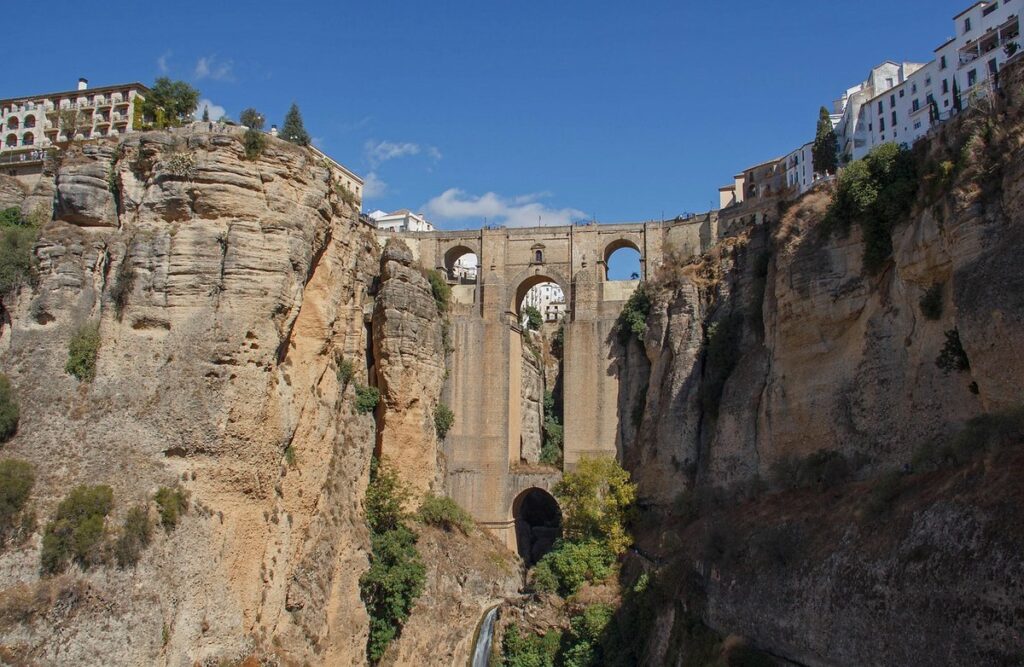
The Puente Nuevo is an engineering marvel that has become synonymous with Ronda. This 18th-century bridge spans the Guadalevín River and connects the old town to the new, its elegant arches a testament to the ingenuity of Spanish architects. The bridge’s name translates to “New Bridge,” but it was actually built as a replacement for an earlier structure that collapsed in 1741.
The Puente Nuevo’s design is remarkable for its time, with a single, sweeping arch that rises over 120 meters above the riverbed. Its construction required innovative solutions to stabilize the bridge and prevent collapse under the weight of traffic. Visitors can walk across the bridge, taking in stunning views of the gorge below.
To appreciate the bridge’s significance, consider visiting at sunset or sunrise, when the light casts a golden glow on its stone surfaces. This is also an excellent opportunity to observe local life as it unfolds beneath you, from street performers to vendors selling traditional snacks.
Discovering the Alcazaba and Arab Baths
As you wander through Ronda’s historic center, you’ll stumble upon the Alcazaba, a 14th-century Moorish fortress that served as a defensive stronghold and royal residence. This impressive complex is a testament to the city’s rich Islamic heritage and offers breathtaking views of the surrounding countryside. The Alcazaba’s walls are adorned with intricate stone carvings, while its central courtyard features a beautifully restored garden.
Adjacent to the Alcazaba lies the Arab Baths (Baños Árabes), an ancient public bathhouse that dates back to the 14th century. This well-preserved ruin provides a fascinating glimpse into daily life during Ronda’s Moorish occupation. The baths’ layout is remarkably preserved, with separate areas for men and women, as well as a central pool for ablutions.
Visitors can explore the Alcazaba and Arab Baths independently or join a guided tour to gain deeper insights into their history and significance. Be sure to bring a camera to capture the stunning architecture and picturesque settings. Allow at least an hour to fully appreciate these two historical sites, which are among Ronda’s most captivating attractions.
Ronda Village: A Haven for Nature Lovers
Tucked away in a lush valley, Ronda Village boasts an array of natural wonders that will leave nature enthusiasts spellbound and inspired. From scenic vistas to serene wildlife habitats, discover the best spots to connect with Spain’s unspoiled wilderness.
Hiking Trails and Outdoor Activities in Ronda
Ronda’s unique geography creates a haven for outdoor enthusiasts. The village is surrounded by mountains and valleys, offering numerous hiking trails for all skill levels. One of the most popular routes is the Ronda to Setenil de las Bodegas hike, which takes you through scenic countryside and along the Guadalevín River. This 12km trail typically takes around 4-5 hours to complete and offers stunning views of the surrounding landscape.
For a more leisurely experience, try the Puente Nuevo Trail, a short loop that takes you beneath the famous bridge and along the riverbank. The trail is approximately 2km long and can be completed in under an hour. Birdwatchers will love this route, as it’s home to a variety of species, including the European bee-eater.
If you’re looking for something more challenging, consider the Camino de la Villa, a 20km hike that takes you through the village’s historic center and out into the surrounding countryside. This trail offers breathtaking views of Ronda’s architecture and the surrounding landscape. Be sure to bring plenty of water and snacks, as this hike can take around 6-7 hours to complete.
Visiting the nearby Sierra de Grazalema Natural Park
The Sierra de Grazalema Natural Park is a UNESCO Biosphere Reserve located just outside Ronda, offering breathtaking scenery and diverse flora and fauna. As you enter the park, keep an eye out for the unique limestone karst landscape, shaped by millions of years of erosion. One of the highlights of visiting the park is the opportunity to spot various bird species, including griffon vultures, imperial eagles, and Bonelli’s eagles.
To make the most of your visit, consider exploring the park on foot or by bike. The well-marked trails offer a range of difficulty levels, allowing you to choose an itinerary that suits your interests and physical abilities. Be sure to bring plenty of water, sunscreen, and snacks, as services are limited within the park.
Some essential items to bring along include a map, compass, and binoculars for spotting wildlife. It’s also a good idea to visit during the early morning or late afternoon when the light is soft and the crowds are smaller. Don’t miss the stunning views from the park’s highest point, offering panoramic vistas of the surrounding countryside.
The Food and Wine of Ronda Village
Ronda Village is renowned for its delectable cuisine, showcasing a blend of Andalusian flavors, as well as an impressive selection of local wines to pair with your meals.
Traditional Andalusian Cuisine in Ronda
Ronda’s cuisine is a delicious reflection of its rich history and cultural heritage. Traditional Andalusian dishes are a staple in Ronda, with many restaurants serving authentic local specialties. One must-try dish is rabo de toro, a tender oxtail stew that originated from the days of bullfighting. You can find this hearty dish at El Mesón de San Antonio, a cozy restaurant located in the heart of the village.
Another popular Andalusian dish is gazpacho, a refreshing cold soup made from tomatoes, peppers, and cucumbers. La Moraleja, a charming tavern, serves a rich and flavorful version of this classic soup. Don’t forget to try some pan con tomate, toasted bread rubbed with garlic and tomato, a simple yet delicious snack that’s perfect for accompanying your meal.
Ronda is also famous for its local wines, particularly the sweet white wine from the nearby countryside. A visit to Bodegas la Floresta, a family-run winery, allows you to taste some of these exceptional vintages while learning about the production process.
Wine Tasting in Ronda: A Guide to Local Vintages
Ronda is a wine lover’s paradise, with its rich terroir and centuries-old winemaking tradition producing exceptional white wines. Among the most notable local vintages are the crisp and citrusy Viura, the floral and herbaceous Palomino Fino, and the rich and full-bodied Moscatel.
To experience the best of Ronda’s wine production, visit the Bodegas García Hidalgo, a family-run winery that has been producing high-quality wines since 1879. Their flagship wine, the Viura “La Puntilla”, is a masterclass in subtlety and finesse, with hints of green apple and citrus peel.
Other must-visit wineries include the Bodegas Alvear, which offers stunning views of the surrounding countryside along with its award-winning wines. The Bodegas y Viñedos Sierra de Grazalema is also worth a visit, with its unique blend of traditional techniques and modern innovations resulting in exceptional wines.
When visiting these wineries, be sure to ask about their wine-making processes and the specific characteristics of each vintage. Many local winemakers are happy to share their knowledge and passion for wine with visitors.
Accommodations and Shopping in Ronda Village
Ronda Village is a haven for travelers, offering a range of accommodations to suit every taste and budget, from cozy guesthouses to luxurious hotels. You’ll also find plenty of opportunities to shop for unique local goods and souvenirs.
Choosing the Perfect Place to Stay in Ronda
Ronda offers a diverse range of accommodations to suit every taste and budget. For those seeking luxury, boutique hotels like Hotel San Gabriel and Hotel El Tajo provide elegant rooms with stunning views of the gorge. These establishments often feature spa facilities, outdoor pools, and fine dining restaurants.
Traditional guesthouses, or “casas particulares,” offer a more authentic experience, allowing visitors to stay in historic buildings and engage with local culture. Some popular options include Casa de los Morales and Hotel Catalonia Ronda. These casas typically have cozy rooms, common areas for socializing, and the opportunity to try traditional Andalusian cuisine.
When choosing where to stay in Ronda, consider your priorities: proximity to major attractions, scenic views, or immersion in local culture. Keep in mind that some accommodations are located within walking distance of the city center, while others may require a short taxi ride or bus journey. Research and book in advance, especially during peak travel seasons, to ensure availability and secure the best rates.
Exploring Ronda’s Local Markets and Shopping Areas
When wandering through Ronda’s cobblestone streets, you’ll discover a variety of local markets and shopping areas that showcase the village’s rich cultural heritage. One of the most popular markets is the Mercado de Abastos, where visitors can sample regional delicacies like olive oil, wine, and jamón ibérico. You’ll also find an array of artisanal goods, such as hand-woven textiles, pottery, and woodcarvings.
Ronda’s shopping areas are a treasure trove for those seeking unique souvenirs or authentic local products. The town’s historic center is home to numerous boutiques selling handmade crafts, antiques, and traditional clothing. Don’t miss the opportunity to visit the Plaza de Toros, a former bullring turned shopping complex, which features an assortment of local vendors selling everything from leather goods to ceramics.
When exploring Ronda’s markets and shopping areas, be sure to haggle politely and respectfully, as is customary in Spain. You may also want to consider visiting during peak season (April-May or September-October) when the markets are at their busiest and most vibrant. By immersing yourself in these local markets and shopping areas, you’ll gain a deeper understanding of Ronda’s history, culture, and daily life.
Conclusion: Why You Should Visit Ronda Village
Ronda Village is a treasure trove of history and culture, but why should you add it to your travel itinerary? Let’s summarize the top reasons to visit this charming Spanish village.
Recap of Ronda’s Unique Charm and Attractions
Ronda’s unique charm lies in its rich history and cultural significance, seamlessly woven into its architecture, landmarks, and natural surroundings. Visitors can walk across the stunning Puente Nuevo bridge, a marvel of engineering that spans the gorge below, offering breathtaking views of the surrounding landscape. The Alcazaba, a 14th-century Moorish fortress, provides a glimpse into Ronda’s Arab past, while the adjacent Arab Baths reveal the sophisticated bathing rituals of the time.
Beyond its historic landmarks, Ronda is also a haven for nature lovers, with hiking trails and outdoor activities that allow visitors to explore the village’s picturesque surroundings. The nearby Sierra de Grazalema Natural Park offers opportunities to hike through ancient forests, spot local wildlife, and take in the region’s unique flora and fauna. As night falls, visitors can indulge in traditional Andalusian cuisine and sample some of the region’s renowned wines at one of Ronda’s many restaurants or wine bars.
Ultimately, it’s this perfect blend of history, culture, and natural beauty that makes Ronda an unforgettable destination for travelers. Whether you’re a history buff, a nature enthusiast, or simply looking to experience the authentic charm of rural Spain, Ronda has something for everyone.
Encouragement to Plan Your Trip to Ronda Village
Now that you’ve discovered the hidden gem that is Ronda Village, it’s time to start planning your trip. With its rich history, stunning architecture, and breathtaking natural surroundings, Ronda has something for every kind of traveler.
Consider visiting during the shoulder season (April-May or September-October), when the crowds are smaller and the weather is mild. This will give you ample opportunity to explore the village’s many attractions without feeling rushed. Don’t miss the vibrant Festival de Música y Danza, which takes place in July and features a range of music and dance performances.
Make sure to allow at least 3-4 days for your visit, as there’s plenty to see and do in Ronda. Prioritize your must-see attractions, such as the Puente Nuevo and Alcazaba, but also leave some time for spontaneity and exploration. Be sure to check out local events and festivals during your stay, which often take place in the village square or at nearby venues.
Lastly, don’t forget to try some of Ronda’s delicious Andalusian cuisine, which is characterized by fresh seafood, locally-grown produce, and rich olive oil. With its perfect blend of history, culture, and natural beauty, Ronda Village is an unforgettable destination that will leave you yearning for more.
Frequently Asked Questions
How long should I plan to spend in Ronda Village?
Ronda is a relatively small village, but there’s plenty to see and do. We recommend spending at least 3-4 days exploring the village and its surroundings. This will give you time to visit all the major attractions, try some of the local cuisine, and get a feel for the village’s unique atmosphere.
Can I explore Ronda Village on my own or is it better with a guide?
While it’s possible to explore Ronda on your own, hiring a guide can be beneficial. A guide can provide valuable insights into the village’s history, architecture, and culture, as well as recommend some of the local hidden gems that you might not have discovered otherwise.
What if I’m traveling on a budget? Can I still enjoy Ronda Village?
Ronda is generally a affordable destination, with plenty of options for accommodation and dining to suit all budgets. Look for hostels or guesthouses outside of the village center, or consider staying in nearby towns like Málaga or Antequera.
How do I get around Ronda Village if I don’t have a car?
Ronda is a relatively compact village, and many of its main attractions are within walking distance. You can also use public transportation or taxis to get around, although this may be more expensive. If you’re planning to explore the surrounding countryside, consider renting a bike or booking a guided tour.
Can I visit Ronda Village during peak tourist season (June-August)?
While Ronda is a popular destination year-round, peak tourist season can be quite crowded and hot. If you prefer smaller crowds, consider visiting in spring (April-May) or autumn (September-October), when the weather is still pleasant but the village is less busy.