Traditional German cuisine is often misunderstood as being heavy and bland, but in reality, it’s a rich and diverse reflection of the country’s history and regional diversity. Hearty dishes like schnitzel and sausages are staples in many German households, but there’s so much more to explore beyond these familiar favorites. With its strong emphasis on local ingredients and traditional cooking techniques, German food is a true celebration of the country’s culinary heritage. From the spicy sauerkraut of Bavaria to the sweet pastries of Berlin, each region has its own unique specialties that showcase the country’s incredible diversity. In this comprehensive guide, we’ll take you on a journey through the heart of traditional German cuisine, highlighting regional specialties and cooking techniques that will give you the confidence to try new recipes at home. By the end of this article, you’ll have a deeper understanding of Germany’s rich culinary history and be able to prepare authentic German dishes with ease.
History of German Cuisine
German cuisine has a rich and storied past, shaped by centuries of cultural exchange and regional traditions that continue to influence its development today. From medieval times to modern-day classics.
Early Influences on German Cooking
The early influences on German cooking were shaped by a diverse array of ancient cultures. The Celts, who inhabited much of modern-day Germany from 800 BCE to 100 CE, introduced their own culinary traditions, including the use of salted meats and fish. As the Roman Empire expanded its territories, they brought with them new ingredients like garlic, onions, and wine. These flavors were incorporated into German cooking, particularly in sauces and marinades.
The Franks, a Germanic tribe that conquered much of Europe during the 5th to 10th centuries, also left their mark on German cuisine. They introduced dairy products like cheese and butter, which became staples in many traditional dishes. The Frankish influence can be seen in the rich flavors and creamy textures found in sauerkraut-based recipes and hearty meat stews.
Early Middle Eastern and Mediterranean trade routes also played a significant role in shaping German cooking. Merchants brought exotic spices like cinnamon, pepper, and coriander from Asia Minor, which were used to flavor meats and soups. The use of olive oil, popularized by the Romans, remained a staple in southern German cuisine. These diverse influences combined to form the rich tapestry that is traditional German food.
Traditional Ingredients in German Cooking
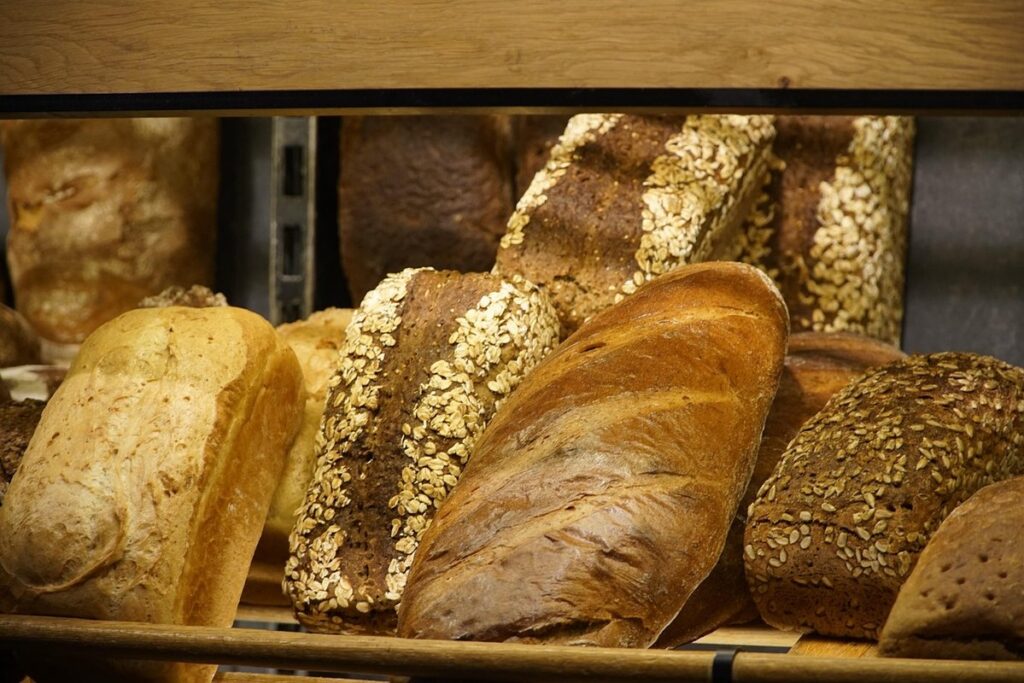
Meat plays a starring role in traditional German cooking, with beef, pork, and lamb featuring prominently on menus. Sausages like Bratwurst and Weisswurst are staples of Bavarian cuisine, while Sauerbraten – a pot roast made from beef – is a classic dish that showcases the country’s love for slow-cooked meats. Bread is another essential ingredient, with dark rye bread (Schwarzbrot) being a staple in many German households.
Potatoes and cabbage are also fundamental to traditional German cooking. Kartoffeln (potatoes) are boiled or mashed and served as a side dish, while Sauerkraut – shredded cabbage fermented in its own juice – adds flavor to everything from sausages to stews. Beer is not just a drink in Germany but also an ingredient used to add depth and richness to sauces and marinades. A popular beer-based sauce is Senfsoße, made by mixing beer with mustard and vinegar.
When cooking traditional German dishes, don’t be afraid to experiment with these staple ingredients. For example, try adding some caraway seeds or coriander to your meat stews for an authentic flavor.
Regional Specialties of Germany
From the spicy sausages of Bavaria to the delicate fish dishes of the North Sea coast, regional specialties play a big role in German cuisine. Let’s take a culinary tour of some of these delicious local favorites.
Southern Bavaria’s Hearty Fare
Southern Bavaria is renowned for its rich culinary heritage, shaped by centuries of cultural influences and traditional cooking methods. The region’s hearty fare is a testament to this history, with popular dishes like Schnitzel, Sauerbraten, and Leberkäse taking center stage.
Schnitzel, typically made from veal or pork, is often served with a side of lemon wedges and fries, offering a satisfying combination of crispy exterior and tender interior. The classic dish has its roots in Austrian cuisine but has become an integral part of Bavarian tradition.
Sauerbraten, a pot roast dish marinated in vinegar, water, and spices, is another staple of southern Bavaria’s culinary scene. This flavorful dish requires patience – it typically takes around 24 hours to prepare – but the end result is well worth the effort.
Leberkäse, a type of meatloaf made from ground beef and pork, is often served sliced thin and accompanied by a side of potatoes or salad. The name “leber” translates to liver in English, despite the dish not containing any actual organ meats – a testament to German culinary tradition’s love for creative naming conventions.
Bavaria’s emphasis on rich flavors, hearty portions, and traditional cooking methods has resulted in a distinct regional cuisine that continues to captivate food enthusiasts worldwide.
Northern Cuisine: Hamburg and Beyond
Northern Germany’s coastline offers an abundance of fresh seafood, which has naturally influenced the local cuisine. In the Hamburg region, you’ll find a variety of fish dishes, such as Labskaus, a traditional corned beef and beetroot dish served with a fried egg on top of mashed potatoes, often accompanied by a side of pickled herring or fried plaice.
In neighboring Mecklenburg-Vorpommern and Schleswig-Holstein, you’ll discover other regional specialties. For instance, the city of Rostock is famous for its fish soup, while the island of Fehmarn is known for its smoked eel. These dishes not only showcase the region’s access to fresh seafood but also highlight the importance of local ingredients in traditional German cooking.
Some popular fish markets and restaurants along the coast offer a chance to try these regional specialties firsthand. In Hamburg’s famous Fish Market, you can sample a variety of fresh seafood, including raw oysters and grilled mackerel. When visiting Mecklenburg-Vorpommern or Schleswig-Holstein, be sure to try some of the local fish dishes, such as Labskaus in Hamburg, fish soup in Rostock, or smoked eel on Fehmarn Island.
Traditional German Main Courses
One of the highlights of traditional German cuisine is its rich and flavorful main courses, often centered around meat, potatoes, and vegetables. Let’s take a closer look at some of these beloved dishes from Germany’s diverse regions.
Meat Dishes: Sauerbraten to Weisswurst
Sauerbraten, a pot roast marinated in vinegar, water, and spices, is a classic German dish that’s both tender and flavorful. The long marinating process – typically several days – breaks down the connective tissues in the meat, resulting in a fall-apart texture. This method of preparation also infuses the beef with a rich, tangy flavor.
In contrast to Sauerbraten, Schweinshaxe (roasted pork knuckle) is often served as a special occasion dish due to its indulgent nature. The crispy, caramelized skin gives way to tender meat that’s been slow-cooked in its own juices. To achieve this perfect balance of textures and flavors at home, it’s essential to roast the pork over low heat for an extended period – typically around 2-3 hours.
Weißwurst, a traditional breakfast sausage from Munich, is often served with sweet mustard and a soft pretzel. The veal and pork mixture is seasoned with salt, pepper, and nutmeg before being stuffed into natural casings and cooked in boiling water for just a few minutes. When ordering Weisswurst at a German bakery or café, it’s customary to ask for “Weißwurst mit Senf und Brezel” (with mustard and pretzel).
Potato-Based Dishes: Käsespätzle to Kartoffelpuffer
Potatoes are a staple ingredient in traditional German cuisine, often taking center stage in various regional specialties. Käsespätzle, for example, is a classic Bavarian dish consisting of cheese-topped noodles that are typically served with onions and paprika. This comforting meal has its roots in the Alpine regions, where it’s still a beloved staple.
Another popular potato-based dish is Kartoffelpuffer, or German-style potato pancakes, which are often served during Oktoberfest celebrations. These crispy treats are made by grating potatoes, onions, and sometimes eggs, then pan-frying them until golden brown.
Kartoffelklöße, also known as potato dumplings, are another traditional side dish that pairs well with a variety of German main courses. To make Kartoffelklöße at home, you’ll need to boil diced potatoes until tender, then mix in flour and egg to create a dough-like consistency. Shape the mixture into small balls or patties and boil them for an additional 10-15 minutes. When served with a side of gravy or sauce, Kartoffelklöße can be a satisfying addition to any meal.
Some German cooks also like to add bacon or onions to their Kartoffelpuffer for extra flavor, while others may use different types of cheese in their Käsespätzle recipes. Experimenting with these variations can help you develop your own unique potato-based dishes that capture the essence of traditional German cuisine.
Traditional German Desserts
Traditional German desserts are a delightful way to cap off a hearty meal, and we’re excited to share some classic favorites from across the country. Think apple strudel, blackforest cake, and more!
Fruit-Filled Pastries: Apfelstrudel to Rote Grütze
Germany’s fruit-filled pastries are a staple of traditional German desserts. Apfelstrudel, a classic pastry filled with apples, sugar, and cinnamon, is often served as a sweet treat or dessert. The traditional recipe involves layering the dough with apple filling and rolling it into a tight cylinder before baking. This pastry has been a beloved dessert in Germany for centuries and remains a popular choice at bakeries and cafes across the country.
Rote Grütze, another beloved German dessert, is a type of red fruit pudding made from a mixture of fresh berries such as raspberries, strawberries, and cherries. The berries are cooked with sugar and water to create a thick, syrupy sauce that’s often served over vanilla ice cream or mopped up with bread. This dessert is a staple in many German households during the summer months when fresh berries are in season.
When making Rote Grütze, it’s essential to use a mixture of berries for their unique flavor and texture profiles. A combination of sweet strawberries and tart raspberries creates a balanced taste experience that’s quintessentially German. Simply cook your chosen berries with sugar and water until the mixture has thickened, then serve over ice cream or bread. This dessert is perfect for warm weather and showcases the simplicity and elegance of traditional German cuisine.
Chocolatey Treats: Schwarzwälder Kirschtorte to Black Forest Cake
Chocolate has a long history of integration into German confectionery, and no two desserts embody this better than the Schwarzwälder Kirschtorte and Black Forest cake. These iconic treats originated in the 19th century in Germany’s southwestern region. The Schwarzwälder Kirschtorte is named after the Black Forest, where it was first created by Franz Keller in the town of Triberg. This classic dessert consists of chocolate cake, whipped cream, and cherries, but its crowning glory is the addition of a splash of cherry liqueur.
In contrast, the Black Forest cake’s ingredients are often adjusted to include more chocolate shavings or even chocolate mousse. Despite their differences, both desserts remain quintessential representations of German confectionery. If you’re looking to try making either dessert at home, keep in mind that high-quality dark chocolate is essential for achieving the right balance of flavors.
For the Schwarzwälder Kirschtorte, be sure to use a good cherry liqueur – such as Kirsch or Cherry Heering – and don’t overdo it with the whipped cream. For Black Forest cake, you can experiment with different types of chocolate, but remember that using high-quality cocoa powder will yield better results than relying on artificial flavorings.
Traditional German Beverages
German beverages are just as rich and diverse as its cuisine, from hearty beer to traditional fruit juices and sparkling water infused with herbs. Let’s start with a selection of Germany’s most beloved drinks.
Beer in Germany: History and Culture
Beer has been an integral part of German culture for centuries. The country’s brewing traditions date back to the 16th century, with the Reinheitsgebot (German Beer Purity Law) established in 1516. This law dictates that beer can only be made from three ingredients: barley, hops, and water. Germany is home to over 1,300 breweries, producing a wide range of styles.
Some popular German beers include Weissbier (wheat beer), Bock, and Lager. Weissbier is a cloudy, top-fermented wheat beer that’s typically served in tall glasses with a lemon wedge. Bock is a strong, dark lager often enjoyed during the winter months. In Bavaria, it’s customary to drink Weissbier at Oktoberfest celebrations.
When visiting Germany, you can expect to find a variety of local breweries offering tours and tastings. Some popular spots include Weihenstephan Brewery in Freising and Augustiner-Keller in Munich. Many German restaurants also offer a range of beer styles on their menus, often with accompanying recommendations for food pairings.
Coffee Culture in Germany
Coffee culture has become an integral part of modern German life. In urban areas, cafes are bustling with activity, attracting locals and tourists alike. The country’s coffee scene is characterized by a strong focus on high-quality beans and expertly brewed coffee.
In Germany, coffee consumption is closely tied to the tradition of Gemütlichkeit – a sense of warmth and hospitality that’s often associated with social gatherings and community events. Coffee shops in German cities like Berlin, Munich, and Hamburg have become popular meeting spots for friends and colleagues, offering a welcoming atmosphere where people can relax and enjoy a cup of coffee.
When visiting Germany, it’s worth trying some traditional coffee drinks, such as Caffè Latte or Kaffee mit Schlag (coffee with whipped cream). Many cafes also offer seasonal specials, like the Christstollen-inspired Christmas latte. To fully experience German coffee culture, consider visiting a local market or festival where you can sample various specialty coffees and enjoy the lively atmosphere.
Traditional German Cooking Techniques
Traditional German cooking techniques rely on simple, yet effective methods that bring out the rich flavors of local ingredients. We’ll explore some of these timeless approaches in more detail.
Roasting Meat: A Key Component of German Cuisine
Roasting meat is a fundamental component of traditional German cuisine, particularly when it comes to slow-cooked dishes like Sauerbraten and Schweinshaxe. To achieve perfectly cooked roasts, Germans often rely on specialized equipment such as Dutch ovens or ceramic roasters with tight-fitting lids. These vessels allow for even heat distribution and retention, which is crucial for tenderizing tougher cuts of meat.
One key technique in German roasting is the use of a mixture called “Brocken,” a combination of spices, herbs, and sometimes beer that’s rubbed onto the meat before cooking. This blend adds depth and complexity to the finished dish, particularly when paired with aromatics like onions and carrots.
When selecting cuts for roasting, Germans tend to favor tougher, more connective tissues such as pot roast or pork belly. These areas benefit from low-and-slow cooking methods that break down the collagen, resulting in tender, fall-apart meat. By mastering the basics of German-style roasting, home cooks can replicate authentic flavors and textures found in traditional dishes like Sauerbraten and Schweinshaxe.
Potluck Dishes: How to Make a Perfect Kartoffelklöße
To make a perfect Kartoffelklöße for your next potluck, start by boiling 2-3 large potatoes until they’re tender. Mash them with butter, salt, and a pinch of nutmeg while still warm. Mix in 1 egg and a bit of all-purpose flour to help bind the mixture. Don’t overmix – you want to maintain some texture.
Next, divide the potato mixture into small balls, about the size of golf balls. Use your thumb to create an indentation on top of each ball, then fill it with a spoonful of grated cheddar or Emmental cheese. Seal the dumpling by pressing the edges together gently.
When cooking Kartoffelklöße, boil them in salted water for 5-7 minutes, or until they float to the surface. Remove them from the water and serve hot with your choice of gravy or butter sauce. For a more authentic touch, try serving them alongside traditional German main courses like Sauerbraten or Schnitzel.
Conclusion
Traditional German cuisine is rich and diverse, reflecting the country’s varied regions and cultural heritage. By exploring the traditional dishes of different parts of Germany, you can gain insight into the nation’s culinary history and traditions. This guide has provided an overview of some of the most iconic and beloved meals from across the country. From hearty meat stews to delicate pastry desserts, each regional specialty offers a unique flavor profile that is quintessentially German.
To truly experience traditional German food, it’s essential to seek out local ingredients and authentic recipes whenever possible. Visit markets in rural areas or shop at local butchers for fresh meat and produce. Consider trying your hand at preparing classic dishes like sauerbraten or schnitzel using tried-and-true methods passed down through generations. By embracing the simplicity and richness of traditional German cuisine, you can connect with the culture’s heritage while enjoying a delicious meal that’s deeply rooted in its history and traditions.
Frequently Asked Questions
Can I make traditional German food without a lot of expensive ingredients?
Yes, many classic German dishes rely on staple ingredients like meat, bread, and potatoes that can be found at most supermarkets. While some regional specialties may require more exotic spices or ingredients, you can still create authentic-tasting meals with minimal investment.
How do I know which traditional German beer to pair with my meal?
When it comes to pairing beer with German cuisine, consider the type of dish and its flavors. For example, wheat beers like Weissbier are often served with lighter dishes like Schnitzel or fish, while darker beers like Bock pair well with heartier meats like Schweinshaxe.
Can I make Kartoffelklöße (potato dumplings) ahead of time and freeze them?
Yes, you can prepare Kartoffelklöße ahead of time by cooking and shaping the dough, then freezing it until you’re ready to cook them. Simply thaw and cook as usual for a delicious side dish.
What’s the difference between Weisswurst and Bratwurst, and which one is more authentic?
Weisswurst and Bratwurst are both traditional German sausages, but they have distinct flavor profiles and textures. Weisswurst is typically made with veal and pork, while Bratwurst is often coarser in texture and has a stronger flavor. Both are popular breakfast options in Germany.
How can I adapt traditional German recipes to suit my dietary restrictions?
Many classic German dishes can be adapted to accommodate vegetarian, vegan, or gluten-free diets by substituting ingredients like meat with plant-based alternatives or using gluten-free flours. Feel free to experiment and modify recipes to suit your needs.