The Swedish archipelago is a treasure trove of unique cultural traditions, shaped by its stunning natural beauty and rich maritime history. As you make your way through the maze-like islands and inlets, you’ll discover a world where traditional coastal architecture meets modern sensibilities. The influence of the sea is palpable everywhere, from the colorful fishing villages to the nautical-inspired design of everyday life. But it’s not just about aesthetics – the archipelago culture is deeply rooted in community and preservation efforts that have been passed down through generations. In this article, we’ll explore the captivating world of Swedish coastal culture, highlighting its traditional celebrations, seasonal rhythms, and the people who call this enchanting place home by the time you finish reading.
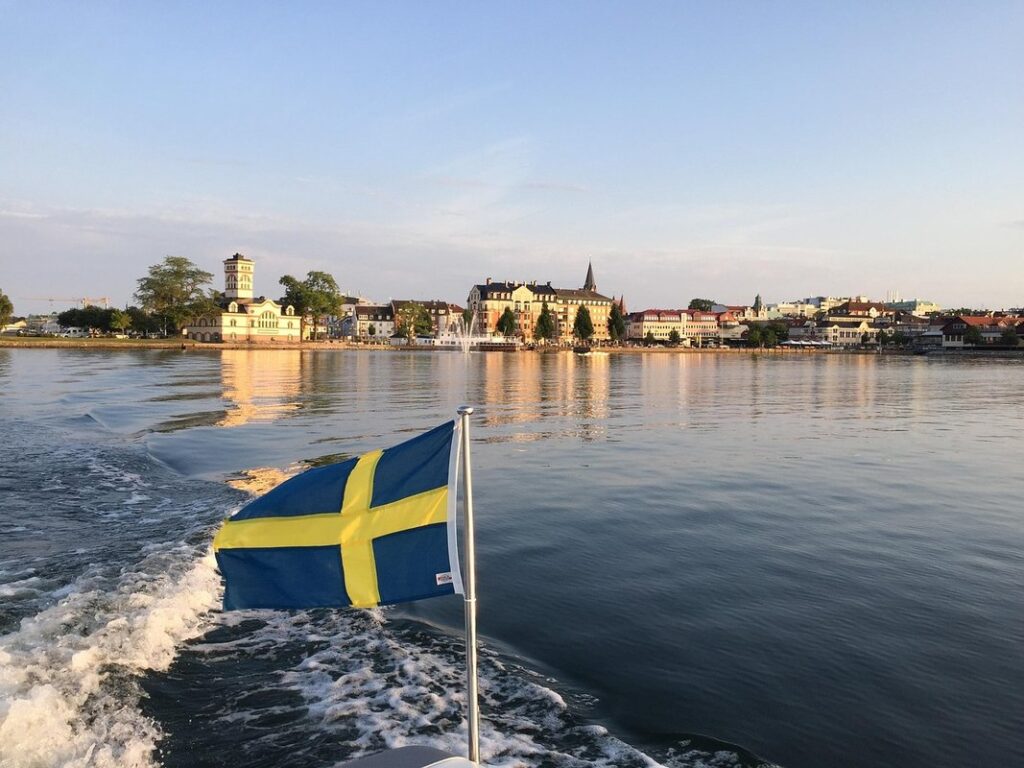
The Allure of Sweden’s Coastal Communities
As you venture into the Swedish archipelago, it’s hard not to be drawn in by the charm of its coastal communities, where traditional villages meet serene natural beauty. We’ll explore what makes these areas so captivating.
Traditional Architecture and Design
Traditional architecture in Sweden’s coastal communities is a reflection of the country’s rich maritime history and its connection to nature. Wood plays a significant role in traditional Swedish building design, with many homes featuring wooden cladding, beams, and even entire structures made from locally sourced timber. The use of wood not only adds warmth to these buildings but also helps them blend seamlessly into their surroundings.
Maritime-inspired designs are another distinctive feature of traditional Swedish coastal architecture. Many homes incorporate elements such as nautical portholes, louvered shutters, and wooden cabin-style details that evoke the feel of a ship’s cabin. These design choices not only pay homage to Sweden’s seafaring heritage but also help buildings withstand harsh weather conditions.
Local materials are often used in building construction, with stone and brick being common features in traditional Swedish architecture. The use of locally sourced materials helps reduce carbon emissions and supports the local economy. For example, many homes feature walls made from limestone or granite, which not only add structural integrity but also provide natural insulation against Sweden’s cold winters.
Nautical Influences on Daily Life
The strong maritime heritage of Sweden’s archipelagos has left an indelible mark on the daily lives of its inhabitants. Fishing and boat-building are still essential skills passed down through generations, with many residents relying on these activities for both sustenance and recreation. You’ll find a plethora of wooden boats, lovingly crafted by skilled hands, bobbing gently in harbors and coves throughout the archipelago.
Navigation and sailing traditions also play a significant role in everyday life. For instance, knowing how to read the currents, winds, and tides is crucial for fishing and even commuting between islands. Many residents have developed an intuitive understanding of these elements, allowing them to move seamlessly through the waters. Some communities still maintain their own traditional navigation systems, relying on landmarks and celestial bodies rather than modern technology.
To truly experience the nautical influences on daily life in Sweden‘s archipelagos, consider taking a sailing course or joining a local boat-building workshop. This will not only give you a deeper appreciation for the skills and traditions involved but also provide an opportunity to connect with the community and learn from experienced locals.
Exploring the Archipelago Way of Life
As you step into the Swedish archipelago, its unique way of life will immediately capture your attention. From quaint island traditions to stunning natural beauty, this section delves into the heart of what makes this culture so enchanting.
Seasonal Traditions and Celebrations
The Swedish archipelago’s unique seasonal celebrations and traditions are deeply rooted in its natural surroundings. One of the most iconic events is Midsummer (Midsommar), celebrated on the summer solstice, June 24th. During this time, locals gather to feast, dance around the Maypole (Midsommarstång), and sing traditional folk songs. It’s a joyous occasion that marks the beginning of warmer weather.
In contrast, winter festivals like Lucia celebrations bring warmth and light during the darkest months. On December 13th, people dress up in white robes and crowns of candles to symbolize hope and renewal. This festive atmosphere is palpable as families gather for traditional Christmas meals and exchange gifts.
Summer solstice events, such as the Alskogsgubben festival on the island of Värmdö, showcase the archipelago’s rich cultural heritage. These festivities often feature folk music, dancing, and local food specialties like herring and new potatoes. As a visitor, attending one of these seasonal celebrations is an excellent way to immerse yourself in the local culture. Consider timing your visit to coincide with Midsummer or Lucia for a truly enchanting experience.
Local Cuisine: A Reflection of the Sea’s Bounty
The traditional cuisine of the Swedish archipelago is a reflection of its proximity to the sea and the abundance of fresh seafood. Pickled herring, or “sill” as it’s called in Swedish, is a staple dish in many coastal communities. It’s often served with boiled potatoes and sour cream, making for a simple yet flavorful meal. Seafood stews are also popular, made with a variety of fish and shellfish such as cod, salmon, and mussels.
Other local specialties include gravlax, a cured salmon dish that’s been a tradition in the archipelago for centuries. It’s typically served thinly sliced, often accompanied by a mustard-dill sauce. Fresh seafood is also used to make a variety of soups and salads, such as fennel and shrimp salad or creamy fish soup.
If you’re visiting the Swedish archipelago, be sure to try some of these local dishes at one of the many waterfront restaurants or cafes. Many also offer cooking classes where you can learn how to prepare traditional seafood dishes like pickled herring or gravlax yourself.
The Importance of Community in Archipelago Culture
The Swedish archipelago culture thrives on strong community bonds, where neighbors become like family and shared traditions bring people together in a unique and special way. This sense of belonging is deeply ingrained in everyday life.
Social Bonding through Shared Activities
In the Swedish archipelago, shared activities are a cornerstone of community bonding. Fishing and sailing tournaments are common events where neighbors gather to compete and socialize. These competitions often take place on weekends during the summer months, drawing people from surrounding islands. The camaraderie that develops among participants is palpable as they work together, share tips, and offer words of encouragement.
Community events like Midsummer festivals and summer solstice celebrations bring residents together for music, dancing, and feasting. These gatherings often feature traditional food, drinks, and games, which help to strengthen social bonds and foster a sense of belonging among islanders. Residents also organize volunteer clean-up initiatives, where they work collectively to maintain the islands’ beautiful natural environment.
One practical example of community bonding through shared activities is the archipelago’s fishing cooperatives. Members pool their resources and expertise to manage fisheries sustainably, ensuring that fish stocks remain healthy for future generations. By working together on shared projects like these, islanders cultivate strong relationships with one another, which in turn enriches the overall quality of life in the community.
The Role of Local Cooperatives and Guilds
In Sweden’s archipelagos, local cooperatives and guilds play a vital role in supporting the economy and preserving traditional skills and knowledge. One notable example is the fisheries cooperative in a small village on the west coast, where fishermen work together to manage fishing quotas and maintain sustainable practices. This collective effort not only ensures the long-term viability of their industry but also helps preserve traditional techniques passed down through generations.
Guilds, too, contribute significantly to archipelago culture. For instance, the local boat-building guild in a nearby island community brings together skilled craftsmen who share expertise and resources to create traditional wooden boats that are still used for fishing and transportation today. By fostering collaboration and knowledge-sharing among members, these guilds safeguard traditional skills and promote innovation within their communities.
To experience the importance of cooperatives and guilds firsthand, consider visiting a local market or participating in a community event where you can witness these organizations in action. Many archipelago towns also offer workshops or classes where visitors can learn traditional crafts and techniques from skilled artisans. By engaging with local cooperatives and guilds, you’ll gain a deeper understanding of the unique social dynamics that underpin this enchanting culture.
Preserving Traditional Skills and Knowledge
As we delve into the heart of Swedish archipelago culture, it’s essential to preserve traditional skills that have been passed down through generations, such as boat-building and fishing techniques.
Apprenticeships and Craftsmanship
In Sweden’s archipelagos, traditional craftsmanship is often passed down through apprenticeships, where young learners work alongside experienced masters to hone their skills. Boat-building, for instance, requires a deep understanding of wood types, tooling, and the intricacies of wave dynamics – knowledge that can only be acquired by hands-on experience. In these close-knit communities, woodworking and carpentry are also revered trades, with apprentices learning from skilled craftsmen who have spent years perfecting their craft.
Apprenticeships typically last several years, during which time young learners assist experienced craftsmen in building boats, repairing fishing gear, or creating intricately carved wooden decorations. This gradual exposure to traditional techniques allows apprentices to develop a deep respect for the material and the process. For example, learning how to shape and join wood by hand not only teaches technical skills but also instills an appreciation for the natural materials used.
In many cases, these apprenticeships lead to formal guild membership, which provides access to exclusive knowledge and resources. Master craftsmen often take on apprentice roles as a way to share their expertise with the next generation and ensure that traditional techniques continue to thrive in the archipelagos.
Efforts to Preserve Maritime Heritage
Efforts to preserve maritime heritage in Sweden’s archipelagos involve a multifaceted approach. The Swedish Maritime Museum, located on the island of Marströmsholm, serves as a hub for preserving and promoting nautical history. Its collections include historic ships, equipment, and artifacts that demonstrate the region’s rich maritime past.
One notable initiative is the restoration of traditional sailing vessels. The archipelago community has come together to revive this traditional skill, with many residents participating in shipbuilding workshops and training programs. These efforts not only preserve a piece of cultural heritage but also provide a hands-on way for visitors to engage with the region’s maritime traditions.
To involve local youth, organizations offer apprenticeships in traditional craftsmanship, such as boat building and sailing. This ensures that essential knowledge is passed down through generations and maintains the community’s connection to its maritime roots. Visitors can support these efforts by attending workshops or taking part in guided tours of historic vessels, thus contributing to the preservation of this unique cultural heritage.
The Impact of Tourism on Archipelago Culture
The Swedish archipelago culture has been shaped by centuries of isolation, but increased tourism has brought both benefits and challenges to these unique communities. We’ll examine the impact of visitors on their traditions and way of life.
Balancing Tradition and Progress
The archipelago culture is often at a crossroads between preserving traditional ways of life and embracing progress brought about by tourism. This tension can be particularly pronounced during peak season when visitors flock to popular islands, putting pressure on local infrastructure and resources.
One challenge is the influx of souvenir shops and restaurants catering specifically to tourists, which can lead to cultural homogenization. For instance, some small villages have seen their traditional markets replaced with generic souvenir stalls selling the same mass-produced items found elsewhere in Sweden. This shift erases the unique character of these communities and threatens the livelihoods of local artisans who depend on selling handmade goods.
However, there are opportunities for sustainable development that balance tradition and progress. Many entrepreneurs are now focusing on experiential tourism – offering activities like sailing lessons, nature walks, or traditional cooking classes. These experiences allow visitors to engage with local culture while also contributing to the local economy.
Some islands have implemented innovative solutions to manage tourist flow and protect their cultural heritage. For example, some villages have introduced a system of ‘tourist ambassadors’ who not only show visitors around but also share knowledge about local customs and traditions. This approach not only enriches the visitor experience but also provides an additional source of income for locals.
Tourism can also be used as a tool to revitalize traditional skills and crafts, such as woodworking or weaving. By creating products specifically designed for tourists, artisans can gain new markets and customers, helping to ensure the continuation of these vital cultural practices.
Conclusion: Embracing the Unique Charm of Sweden’s Archipelago Culture
As we’ve explored the enchanting world of Swedish archipelago culture, it’s time to reflect on what makes this unique heritage truly special and how it adds depth to our understanding of Sweden. Let’s cherish its distinctive charm.
Final Thoughts on Archipelago Spirituality
As you’ve journeyed through the unique charm of Sweden’s archipelago culture, it’s likely that a sense of wonder and connection has settled in. You may have noticed how the archipelagos’ tranquil atmosphere and breathtaking landscapes create an environment conducive to spiritual exploration. This is not coincidental – the Swedish archipelago culture has long been intertwined with spirituality, particularly archipelago spirituality.
At its core, archipelago spirituality emphasizes harmony between humans and nature. The close proximity of homes and churches to the sea, as well as the omnipresent signs of the ocean’s power (storms, tides), encourages a sense of humility and gratitude towards the natural world. This is reflected in local traditions and customs, such as the annual summer celebrations that honor the changing of the seasons.
One key takeaway from this spiritual connection is the emphasis on community bonding through shared activities. Visitors can participate in these events or engage in more solitary pursuits like kayaking, sailing, or simply sitting by the water’s edge. By embracing the rhythms of nature and engaging with local customs, you’ll find that your own spirituality – whatever form it takes – becomes a natural part of the experience.
In practical terms, consider immersing yourself in local activities, such as sailing or fishing with an experienced guide. These moments offer more than just a glimpse into traditional skills; they also provide opportunities to connect with nature and the people around you. As you explore the archipelagos, allow yourself to be receptive to the subtle yet profound impact of this unique cultural blend – and let it seep into your very being.
Frequently Asked Questions
Can I participate in traditional Swedish sailing events as a visitor?
You can indeed participate in traditional Swedish sailing events as a visitor, but it’s essential to research and contact local sailing clubs or event organizers in advance. They may offer guest membership or provide information on how to join their activities. Be respectful of the community’s traditions and customs, and don’t be afraid to ask questions about participating.
What if I’m not experienced with traditional Swedish cuisine – can I still enjoy it?
You don’t need to be an expert in traditional Swedish cuisine to enjoy its flavors. Start by trying local specialties at restaurants or cafes, and experiment with making simple dishes at home using fresh seafood and local ingredients. Don’t be afraid to ask for recommendations from locals or food enthusiasts.
How do local cooperatives and guilds support the economy and preserve traditional skills?
Local cooperatives and guilds in Swedish archipelagos play a vital role in supporting the economy by promoting sustainable fishing practices, preserving traditional craftsmanship, and fostering community development. They also provide training programs and apprenticeships to ensure the continuation of essential skills.
Can I find opportunities for apprenticeships or learning traditional crafts in the archipelago?
Yes, many organizations and local businesses offer apprenticeships, workshops, or classes teaching traditional Swedish crafts like boat-building, woodworking, or textiles. Look for announcements on community boards, visit local cooperatives, or contact sailing clubs to inquire about available opportunities.
What if I’m planning a long-term stay in the archipelago – how do I integrate into the community?
When planning a long-term stay, it’s essential to be proactive and open-minded when integrating into the community. Attend local events, join community groups, and participate in shared activities like fishing or sailing. Don’t be shy about asking for help or advice from locals; they will likely welcome your enthusiasm and eagerness to learn.