Imagine sitting down to a warm, comforting plate of Zürigeschnätzlets in a cozy mountain lodge, surrounded by the majestic Swiss Alps. The rich flavors and aromas transport you to a world where tradition and culture blend seamlessly with delicious food. Traditional Swiss cuisine is more than just a meal – it’s an experience that reveals the country’s history, values, and identity. From hearty meat dishes like Fondue Chinoise and Raclette, to sweet treats like Tirggel and Läckerli, each specialty has its own unique story and regional significance. In this article, we’ll take you on a culinary journey through Switzerland, exploring the cultural importance of traditional Swiss foods and highlighting some of the country’s most beloved regional specialties. By the end of this article, you’ll have a deeper understanding of why Swiss cuisine is so special and how to incorporate its delicious flavors into your own cooking.
History and Cultural Significance
Swiss cuisine has a rich history, shaped by the country’s unique cultural heritage and geographical location. Let’s take a closer look at how traditional Swiss foods have become an integral part of the nation’s identity over time.
The Origins of Swiss Cuisine
Swiss cuisine has its roots in the country’s unique geography and history. Agriculture played a significant role in shaping local cuisine, with many traditional dishes centered around hearty grains like rye bread and potatoes. The country’s mountainous terrain also made it difficult to grow a wide variety of fruits and vegetables, leading to a focus on locally sourced ingredients.
The cultural exchange between Switzerland and neighboring countries has had a lasting impact on Swiss cuisine. For example, the influence of Italian immigration is evident in dishes like polenta and risotto, which are staples in many Swiss households. Germanic traditions have also left their mark, with many traditional Swiss dishes featuring meat and potatoes. The country’s proximity to France is reflected in its rich use of cheese and cream in sauces.
One key factor that has contributed to the development of Swiss cuisine is the country’s unique combination of Alpine climate and rich soil. This allows for a wide range of crops to be grown, including wheat, barley, and corn. As a result, traditional Swiss breads are often made with whole grain flours, giving them a distinctive texture and flavor.
The use of locally sourced ingredients has also been influenced by the country’s history of self-sufficiency. In fact, many traditional Swiss recipes still rely on seasonal produce and preserve food for the winter months using techniques like smoking and pickling.
Swiss Culinary Traditions
Swiss culinary traditions are deeply ingrained in family gatherings and festivals. The country’s national identity is closely tied to its rich gastronomic heritage. Mealtimes in Switzerland often revolve around traditional dishes, with many families continuing long-standing customs passed down through generations.
In Swiss culture, the Sunday roast is a staple occasion for family reunions. Hearty meat stews like Zürigeschnätzlets (veal in a creamy mushroom sauce) or Sauerbraten (pot roast marinated in vinegar and spices) are slow-cooked to perfection over several hours, filling homes with savory aromas that draw loved ones together.
Many festivals throughout the year celebrate Swiss traditions through food. The Fasnacht carnival season, for instance, features elaborate parades, music, and traditional delicacies like Almabtrieb (a dish made from apples, bread, and cheese). These events not only showcase local specialties but also highlight the importance of communal dining in Swiss society.
When hosting a traditional Swiss meal or attending a festive gathering, consider adopting some cultural nuances. For example, guests are often encouraged to bring their own wine or share a bottle with the host. This approach promotes conviviality and reinforces the country’s emphasis on shared meals as a way to build relationships and strengthen community bonds.
Regional Specialties
Switzerland’s diverse regions offer a rich tapestry of flavors, each with its own unique specialties that showcase the country’s culinary heritage at its best.
From creamy dishes in the north to hearty fare in the south, regional Swiss cuisine is a treasure trove waiting to be discovered.
Swiss Mountain Cuisine
Swiss Mountain Cuisine is a reflection of the country’s rugged terrain and harsh climate. In these regions, hearty dishes were born out of necessity to warm bodies and fill bellies during long winters. One such staple is raclette, a melted cheese dish originating from the cantons of Valais and Fribourg. Traditionally made with locally-sourced Gruyère or Sbrinz, raclette is served with boiled potatoes, bread, and cured meats.
Fondue, another mountain classic, has its roots in the French-speaking regions of Switzerland. The name “fondue” itself means “melted” in French, a nod to the dish’s method of preparation. Typically made with Emmental or Gruyère cheese, fondue is often served with bread for dipping.
To this day, Swiss Mountain Cuisine remains deeply connected to local ingredients and traditions. Many mountain restaurants continue to serve these classic dishes, albeit with modern twists. For example, some chefs now use alternative cheeses or pair raclette with more exotic accompaniments like game meats or fresh herbs. Visitors can experience the authentic taste of Swiss Mountain Cuisine by trying traditional recipes at local inns or chalets.
Lake Geneva and Western Swiss Cuisine
Lake Geneva and Western Switzerland are renowned for their exquisite culinary traditions. The region’s unique blend of French and Swiss influences is evident in its use of fresh fish and game meats. One of the most iconic dishes from this area is pike-perch, often served with a side of parsley sauce or accompanied by a traditional Swiss potato dish called “Rösti”. This hearty fish is typically caught from Lake Geneva’s crystal-clear waters.
Wild boar is another prized ingredient in Western Swiss cuisine. The game meat is usually slow-cooked in red wine and served with a side of braised red cabbage or root vegetables. The region’s culinary traditions emphasize the importance of using local, seasonal ingredients to create rich and flavorful dishes. Visitors can experience these specialties at traditional restaurants, known as “Gasthöfe”, which often serve authentic regional cuisine.
The scenic Lake Geneva shoreline offers breathtaking views and an abundance of fresh produce, including succulent fish and game meats. When trying traditional Western Swiss cuisine, consider pairing your meal with a glass of local wine or a specialty beer from the region’s renowned breweries. This will enhance the flavors and aromas of your chosen dish, immersing you in the rich culinary heritage of this picturesque area.
Hearty Meat Dishes
Swiss cuisine is all about hearty, comforting dishes that warm the soul, and few are as satisfying as its rich meat-based creations. From tender roasts to flavorful stews, these iconic dishes showcase Swiss cooking at its finest.
Beef and Veal
In traditional Swiss cuisine, beef and veal are staples of hearty meat dishes. One classic example is Zürigeschnätzlets, a dish originating from Zurich where tender veal is pounded thin, then sautéed with mushrooms and onions in a creamy sauce. This rich and flavorful preparation showcases the versatility of veal in Swiss cooking.
Another iconic dish featuring air-dried beef is Bündnerfleisch, a staple from the canton of Graubünden. The process of air-drying beef for several months allows it to develop a concentrated flavor profile, which is then typically served thinly sliced and often accompanied by bread or potatoes.
For those looking to try their hand at preparing these dishes, consider investing in a good quality veal cut and experimenting with different mushroom varieties to complement the creamy sauce. Bündnerfleisch can be found in some specialty butcher shops or online retailers, but it’s essential to note that air-drying beef requires patience and dedication – typically taking several months.
Some key characteristics of traditional Swiss beef dishes include a focus on high-quality ingredients, careful preparation techniques, and an emphasis on rich, complex flavors.
Pork and Game Meats
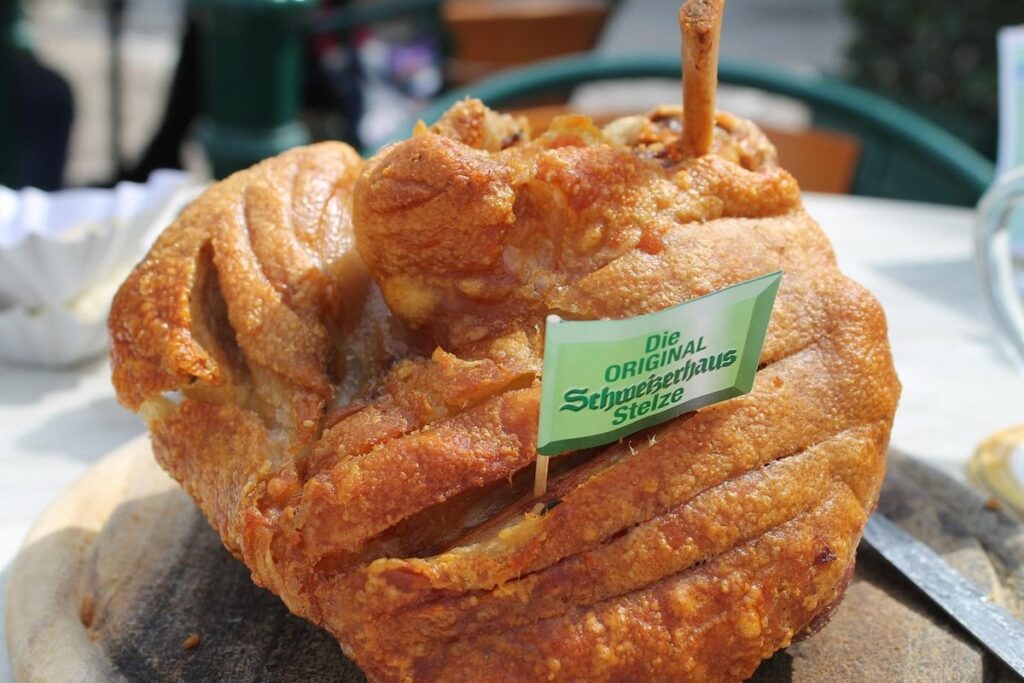
In traditional Swiss cuisine, pork and game meats play a significant role, particularly in mountainous regions. Salsiz, salted pork, is a popular dish made by curing pork with salt, black pepper, and spices. This process allows the meat to be stored for extended periods, making it a staple during winters when fresh meat was scarce.
Wildschwein, or roasted wild boar, is another beloved dish in Switzerland. The boar is typically slow-cooked over an open flame, resulting in tender and flavorful meat. This hearty dish is often served on special occasions and is particularly popular in the German-speaking regions of Switzerland.
When preparing pork and game meats, it’s essential to note that traditional Swiss recipes often involve simple yet effective techniques. For instance, Salsiz can be made by simply rubbing the pork with a mixture of salt, pepper, and spices before letting it cure for several weeks. Similarly, Wildschwein is often cooked using a combination of slow-cooking and browning to achieve a rich, caramelized crust.
Some common accompaniments to these dishes include boiled potatoes, vegetables, or bread.
Cheese and Dairy Delights
Switzerland is renowned for its rich variety of artisanal cheeses, from creamy Emmental to nutty Gruyère, which are often served as snacks or used in traditional dishes.
These beloved dairy delights play a significant role in Swiss cuisine, and we’ll explore some of the most popular ones next.
Emmental and Gruyère
Emmental and Gruyère are two of Switzerland’s most renowned cheeses, with distinct flavor profiles and production processes. Emmental is a firm, yellow cheese with a characteristic hole-y texture, made from cow’s milk and aged for several months to develop its nutty flavor. To make Emmental, cheesemakers add bacteria to the curd, which produces carbon dioxide gas bubbles, creating the distinctive holes.
Gruyère, on the other hand, is a firm, golden cheese with a rich, creamy taste, also made from cow’s milk but aged for a shorter period than Emmental. Gruyère production involves a series of traditional steps: heating the curd to separate it from the whey, then stirring and cutting the curd to release more liquid. The resulting cheese is often served as a fondue base or grated over dishes like croquettes or tartes.
Swiss cheesemakers typically age Emmental for at least four months, while Gruyère ages for three to five months. When selecting these cheeses, look for the AOP (Appellation d’Origine Protégée) label, which guarantees their origin and traditional production methods. Both Emmental and Gruyère are ideal for snacking or using in classic Swiss recipes like fondue, raclette, or macaroni cheese.
Raclette and Fondue
Raclette and fondue have been staples of Swiss mountain cuisine for centuries. These rich, dairy-based dishes originated as a way to stretch limited food supplies during harsh winters. Raclette typically involves melting a wheel of raclette cheese over an open flame, then scraping the melted curd onto boiled potatoes, bread, or cured meats. The dish is often served with pickled vegetables and cured meats for added flavor.
Fondue, on the other hand, involves dipping small pieces of bread into a communal pot of melted cheese (and sometimes wine). Traditionally made with Gruyère and Emmental, fondue was popularized in the 1960s as a social gathering dish. To prepare a classic fondue, heat a mixture of equal parts grated Gruyère and Emmental with white wine over low heat, stirring constantly until smooth and melted.
For both raclette and fondue, it’s essential to use high-quality, fresh ingredients to achieve the best flavor. If using pre-shredded cheese, be aware that this can lead to a grainy texture. Instead, grate your own Gruyère or Emmental for an authentic experience. Additionally, consider investing in a raclette set, which typically includes a wheel of raclette cheese and a scraper for easy serving.
Sweet Treats and Desserts
Switzerland is famous for its decadent sweets, from creamy truffles to rich chocolate cakes. Let’s indulge in some of these classic Swiss desserts that are sure to satisfy your sweet tooth.
Swiss Chocolate
Swiss chocolate is a beloved tradition that has been perfected over centuries. The country’s rich milk and cocoa resources have made it an ideal place for chocolate production. Traditional brands like Lindt, Maestrani, and Cailler have been crafting high-quality chocolate since the 19th century. These companies have developed unique flavor profiles that showcase Swiss chocolate’s distinct taste.
One key aspect of Swiss chocolate is its focus on quality over quantity. Unlike mass-produced chocolates found in other countries, Swiss chocolate makers prioritize using the finest ingredients and traditional techniques to create rich, velvety textures. This attention to detail has earned Swiss chocolate a reputation for excellence worldwide.
In recent years, modern trends have emerged that blend traditional methods with innovative flavors and ingredients. Some chocolatiers now experiment with unique flavor combinations like matcha or lavender, while others focus on using high-quality cocoa beans from specific regions. For those looking to experience the authentic taste of Swiss chocolate, consider visiting a local chocolaterie or trying traditional brands in their purest form – without any additives or preservatives.
Traditional Pastries and Cakes
Birchermüesli, a traditional Swiss oatmeal dessert, is often served with fresh fruit and a dollop of whipped cream. This comforting treat is typically enjoyed as a breakfast or brunch option, but it’s also popular at social gatherings and celebrations. To make Birchermüesli like the locals do, start with rolled oats, not steel-cut oats, which can be too dense.
Tirggel, another beloved Swiss cookie, is made from hazelnut paste and honey, giving them a rich, nutty flavor. These traditional cookies are often stamped with intricate designs or patterns before baking. If you’re interested in making Tirggel at home, look for high-quality hazelnuts and don’t overmix the dough, as this can lead to tough cookies.
Fasnachtskrapfen, deep-fried doughnuts typically enjoyed during Carnival season, may be a treat that’s hard to resist. While they might seem like a modern indulgence, Fasnachtskrapfen have roots in traditional Swiss baking. To make these sweet treats at home, choose a light and airy dough that will puff up nicely when fried, and be sure to dust them with powdered sugar while still warm for the best results.
Modern Twists and Fusion Cuisine
As you explore traditional Swiss cuisine, you’ll notice a growing trend of modern twists on classic dishes, blending old-world flavors with innovative techniques. From creamy pasta to crispy pizza, Swiss chefs are experimenting with international flavors.
Innovative Dishes and Restaurants
Contemporary Swiss chefs are redefining traditional cuisine by incorporating international flavors and techniques. Restaurants like Melia in Zurich and Schuh are at the forefront of this movement, offering innovative dishes that blend local ingredients with global influences. For example, chef Michael Roth’s menu at Melia features a take on classic Wiener Schnitzel, topped with kimchi slaw and served with a side of Saffron-infused potatoes.
Other chefs, like Martin Schumacher, are experimenting with traditional Swiss recipes by adding unexpected twists. His version of Zürigeschnätzlets – a dish typically made with veal in a creamy mushroom sauce – features a beef short rib instead, slow-cooked in a rich red wine reduction. This fusion approach not only updates classic dishes but also makes them more accessible to modern palates.
Swiss chefs are also incorporating international flavors and techniques into traditional preparations. For instance, some restaurants now offer alternative takes on fondue, using ingredients like foie gras or truffles for added richness and depth. By combining local expertise with global inspiration, these innovative chefs are elevating the Swiss culinary scene while staying true to its heritage.
Farm-to-Table and Local Ingredients
Swiss chefs are increasingly incorporating local and seasonal ingredients into their farm-to-table dishes. This trend is particularly evident in high-end restaurants throughout Switzerland. Restaurants like Cheval Blanc in Saint-Moritz and La Réserve in Geneva have made a commitment to using locally sourced produce, meats, and dairy products.
The benefits of farm-to-table cuisine are numerous. Not only does it ensure that the ingredients used are fresh and of superior quality, but it also supports local farmers and contributes to the preservation of traditional Swiss agricultural practices. Furthermore, farm-to-table dishes often reflect the changing seasons, resulting in a more dynamic and varied culinary experience.
To incorporate local and seasonal ingredients into your own cooking, consider visiting Switzerland’s bustling markets during peak season. The weekly markets in Geneva and Zurich offer an array of fresh produce, artisanal cheeses, and handcrafted meats. When shopping for ingredients, look for certifications like “Produit Suisse” or “BioSuisse,” which guarantee that the products meet strict quality and sustainability standards. By embracing farm-to-table cuisine, you can enjoy a more authentic and flavorful experience of traditional Swiss food.
Frequently Asked Questions
Can I make traditional Swiss dishes without specialized equipment?
Yes, while some traditional Swiss recipes may require specific cooking tools like fondue sets or raclette grills, many can be adapted for home cooks with minimal equipment. For example, you can still enjoy a hearty beef dish like Zürigeschnätzlets by using a Dutch oven or skillet instead of a traditional fondue pot.
What if I’m vegan or vegetarian and want to try Swiss cuisine?
While traditional Swiss dishes often feature meat, many can be easily adapted for plant-based diets. For example, you could substitute dairy with non-dairy alternatives in recipes like raclette or fondue, or explore vegetable-based mountain specialties like polenta or mushroom tart.
How do I incorporate local ingredients into my own cooking, similar to farm-to-table restaurants?
To bring the farm-to-table experience home, focus on using seasonal and locally sourced ingredients whenever possible. Visit farmers’ markets, join a community-supported agriculture (CSA) program, or explore online directories for local food producers to find fresh, high-quality ingredients.
What if I’m planning a group dinner party featuring traditional Swiss dishes – are there any must-try recipes?
When hosting a group dinner party featuring traditional Swiss cuisine, consider serving classic dishes that offer a variety of flavors and textures. Some popular options include fondue for an interactive experience, raclette for its rich, melted cheese goodness, or hearty meat dishes like Zürigeschnätzlets for a satisfying main course.
Can I substitute certain ingredients in traditional Swiss recipes to accommodate dietary restrictions or preferences?
While some substitutions may alter the authentic flavor and character of traditional Swiss dishes, many can be adapted with creative ingredient swaps. For example, you could replace gluten-containing flours with gluten-free alternatives in baked goods like Tirggel (hazelnut cookies), or use dairy-free milk alternatives in recipes for Emmental and Gruyère cheese.