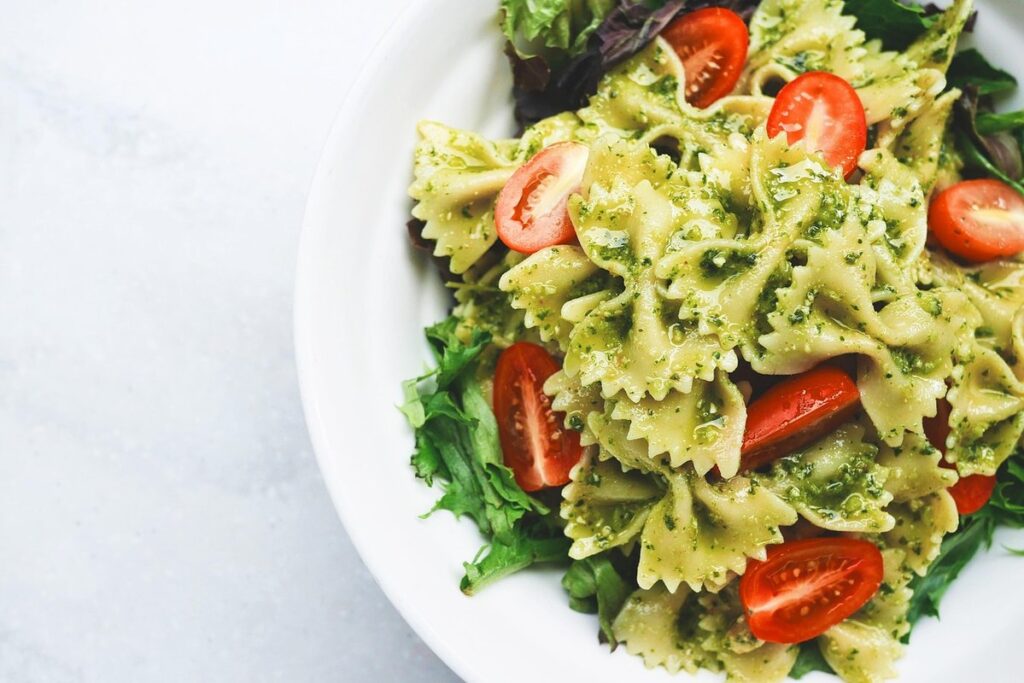
Swedish cuisine is often misunderstood as being bland and plain, but in reality, it’s a rich and flavorful reflection of the country’s history and geography. From traditional dishes like meatballs and gravlax to hearty stews and comforting desserts, Swedish cooking has a lot to offer the adventurous home cook. If you’re looking to explore new flavors and ingredients, or simply want to learn more about the authentic tastes of Scandinavia, this guide is for you. Inside, we’ll cover classic Swedish dishes like Janssons Frestelse (a creamy pasta bake) and Kottbullar (Swedish meatballs with lingonberry jam), as well as essential cooking methods and ingredients that will help you bring a taste of Sweden into your kitchen. By the end of this comprehensive guide, you’ll be equipped to create authentic Swedish meals with confidence and flair.

The Origins of Swedish Food Culture
Swedish food culture has its roots in the country’s medieval past, where peasants and nobles alike shared simple yet nourishing dishes made from local ingredients. Let’s take a closer look at how these humble beginnings laid the foundation for Sweden’s rich culinary heritage.
Historical Influences on Swedish Cuisine
Sweden’s geographical location has played a significant role in shaping its culinary traditions. Situated between the Arctic Circle and the Baltic Sea, Sweden’s climate is harsh and unforgiving, particularly during the winter months when darkness prevails for most of the day. This led to the development of hearty, comforting dishes that were both nourishing and filling.
Swedish cuisine has also been influenced by its cultural heritage, with many traditional dishes reflecting the country’s rich history and trade relationships. The Viking era brought exotic spices and ingredients from distant lands, which were incorporated into local cooking techniques. For example, the use of preserved meats like salted herring and pickled fish was a result of Sweden’s extensive trade networks.
The country’s proximity to Denmark and Norway also meant that Swedish cuisine borrowed heavily from its neighbors, particularly in terms of dairy products and baking traditions. The concept of “husmanskost” or home-style cooking, which emphasizes simplicity, local ingredients, and traditional techniques, remains an integral part of Swedish culinary culture today.
Traditional Swedish Farm-to-Table Practices
Swedish cooks have long relied on local and seasonal ingredients to create delicious meals. This approach not only ensures that food is fresh and flavorful but also reduces waste by using what’s available from the land, sea, or forest. Foraging for wild mushrooms, berries, and greens was a common practice in rural Sweden, where families would often spend hours gathering and preparing their own ingredients.
Preserving food through pickling, smoking, and drying was another essential skill that allowed Swedes to enjoy seasonal produce year-round. These methods not only helped extend the shelf life of perishable items but also brought out unique flavors and textures. For example, pickled herring (sill) is a staple in Swedish cuisine, often served as an appetizer or side dish.
In modern times, many Swedish cooks continue to value these traditional practices. If you’re interested in trying your hand at foraging or preserving food like a Swede, start by experimenting with seasonal ingredients from local farmers’ markets or wild areas. Begin with simple preservation methods like pickling or jam-making, and gradually move on to more complex techniques like smoking or curing.
Classic Swedish Dishes and Ingredients
Swedish cuisine is built around hearty, comforting dishes that showcase the country’s favorite ingredients. Let’s take a closer look at some classic Swedish staples that you’ll want to try as soon as possible.
Meatballs and Other Popular Swedish Delicacies
Meatballs are a quintessential Swedish dish, often served with lingonberry jam and boiled potatoes. While many associate meatballs with Italian cuisine, Sweden has its own distinct take on this beloved comfort food. In traditional Swedish recipes, ground beef is typically mixed with pork or veal for added richness.
Other popular Swedish delicacies include gravlax, a cured salmon dish that’s been marinated in sugar, salt, and spices before being thinly sliced. This delicate fish is often served as an appetizer or used as a topping for crackers or toast points. Janssons Frestelse, a casserole made with anchovies and potatoes, may sound unappealing to some but is actually a beloved Swedish classic.
When preparing traditional Swedish dishes like these, it’s essential to focus on using high-quality ingredients. This means selecting the freshest salmon for gravlax or choosing a rich, flavorful lingonberry jam to serve alongside your meatballs. By emphasizing freshness and simplicity, you can bring authentic Swedish flavors into your home cooking.
Introduction to Key Swedish Ingredients
Lingonberry jam, pickled herring, and mustard are more than just condiments – they’re essential components of Swedish cuisine. These ingredients have been staples for centuries, and their presence on the table is a nod to tradition and heritage. Lingonberry jam, in particular, is a sweet-tart condiment made from the tart lingonberries that grow wild in Sweden’s forests. It’s often served alongside meat dishes like gravlax or game meats.
Pickled herring, known as “sill” in Swedish, is another classic ingredient. Herring is pickled in a mixture of salt, sugar, and spices to create a sour-sweet flavor profile that’s both tangy and refreshing. This humble fish has been a mainstay in Swedish cuisine for generations, often served at holiday meals like Christmas Eve.
Mustard, typically made from brown or whole-grain mustard seeds, adds a pungent kick to many traditional dishes. It’s commonly paired with meatballs, sausages, and gravies to add depth and warmth. While these ingredients may seem unusual to foreign palates, they’re an integral part of Swedish culinary tradition – and learning how to use them is key to unlocking the flavors of this unique cuisine.
Regional Variations and Local Specialties
From North to South, Swedish cuisine showcases a rich tapestry of regional flavors and specialties that set each area apart. Let’s explore some of these unique variations that make Swedish food so fascinating.
Northern Sweden’s Unique Flavors and Traditions
The northern regions of Sweden have developed a unique culinary style shaped by their harsh climate and indigenous Sami people. In Lapland, for example, traditional dishes often feature fish and seafood, such as pickled herring and dried salmon, which were preserved for long winters when other food sources were scarce. The Sami people’s nomadic lifestyle also influenced the region’s cuisine, with dishes like herrejärnvurst (a type of sausage made from reindeer meat) reflecting their dependence on reindeer husbandry.
The unique flavors of northern Sweden are often characterized by a smoky or umami taste, which is achieved through techniques like smoking and fermenting. For instance, the traditional dish kroppkakor (potato dumplings) is often served with a side of lingonberry jam and sour cream, which adds a tangy flavor to the rich potatoes. When cooking northern Swedish cuisine at home, it’s essential to experiment with these bold flavors and ingredients. Try making your own pickled herring or herrejärnvurst using traditional recipes and ingredients like lingonberries, cloudberry jam, and smoked salmon.
Coastal Cuisine: Fresh Seafood from the West Coast
When it comes to the west coast of Sweden, fresh seafood is a staple ingredient in many traditional dishes. One popular delicacy is Swedish crayfish, often served boiled with a dash of salt and vinegar. These tiny crustaceans are usually harvested during the summer months and are a beloved treat for locals and visitors alike.
Mussels are another prized catch from the west coast waters. You can find them on menus in coastal towns like Gothenburg and Marstrand, typically steamed with white wine, garlic, and sometimes lingonberry jam for added sweetness. Be sure to try them at least once during your visit – the combination of tender flesh and briny flavor is truly authentic.
Fish is also a major component of west coast cuisine, particularly cod, herring, and salmon. A traditional Swedish dish featuring these ingredients is pickled herring (sill), often served as an appetizer or side dish. To try this at home, simply soak the fish in a mixture of salt, sugar, vinegar, and spices for several hours or overnight – it’s a great way to add some Scandinavian flair to your meals.
Modern Swedish Cooking and Trends
Swedish cuisine is evolving, and modern chefs are breathing new life into traditional recipes by incorporating fresh flavors and techniques. We’ll explore some of these exciting trends together.
Contemporary Influences on Traditional Dishes
Modern chefs are breathing new life into traditional Swedish dishes by incorporating international flavors and techniques. Take, for instance, the classic Swedish meatball dish, Köttbullar. In recent years, many restaurants have begun to experiment with unique twists on this beloved recipe. Some have added Asian-inspired ingredients like soy sauce or gochujang, while others have incorporated Middle Eastern spices like sumac or cumin.
These modern interpretations not only update traditional flavors but also reflect the country’s cultural diversity and openness to new influences. Swedish chefs are now combining traditional techniques with international flair, resulting in innovative dishes that still honor their heritage. For example, a Swedish chef might serve a meatball dish with a side of kimchi or a Korean chili paste. This fusion of flavors not only showcases the versatility of traditional Swedish cuisine but also highlights the country’s culinary adaptability.
Some notable chefs who have successfully updated traditional recipes include Magnus Nilsson, known for his use of Nordic ingredients in modern dishes, and Mathias Dahlgren, who combines traditional Swedish techniques with international flavors to create innovative menus. By embracing global influences, these chefs are redefining what it means to be a traditional Swedish dish while staying true to the country’s rich culinary heritage.
Innovative Uses for Classic Ingredients
Swedish chefs are reimagining traditional dishes by incorporating classic ingredients like pickled herring and meatballs into modern menus. For instance, some restaurants now serve pickled herring as a topping for open-faced sandwiches or use it to add a salty kick to salads. Meatballs have also become a versatile ingredient in Swedish cuisine, often appearing in unexpected dishes such as pasta bakes and stir-fries.
One creative example is the “Meatball Jansson’s Frestelse” – a modern twist on the classic potato and anchovy casserole. In this version, meatballs are substituted for the traditional anchovies, adding a rich and savory flavor to the dish. Another innovative use of meatballs can be found in the “Swedish Meatball Ragu,” where they’re slow-cooked with vegetables and served over egg noodles.
To incorporate these classic ingredients into your own cooking, try experimenting with new combinations and flavors. For example, pair pickled herring with fresh dill and sour cream on a baked potato or use meatballs as a topping for Swedish-style burgers. By thinking outside the box and combining traditional ingredients in creative ways, you can breathe new life into classic Swedish dishes and discover innovative flavor profiles.
Cooking with Swedish Ingredients: Tips and Recipes
As you explore the world of Swedish cuisine, it’s essential to incorporate authentic ingredients to elevate your dishes. This section shares expert tips for cooking with traditional Swedish ingredients.
Essential Pantry Staples for the Home Cook
When cooking with Swedish ingredients, it’s essential to have a well-stocked pantry. Start by stocking up on staples like all-purpose flour, whole wheat flour, and rye flour – these will be used for traditional breads, pancakes, and pastries. Don’t forget sugar, salt, baking powder, and baking soda, which are crucial for baking and cooking.
For Swedish cuisine, it’s also important to have a selection of spices on hand, including ground cardamom, black pepper, and nutmeg. These will add depth and warmth to your dishes. You’ll also want to have some dried herbs like thyme, rosemary, and parsley, as well as pickling spice for making traditional Swedish pickles.
Some more specialized ingredients you may want to include in your pantry are lingonberry jam, cloudberry jam, and Swedish mustard – these will add a sweet and tangy flavor to your dishes. If you’re planning on cooking with seafood, be sure to have some dill, fennel seeds, and aquavit (a Scandinavian spirit) on hand.
In addition to pantry staples, consider stocking up on some basic oils like canola oil and neutral-tasting vegetable oil for sautéing and roasting. A well-stocked Swedish pantry will help you create authentic dishes at home.
Traditional Swedish Recipes to Try at Home
When exploring traditional Swedish cuisine, there are several classic recipes that can be easily replicated at home. One of the most iconic dishes is Köttbullar, Swedish meatballs made from a mixture of ground beef and pork. To make this dish authentic, use a combination of all-purpose flour and milk to create a rich, creamy gravy. Another essential component is lingonberry jam, which adds a sweet-tart flavor to balance out the savory meat.
For a more substantial meal, try making Swedish Janssons Frestelse, a casserole made from anchovies, potatoes, and cream. This comforting dish requires minimal ingredients and can be prepared in under an hour. To add some freshness to your meal, serve with a side of pickled cucumbers or boiled potatoes.
When cooking traditional Swedish recipes at home, it’s essential to focus on using high-quality ingredients. Opt for grass-fed beef and pork when possible, and use authentic Swedish spices like allspice and cardamom to create an aromatic flavor profile. By following these simple tips and experimenting with classic ingredients, you can bring the warmth and hospitality of Swedish cuisine into your own kitchen.
Frequently Asked Questions
Can I use Swedish ingredients even if I don’t live in Sweden?
Yes, many traditional Swedish ingredients like lingonberry jam and pickled herring can be found at specialty stores or online. Even if you can’t find them locally, consider substituting with similar ingredients or adapting recipes to suit your taste.
How do I incorporate foraging into my cooking routine, especially without experience?
Start by researching local edible plants in your area and beginning with simple tasks like identifying wild herbs like dandelion or chicory. Join online forums or connect with experienced foragers to learn about safe practices and responsible harvesting techniques.
Are there any creative ways to use meatballs beyond the traditional Swedish dishes?
Meatballs can be used as a component in many international dishes, such as Korean-style meatball skewers or Thai-inspired salads. Experiment with different marinades, seasonings, and sauces to create unique flavor profiles.
What if I’m on a tight budget – can I still make authentic Swedish meals at home?
Yes, traditional Swedish cuisine emphasizes local and seasonal ingredients, which often means using affordable staples like potatoes, carrots, and cabbage. Shop for fresh produce in season or consider canned alternatives to save money without sacrificing flavor.