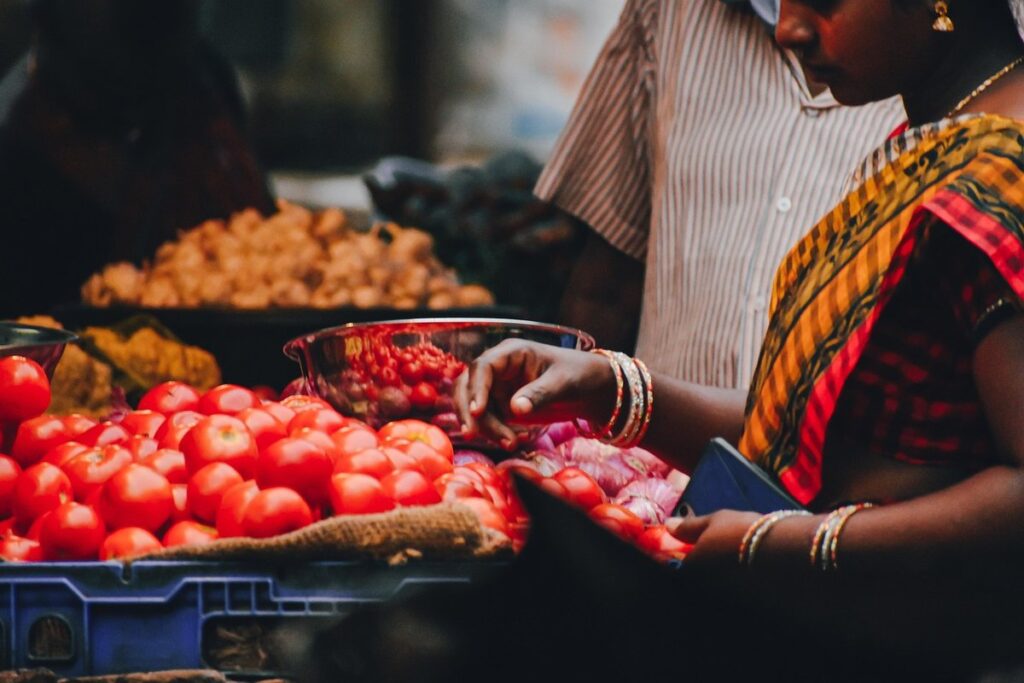
Traditional Australian Aboriginal food has been a cornerstone of Indigenous culture for thousands of years, playing a vital role in their connection to land, community, and identity. However, its significance extends far beyond its cultural importance; traditional Aboriginal cuisine also boasts an incredible array of flavors and ingredients that have been overlooked by many non-Indigenous Australians. By exploring the history and significance of this unique food culture, you’ll gain insight into the intricate relationships between plants, animals, and people in Australia’s ancient past. This comprehensive guide will take you on a journey through traditional Aboriginal cooking methods, essential ingredients like bush tomatoes and quandong, and recipes that showcase the rich flavors and diversity of Indigenous Australian cuisine. By the end of this article, you’ll have a deep appreciation for the history and culture behind traditional Australian Aboriginal food and be inspired to try some of these authentic recipes for yourself.
The Significance of Traditional Australian Aboriginal Food
Traditional Australian Aboriginal food is more than just a culinary practice, it’s deeply rooted in the country’s rich cultural heritage. This section explores its significance and importance to the indigenous people.
Historical Context: Pre-Colonial Era
In pre-colonial Australia, traditional food played a vital role in defining cultural identity. For Australian Aboriginal people, food was not just sustenance but an integral part of their spirituality and connection to the land. The availability and preparation of specific foods were often tied to important ceremonies and rituals, which brought communities together. The knowledge of traditional foods was passed down through generations, with elders sharing their expertise and stories about the significance of each dish.
In this era, food was also a symbol of community and belonging. Sharing meals was an essential part of social bonding, fostering relationships between family members, kinship groups, and even neighboring clans. This communal aspect of traditional Australian Aboriginal food is evident in the way many ceremonies centered around feasting and gift-giving.
Understanding the cultural significance of traditional foods requires recognizing their connection to the land, spirituality, and community. For those looking to learn about or incorporate these traditions into their own lives, it’s essential to approach this knowledge with respect and humility. This involves acknowledging the historical context and cultural protocols surrounding traditional foods, as well as being mindful of one’s own positionality within these cultures.
Cultural Significance of Food in Aboriginal Society
In many Aboriginal cultures, food played a vital role beyond just sustenance. It was also a means of sharing stories, participating in ceremonies, and bonding as a community. For example, in some traditional diets, particular foods were reserved for special occasions like initiation ceremonies or coming-of-age rituals. These meals often featured specific ingredients or preparation methods that held deep cultural significance.
During communal gatherings, food was frequently used to convey important messages and teachings through storytelling. Elders would share stories of ancestors, creation myths, and historical events while serving traditional dishes, which helped reinforce social bonds and pass on knowledge from one generation to the next. This practice not only brought people together but also served as a way to preserve cultural heritage.
To appreciate the significance of food in Aboriginal culture, consider hosting a traditional dinner with friends or family. Choose a recipe that holds meaning for your guests’ ancestry or community. As you share the meal, ask your guests to explain the story behind the dish and its ingredients. This simple act can help recreate a sense of connection and respect for cultural traditions.
Traditional Food Systems: A Review
Across Australia’s vast and diverse landscapes, various traditional food systems flourished among Aboriginal communities. These systems were often tailored to regional environments, climate, and available resources. For example, the Yolngu people of North East Arnhem Land focused on fishing and shellfish gathering, while the Pitjantjatjara Anangu of Central Australia relied heavily on kangaroo and other desert game.
In the tropical north, food systems incorporated a wide range of edible plants, including bush tomatoes, quandong, and various species of figs. In contrast, the harsh conditions of Western Australia’s deserts led to the development of more specialized and adaptive food practices. Traditional food systems also varied in their emphasis on hunting versus gathering.
One key characteristic of traditional Australian Aboriginal food systems is their holistic approach to resource management. Food was often sourced through a combination of foraging, hunting, and farming practices that worked in tandem with the natural environment. This symbiotic relationship allowed communities to maintain sustainable food sources while minimizing waste and preserving cultural knowledge.
Ingredients and Staples
When cooking traditional Australian Aboriginal dishes, it’s essential to have the right ingredients and staples on hand. Here are some common foods you’ll need to get started, including native fruits, grains, and proteins.
Native Foods: Bush Tomatoes, Kakadu Plums, and More
In traditional Australian Aboriginal cuisine, native foods play a vital role in providing essential nutrients. Bush tomatoes, for instance, are rich in vitamins A and C, as well as potassium. They’re often used to add flavor to meats and stews, similar to how Western cooks use tomatoes. Another key ingredient is Kakadu plum, which contains high levels of vitamin C and antioxidants.
These foods have been a staple in Aboriginal diets for thousands of years. In fact, many native ingredients are still gathered from the wild today, particularly by older generations who pass down knowledge to younger family members. When preparing bush tomatoes, it’s essential to note that they must be cooked thoroughly due to their high pH levels, which can cause digestive issues if consumed raw.
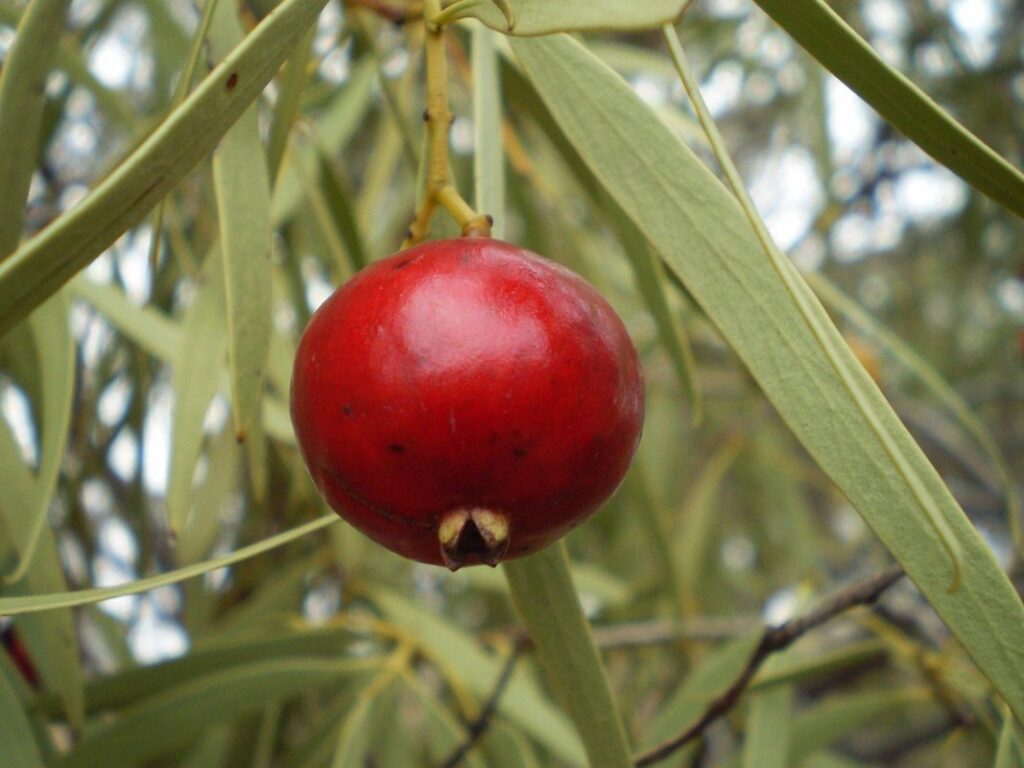
Other notable native foods include quandong, a sweet and nutritious fruit packed with vitamins A and E, as well as bush bananas, which are rich in starch and minerals. These ingredients not only provide sustenance but also hold significant cultural value for the Aboriginal people.
Staple Food Sources: Fish, Fruits, and Vegetables
In traditional Aboriginal diets, fish was a staple food source, particularly for coastal communities. Many species were caught using methods such as spearing and netting. The most common fish consumed were Murray cod, golden perch, and barramundi. These protein-rich foods provided essential nutrients and energy for daily activities.
Fruits also played a significant role in Aboriginal diets, with various bush fruits like quandong (native peach), kakadu plum, and bush tomato being widely available. These fruits were rich in vitamins, minerals, and antioxidants, helping to maintain good health. For example, the kakadu plum is an excellent source of vitamin C, making it an essential food item during times of scarcity.
Vegetables such as wild yam, taro, and sweet potato were also important staples. Aboriginal people would often cook these root vegetables in underground ovens or on open fires. These starchy foods provided sustained energy and helped maintain a healthy diet. To incorporate more traditional fruits and vegetables into your own cooking, look for recipes that use native ingredients like quandong and bush tomato. You can find these at some specialty stores or farmers’ markets, especially during peak season.
Bush Foods and Medicinal Plants
Bush foods and medicinal plants have been integral components of traditional Australian Aboriginal cuisine for thousands of years. These native ingredients not only provided essential nutrition but also served as medicine for various ailments. For example, the leaves of the bush tomato plant (Solanum linneanum) were used to treat fever and rheumatism. The seeds of the Queensland nut tree (Castanospermum australe) were crushed and mixed with water to create a paste for sore eyes.
The use of bush foods was often tied to specific seasons and regions. In arid areas, plants like desert lily and quandong were harvested during winter months when other food sources were scarce. In contrast, tropical regions relied on fruits like the Davidson’s plum (Davidsonia pruriens) and berries from the native raspberry tree.
When foraging for bush foods, it’s essential to identify species correctly to avoid poisoning. Aboriginal people developed detailed knowledge of plant characteristics, habitats, and preparation methods through generations of trial and error. Today, incorporating bush foods into your cooking can be done safely by consulting with experts or using reputable field guides.
Cooking Techniques and Methods
Traditional Australian Aboriginal cooking often relies on simple, yet effective techniques that bring out the natural flavors of native ingredients. Let’s explore some of these essential methods for preparing traditional dishes.
Traditional Cooking Methods: Pit Ovens and Earth Ovens
Aboriginal people traditionally used pit ovens to cook food over low heat for long periods. These earth-lined pits were often built into hillsides and lined with stones or clay. A fire was lit at the top of the pit, and hot ash and coals were gradually added throughout the cooking process. This method allowed for slow-cooked stews and roasts that were tender and flavorful.
Earth ovens were another traditional cooking method used by Aboriginal people. These were essentially large mounds of earth with a hole in the center. Hot stones or coals were placed in the pit, and food was wrapped in leaves or bark and covered with more soil. The heat from the stones or coals cooked the food for several hours.
When building your own pit oven or earth oven, it’s essential to consider the climate and terrain. Pit ovens work best in areas with a consistent supply of fuelwood and a relatively dry climate. Earth ovens can be built almost anywhere, but they require more maintenance than pit ovens due to soil erosion.
Smoking and Drying Foods
Smoking and drying foods were essential techniques for preserving meat in traditional Australian Aboriginal cuisine. To smoke meats, Aboriginal people would often use native trees like eucalyptus, gum, or bush bean, which provided a smoky flavor and helped preserve the food. Meats were hung over low heat, allowing the smoke to infuse and dry out the flesh.
Drying was another common method used for preserving foods like meat, fish, and fruits. Aboriginal people would slice meats thinly, often using a tool made from stone or bone, before hanging them in the sun on racks or strings. This allowed air to circulate around each piece, preventing bacterial growth and spoilage. Fruits were similarly dried by placing them in the sun on rocks or woven mats.
The combination of smoking and drying created long-lasting foods that could be stored for months. For example, smoked kangaroo meat could be kept for up to six months when dried properly. Aboriginal people would often store these preserved meats in cool, dry places like caves or rock overhangs, making them accessible throughout the year. By mastering these preservation techniques, Aboriginal people were able to make the most of seasonal hunting and gathering opportunities.
Using Fire for Cooking and Social Gathering
Fire played a central role in traditional Australian Aboriginal food preparation, serving not only as a means of cooking but also as a focal point for social gathering and community bonding. In many Aboriginal cultures, communal cooking was an essential aspect of daily life, with family members working together to prepare meals over shared fires.
In the evenings, gatherings around the fire would often turn into storytelling sessions, where elders would share tales of ancestors and country. These sessions not only entertained but also served as a means of passing down cultural knowledge and traditions from one generation to the next. The warmth and light of the fire provided a sense of comfort and safety, allowing people to come together in a shared experience.
When cooking over an open flame, it’s essential to understand that Aboriginal cooks often used natural heat retention methods, such as cooking in earth ovens or using wattle baskets to trap heat. These techniques allowed for slow-cooked meals that were both nourishing and flavorful. By embracing these traditional methods, modern cooks can connect with the rich cultural heritage of Australian Aboriginal food while also enjoying delicious and satisfying meals.
Modern Revival and Cultural Exchange
As we explore the rich culinary heritage of Traditional Australian Aboriginal food, let’s examine how modern revival and cultural exchange have brought these ancient traditions back to life in new and exciting ways.
Reviving Traditional Food Practices
Aboriginal communities across Australia are actively reviving traditional food practices through various initiatives. For instance, the Australian Institute of Aboriginal and Torres Strait Islander Studies (AIATSIS) has established a program to support community-led food projects. These efforts not only promote cultural preservation but also focus on sustainability and food sovereignty.
One notable example is the revival of the yam daisy harvest in the Northern Territory’s Arnhem Land. The traditional practice involves collecting the tubers, which are rich in nutrients and have been a staple for Aboriginal communities for thousands of years. To revive this tradition, local elders worked with community members to establish a sustainable harvesting method that respects both the environment and cultural heritage.
Additionally, some organizations are promoting the use of native ingredients and bush foods in modern Australian cuisine. These initiatives encourage chefs and food businesses to incorporate traditional plants into their recipes, contributing to the revival of Aboriginal culinary practices. By supporting these efforts, individuals can help preserve the cultural significance of traditional Australian Aboriginal food.
Fusion Cuisine: Blending Traditions with Modern Flavors
Modern fusion cuisine has given traditional Australian Aboriginal flavors a new lease on life. Chefs are combining bush ingredients like quandong and kakadu plum with international spices and cooking techniques to create innovative dishes that honor their heritage while appealing to contemporary palates.
For instance, modern chefs might pair the sweetness of native berries with the richness of truffle oil or combine kangaroo meat with Korean chili flakes for a bold flavor experience. These fusions not only reflect the traditional Aboriginal practice of sharing food but also acknowledge the country’s complex cultural history.
In Sydney, you can find examples of this blending at restaurants like Quay and Bennelong, which incorporate bush herbs and native fruits into their menus. In Melbourne, chefs are experimenting with Aboriginal ingredients in modernist dishes that might feature a combination of wattle seed, lemon myrtle, and smoked eucalyptus.
When trying out these fusion recipes at home, keep the following tips in mind: use small quantities of native spices to avoid overpowering the dish, balance bold flavors with acidity or sweetness, and don’t be afraid to experiment – after all, traditional Aboriginal cuisine is about adapting to local ingredients and conditions.
Cultural Exchange and Food Tourism
Cultural exchange programs have long been a cornerstone of promoting cross-cultural understanding between Australia’s indigenous peoples and international visitors. One significant way cultural exchange is manifesting itself in traditional Australian Aboriginal cuisine is through food tourism initiatives. These tours often focus on providing hands-on experiences where travelers can learn about bush foods, foraging techniques, and the medicinal properties of native plants.
Not only do these programs offer a tangible connection to the land, but they also provide an opportunity for visitors to engage with local communities and taste authentic Aboriginal cuisine. For example, in Western Australia’s Kimberley region, tours often visit remote communities where participants can witness traditional cooking methods and sample bush foods like quandong and kakadu plum.
Tour operators working closely with local Indigenous guides not only share the cultural significance of each dish but also provide insight into the historical context surrounding food preparation. This fusion of culinary exploration and cultural immersion offers a unique window into the complexities of Aboriginal culture, ultimately fostering deeper appreciation for traditional Australian Aboriginal cuisine among travelers and locals alike.
Frequently Asked Questions
Can I find traditional Australian Aboriginal recipes in my local library or bookstore?
Yes, it’s becoming increasingly common for cookbooks and resources on traditional Australian Aboriginal cuisine to be available in mainstream libraries and bookstores. You can also try searching online for free recipe archives and cultural websites that share authentic Aboriginal recipes.
How do I know if a specific bush food is safe to eat or has potential health benefits?
Start by consulting reputable sources, such as the Royal Botanic Gardens in Melbourne, which provides information on native plant identification, edibility, and medicinal properties. You can also reach out to local Indigenous communities for guidance on responsible foraging practices.
What’s a good way to incorporate traditional Australian Aboriginal ingredients into modern recipes without making them too sweet or overpowering?
Consider balancing strong flavors with neutral ingredients like rice, quinoa, or lean proteins. For example, pairing the sweetness of bush tomatoes with the savory taste of fish can create a delicious and well-rounded dish.
How do I participate in cultural exchange programs or food tourism initiatives that support Australian Aboriginal communities?
Look for organizations and tour operators that partner directly with Indigenous communities to offer authentic culinary experiences. These partnerships often provide opportunities for visitors to engage in workshops, cooking classes, and other activities while supporting local economic development.