Sunday roasts, fish and chips, and full English breakfasts are staples of a quintessential British experience. But beyond these familiar favorites lies a rich culinary heritage that spans centuries and regions. Traditional English food is more than just comfort cuisine; it’s an integral part of the country’s cultural identity and history. From the hearty, slow-cooked stews of the north to the delicate pastries of the south, regional specialties showcase the diversity of British tastes. In this comprehensive guide, we’ll explore the timeless classics that have been passed down through generations, as well as the unique flavors and ingredients that define different parts of the country. By the end of this article, you’ll be able to identify and recreate a range of traditional English dishes, from nostalgic Sunday lunches to authentic regional specialties.
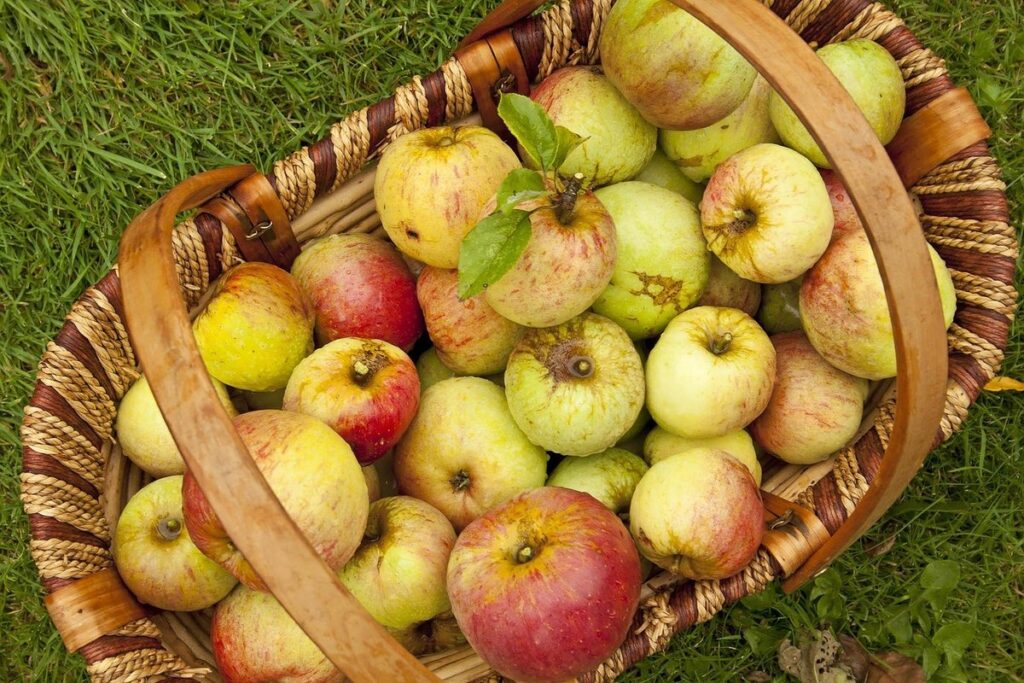
The Origins of Traditional English Cuisine
Traditional English cuisine has a rich history, and understanding its origins is key to appreciating its hearty flavors and timeless appeal. Let’s take a look at how this beloved food culture evolved over time.
Early Influences on English Cooking
The Roman invasion of Britain in 43 AD had a lasting impact on English cooking. As the Romans introduced their own culinary practices and ingredients, they also brought with them new techniques for preserving and storing food. The construction of roads and public buildings created a demand for more organized food production and distribution systems. This led to the establishment of large-scale agriculture and the development of more complex recipes. For instance, the Roman influence can be seen in dishes such as steak and kidney pie, which features meat cooked in a pastry crust – a technique borrowed from the Romans.
The Viking invasions that followed also left their mark on English cuisine. The Scandinavians introduced new ingredients like fish and shellfish to the British diet, as well as methods for smoking and preserving meats. This led to the creation of hearty stews and soups that would become staples in traditional English cooking. The Normans’ influence came later, with their own French culinary traditions blending with existing English practices. This resulted in the development of dishes like roast beef with Yorkshire pudding, which combined the Norman love of rich sauces and roasting techniques with British ingredients and cooking methods.
The legacy of these invasions can still be tasted in traditional English food today, from the use of pastry crusts to the emphasis on hearty stews and soups.
Medieval Traditions in the Kitchen
Medieval England’s cuisine was heavily influenced by social class and occupation. The wealthy enjoyed lavish feasts with exotic spices and game meats, while the poor made do with humble ingredients like bread, cheese, and vegetables. Cooking techniques such as roasting, stewing, and pickling were common, but only the affluent could afford elaborate dishes like pheasant en croute or marchpane (marzipan).
Bread was a staple food for all classes, often served with ale or beer to make a filling meal. Cooks used heavy pots over open fires to prepare stews and soups, which were often thickened with bread or eggs. Meat was scarce for the poor, so they relied on fish from rivers and streams, as well as wild game when available.
Key dishes of medieval England included pease porridge (a thick soup made from split peas), frumenty (a sweet porridge made from wheat, milk, and spices), and marchpane. Cooks also used preserved foods like salted meats, pickled vegetables, and dried fruits to extend the shelf life of ingredients. Understanding these medieval traditions can help modern cooks appreciate the historical context behind traditional English dishes and inform their own cooking practices.
Classic English Dishes for Every Occasion
From roast beef and Yorkshire pudding to fish and chips, we’ll be serving up some of England’s most beloved dishes that are perfect for any occasion. Whether you’re hosting a dinner party or just need a comforting meal.
Sunday Roast: A Traditional English Staple
A traditional Sunday roast is a quintessential English dish that brings families together. At its core, it consists of roasted meats, such as beef, pork, lamb, or chicken, slow-cooked to perfection. The meat is often served with a selection of roasted vegetables like carrots, Brussels sprouts, and parsnips, which absorb the rich flavors of the roasting pan.
Accompanying the roast are traditional side dishes like Yorkshire pudding, gravy, and potatoes. Yorkshire pudding is a light, airy pastry that’s typically served hot, often drizzled with meat juices or gravy. Roast potatoes, on the other hand, can be prepared in various ways – boiled, mashed, or roasted with herbs and spices.
In addition to these staples, Sunday roasts may also feature some variation depending on regional and personal preferences. Some common additions include stuffing, braised red cabbage, and sweet potato. When preparing a traditional Sunday roast, remember that the key lies in slow cooking the meat and vegetables over low heat, allowing them to develop deep flavors and tender textures. By following this simple yet satisfying approach, you can create a delicious and authentic English Sunday roast in your own kitchen.
Fish and Chips: England’s Beloved Takeaway Food
Fish and chips have been a staple of English cuisine for over a century, with roots dating back to the mid-19th century. The dish’s origins are tied to the Industrial Revolution, when fish was a cheap and accessible protein source for workers. Street vendors, known as “costermongers,” began selling fried fish to hungry laborers. To complement this meal, they also offered fried potatoes, which became known as “chips.” This humble combination quickly gained popularity among the working class.
By the early 20th century, fish and chips had become a beloved national dish, with shops springing up across England. These establishments often featured wooden counters and rows of steamers filled with hot, golden-brown food. The aroma of fried batter and salted vinegar wafted through the air, enticing passersby to come in and try a plate.
Today, fish and chips remain a quintessential English comfort food, enjoyed by people from all walks of life. To experience the authentic taste, look for shops that use traditional cooking methods and high-quality ingredients. Opt for cod or haddock, as these firm-fleshed fish hold up well to frying. Pair your meal with mushy peas or a side salad for a satisfying, nostalgic treat.
Regional Specialties in Traditional English Cuisine
From the rich flavors of Lancashire hotpot in the North to the comforting pasties of Cornwall, regional specialties play a big role in traditional English cuisine. Let’s take a closer look at some of these beloved dishes.
Northern English Delights
In northern England, a rich culinary heritage is on full display through its regional specialties. One of the most iconic dishes from this area is Lancashire hotpot, a hearty stew made with lamb or beef, onions, and potatoes. This comforting dish has been a staple in the north for centuries and is often served with crusty bread.
Another beloved northern specialty is Yorkshire pudding, which originated as a way to make use of leftover roast meat drippings. Today, it’s enjoyed on its own or paired with a variety of savory fillings. When making Yorkshire puddings at home, be sure to use a hot oven and not open the door until they’re done – this will help them rise properly.
Manchester tart is also a well-known northern dessert, consisting of a sweet pastry crust topped with raspberry jam, whipped cream, and often a sprinkle of sugar. While it may seem simple, the combination of flavors and textures makes for a truly satisfying treat. These regional specialties showcase the creativity and resourcefulness that are hallmarks of traditional English cuisine.
Southern English Favorites
Southern England is renowned for its rich culinary heritage, with a diverse array of traditional dishes that showcase the region’s unique flavors and ingredients. One iconic example is the Cornish pasty, a hearty pastry filled with beef, potatoes, and swede (a type of rutabaga) that has been a staple in Cornwall since the 16th century. When trying a genuine Cornish pasty, look for one made with traditional shortcrust pastry and filled with locally sourced ingredients.
Another beloved tradition is the Devon cream tea, which typically consists of scones served with clotted cream and jam. This indulgent treat is often enjoyed in picturesque settings, such as gardens or tea rooms. To experience a quintessential Devon cream tea, opt for scones baked on-site and use locally produced cream and jam.
Eton mess, a classic English dessert, also has its roots in southern England. Typically made with strawberries, whipped cream, and meringue pieces, Eton mess is a simple yet satisfying treat that’s perfect for warm weather or outdoor gatherings. When preparing Eton mess at home, consider using fresh seasonal berries and homemade whipped cream for the most authentic flavor.
Traditional English Desserts: Sweet Treats and Baked Goods
English dessert traditions abound, from classic trifles to warm scones with clotted cream, each one a delicious reflection of the country’s rich baking heritage. These beloved treats are sure to satisfy your sweet tooth.
Classic English Puddings and Custards
When it comes to traditional English puddings and custards, few treats are as quintessentially British as sticky toffee pudding and treacle tart. These sweet masterpieces have been delighting palates for generations, with their rich, velvety textures and deep, caramel flavors.
Sticky toffee pudding is a classic example of English comfort food, made with moist sponge cake, drizzled in a sticky toffee sauce that’s both sweet and tangy. To make your own version at home, start by preparing the toffee sauce, which typically involves melting brown sugar, butter, and heavy cream together until smooth.
Treacle tart is another beloved English dessert, consisting of a shortcrust pastry shell filled with a gooey treacle filling made from black treacle (molasses) and golden syrup. To add an authentic touch to your treacle tart, try using a traditional recipe that incorporates a high ratio of sugar to butter for the perfect balance of flavors.
Custard recipes in England often feature traditional ingredients like egg yolks, milk, and cream, which provide a rich, creamy base for sweet or savory fillings. For a simple yet impressive dessert, try making a classic English custard tart by layering pastry shells with a generous helping of vanilla-infused custard and finishing it off with a sprinkle of sugar.
Iconic English Cakes and Biscuits
English cakes and biscuits are an integral part of traditional desserts. Parkin, a sweet, oat-based cake from Yorkshire, is often served at outdoor events and gatherings. Its dark color comes from black treacle, which gives the cake a distinctive flavor. Eccles cakes, on the other hand, are flaky pastry pockets filled with currants and typically topped with a glaze made from icing sugar.
Scones are another quintessential English biscuit, often served with clotted cream and jam for afternoon tea. A good scone should be light and tender, with a subtle sweetness that complements the richness of the cream. Traditional English biscuits like Jammie Dodgers (jam-filled sandwich biscuits) and Digestives have also become staples in many households.
When making traditional English cakes and biscuits, it’s essential to use high-quality ingredients and follow classic recipes. The type of flour used can greatly affect the texture and flavor of the finished product. For example, using self-raising flour instead of all-purpose flour will give a lighter, airier crumb. By mastering these iconic baked goods, you’ll be able to recreate traditional English desserts that are sure to impress family and friends.
Modern Twists on Traditional English Cuisine
Traditional English cuisine has evolved significantly over time, and you’ll discover how modern chefs are putting their own spin on classic dishes. From innovative ingredients to unique cooking techniques, the possibilities are endless.
Contemporary English Chefs and Their Innovations
Many modern English chefs are breathing new life into traditional dishes by incorporating innovative techniques and fresh flavors. One notable example is Gordon Ramsay’s rendition of the classic Beef Wellington. He has updated the recipe to include tender beef short ribs, which he wraps in a rich mushroom duxelles and flaky puff pastry.
Other chefs, such as Heston Blumenthal, have experimented with deconstruction techniques to reimagine traditional English dishes. His version of the classic fish pie features a delicate cod fillet topped with a vibrant mix of pickled vegetables and a zesty sauce made from fresh herbs.
Some notable trends in modern English cuisine include a focus on foraging and using seasonal ingredients, as seen in the work of chefs like Simon Hulstone. He sources his produce directly from local farms to create innovative dishes that showcase the best of England’s natural larder.
By embracing new flavors and techniques while remaining true to traditional roots, these modern English chefs are helping to redefine the country’s culinary identity.
New Takes on Traditional Ingredients
Many traditional English dishes are getting a modern makeover from innovative chefs who are reimagining classic ingredients. For example, some restaurants now offer updated versions of fish and chips with sustainable seafood options or creative batters made with alternative flours. Sunday roasts have also been reinvented, with chefs experimenting with non-traditional meats like venison or adding unexpected twists to the classic roast vegetables.
Some chefs are even putting a modern spin on traditional desserts, such as reworking classic trifle recipes with unique flavor combinations or creating innovative uses for traditional English fruits like raspberries and strawberries. For instance, a raspberry and elderflower crème brûlée is a refreshing twist on the classic English dessert. If you want to try your hand at updating traditional dishes, consider experimenting with new flavor combinations or ingredients in familiar recipes.
When it comes to incorporating modern flavors into traditional dishes, don’t be afraid to think outside the box – but also respect the heritage of the original recipe. Consider using locally sourced and seasonal ingredients to add freshness and depth to your creations.
Conclusion: Preserving Traditional English Cuisine
As we’ve journeyed through the rich flavors and history of traditional English cuisine, it’s now time to focus on how to preserve these timeless dishes for future generations. Let’s explore ways to keep them alive in our kitchens today.
The Importance of Cultural Heritage in Food
Preserving traditional English cuisine is essential for maintaining a strong sense of national identity. Food plays a significant role in shaping cultural heritage, and England’s culinary traditions are no exception. When we eat traditional dishes like roast beef with Yorkshire pudding or fish and chips, we’re not just satisfying our hunger – we’re also connecting with the past.
The significance of preserving cultural heritage through food cannot be overstated. Traditional cuisine provides a tangible link to history, allowing us to experience the customs and values of previous generations. By continuing to cook and enjoy classic English dishes, we’re keeping alive the memories and stories that have been passed down through the years. This sense of continuity is particularly important in an increasingly globalized world, where traditional ways of life are often under threat.
To preserve our cultural heritage through food, it’s essential to support local producers and suppliers who specialize in artisanal ingredients. For example, buying locally sourced beef from a small farm or purchasing handmade Yorkshire pudding mix from a specialist bakery not only ensures the quality of the final product but also helps to maintain the skills and traditions of these local businesses.
Moreover, cooking traditional English dishes can be a fun and rewarding experience that brings families and communities together. By passing down recipes and cooking techniques to younger generations, we’re ensuring that our cultural heritage is preserved for years to come. So next time you gather around the table to enjoy a hearty Sunday roast or a plate of fish and chips, remember the significance of what you’re eating – it’s not just food, but a connection to England’s rich history and culture.
Frequently Asked Questions
How to Substitute Ingredients in Traditional English Recipes?
When substituting ingredients in traditional English recipes, it’s essential to maintain the flavor and texture profile. Start by replacing similar ingredients, such as swapping beef for lamb in a stew. Be cautious when substituting spices, as they can greatly impact the dish’s character. Consider using smaller quantities of new spices to avoid overpowering the recipe.
What if I Don’t Have Access to Traditional English Ingredients?
While traditional English cuisine relies heavily on certain ingredients, it’s not impossible to adapt recipes without them. Focus on finding alternatives that match the original ingredient’s texture and flavor profile. For example, use a combination of all-purpose flour and cornstarch to replicate the texture of traditional English pastry. Be creative and experiment with different options to find suitable substitutes.
Can I Make Traditional English Food Vegan or Gluten-Free?
Traditional English cuisine is often adapted to accommodate dietary restrictions. Focus on substituting ingredients that contain animal products or gluten, such as using plant-based milk in puddings or replacing wheat flour with gluten-free alternatives. Be mindful of the flavor profile and adjust seasoning accordingly to maintain the dish’s authenticity.
How Do I Store and Preserve Traditional English Food for Long-Term Use?
Proper storage and preservation techniques are crucial when handling traditional English food, especially when it comes to baked goods and desserts. Store items like scones and biscuits in airtight containers to preserve freshness. For longer-term storage, consider freezing or dehydrating options, such as freeze-drying puddings or making fruit leather from jam.
Can I Make Traditional English Food Ahead of Time for Special Occasions?
Traditional English cuisine often involves time-consuming preparation and cooking methods. To make the most of your time, focus on preparing components ahead of schedule. For example, prepare the filling for a traditional English tart days in advance and store it in the fridge until assembly. This will allow you to allocate more time to cooking and presentation on the actual occasion.