Traditional Filipino cuisine is often misunderstood as being bland or uninteresting, but those who have truly experienced its rich flavors would disagree. The history of Filipino food is a fascinating one, shaped by centuries of cultural exchange between different regions and influences from abroad. From the savory stew of adobo to the spicy kick of sinigang, each dish tells a story about the people and places that came together to create this unique cuisine. But traditional Filipino cooking isn’t just about nostalgia – it’s also an ongoing conversation with modern times. This article will explore the staples and regional specialties of traditional Filipino cuisine, as well as some creative twists on classic dishes that are sure to inspire your next meal.
Understanding Filipino Food Culture
Filipino food culture is a vibrant reflection of the country’s history, geography, and diverse influences. Let’s explore how traditional dishes and ingredients have shaped the nation’s culinary identity over time.
The Significance of Mealtimes in Filipino Culture
Mealtimes are sacred in Filipino culture, where food plays a central role in strengthening family bonds and community ties. In many Filipino households, mealtimes are not just about nourishment but also about sharing stories, laughter, and love. Family gatherings often revolve around traditional dishes, such as adobo or lechon, which are prepared with care and devotion.
During special occasions like fiestas and celebrations, food is a vital component that brings people together. Filipino culture values the concept of “bayanihan,” or collective effort, and mealtimes embody this spirit of community and sharing. When Filipinos gather around the table, they don’t just share food; they also exchange stories, jokes, and memories.
In many Filipino households, mealtimes are a sacred tradition that transcends mere sustenance. It’s not uncommon for families to spend hours preparing meals together, sharing recipes passed down through generations. This bonding over food helps strengthen family ties and fosters a sense of belonging among loved ones. By embracing this cultural heritage, you can create meaningful connections with your own family and friends by incorporating traditional Filipino mealtimes into your gatherings.
Influence of Foreign Cuisines on Filipino Food
Foreign cuisines have significantly shaped traditional Filipino cuisine. The country’s history as a melting pot of cultures has led to the incorporation of various foreign ingredients and cooking techniques. Spanish influence is evident in the use of garlic, vinegar, and olive oil in many Filipino dishes. Chinese cuisine has also had a lasting impact, with stir-frying and braising becoming common methods for preparing meat and vegetables.
The introduction of American-style barbecuing and grilling has added new flavors to traditional Filipino cooking. Meanwhile, Malay influences can be seen in the use of coconut milk and spices such as turmeric and cumin. The blending of these foreign cuisines with indigenous ingredients has resulted in a unique fusion that is quintessentially Filipino.
This cultural exchange has not only introduced new flavors but also adapted them to suit local tastes and preferences. For instance, Spanish-style empanadas have evolved into Filipino-style lumpia (spring rolls), while Chinese stir-fries have been modified to incorporate tropical fruits like mangoes and pineapples. Understanding the various influences on traditional Filipino cuisine can help cooks appreciate the rich diversity of flavors in this cuisine.
Staples of Traditional Filipino Cuisine
At the heart of traditional Filipino cuisine lie some staple dishes that showcase the country’s culinary diversity and flavor profile. Let’s take a closer look at these iconic dishes that have been passed down through generations.
Rice: The Foundation of Every Meal
Rice is a staple food in the Philippines and forms the foundation of every meal. It’s an integral part of Filipino cuisine, with various ways to prepare it. Steamed rice is the most common preparation method, but you’ll also find fried or garlic-infused versions on menus. Regional specialties showcase unique takes on rice dishes. In some areas, like the Visayas, a mix of steamed and grilled fish is served alongside plain steamed rice.
In Central Luzon, a simple yet flavorful dish called ‘sinangag’ – fried rice – often accompanies breakfast meals. Meanwhile, in the southern Philippines, a distinct type of nasi goreng (fried rice) infused with local spices is popular among locals and tourists alike. Filipinos typically serve at least one side of steamed rice alongside their main courses, regardless of whether it’s adobo, lechon, or other traditional dishes.
The versatility of rice in Filipino cuisine makes it a staple across all meals and regions. Whether you’re having a quick breakfast or an elaborate feast, rice is always present on the table. Its adaptability to various flavors and textures has cemented its status as the foundation of every meal in the Philippines.
Adobo: A National Dish with Endless Variations
Adobo is a staple dish in every Filipino household, with its rich history and versatility making it a beloved national dish. The origins of adobo can be traced back to the Spanish era, where the term “adobo” refers to a marinade or seasoning mixture used for meats. However, the modern-day Filipino version has evolved significantly from its original form.
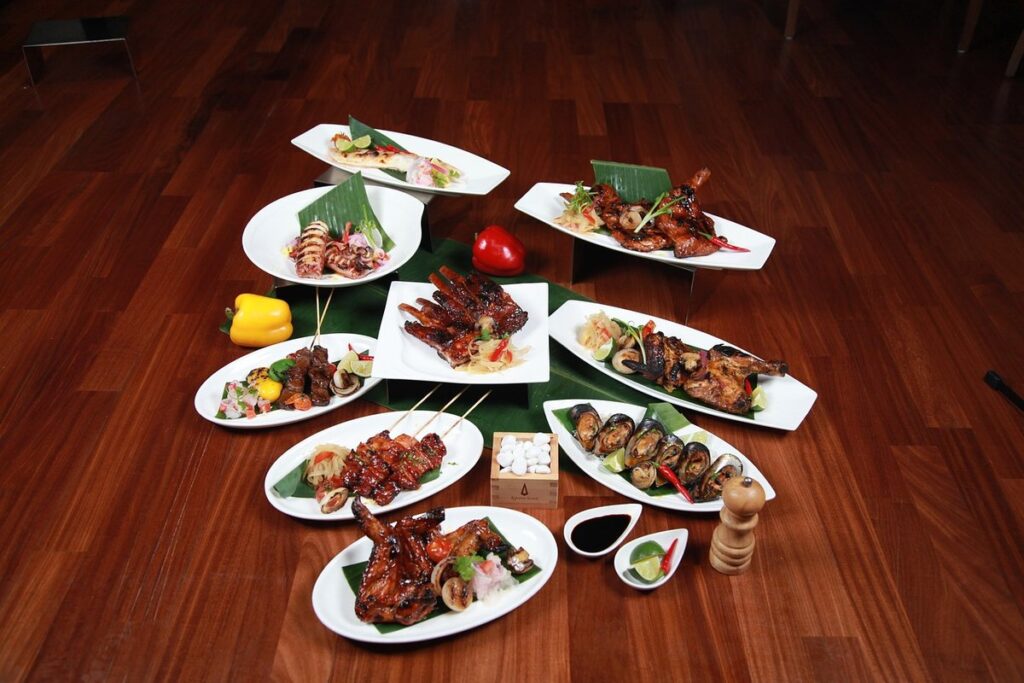
The classic ingredients of adobo include vinegar, soy sauce, garlic, bay leaves, and black pepper, which are combined with various protein sources such as chicken, pork, or seafood. The cooking method involves simmering the mixture in a pot until the flavors have melded together and the meat is tender. This technique allows for an array of regional variations to emerge, each with its unique twist.
In Central Luzon, adobo is often made with liver and intestines, while in Southern Philippines, fish-based adobos are common. In Ilocos Region, a version called “adobong iba” uses coconut milk instead of vinegar for a richer flavor profile. With so many variations to try, it’s no wonder that adobo remains a crowd-pleaser at family gatherings and celebrations.
Regional Specialties and Traditional Dishes
Filipino cuisine is incredibly diverse, with different regions showcasing their unique twists on traditional dishes. Let’s take a culinary journey through some of these regional specialties that make Filipino food so flavorful and varied.
Central Luzon’s Signature Delicacies
Central Luzon is known for its rich culinary heritage, shaped by the region’s history and geography. One of the most iconic dishes from Central Luzon is sisig, a sizzling plate of minced pork’s face, ears, and other offal parts, mixed with onions, chili peppers, and vinegar. This dish is often served as an appetizer or pulutan (food to accompany liquor), and its bold flavors are a testament to the region’s love for strong-tasting dishes.
Another popular specialty from Central Luzon is sinampalukang manok, also known as tamarind soup. This sour and savory soup is made with chicken cooked in a broth flavored with tamarind paste, onions, garlic, and chili peppers. The acidity of the tamarind gives the soup its distinctive taste, which is both refreshing and invigorating.
In addition to these dishes, Central Luzon is also famous for its puto, steamed rice cakes that are often served as a snack or dessert. Puto is typically made with a mixture of rice flour, sugar, and eggs, and is cooked in small molds to give it a delicate, cup-like shape. When served warm, puto is soft and fluffy on the inside, while its exterior has a crispy texture that adds to its appeal.
Southern Philippines’ Seafood Favorites
In the southern Philippines, seafood is a staple in many coastal regions. One of the most popular dishes from this area is sinugba, which is essentially grilled fish cooked to perfection over an open flame. The simplicity of this dish allows the natural flavors of the fish to shine through.
Another beloved dish from the south is kinilaw, a raw fish marinated in vinegar, garlic, and chilies. This refreshing appetizer or snack is often served as a palate cleanser between meals. Kinilaw’s popularity can be attributed to its ease of preparation and the fact that it requires minimal cooking time.
For those who prefer heartier fare, kare-kare is a must-try. A rich peanut stew made with ox tripe, vegetables, and ground rice, this dish is often served during special occasions. The combination of creamy peanuts and tender tripe may seem unusual at first, but its bold flavors have won over many fans.
When trying these dishes, it’s essential to note that the quality of the ingredients greatly affects the final product. Fresh seafood and high-quality peanuts are crucial in achieving the best flavor and texture. Additionally, be mindful of regional variations, as ingredients and cooking techniques may differ depending on the area.
Ingredients and Cooking Techniques Unique to Filipino Cuisine
One of the most exciting aspects of Filipino cuisine is its use of unique ingredients that can’t be found anywhere else, such as ube and calamansi. We’ll explore these special ingredients and cooking techniques next.
Use of Fresh Fruits and Vegetables
Fresh fruits and vegetables play a vital role in traditional Filipino cuisine, adding natural sweetness, texture, and flavor to various dishes. Mangoes, for instance, are a staple ingredient in Filipino cooking, often used in desserts like mango float and halo-halo. Tomatoes are another popular choice, frequently paired with onions and chilies to create the base of many sauces.
Eggplants are commonly used in vegetable-based dishes such as grilled eggplant and vegetable adobo. The use of fresh fruits and vegetables is not limited to sweet dishes; they also add depth to savory meals. In Filipino cuisine, the emphasis on using fresh ingredients ensures that flavors remain vibrant and balanced.
To incorporate more fresh fruits and vegetables into your cooking, try experimenting with different combinations in traditional recipes. For example, you can add diced mangoes or tomatoes to a simple adobo sauce for added flavor. Alternatively, use eggplants as a substitute for meat in vegetarian dishes. By incorporating these fresh ingredients, you can elevate the taste and nutritional value of your Filipino-inspired meals.
Adobo’s Signature Flavor: The Role of Vinegar and Soy Sauce
Vinegar and soy sauce are two fundamental components of adobo, a national dish in the Philippines. These ingredients play a crucial role in creating the distinct flavor profile of adobo. Vinegar, typically made from fermented rice or palm sap, serves as a balancing agent that cuts through the richness of the meat or vegetables. It adds a tangy and slightly sour taste that helps to round out the flavors.
Soy sauce, on the other hand, contributes depth and umami flavor to the dish. Its savory, slightly sweet taste enhances the overall flavor profile of adobo. When combined with vinegar, soy sauce creates a harmonious balance of flavors that is quintessentially Filipino. The ratio of vinegar to soy sauce can vary depending on personal preference, but a general rule of thumb is to use equal parts or slightly more vinegar than soy sauce.
A good adobo recipe should have a clear understanding of how these two ingredients work together. By adjusting the proportions and types of vinegar and soy sauce used, cooks can experiment with different flavor profiles and create unique variations of this beloved national dish.
Modern Twists on Traditional Filipino Cuisine
As you explore the rich flavors of traditional Filipino cuisine, modern chefs are putting their own creative spin on classic dishes, blending old traditions with bold new flavors. From fusion twists to innovative ingredients, these updates will surprise and delight even the most seasoned palates.
Fusion Cooking and Innovative Use of Ingredients
Modern chefs are pushing the boundaries of traditional Filipino cuisine by fusing international flavors and techniques with classic dishes. Take, for instance, the use of Japanese miso paste in adobo recipes or the incorporation of Korean chili flakes in sinigang soups. These innovative combinations create a unique flavor profile that is both familiar and exciting.
In some cases, chefs are substituting traditional ingredients with more readily available alternatives. For example, using lemongrass instead of bay leaves adds a bright citrus note to dishes like tinola or menudo. Others experiment with international cooking methods, such as grilling or smoking meats to add texture and depth.
When experimenting with fusion cooking, it’s essential to balance the new flavors with traditional techniques. A good rule of thumb is to start by substituting 20-30% of the ingredients with international alternatives, then adjust to taste. This approach allows you to maintain the essence of the dish while introducing new elements. By embracing this creative freedom, modern chefs are redefining traditional Filipino cuisine and opening it up to a wider audience.
The Rise of Food Blogging and Social Media in Promoting Philippine Cuisine
Food bloggers and social media influencers have revolutionized the way Filipino cuisine is showcased to a wider audience. Platforms like Instagram and YouTube have given aspiring food enthusiasts a stage to share their passion for traditional Filipino dishes, experimenting with new recipes and presentation styles that appeal to modern palates. Many Filipino food bloggers have gained massive followings by highlighting the country’s rich culinary heritage through mouth-watering images and videos.
The rise of online recipe platforms has also made it easier for people to access and try out authentic Filipino recipes. These websites often feature a vast array of traditional dishes, from classic adobo and sinigang to regional specialties like sisig and lechon kawali. Online communities have formed around these platforms, allowing users to share their own recipe variations and cooking techniques.
Some notable online influencers have successfully leveraged social media to promote Filipino cuisine globally. Their engaging content has not only increased interest in traditional dishes but also inspired a new generation of home cooks to experiment with Filipino flavors. As the popularity of food blogging and social media continues to grow, it’s likely that we’ll see even more creative adaptations of traditional Filipino recipes emerge.
Conclusion: Embracing the Diversity and Richness of Traditional Filipino Cuisine
Traditional Filipino cuisine is a vibrant tapestry woven from diverse cultural influences, geographical regions, and socioeconomic backgrounds. It’s characterized by bold flavors, aromatic spices, and an emphasis on fresh ingredients. From the savory adobo to the sweet and sour sinigang, each dish offers a unique flavor profile that reflects the country’s rich culinary heritage.
Filipino cuisine is also marked by its regional variations, with different regions having their own specialties and cooking techniques. For example, the Visayas region is known for its grilled dishes like inasal, while the Ilocos region excels in producing flavorful longganisa sausages.
Embracing this diversity requires an open-minded approach to trying new flavors and ingredients. Visit local markets or try cooking classes to experience the authentic flavors of traditional Filipino cuisine. By exploring these different regional specialties, you can develop a deeper appreciation for the complexity and richness of Filipino food culture.
Frequently Asked Questions
How to incorporate traditional Filipino cuisine into my modern meal planning?
When introducing traditional dishes like adobo or sinigba into your regular meals, start by experimenting with small portions and gradually increase the serving size. Consider the flavors and ingredients used in these dishes and how they can complement your existing recipes. For example, you can add a dash of patis (fish sauce) to enhance the umami flavor in soups or stews.
What are some common mistakes beginners make when cooking traditional Filipino dishes?
One common mistake is over-reliance on store-bought ingredients like instant adobo seasoning or pre-cut vegetables. Freshness and quality of ingredients significantly impact the final taste and texture of your dish. When possible, use fresh fruits and vegetables and prepare ingredients from scratch.
Can I adapt traditional Filipino recipes to suit my family’s dietary preferences?
Yes, you can modify traditional Filipino recipes to accommodate dietary requirements such as gluten-free or vegetarian options. For instance, swap soy sauce with tamari for a gluten-free version of adobo or replace meat with tofu in sinigba. Be mindful of the flavors and textures that might be affected by these substitutions.
How do I know when my cooking has achieved the signature Filipino flavor profile?
Achieving the distinct flavor of traditional Filipino cuisine requires balance and harmony among ingredients like vinegar, soy sauce, garlic, and onions. Pay attention to the aroma released during cooking, as it often signals the dish is close to achieving that signature taste. Taste and adjust seasoning accordingly, keeping in mind the role of acidity from ingredients like tomatoes or citrus.
What if I don’t have access to certain ingredients found in traditional Filipino cuisine?
You can still make a version of adobo without some hard-to-find ingredients like bagoong (fermented shrimp paste) by substituting it with other umami-rich ingredients like miso paste or mushroom-based sauces. Be creative and experiment with alternative ingredients that complement the dish’s flavor profile while maintaining its authenticity.