French cuisine is renowned for its rich flavors, intricate techniques, and iconic dishes that have captivated food lovers around the world. For centuries, French cooking has been synonymous with excellence, from haute cuisine in Parisian restaurants to rustic country meals served in rural villages. Yet, despite its reputation, traditional French cuisine remains a mystery to many cooks, who struggle to recreate the delicate sauces, tender meats, and perfectly cooked vegetables that are hallmarks of this beloved style of cooking. In this comprehensive guide, you’ll discover the history and evolution of traditional French dishes, learn essential techniques for preparing classic meals like Coq au Vin and Bouillabaisse, and gain confidence in your ability to cook authentic French cuisine at home. By the end of this article, you’ll be well on your way to mastering the art of traditional French cooking.
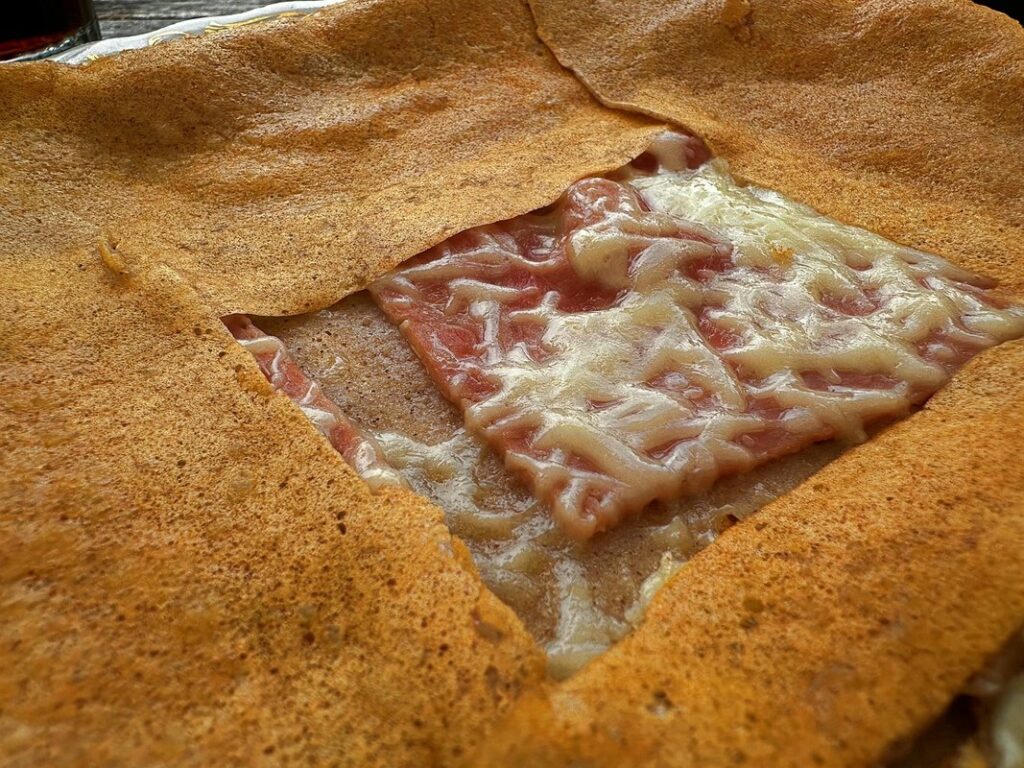
The History of French Cuisine
French cuisine has a rich and varied history, shaped by centuries of cultural influences from within France and beyond its borders. We’ll explore how this diversity has contributed to the country’s unique culinary identity.
Origins of Haute Cuisine
French cuisine’s rich history dates back to medieval times, when cooking was a largely peasant-driven activity. However, it wasn’t until the 17th and 18th centuries that haute cuisine emerged as a refined and sophisticated culinary art form. This transformation can be attributed to influential figures such as François Pierre de La Varenne, whose groundbreaking cookbook “Le Cuisinier Frangais” (1651) laid the foundation for modern French cooking.
La Varenne’s work introduced a new level of sophistication, with detailed recipes and descriptions that emphasized technique over simple, rustic preparations. His emphasis on precise measurements, careful ingredient selection, and the importance of presentation helped establish haute cuisine as a distinct culinary entity. Grimod de la Reynière, another prominent figure, continued this trend by publishing “Almanach des Gourmands” (1803-1810), which further codified the principles of haute cuisine.
The development of haute cuisine was not solely driven by individual innovators; it also reflected changing social and cultural norms. As French society became increasingly aristocratic and refined, there was a growing demand for elaborate, sophisticated dining experiences that showcased culinary expertise. The evolution of haute cuisine marked a significant turning point in the history of French cooking, paving the way for the diverse regional specialties and classic dishes that are celebrated today.
Regional Influences on French Cooking
French cuisine is a rich tapestry of flavors and techniques woven from the threads of regional specialties. The north’s influence can be seen in dishes like Coq au Vin, which originated in the Burgundy region. This classic dish showcases the use of red wine, mushrooms, and onions, all hallmarks of northern French cooking.
In contrast, the south, particularly Provence, has imparted its own distinct flavor profile to French cuisine. The emphasis on fresh vegetables, herbs, and olive oil is evident in dishes such as Ratatouille, a hearty vegetable stew that’s quintessentially Provençal. This focus on local ingredients and simple preparation methods reflects the south’s Mediterranean heritage.
Alsace, situated in northeastern France, has contributed its own unique flair to French cuisine. The region’s Germanic influences can be seen in dishes like Tarte Flambée, a savory tart topped with bacon, onions, and Gruyère cheese. These three regions – north, south, and east – have each left an indelible mark on the culinary landscape of France, shaping the country’s rich gastronomic heritage.
Classic French Dishes for Beginners
If you’re new to cooking French cuisine, start by mastering some of its most beloved classics, like Coq au Vin and Bouillabaisse. These iconic dishes are surprisingly easy to prepare.
Essential Ingredients in French Cooking
When cooking traditional French dishes, it’s essential to have a good understanding of the fundamental ingredients used. At the heart of French cuisine are rich and savory elements like butter, garlic, and onions. These aromatics are often sautéed together to create the base of many classic sauces and stews. For example, in Coq au Vin, a classic dish from the Burgundy region, chicken is braised in red wine with sliced onions and mushrooms.
Certain types of meat also play a crucial role in French cooking. Beef, pork, and lamb are staples in traditional French cuisine, often slow-cooked to tender perfection. Duck confit, for instance, is a beloved specialty from the southwest that involves slow-cooking duck legs in fat until they’re fall-off-the-bone tender.
In addition to these ingredients, other essential components include high-quality salt, black pepper, and fresh herbs like thyme and rosemary. These elements are used to enhance flavors and add depth to sauces, soups, and stews. By understanding the importance of these fundamental ingredients, you’ll be well on your way to cooking authentic French dishes that showcase the country’s rich culinary heritage.
Basic Preparation Methods for French Dishes
Sautéing is a fundamental technique in French cooking, where food is quickly cooked in a pan with a small amount of oil. This method is ideal for delicate fish and vegetables, as it preserves their texture and flavor. To sauté effectively, use a medium-high heat and add aromatics like onions or garlic first to infuse the dish with flavor. Next, add the main ingredients and cook until they’re tender but still crisp.
Roasting brings out the natural sweetness in food, making it a popular method for cooking meats and root vegetables. Preheat your oven to 400°F (200°C) and season the food liberally before placing it on a baking sheet. Roast in the preheated oven for about 20-30 minutes or until the food is tender and caramelized.
Braising, also known as pot-roasting, involves cooking tougher cuts of meat in liquid over low heat. This method breaks down the connective tissues in the meat, making it tender and flavorful. To braise, brown the meat in a pan first before transferring it to a large pot or Dutch oven with some aromatics and liquid. Cover the pot and cook on low heat for about 1-2 hours or until the meat is tender.
When choosing which preparation method to use, consider the ingredient’s texture and how much time you have available.
Regional Specialties: A Tour of France’s Culinary Regions
As we explore the rich culinary heritage of France, it’s essential to understand how regional specialties contribute to its gastronomic diversity. From Normandy’s creamy cheeses to Provence’s fragrant herbs, every region has its unique flavors and traditions.
Burgundy: The Land of Fine Wines and Rich Game Meats
In Burgundy, the rich flavors of fine wines meet the hearty taste of game meats. The region’s cuisine is a testament to its medieval past, when hunting and foraging were essential skills for survival. Coq au Vin, a dish that has become synonymous with French cuisine worldwide, originated in Burgundy as a peasant meal made from chicken cooked in red wine. Boeuf Bourguignon, another iconic dish, showcases the region’s love affair with beef slow-cooked in red wine.
The key to Burgundian cooking lies in its use of rich game meats like venison and wild boar, which are often paired with mushrooms and berries foraged from the surrounding forests. The region’s famous Dijon mustard also plays a starring role in many dishes, adding a tangy depth to sauces and marinades.
For those looking to recreate Burgundian flavors at home, start by investing in a good red wine – the type used is crucial in achieving that authentic flavor profile. Pair your game meat of choice with a selection of fresh mushrooms and a handful of wild berries foraged or substituted with dried alternatives. Experiment with Dijon mustard as a marinade or sauce component to add an unmistakable je ne sais quoi to your dishes. With these ingredients and techniques, you’ll be well on your way to crafting authentic Burgundian cuisine in the comfort of your own kitchen.
Provence: Hearty Mediterranean-Style Cooking
Provence is a culinary treasure trove, where the warmth of the Mediterranean sun infuses every dish with its characteristic flavor and aroma. The bold use of olives, garlic, and fresh herbs like thyme and rosemary defines Provençal cooking. One of the essential ingredients in this style of cuisine is olive oil, which is often used as a finishing touch to bring out the natural flavors of the dishes.
A classic example of Provençal cooking is ratatouille, a vegetable stew originating from Nice. This hearty dish typically features eggplant, zucchini, bell peppers, and tomatoes, all slow-cooked in olive oil and seasoned with fresh herbs. Another staple is bouillabaisse, a fish soup that originated in Marseille. This rich and flavorful broth is made with a variety of fish and shellfish, along with vegetables like onions and garlic.
When cooking Provençal-style, don’t be afraid to use plenty of aromatics like garlic and onions to create depth and complexity. Fresh herbs are also essential, so be sure to add them towards the end of cooking to preserve their delicate flavor. With its emphasis on fresh ingredients and bold flavors, Provençal cooking is a great way to add some Mediterranean flair to your traditional French dishes.
Iconic French Dishes from Each Region
As we travel through France, each region boasts its own unique flavors and specialties, from hearty stews to rich sauces. Discover the quintessential dishes that define the country’s gastronomic identity.
The North: Flanders’ Influence on French Cuisine
The North of France has a rich culinary heritage shaped by its proximity to Flanders. This influence is evident in traditional dishes such as Waterzooi and Carbonade Flamande. Waterzooi, a creamy stew originating from the city of Ghent, typically features fish or chicken cooked in a light sauce made with cream, butter, and eggs. In France, it’s often adapted to include freshwater fish from the region.
Carbonade Flamande, a classic Flemish beef stew, has become an integral part of French cuisine as well. The dish is characterized by its rich flavor profile achieved through the use of dark beer, mustard, and brown sugar. To prepare Carbonade Flamande at home, start by browning beef chunks in a pan with some oil until they’re nicely caramelized. Then, add sliced onions and cook them until translucent before pouring in the beer, mustard, and sugar mixture.
The combination of Flemish and French ingredients has resulted in unique flavors that can be seen throughout the region’s cuisine. By incorporating these dishes into your repertoire, you’ll gain a deeper understanding of how regional influences have shaped traditional French cooking.
The South: Warmth and Sun-Kissed Flavors of Provence
Provençal cuisine is a masterclass in simplicity, relying on an array of fresh vegetables, aromatic herbs, and high-quality olive oil to create dishes that burst with flavor. The region’s produce is showcased in classic recipes like Ratatouille, where eggplant, zucchini, bell peppers, and tomatoes are slowly cooked together to create a rich, velvety sauce.
Garlic, often used in conjunction with thyme or rosemary, adds depth to Provençal cooking. Its pungency pairs particularly well with the sweetness of roasted vegetables, as seen in dishes like Tarte provençale, a savory tart filled with caramelized onions and olives. Fresh herbs like parsley, basil, and tarragon are also integral components, adding freshness and fragrance to sauces and marinades.
When cooking Provençal-style, it’s essential to balance flavors rather than overpower them. A drizzle of good-quality olive oil can elevate even the humblest ingredients, while a sprinkle of coarse salt enhances textures without dominating the palate. By embracing the region’s emphasis on fresh produce, herbs, and simple preparation methods, home cooks can unlock the secrets of Provençal cuisine and create dishes that are at once hearty, flavorful, and quintessentially French.
Advanced French Cooking Techniques
Now that you’ve mastered the fundamentals of French cooking, it’s time to take your skills to the next level by learning advanced techniques that will elevate your dishes. We’ll explore the art of sauce making and other sophisticated methods.
Sauce Making 101
In traditional French cooking, sauces are an essential component of many classic dishes. While it may seem daunting to create these complex condiments from scratch, mastering the fundamentals is surprisingly accessible with practice and patience. Let’s start with the basics: Béarnaise, Hollandaise, and Demi-Glace.
A well-made Béarnaise sauce is a symphony of flavors – rich butter, subtle tarragon, and tangy shallots all come together to elevate grilled meats and vegetables. To make it, you’ll need egg yolks, lemon juice, wine vinegar, and, most importantly, high-quality ingredients. The key to a successful Béarnaise is emulsification: slowly tempering the hot clarified butter with the egg yolk mixture while whisking constantly.
Hollandaise sauce, on the other hand, relies on melted butter, egg yolks, and lemon juice for its silky texture and bright flavor. This rich condiment is typically served with asparagus or eggs Benedict. Demi-Glace, a concentrated beef stock reduction, serves as a flavorful base for many French sauces, including Béarnaise and Sauce Robert.
When making these classic sauces from scratch, it’s essential to focus on quality ingredients and precise technique. For instance, using low-quality oil can ruin the texture of your Hollandaise sauce, while skimping on flavorings will leave your Demi-Glace tasting bland. With these fundamental techniques under your belt, you’ll be well-equipped to tackle even the most complex French recipes.
Advanced Preparation Methods for Complex Dishes
Larding is a crucial technique for preparing complex dishes like Pâté en Croûte. This process involves inserting thin strips of fat, usually pork or beef, into meat to enhance flavor and texture. To lard effectively, you’ll need a sharp knife and a gentle touch. Hold the meat firmly in place with one hand, and with the other, carefully insert the larding needle or a sharp boning knife to create small incisions for the fat strips.
For Pâté en Croûte, it’s essential to alternate the direction of each strip to achieve an even distribution of fat throughout the dish. This will ensure that the pâté remains moist and flavorful during cooking. When choosing larding fat, opt for high-quality meats with a good balance of marbling. This will yield a more complex flavor profile and tender texture.
Some traditional French recipes also employ other advanced preparation methods, such as barding or glazing. Barding involves covering the meat in a layer of fat to prevent it from drying out during cooking. Glazing, on the other hand, is used to add a sweet and sticky crust to meats like ham or pork. By mastering these techniques, you’ll be able to elevate your French cooking skills and create rich, satisfying dishes that showcase the best of traditional French cuisine.
Traditional French Desserts
French patisserie is renowned for its elegance and sophistication, from the delicate tarte Tatin to the rich, buttery croquembouche. Let’s indulge in some of France’s most beloved sweet treats.
Iconic French Pastries: From Tarte Tatin to Éclairs
French pastries have a long history of elegance and refinement, with many iconic desserts still revered today. One such classic is Tarte Tatin, a caramelized apple tart named after the French couple who created it in the late 19th century. Its inverted design, with apples cooked in butter and sugar on the bottom of the pan, has become a signature element of French patisserie.
Another beloved pastry is Éclair, consisting of light, airy dough filled with rich coffee or chocolate cream. Its origins date back to the late 19th century, when it was first created by French baker Marie-Antoine Carême. This delicate dessert requires precision and skill in its preparation, making it a true test for even the most experienced bakers.
Mille-Feuille, also known as Napoleon, is another iconic pastry that showcases French patisserie’s mastery of layers and flavors. Composed of puff pastry, pastry cream, and fruit preserves, this intricate dessert requires patience and attention to detail. Opéra Gâteau, with its rich coffee and chocolate flavors, is another show-stopping dessert that epitomizes the artistry of French baking.
When making these classic pastries at home, it’s essential to use high-quality ingredients and follow traditional recipes carefully. Practice makes perfect, so don’t be discouraged if your first attempts don’t yield flawless results.
Modern Twists on Timeless French Sweets
Modern French patisserie has evolved significantly over the years. Contemporary chefs continue to innovate while staying true to their heritage by incorporating modern flavors and techniques into traditional French desserts. A prime example of this is the reimagining of classic crème brûlée, now often made with unique flavor combinations such as lavender or honey.
Other popular modern twists on timeless French sweets include the use of locally sourced ingredients and exotic spices. For instance, some pastry chefs are incorporating Japanese matcha into their macarons or adding a hint of warm cinnamon to traditional éclairs. The result is a harmonious blend of old and new that not only pays homage to French patisserie but also elevates it to new heights.
Some modern French dessert trends also explore the use of alternative sweeteners such as honey, maple syrup, or agave nectar in place of refined sugar. This shift towards more natural ingredients is a testament to the evolving tastes and dietary preferences of consumers today.
Conclusion: Embracing the Spirit of French Cuisine
Embracing the spirit of French cuisine means more than just cooking its iconic dishes. It’s about understanding the cultural nuances that underpin each recipe, from the rich history of bouillabaisse in Marseille to the delicate pastry-making traditions of Lyon. To truly experience French cuisine, one must slow down and appreciate the intricate preparation methods involved, like hand-rolling pâte à choux for a flaky croissant or carefully selecting the freshest ingredients for a hearty coq au vin. A true appreciation for French cuisine also involves being open to experimentation – trying new recipes, combining traditional flavors with modern twists, and even creating one’s own variations of classic dishes. This willingness to adapt and innovate while staying rooted in tradition is what makes French cuisine so enduringly rich and diverse.
Frequently Asked Questions
What if I’m a vegetarian – can I still make traditional French dishes?
You can easily adapt many classic French recipes to be vegetarian-friendly by substituting meat with vegetables or plant-based protein sources. For example, replace the beef in Coq au Vin with portobello mushrooms or eggplant, and use vegetable broth instead of chicken stock. Experimenting with different ingredients will help you create delicious and authentic-tasting French dishes without animal products.
How do I balance the flavors in a traditional French sauce?
Balancing flavors is an art in French cooking. To achieve a harmonious balance, taste your sauce frequently as you cook and adjust the seasoning accordingly. Remember that French sauces rely on a delicate balance between acidity (from ingredients like lemon juice or vinegar), richness (from butter or cream), and saltiness. Start with a small amount of each component and gradually add more to avoid overpowering the dish.
Can I use store-bought broth instead of making my own in traditional French cooking?
While store-bought broth can be convenient, using homemade broth is often preferred in traditional French cuisine for its richer flavor and authenticity. However, if you’re short on time or prefer a quicker option, choose a high-quality store-bought broth that’s low-sodium to avoid overpowering the dish. Consider adding aromatics like onions, carrots, and celery to enhance the flavor.
What are some common mistakes beginners make when cooking traditional French dishes?
One common mistake is over-relying on pre-made sauces or shortcuts, which can compromise the authenticity of the dish. Another mistake is underseasoning – remember that a pinch of salt and pepper can make all the difference in bringing out the flavors of your ingredients. Lastly, don’t be afraid to experiment and try new techniques; practice makes perfect, and even experienced chefs learn from their mistakes.
Can I substitute traditional French cheeses with other types in recipes?
While it’s possible to substitute some cheeses, traditional French dishes often rely on specific cheeses for their unique flavor profiles and textures. For example, using feta instead of Comté in a cheese sauce will alter the taste significantly. When substituting, consider the flavor intensity and melting properties of the cheese you’re replacing – this will help ensure your dish still tastes authentic and delicious.