Typical dishes are more than just meals to fill our plates; they’re windows into the cultures, traditions, and histories of the people who create them. From Asia’s steaming bowls of noodles to Europe’s hearty stews, each dish tells a story about its region, climate, and values. But what makes a dish truly typical? Is it a recipe passed down through generations, or a flavor combination that perfectly suits the local ingredients? In this article, we’ll explore the rich diversity of typical dishes from around the world, examining their cultural significance, traditional recipes, and modern twists on classic flavors. We’ll take you on a culinary journey to Asia, Europe, Latin America, and beyond, highlighting the unique characteristics of each region’s cuisine. By the end of this article, you’ll have a deeper understanding of what makes typical dishes so special – and be inspired to try new recipes from around the globe.
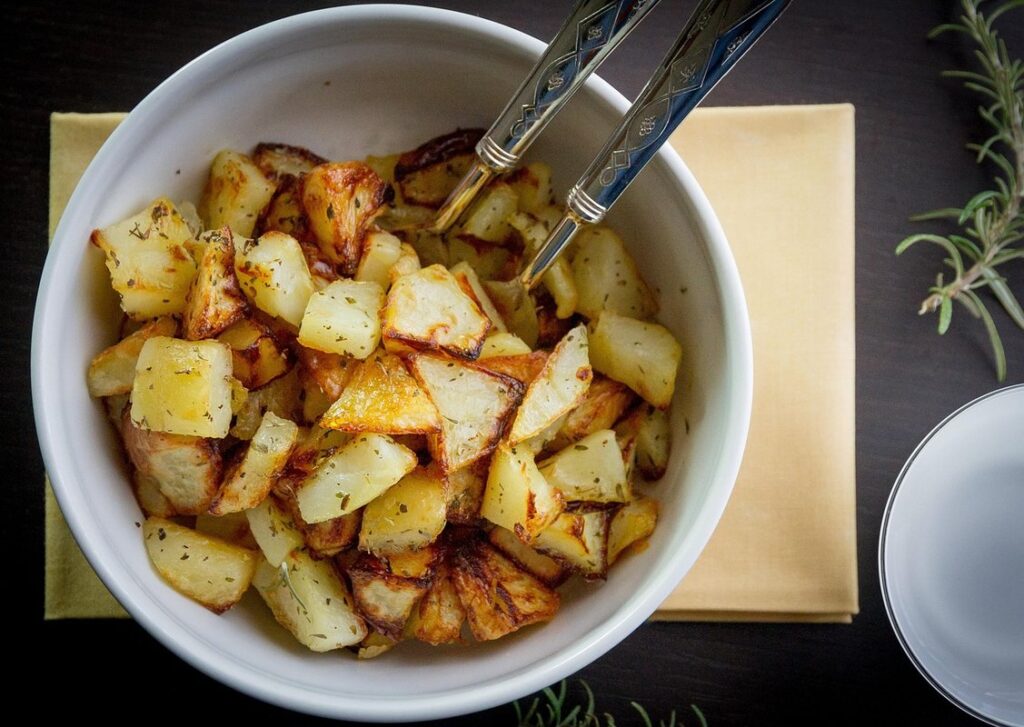
What are Typical Dishes?
Each region has its own unique culinary identity, shaped by local ingredients and cultural traditions. Let’s take a look at some of the most iconic dishes that define different parts of the world.
Traditional Cuisine
Traditional cuisine is often characterized by its use of locally sourced ingredients and cooking techniques passed down through generations. However, what constitutes traditional cuisine can vary greatly across cultures. For example, Japanese tempura and Korean bibimbap are considered traditional dishes despite their relatively recent origins.
In many Asian cultures, traditional cuisine emphasizes balance and harmony in flavors and textures. This is evident in the Chinese concept of “yin” and “yang,” where opposing forces are brought together to create a harmonious whole. Similarly, Indian cuisine combines complex spice blends with fresh herbs and fruits to achieve a delicate balance of flavors.
In contrast, traditional European cuisine often emphasizes rich flavors and bold presentation. Think of a classic Beef Wellington or a hearty Italian ragù – both dishes showcase the region’s love for robust flavors and indulgent textures. When exploring traditional cuisine from around the world, consider visiting local markets or trying home-cooked meals with locals to gain a deeper understanding of the cultural context behind each dish.
When cooking traditional recipes at home, don’t be afraid to experiment and adapt ingredients based on your personal taste preferences. However, also be mindful of respecting the original recipe’s spirit and intent to avoid watering down its cultural significance.
Cultural Significance
Food plays a vital role in cultural heritage, often serving as a bridge between generations and communities. In many cultures, traditional dishes are a staple at family gatherings and celebrations, bringing people together around the table. For example, in Japan, New Year’s (Oshogatsu) is marked with a special meal featuring mochi, while in India, Diwali is celebrated with elaborate feasts of sweets and savory dishes.
In these moments, food transcends its practical function as sustenance, becoming an integral part of the cultural experience. The preparation and sharing of traditional meals often involve storytelling, passed-down recipes, and family traditions. This emphasis on communal eating helps to strengthen social bonds and preserve cultural identity.
When traveling or exploring new cultures, trying local dishes is a meaningful way to connect with the community. By engaging with the local food scene, you can gain insight into the history, values, and customs of the people who prepare and enjoy these meals. This appreciation for cultural significance can also influence your own cooking and eating habits, as you seek to honor the traditions that have shaped the dishes you love.
Modern Twists on Tradition
Modern chefs and restaurants have adapted traditional dishes to suit contemporary tastes. This adaptation is not limited to minor tweaks; some modern twists on tradition are quite bold. For instance, many high-end restaurants now offer deconstructed versions of classic comfort foods, like a foie gras “burger” or a “sushi-grade” take on the humble fish and chips.
One way chefs achieve this fusion is by incorporating international flavors into traditional recipes. Japanese-Italian fusion dishes, such as spaghetti with miso sauce or tonkatsu-style tempura-fried pork cutlets, are now common in upscale restaurants worldwide. Similarly, some modern Mexican eateries serve innovative tacos filled with Korean BBQ beef or grilled octopus.
In the United States, chefs have begun experimenting with traditional Southern cuisine by incorporating fresh, locally-sourced ingredients and creative twists on old favorites. Grits are no longer just a side dish; they now come in flavors like truffle or smoked bacon. In response to these modern interpretations of classic dishes, many restaurants are redefining the concept of “traditional” cuisine for a new generation of diners.
Regional Specialties
From the spicy curries of India to the hearty stews of Europe, regional specialties play a significant role in defining local cuisine. Let’s take a culinary journey through some of these delicious dishes from around the world.
Asian Dishes
In Asian cuisine, several dishes are widely regarded as typical and can be found on menus around the world. Chinese dishes like Kung Pao chicken and beef with broccoli are staples of the country’s culinary scene. Japanese favorites include sushi and ramen, often served at high-end restaurants but also enjoyed in casual settings.
In Korea, spicy stir-fries like bibimbap and bulgogi are popular choices. Thai cuisine is known for its bold flavors and aromas, with dishes such as pad thai and green curry frequently appearing on restaurant menus. Vietnamese food often centers around fresh ingredients and herbs, with pho (beef noodle soup) being a well-known example.
Some of these dishes have undergone modern twists in recent years, incorporating non-traditional ingredients or cooking methods. However, their core flavors and components remain the same. Understanding what constitutes a typical Asian dish can help you navigate restaurant menus or recreate these dishes at home. When ordering, look for common ingredients like soy sauce, rice vinegar, and ginger, which are often used in combination to create distinct flavor profiles.
These elements come together to create a range of flavors that are instantly recognizable as Asian cuisine.
European Classics
French cuisine is often synonymous with fine dining, but its heart lies in hearty dishes like Coq au Vin and Bouillabaisse. These classic stews are steeped in history and flavor, showcasing the country’s rich culinary heritage. Italian cuisine, on the other hand, has a strong emphasis on simplicity and freshness, as seen in iconic pasta dishes like Spaghetti Carbonara and Risotto alla Milanese.
In Spain, tapas culture reigns supreme, with small plates of Patatas Bravas and Croquetas taking center stage. Meanwhile, Germany’s culinary identity is deeply rooted in meat-based stews like Sauerbraten and Schnitzel. Britain’s regional specialties include fish and chips, a quintessential comfort food that has gained international popularity.
When exploring European Classics, consider the unique flavor profiles and cooking techniques that define each country’s cuisine. For instance, France’s emphasis on wine pairing is evident in its rich sauces, while Italy’s love of olive oil and garlic is a staple in many regional dishes. By understanding these nuances, you can elevate your own cooking and appreciate the diversity within European cuisine. Popular ingredients like truffles and prosciutto add depth to classic dishes, making them a great starting point for experimenting with new recipes.
Latin American Favorites
In Latin America, a diverse array of countries shares common culinary roots and favorite dishes. Mexico’s tacos al pastor, with its marinated pork and pineapple flavors, is one such staple. Brazil’s feijoada, a hearty stew made from black beans and various meats, is another beloved classic. Argentina’s asado, a slow-cooked barbecue featuring beef and sometimes chorizo, is also widely enjoyed.
Peru’s ceviche, raw fish marinated in citrus juices, is a refreshing and flavorful dish that showcases the region’s emphasis on fresh ingredients. Other popular Latin American favorites include empanadas from Colombia and Chile, filled with meat or cheese and often fried or baked. These dishes have become integral to local cuisine and culture.
To try these staple dishes for yourself, look for authentic restaurants in your area or attempt making them at home using traditional recipes. When shopping for ingredients, focus on freshness and quality – a good fish market will make all the difference in ceviche’s success.
Street Food and Market Fare
When it comes to experiencing the authentic flavors of a region, street food and market fare often offer the most exciting and representative dishes. From spicy tacos to fragrant skewers, these humble eateries showcase local cuisine at its best.
Global Street Food
Tacos are a staple of Mexican street food, typically consisting of a small flour or corn tortilla filled with seasoned meats, cheese, and vegetables. Kebabs, found in Middle Eastern and South Asian cuisine, often feature marinated meat cooked on skewers over an open flame. In Southeast Asia, satay is a popular snack made from grilled meat skewers served with spicy peanut sauce.
Other notable street foods include the Japanese yakitori, small chicken or seafood skewers often seasoned with salt and pepper, and the Korean-style bulgogi tacos, which combine marinated beef with kimchi slaw and cilantro. In India, vada pav is a popular snack consisting of fried doughnut-like fritters served in a bread bun.
Some street foods are more substantial than others. For example, banh mi in Vietnam is a sandwich made from pickled vegetables, grilled meats, and herbs served on a crispy baguette. Similarly, the Brazilian-style churrasco tacos feature slow-cooked meat served with rice, beans, and farofa (toasted manioc flour).
Regional Market Specialties
In many regions, street food and market fare are defined by local specialties that showcase the area’s unique flavors and ingredients. Japanese ramen stalls often offer a rich pork broth served with springy noodles, green onions, and sliced pork or boiled egg. In India, vendors may sell samosas filled with spiced potatoes, peas, and onions, typically served with a dollop of mint chutney or tamarind sauce.
Middle Eastern shawarma shops are common in many cities, where thinly sliced meat (usually lamb or chicken) is stacked on a vertical spit and served in a warm pita with tomato, onion, and tahini sauce. These regional market specialties not only provide a taste of local culture but also offer a glimpse into the area’s culinary traditions.
Some popular options to look for when exploring street food markets include:
- Korean-style hotteok, filled with honey, sugar, and cinnamon
- Mexican elote, grilled corn on the cob slathered with mayonnaise, cotija cheese, and chili powder
- Brazilian pastel, deep-fried pastry pockets filled with shredded chicken or beef
Comfort Foods
From hearty stews to crispy fried chicken, comfort foods bring people together and evoke feelings of warmth and nostalgia. Let’s take a look at some classic comfort food dishes from around the globe that are sure to satisfy your cravings.
Home-Cooked Classics
Mac and cheese, chicken pot pie, beef stew – these comfort foods evoke a sense of nostalgia and warmth in people’s hearts. They’re often associated with home-cooked meals, passed down through generations. The key to making these classics is simplicity: using high-quality ingredients, letting them simmer slowly, and avoiding over-complication.
A good macaroni and cheese should have a creamy sauce, made from a combination of cheddar, parmesan, and milk. Some recipes include additional ingredients like cooked bacon or ham for added depth. For chicken pot pie, the filling is typically made with shredded chicken, vegetables, and a white wine sauce. The pastry crust should be flaky and golden brown.
When making beef stew, it’s essential to use tougher cuts of meat that become tender with slow cooking. A mixture of beef broth, red wine, and herbs like thyme and rosemary adds flavor to the pot. To make these dishes truly special, focus on using fresh ingredients and letting them cook slowly. This allows the flavors to meld together and creates a sense of comfort in each bite.
Cultural Variations on Comfort
Comfort is a universal human experience, yet its interpretation varies greatly across cultures. In some parts of the world, comfort food is synonymous with rich, heavy dishes, while others prefer light and refreshing options. For instance, in Japan, warm bowls of ramen or udon noodles are common comfort foods, often served with a soft-boiled egg and pork slices. Meanwhile, in India, steaming plates of basmati rice and lentil curries are staples of comfort cuisine.
In contrast, some cultures find solace in the simplicity of grilled meats and roasted vegetables. In Greece, souvlaki and moussaka are beloved comfort foods that showcase the country’s Mediterranean flair. Similarly, in Mexico, tender carnitas (braised pork) and warm tortillas are comforting and familiar flavors.
A key factor influencing cultural variations on comfort is climate. In hot and humid climates, like those found in Southeast Asia, light and cooling dishes are more prevalent. Coconut-based curries and salads with fresh herbs are common in these regions. Understanding these differences can help travelers navigate local cuisines and discover authentic comfort foods. By embracing the unique flavors and traditions of a region, visitors can experience the true essence of its culinary culture.
Desserts
Sweet treats are a staple in many cultures, and from creamy French crème brûlée to rich Italian tiramisu, desserts offer a delicious glimpse into local traditions. Let’s take a look at some standout sweet dishes around the globe.
Sweet Treats
Baklava is a quintessential dessert in Greek cuisine, with layers of phyllo pastry and nuts held together by a sweet honey syrup. In Japan, mochi is a traditional dessert made from pounded glutinous rice that’s molded into various shapes. These sweets not only showcase the cultural heritage of their respective countries but also often play a significant role in special occasions.
In many cultures, desserts are intricately tied to festivals and celebrations. For instance, Mexico’s Rosca de Reyes is a rich fruitcake-like dessert eaten on January 6th to commemorate the Epiphany. In France, macarons are a staple at patisseries and often used as gifts during special occasions.
When exploring traditional desserts from around the world, consider the ingredients and flavors commonly associated with each region. For example, Middle Eastern desserts frequently incorporate rosewater, cardamom, or pistachios, while Asian sweets often feature red bean paste or sesame seeds. Recognizing these regional flavor profiles can help you better appreciate the cultural significance of specific desserts.
Some notable traditional desserts include Japan’s Daifuku (glutinous rice cakes filled with sweet fillings), India’s Gulab Jamun (deep-fried dumplings soaked in rose syrup), and Italy’s Panna Cotta (creamy vanilla pudding set with gelatin).
Fruit-Based Dishes
In many parts of the world, sweet treats often feature fresh fruits as the main ingredient. One classic example is the French tarte tatin, where caramelized apples are nestled inside a pastry crust. Similarly, the Italian panna cotta often incorporates seasonal fruits like peaches or strawberries into its creamy base.
A small number of countries specialize in fruit-based desserts. In Japan, mille-feuille-like pastries called “mochi” frequently contain sweet fillings made from fruits such as mango or kiwi. Meanwhile, the Middle Eastern region is known for its rich baklava-style pies packed with dates and honey.
Some countries also have specific festivals centered around fruit-based sweets. For instance, in India’s southern state of Kerala, the Onam harvest festival features elaborate traditional dishes like payasam (a rice pudding often infused with fruits). If you’re looking to incorporate more international flavors into your baking routine, consider experimenting with seasonal fruits and flavor combinations from various cultures.
Some popular fruit-based desserts worth trying include:
- The Brazilian “torta de banana” – a moist banana cake often served as a snack or dessert
- The Spanish “flan de piña” – a pineapple-flavored custard tart that’s both sweet and tangy
Food Pairing and Wine Pairing
When it comes to enjoying a delicious meal, pairing your food with the right wine can elevate the experience. We’ll explore some classic combinations that will take your culinary adventures to the next level.
Flavor Combinations
Classic flavor combinations are a hallmark of typical dishes from around the world. In many Asian cultures, for example, sweet and sour flavors are paired together to create a balance of tastes. This can be seen in Chinese dishes like kung pao chicken or Szechuan hot pot, where sugar and vinegar combine to add depth and complexity.
In Mediterranean cuisine, herbs like oregano and thyme are commonly combined with citrus elements to enhance the flavor of grilled meats and vegetables. Greek salads often feature a drizzle of olive oil and lemon juice to bring out the natural flavors of tomatoes, cucumbers, and feta cheese.
The Japanese have their own unique take on balance, pairing umami-rich ingredients like miso paste and soy sauce with bright, acidic notes from citrus or vinegar. This can be seen in dishes like ramen or sushi, where a rich broth is balanced by a squeeze of fresh yuzu juice.
Some classic flavor combinations to try at home include:
- Cumin and coriander in Indian curries
- Garlic and chili flakes in Mexican salsas
- Ginger and soy sauce in Chinese stir-fries
Wine Pairing Essentials
When pairing wine with various types of cuisine, understanding the fundamental characteristics of different wines is essential. Red wines tend to pair well with rich and bold flavors found in meats like beef, lamb, or game. For example, a Cabernet Sauvignon’s tannins complement the charred edges of grilled steak. In contrast, white wines often work better with delicate flavors such as those found in fish, poultry, or vegetables.
Dessert wines can be used to balance sweet and savory elements on the plate. A Sauternes’ sweetness pairs well with the saltiness of cheeses like Roquefort, while Moscato’s acidity cuts through the richness of chocolate desserts. Sparkling wine is versatile and suitable for a range of dishes from seafood to fruit-based salads.
When selecting a wine, consider its weight: full-bodied wines pair better with rich or heavy flavors, while lighter-bodied wines work well with delicate or subtle flavors. For instance, a Pinot Noir’s lightness complements the tender flavor of roasted chicken without overpowering it.
Conclusion
In conclusion, exploring typical dishes from around the world has been a culinary journey like no other. Each region’s unique flavors and ingredients have not only delighted our taste buds but also provided valuable insights into its culture and history. From Japan’s sushi and tempura to India’s curries and naan bread, the diversity of global cuisine is truly breathtaking. When trying these dishes for yourself, remember that authenticity is key – seek out restaurants or recipes that use traditional methods and ingredients to get an authentic experience.
Consider exploring different regions’ cuisines in a single sitting by visiting a diverse restaurant or making a variety of dishes at home. This way, you can compare flavors, textures, and presentation styles side-by-side. Another approach is to focus on one region’s cuisine per meal, allowing yourself time to fully appreciate the nuances of each dish.
Ultimately, experiencing typical dishes from around the world is not just about satisfying your hunger – it’s an opportunity to learn, explore, and connect with cultures from far-off lands.
Frequently Asked Questions
Can I Substitute Ingredients in Typical Dishes?
Yes, while traditional recipes often specify specific ingredients, many can be adapted to accommodate dietary restrictions or personal preferences. Consider substituting spices, herbs, or proteins to create variations that suit your taste.
How Do I Balance Traditional and Modern Twists on Classic Recipes?
Find a balance by experimenting with modern twists on classic dishes, but also respecting the traditional techniques and flavor profiles that make them iconic. This can be achieved by incorporating new ingredients while maintaining essential cultural elements.
What if I’m New to Cooking Typical Dishes from Different Cultures?
Start by selecting recipes that interest you the most, and gradually experiment with new flavors and techniques. Don’t be afraid to try different variations or substitutions until you find what works best for your taste buds and cooking style.
How Do I Pair Street Food with Wine or Other Beverages?
When pairing street food with wine, consider the bold flavors of the dish. For example, spicy tacos pair well with a crisp white wine, while rich skewers might call for a lighter red. Experiment to find your own perfect pairings and don’t be afraid to try new combinations.
Can I Make Typical Dishes from Other Cultures without Access to Specialized Ingredients?
While some ingredients may be challenging to find, many typical dishes can be adapted using common pantry staples or substitutes. Research alternative ingredients, and consider visiting international markets or specialty stores for hard-to-find items to add authenticity to your cooking.